What Local Conditions Do
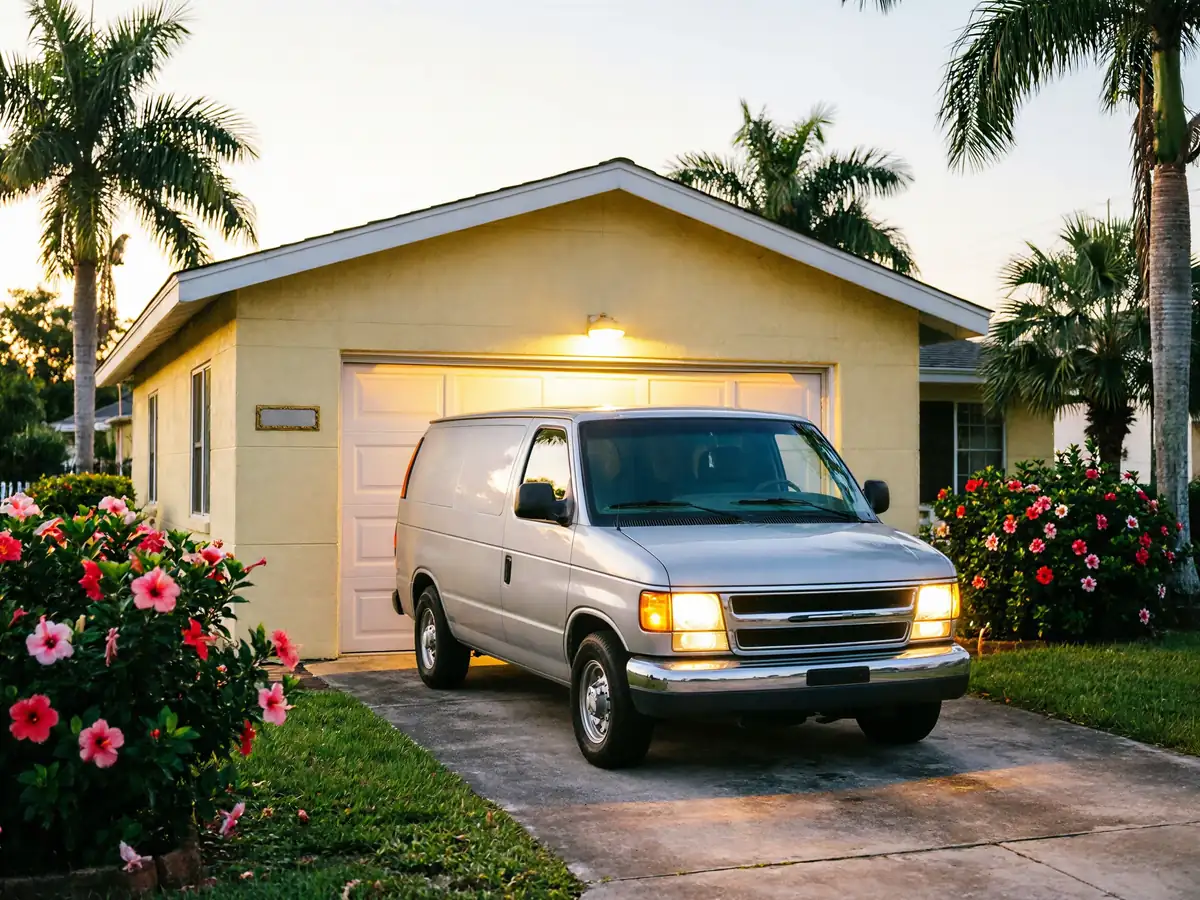
Most houses in this part of the county went up between 1970 and 2006, with the median landing around 1986 - right before garage door insulation went from an upgrade to something most manufacturers built in standard. That timing matters more than people think. A door made in 1984 and a door made in 2004 can look almost identical from the driveway, but one is a bare steel skin and the other has a foam core bonded inside it.
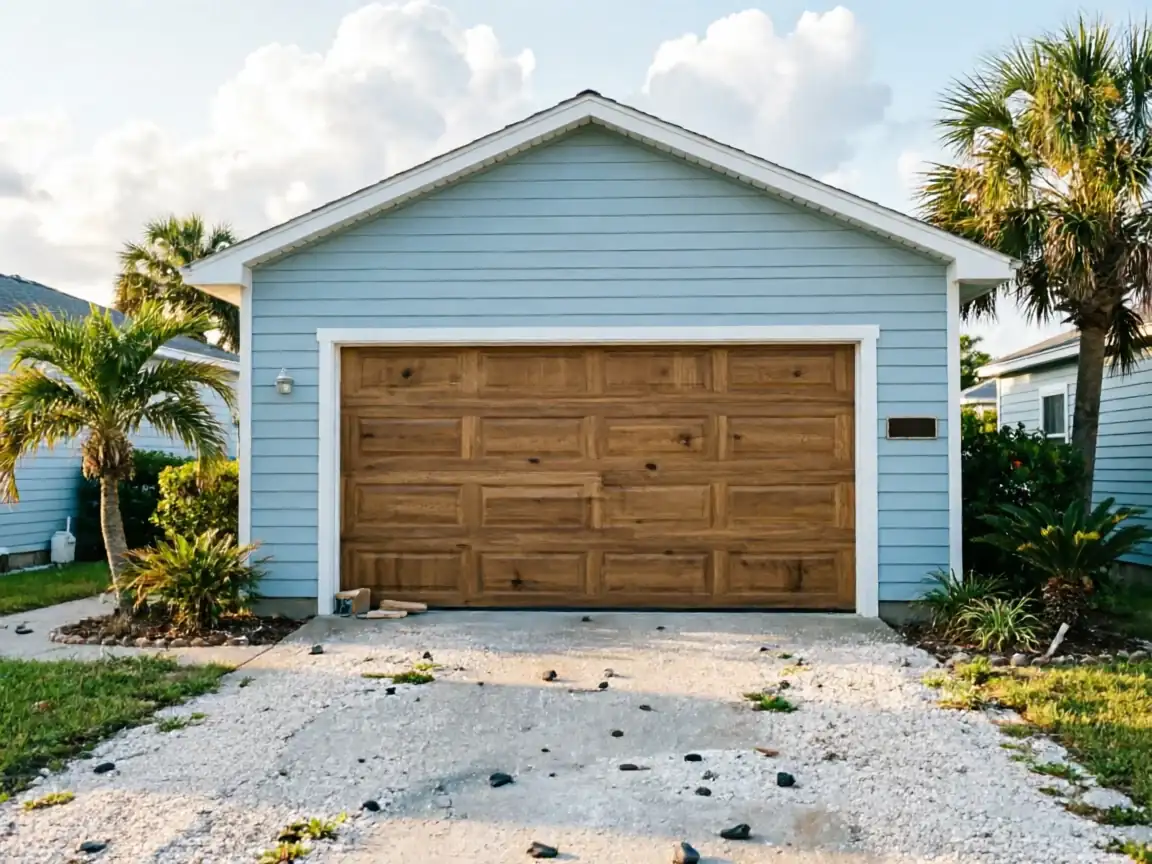
The mild temperate climate here doesn't put the same stress on a door that you'd see somewhere with hard freezes or heavy snow load, so nobody's torsion spring is seizing up from cold. But mild doesn't mean irrelevant. A garage attached to a house in this heat and humidity still swings 15-20 degrees hotter than the outside air on a still afternoon if the door has nothing inside it, and that heat moves straight into whatever room shares a wall with the garage. Homes in - all within a few miles - sit on the same build-era stock, so this isn't an isolated issue on one street. It's a function of when the neighborhood went up, not where it went up.
What to Check
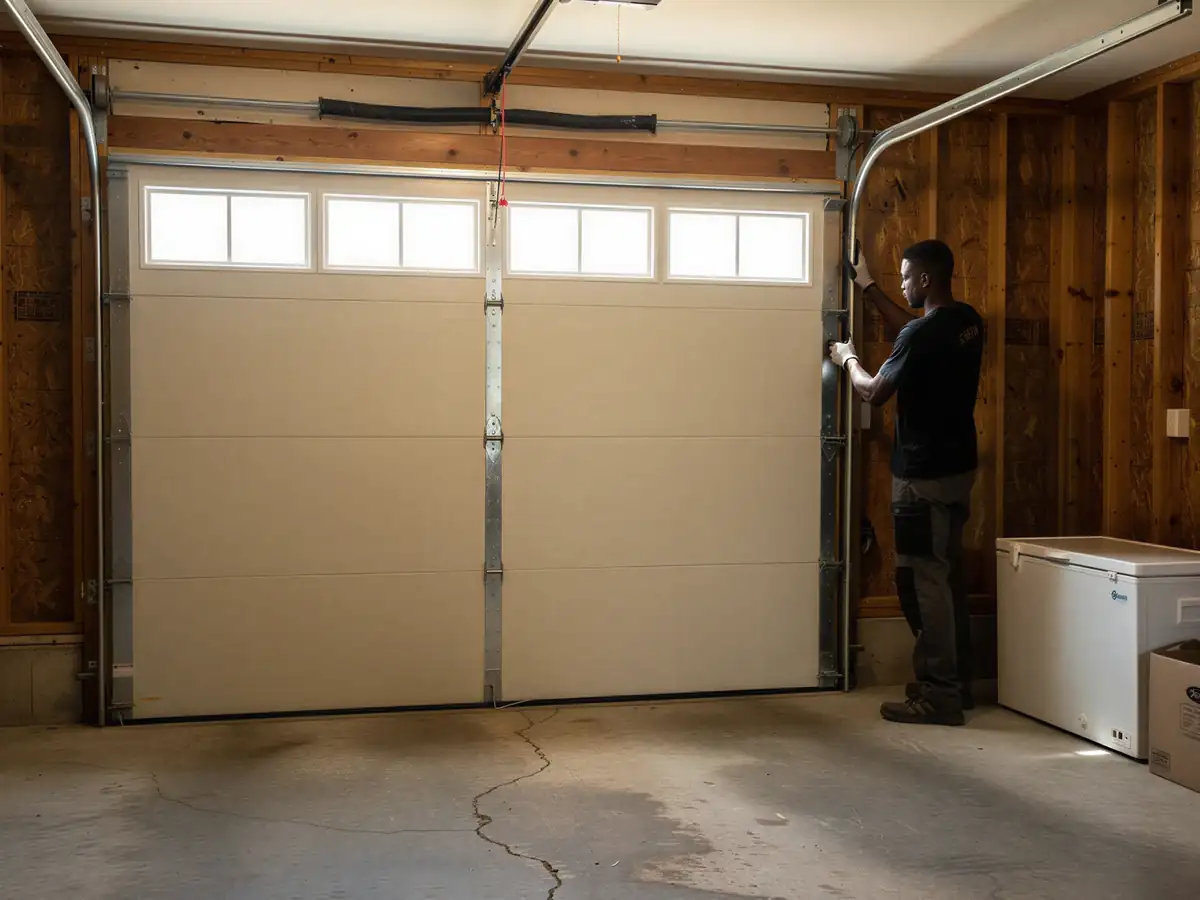
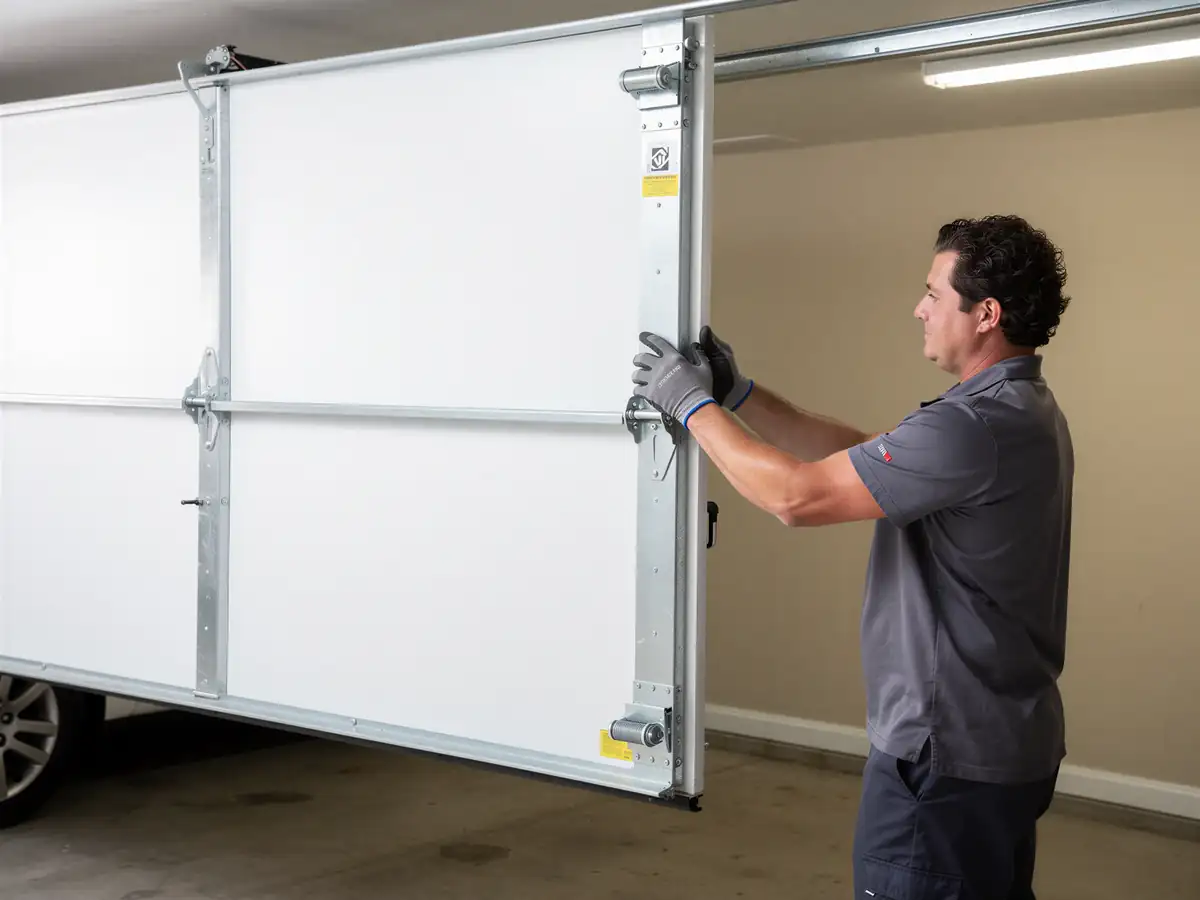
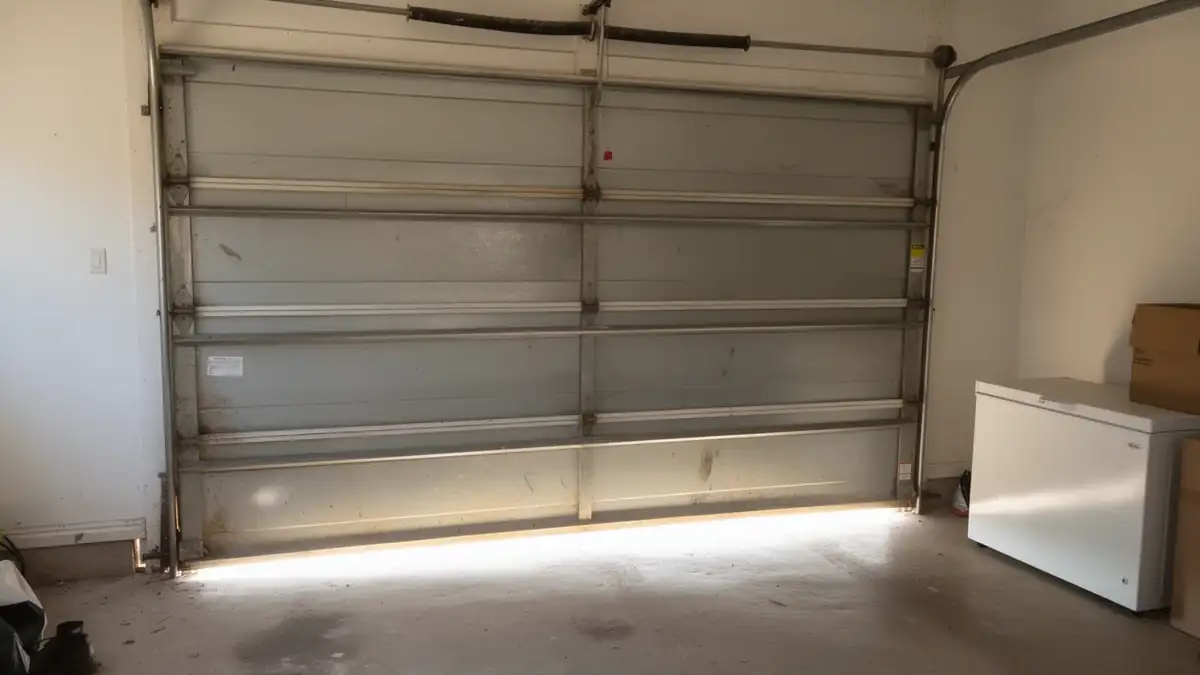
Open the door and look at the inside face of the panel, not the outside. If you see bare ribbed steel with nothing behind it, that door has no insulation layer - full stop. If you see a flat white or tan backer panel, or foam board glued between the inner and outer skin, it's insulated, regardless of what year you think it was installed.
Knock on the panel. A hollow, tinny sound means a single steel skin. A dull, flatter sound usually means there's a core behind it.
Feel the inside of the door on a hot afternoon, then feel an interior wall. If the door is noticeably hotter to the touch, that's heat moving through a single layer of metal with nothing to slow it down.
Check the bottom corners and the spots where panels meet. Gaps here let air move past the door even when it's shut, which matters more in a house where the garage is tucked right up against living space.
Look at the date sticker if there is one, or check the opener's install date if that's been replaced. It won't tell you the door's age directly, but it narrows the window.
What Most People Get Wrong
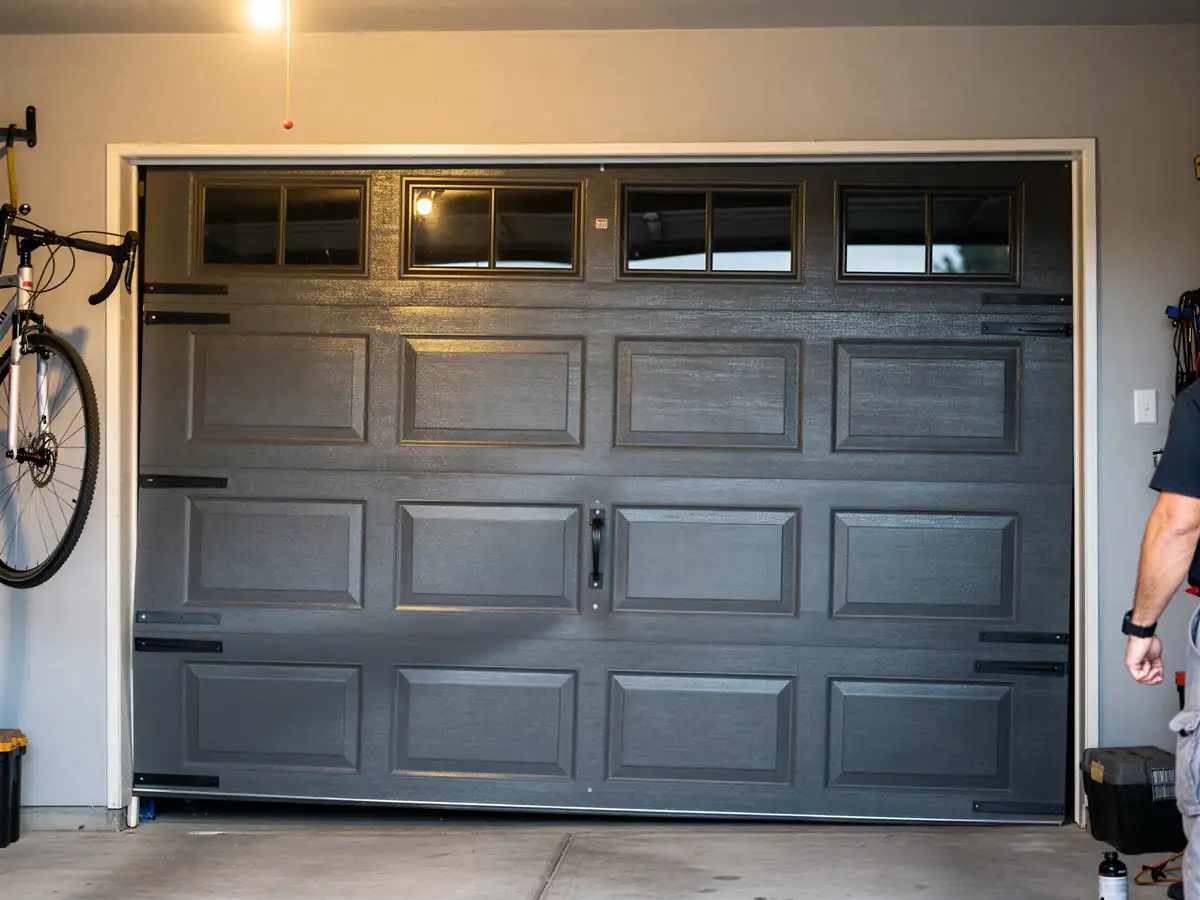
The most common mistake is assuming a door that looks fine on the outside must be fine on the inside
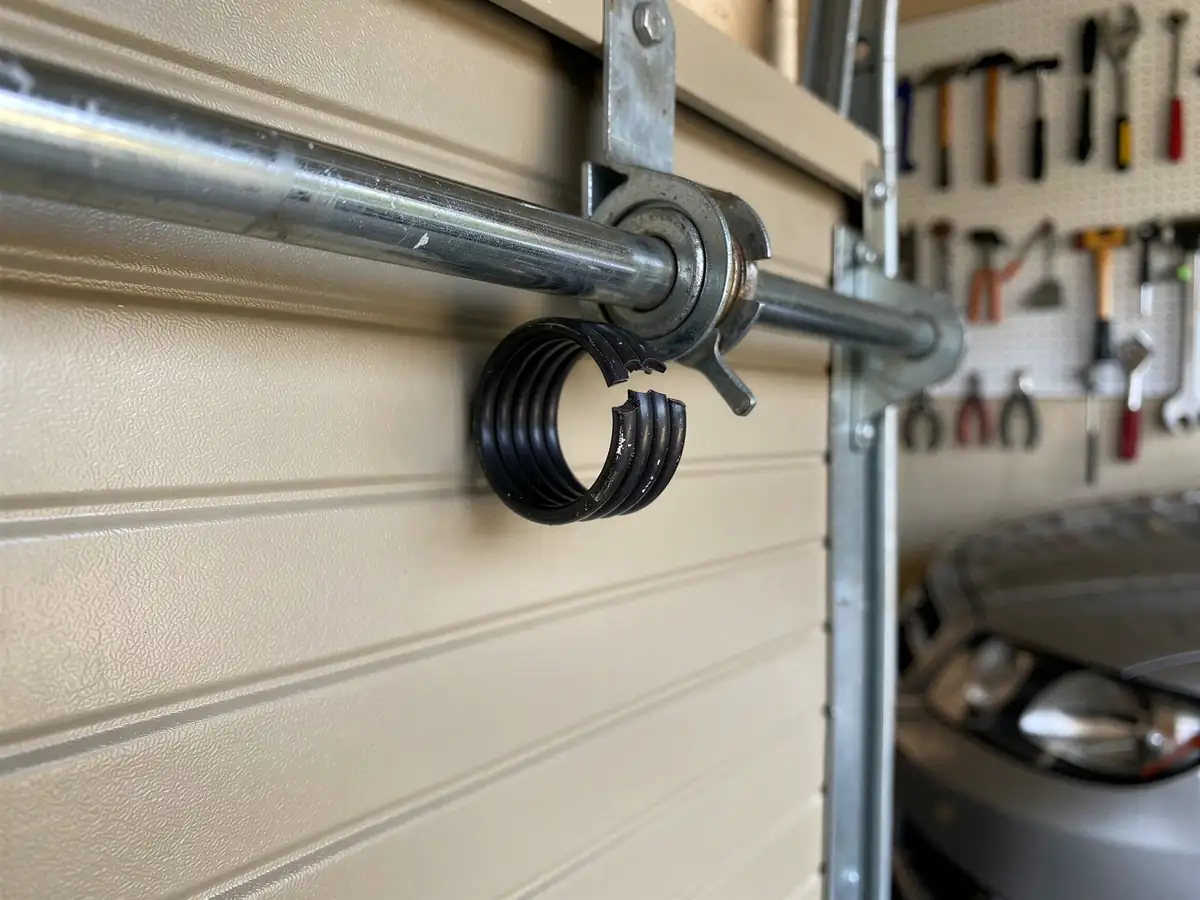
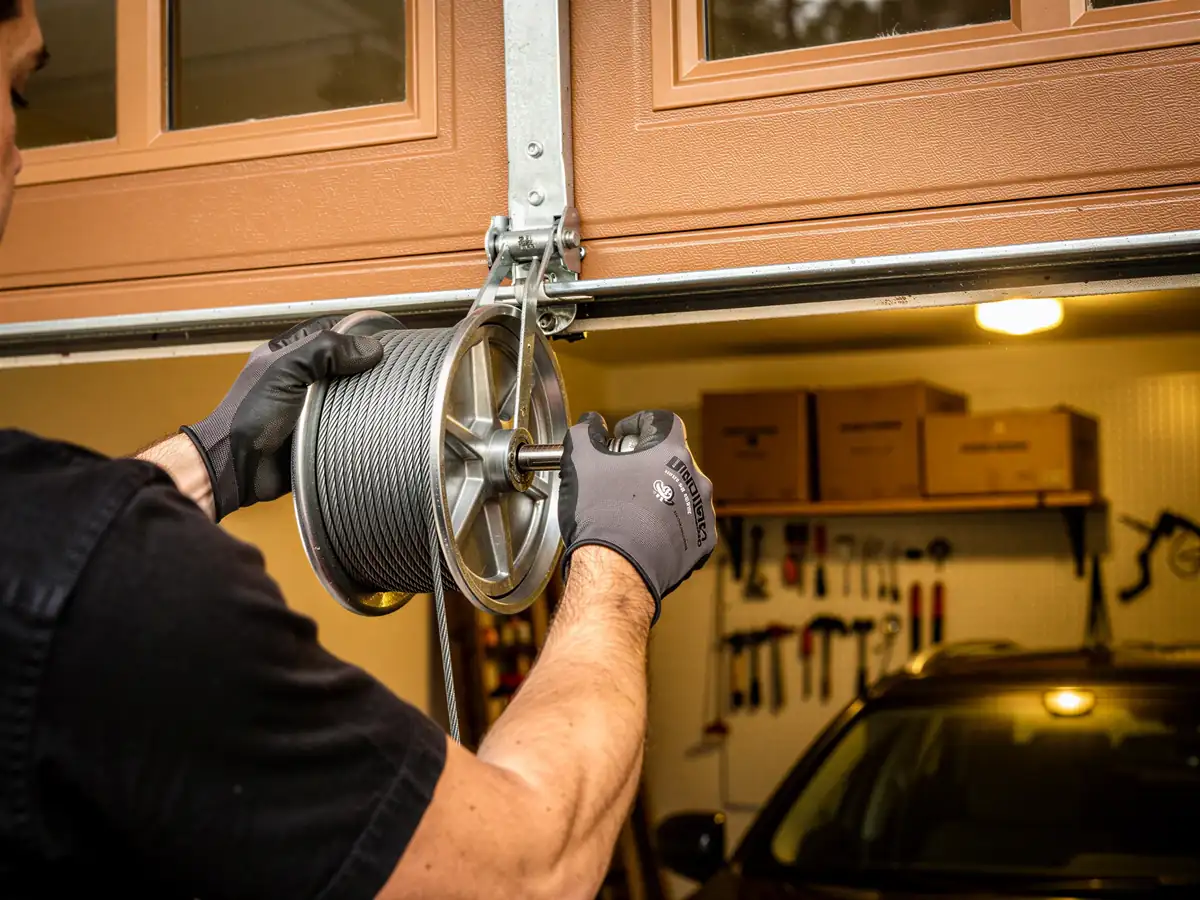
Paint hides a lot. Owners also assume that if the door opens and closes smoothly, there's nothing to address - but a smooth-running door and an insulated door are two different things entirely, and a spring or roller job does nothing for either heat or noise coming through the panel.
The second mistake is assuming the mild climate here makes insulation a non-issue
People move from colder states and figure a Florida garage doesn't need to worry about what's inside the door the way a Minnesota garage would. That's backwards for this climate - the issue isn't keeping cold out, it's keeping a hot, humid garage from pushing heat into an attached room or AC-adjacent wall for most of the year.
The third is price-first thinking: assuming every uninsulated door needs full replacement
Sometimes it does. Sometimes the door itself is structurally fine and the better call is leaving it alone and addressing the room next to it instead. We won't tell you to replace a door that doesn't need it just because it's old.
What Is Going On
With roughly 34,535 owner-occupied houses across this area, most built in that 1970-2006 window and clustered heavily in the 1980s and '90s, a meaningful share of the housing stock predates the point where insulated doors became standard rather than optional. That's not a guess about any one house - it's the shape of the stock itself, and it means a lot of original doors out there are single-layer steel with no backer, exactly as they came from the factory decades ago.
At a median household income of $73,129 across 77,337 households, most owners here are making a practical call, not a luxury one, when they look at an old door: patch it, replace a section, or swap the whole thing. We don't have a standard price to quote without seeing the door and the opening - door sizes, hardware condition, and insulation grade all move the number, and giving a flat figure without a look would be guessing.
The honest limitation here is that insulation alone rarely justifies a full replacement on its own. If the door is otherwise sound, spending on insulation retrofit kits or addressing the shared wall often makes more sense than tearing out a working door.