What Local Conditions Do
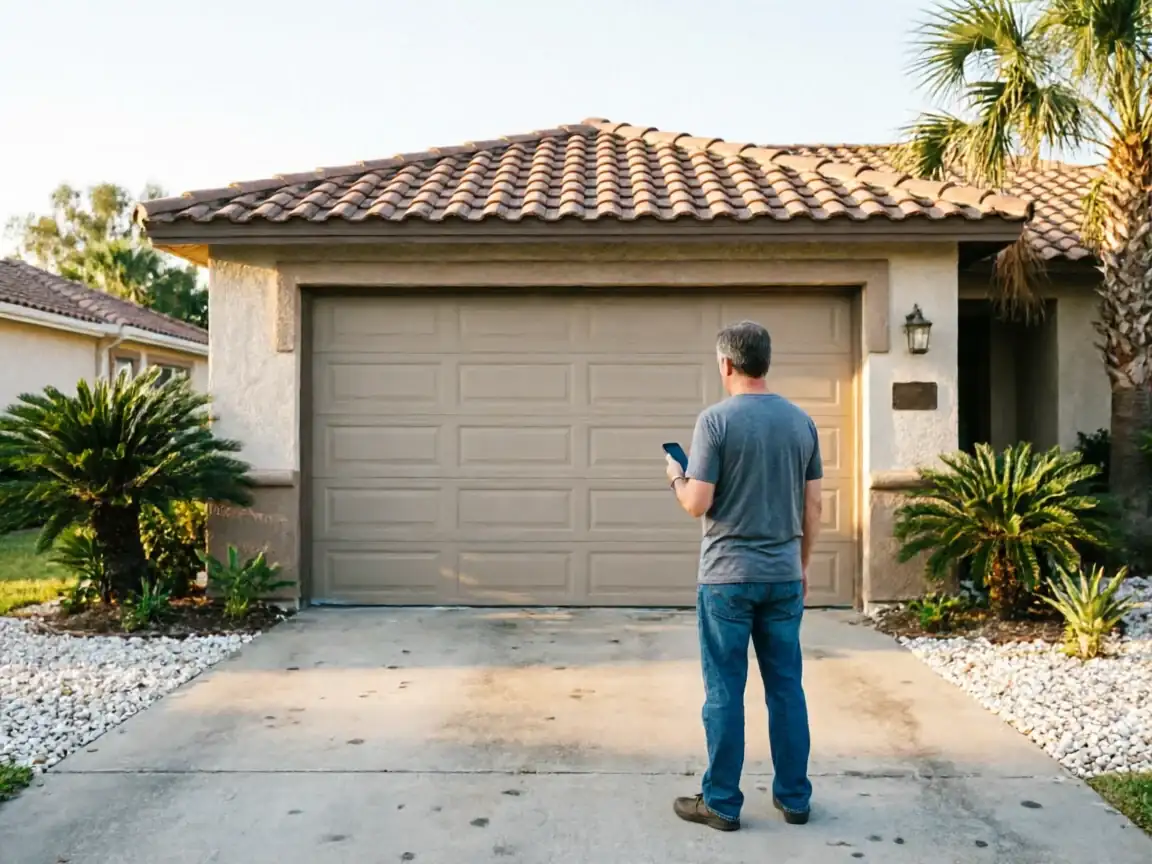
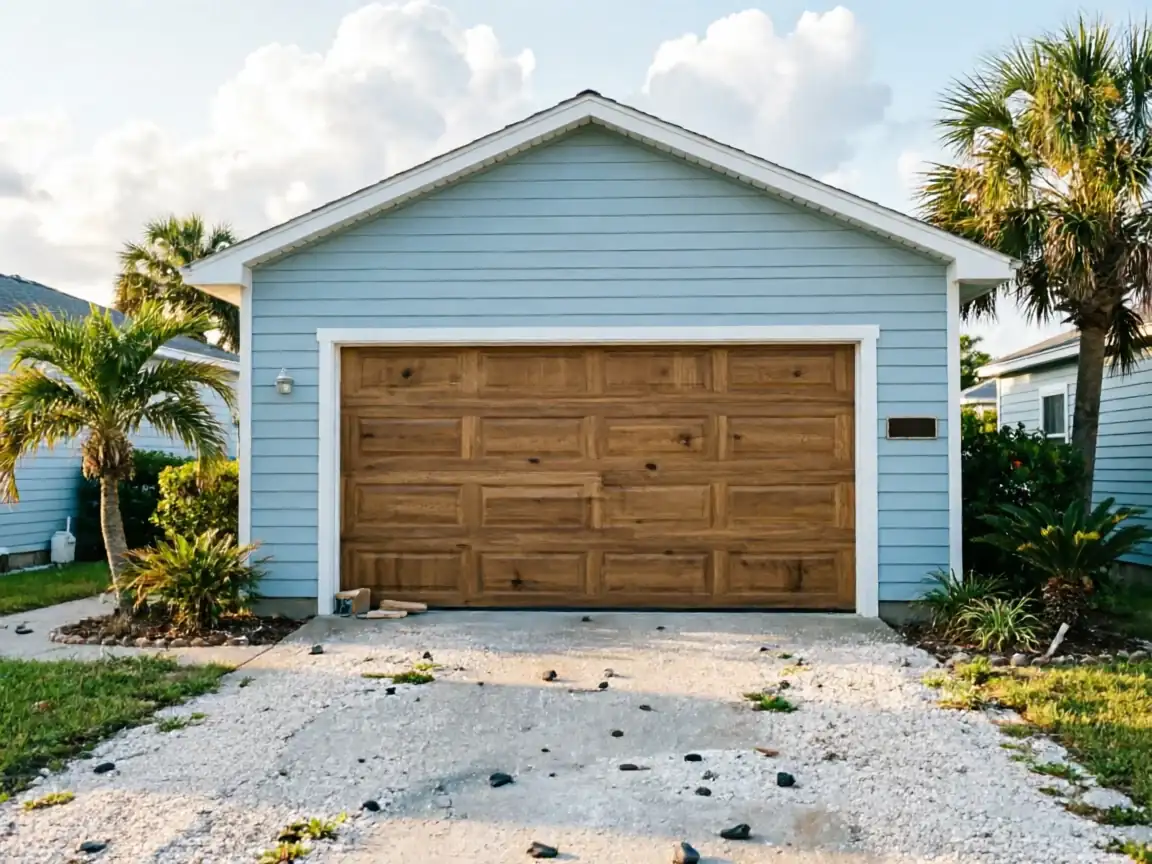
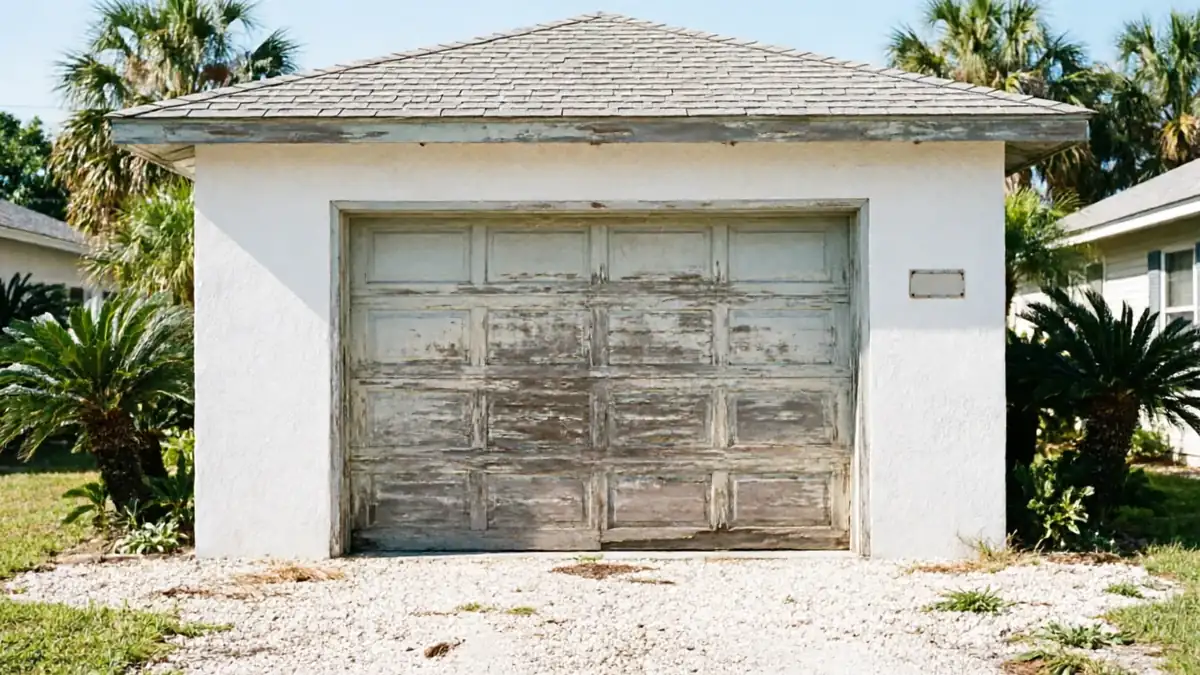
Most houses in Lehigh Acres went up between 1970 and 2006, with the typical year sitting around 1986, so the garage door and opener hardware on a lot of these homes is already pushing toward its expected service life. That matters more here than the calendar suggests, because Lehigh Acres sits in a mild temperate band, so you're not fighting freeze-thaw cracking here - the wear you see comes from heat and humidity breaking down lubricant and lifting paint, not frost heave. Steel panels don't crack from cold; they rust from the inside out where condensation sits on untreated edges, and extension springs stretch and sag faster in sustained heat than they would somewhere with a real winter. Openers suffer too - circuit boards and capacitors run hotter in a non-insulated garage that never cools off overnight, which shortens the life of the motor unit even if the door itself looks fine. None of this shows up as a dramatic failure. It shows up as a door that gets a little louder, a little slower, and a little harder to trust every season, until one day the spring lets go or the opener just stops responding to the remote.
What to Check
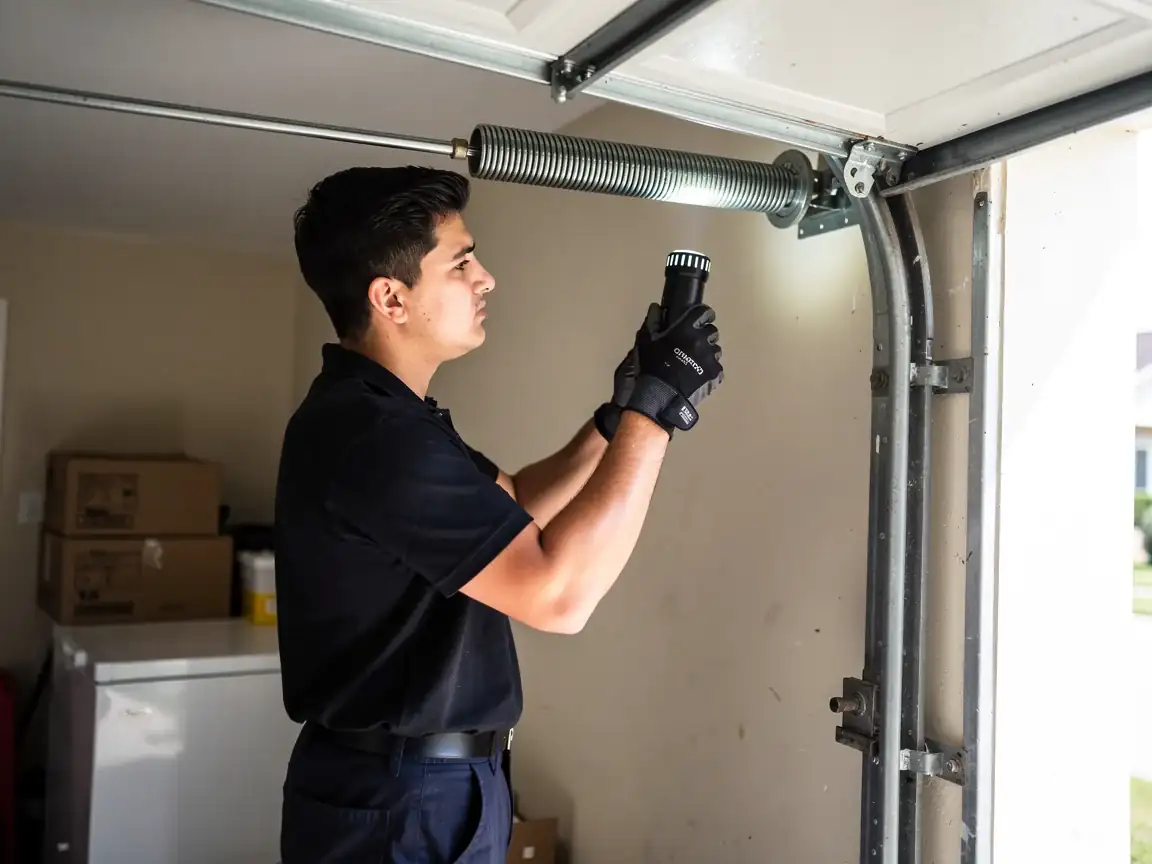
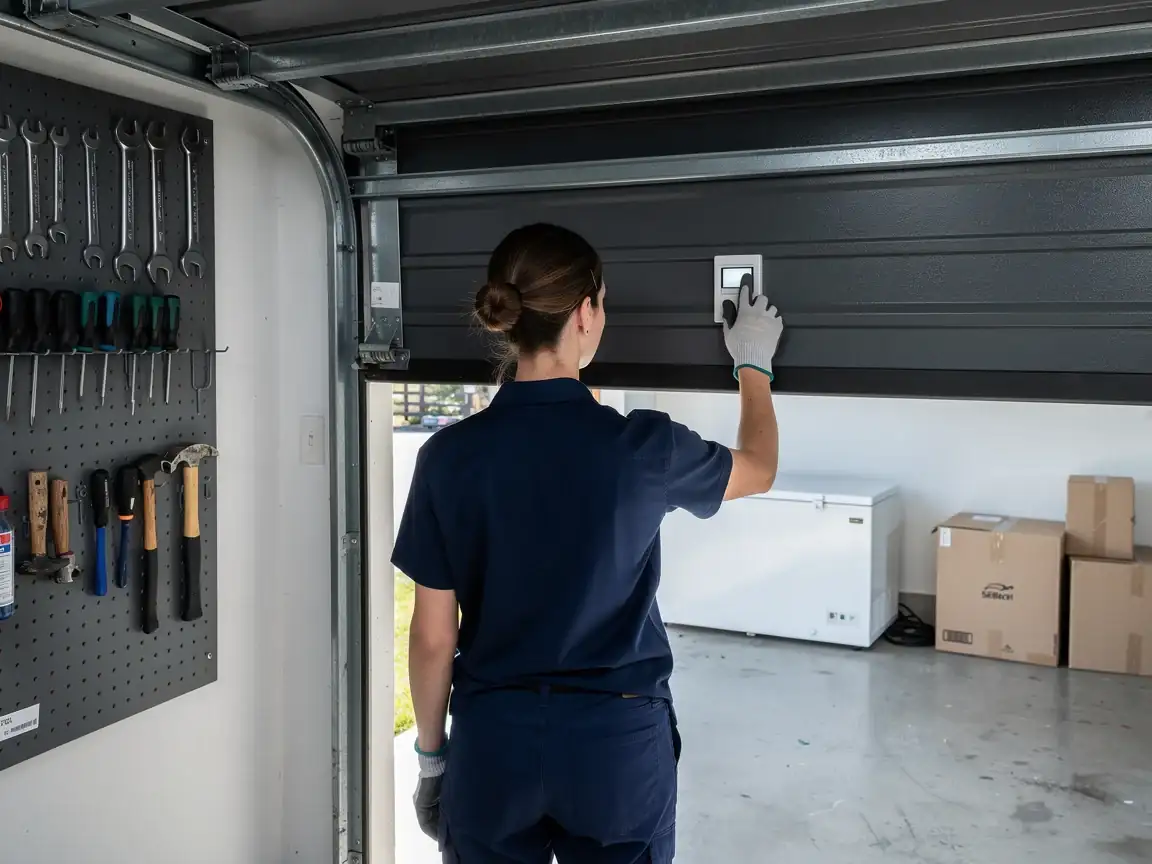
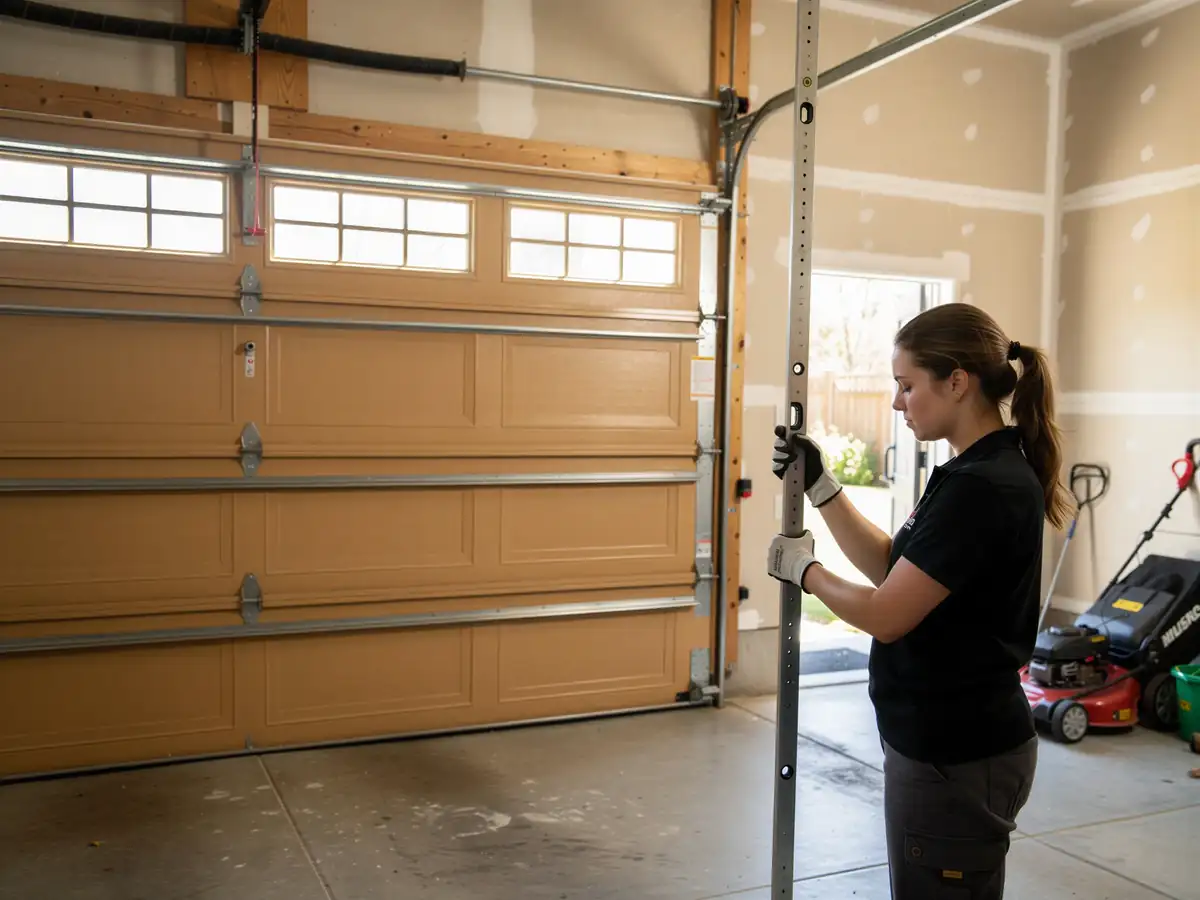
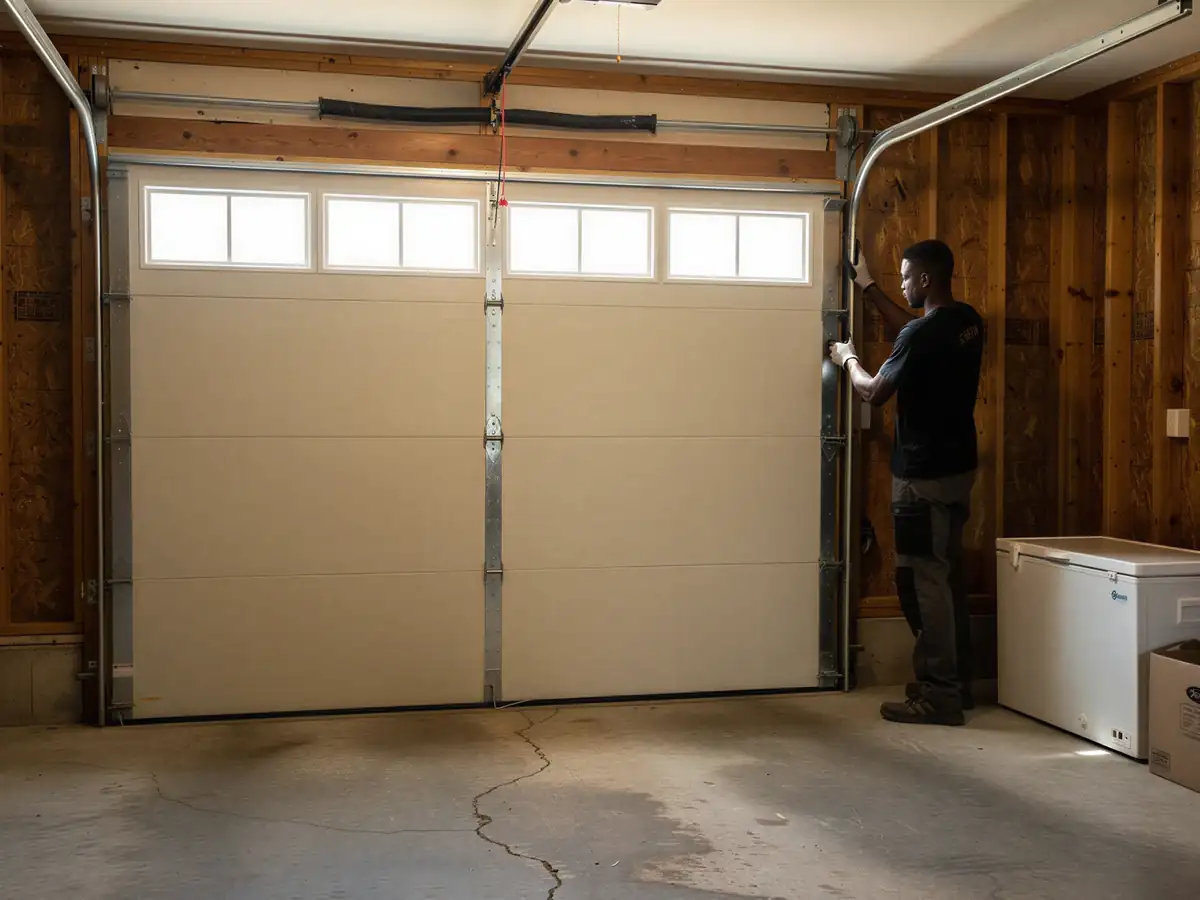
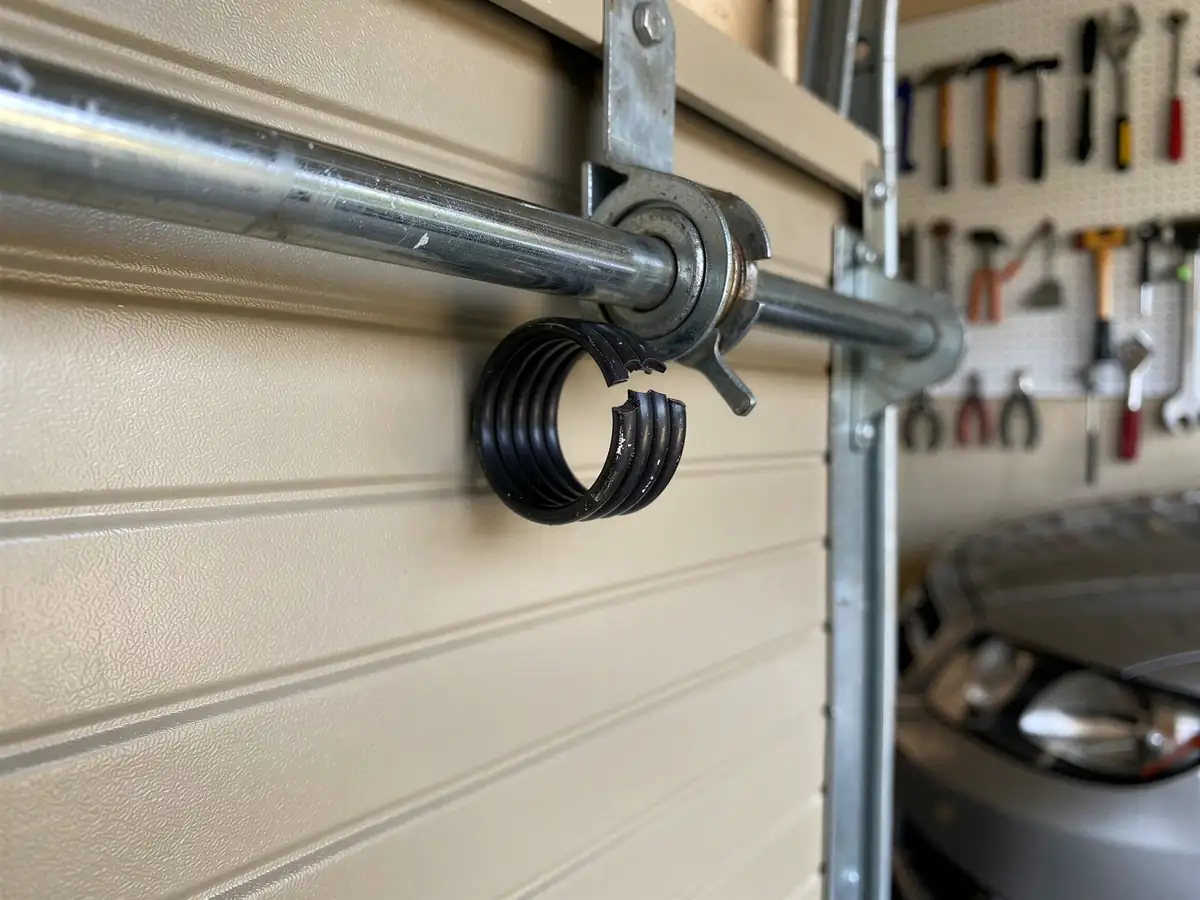
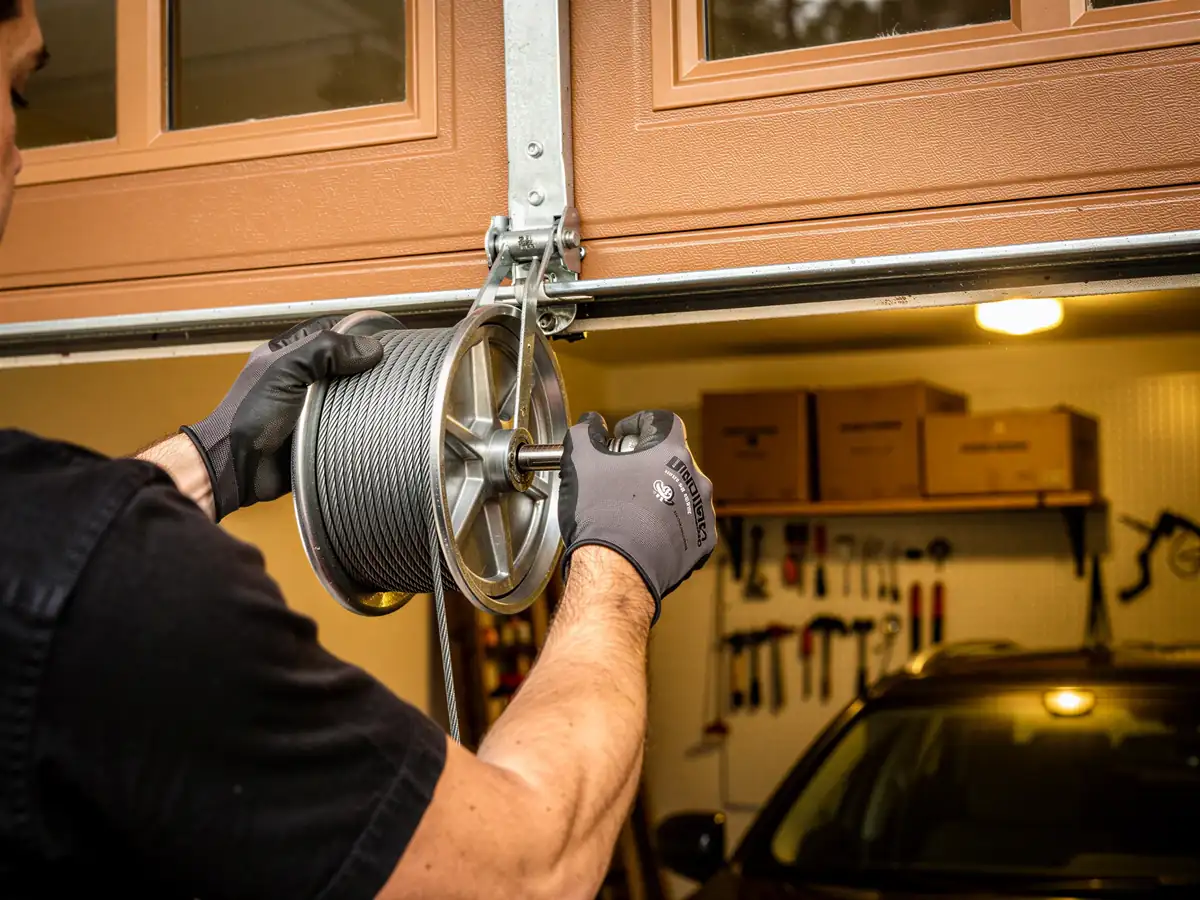
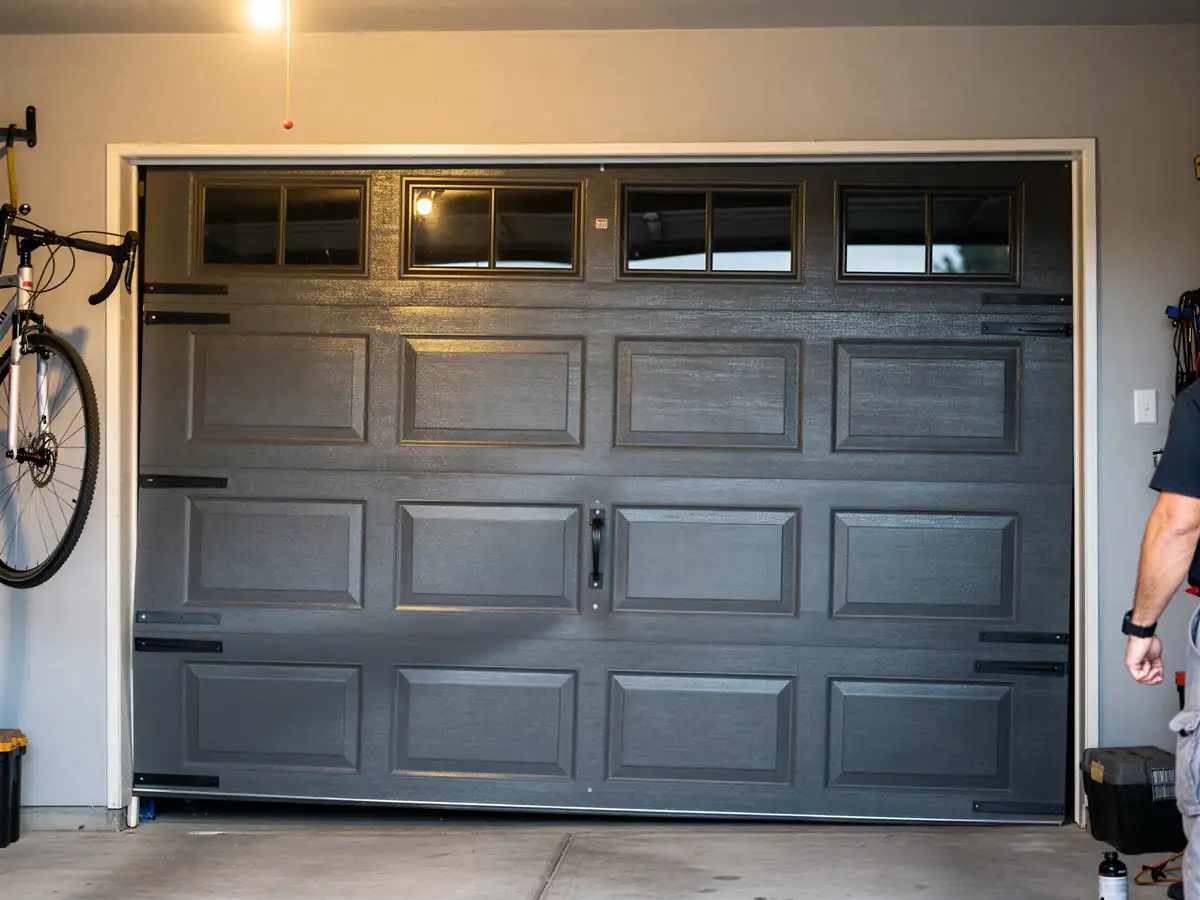
Start with the spring, not the opener - it's usually the spring that fails first on a door from the 1980s or 90s stock common across this service area's 18 named sections. Look for a visible gap in the coil or a door that feels heavier than it used to when you lift it by hand with the opener disconnected. Next, check the rollers: on an original setup they're often still steel, not nylon, and steel rollers on steel track wear loud and eventually bind. Run a hand along the bottom two panels for rust bubbling under the paint - humidity gets in at the weld seams first. Check the opener's travel limits and force settings; a motor that's been straining against a stiff spring for years will often reverse unexpectedly or stall partway up, and that's wear showing up in the gears, not a simple adjustment fixing it. Finally, look at the wall button and sensor wiring - older low-voltage wiring in a hot garage can crack at the insulation over the years. None of these checks require tools beyond a flashlight and a tape measure, but they tell you whether you're looking at a one-part fix or a door nearing the end of its working life.
What Is Going On
A big share of the housing stock in Lehigh Acres and the surrounding areas - Gateway, Buckingham, Olga, Alva, and the rest out to Immokalee - was built during that same 1970-2006 run, which means a wave of original garage door hardware is aging out at roughly the same time. That's not a coincidence; it's just what happens when a town grows in one or two big building decades rather than steadily over a century. The mild climate here has been kind to the structures themselves - no frost heave, no deep freeze cracking concrete slabs - but it's been hard on moving metal parts and lubricants, which is why springs and openers tend to fail before panels do. We don't rebuild opener circuit boards on site - once the logic board itself has failed, that's a replacement call, not a repair, and we'll tell you that up front instead of running up a bill chasing a fix that won't hold. The honest version of this page is that a door's worth fixing right up until the point where the next failure would cost more than starting over, and that point looks different on every driveway.