How Long You Are Without the Door
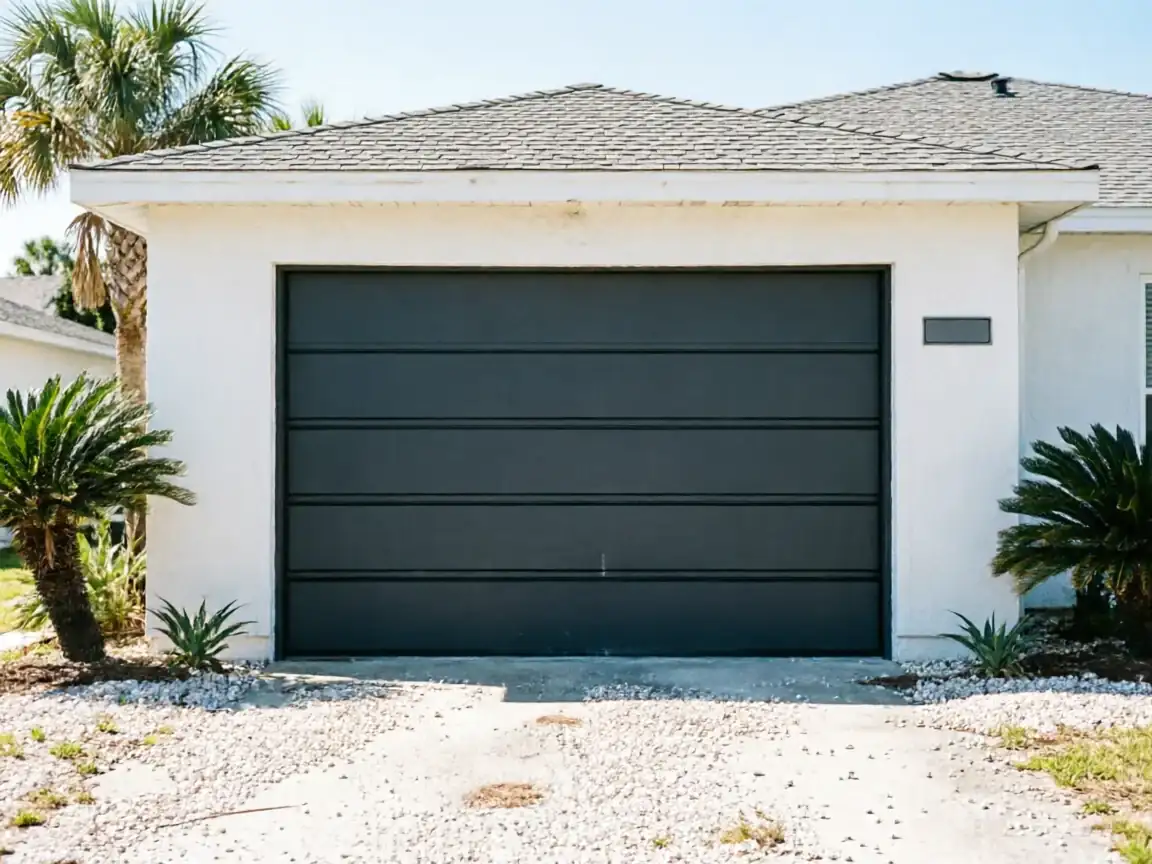
Most of the garage doors failing right now in Lehigh Acres were put in when the house was built, somewhere between 1970 and 2006, with the bulk of that stock going up in the 1980s and 90s. That means a lot of these doors are original equipment, and when the panel finally cracks or the track bends past straightening, you're not patching a two-year-old door - you're replacing something that's been carrying the same hardware for three or four decades. We don't quote a repair on a door that age if the honest answer is a new door. A patched panel on 30-year-old track steel just moves the failure point somewhere else in the same door, usually within a season.\n\nWe won't pretend a job like this is quick. Pulling an old door, checking the opening for square, and setting a new door with matched springs and track takes real time on site, not a drive-by fix. If you're down a car and need the opening secured same day, say so when you call - we'll tell you straight whether that's realistic for your door and your schedule, not just tell you what you want to hear.
What the Repair Takes
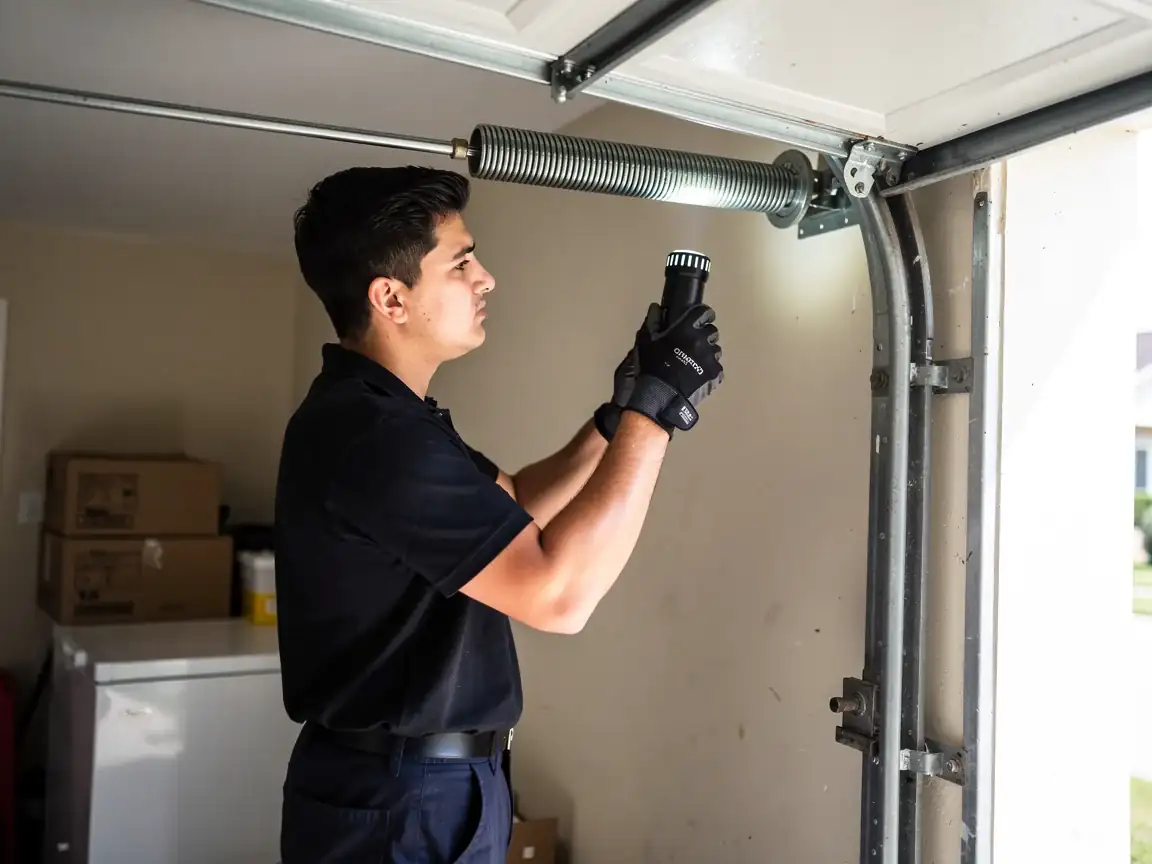
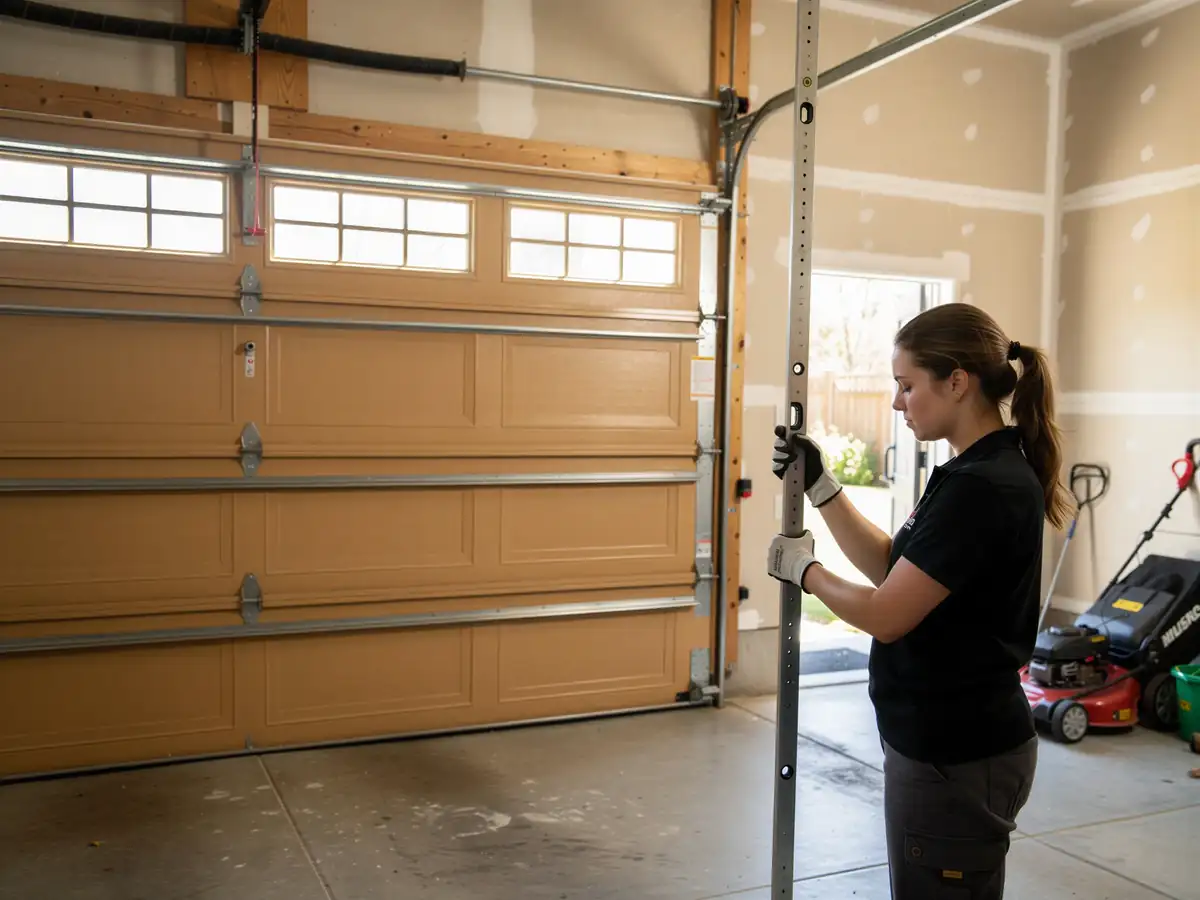
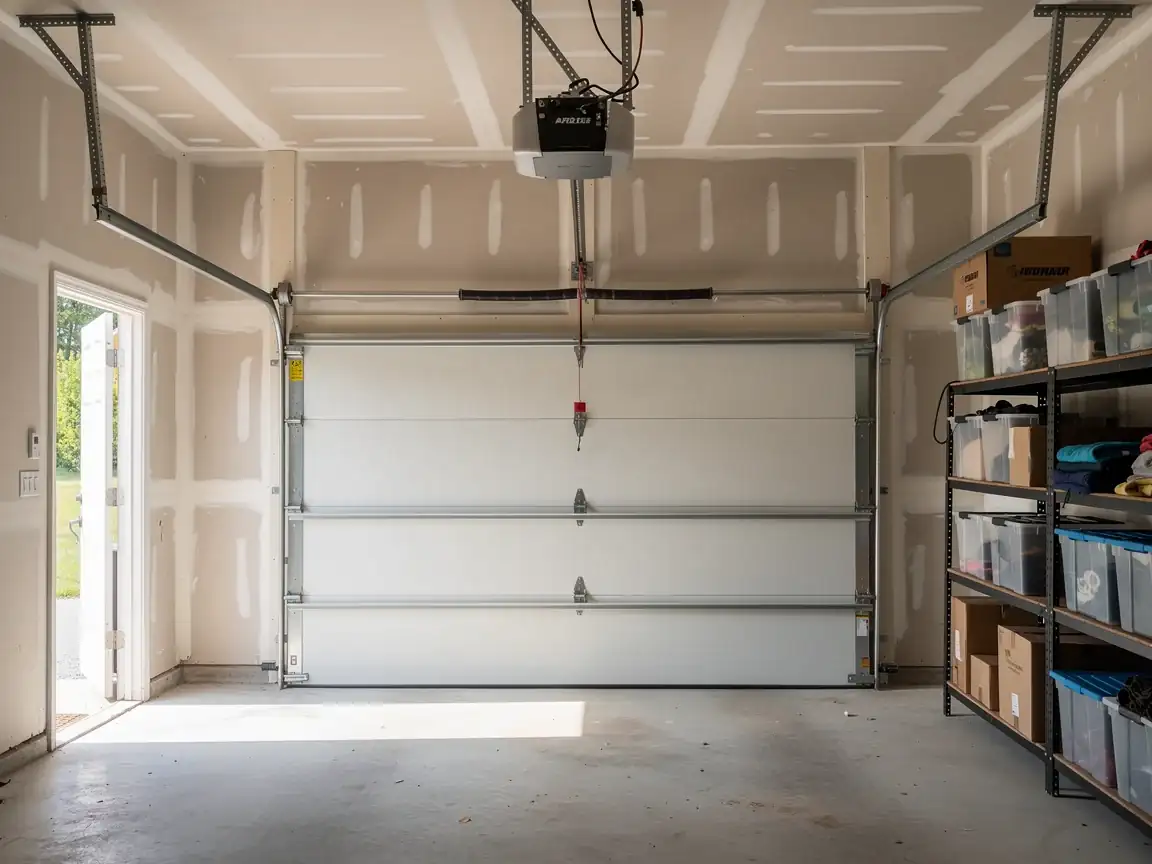
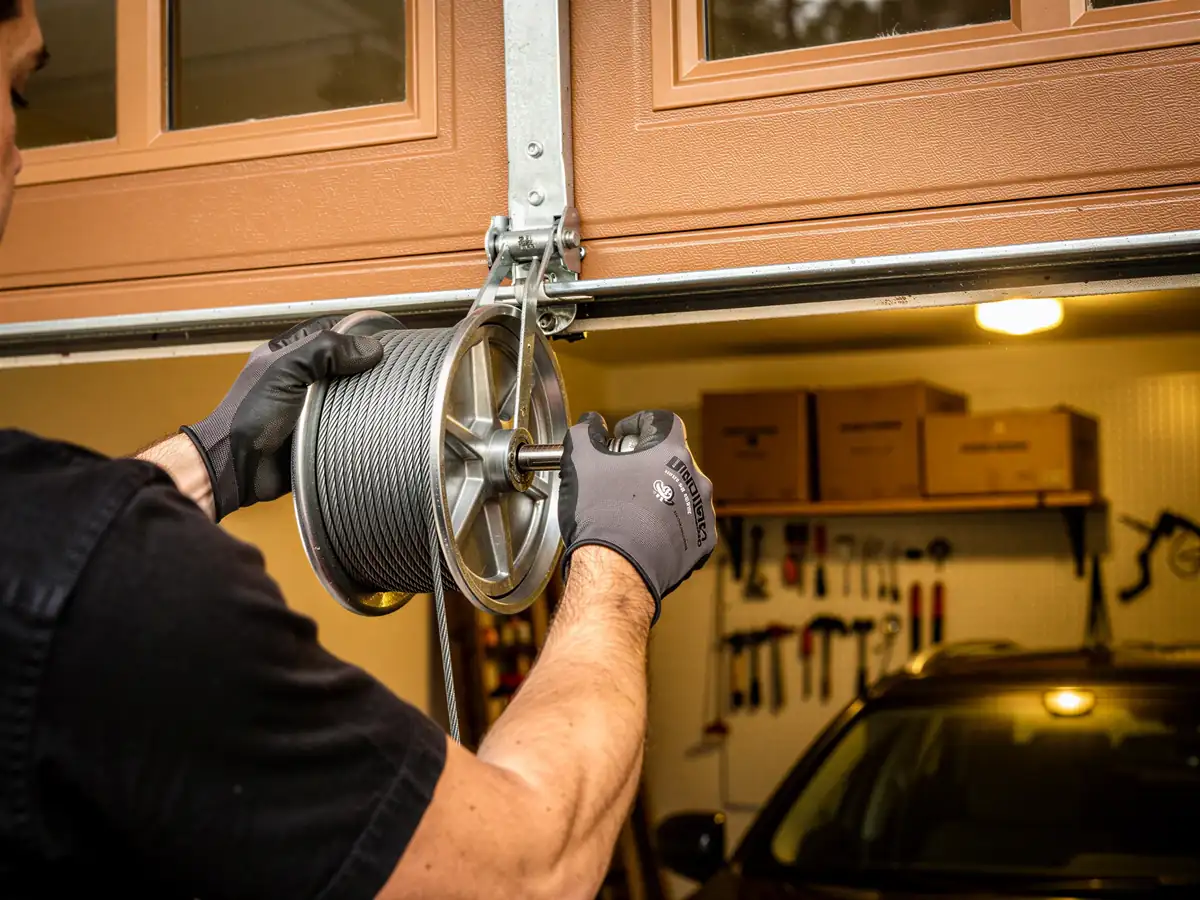
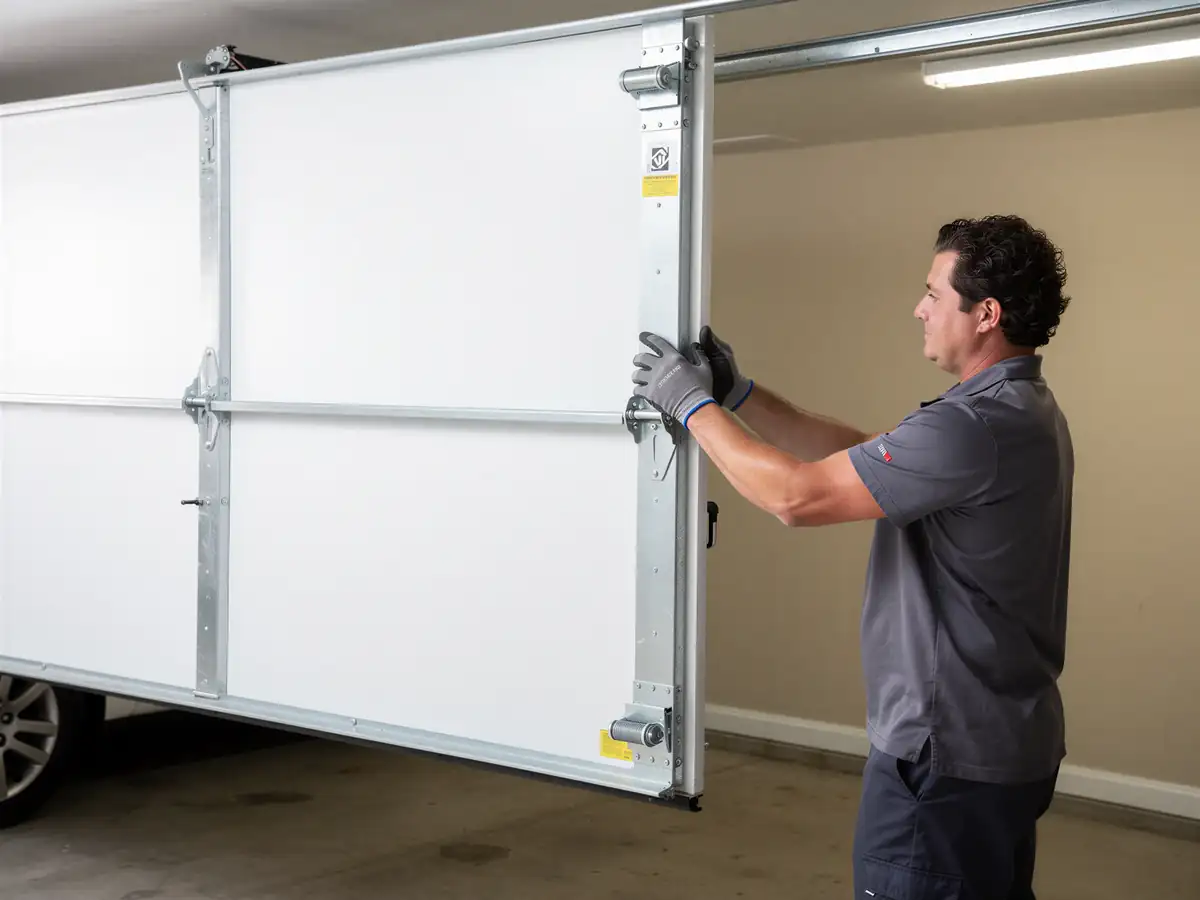
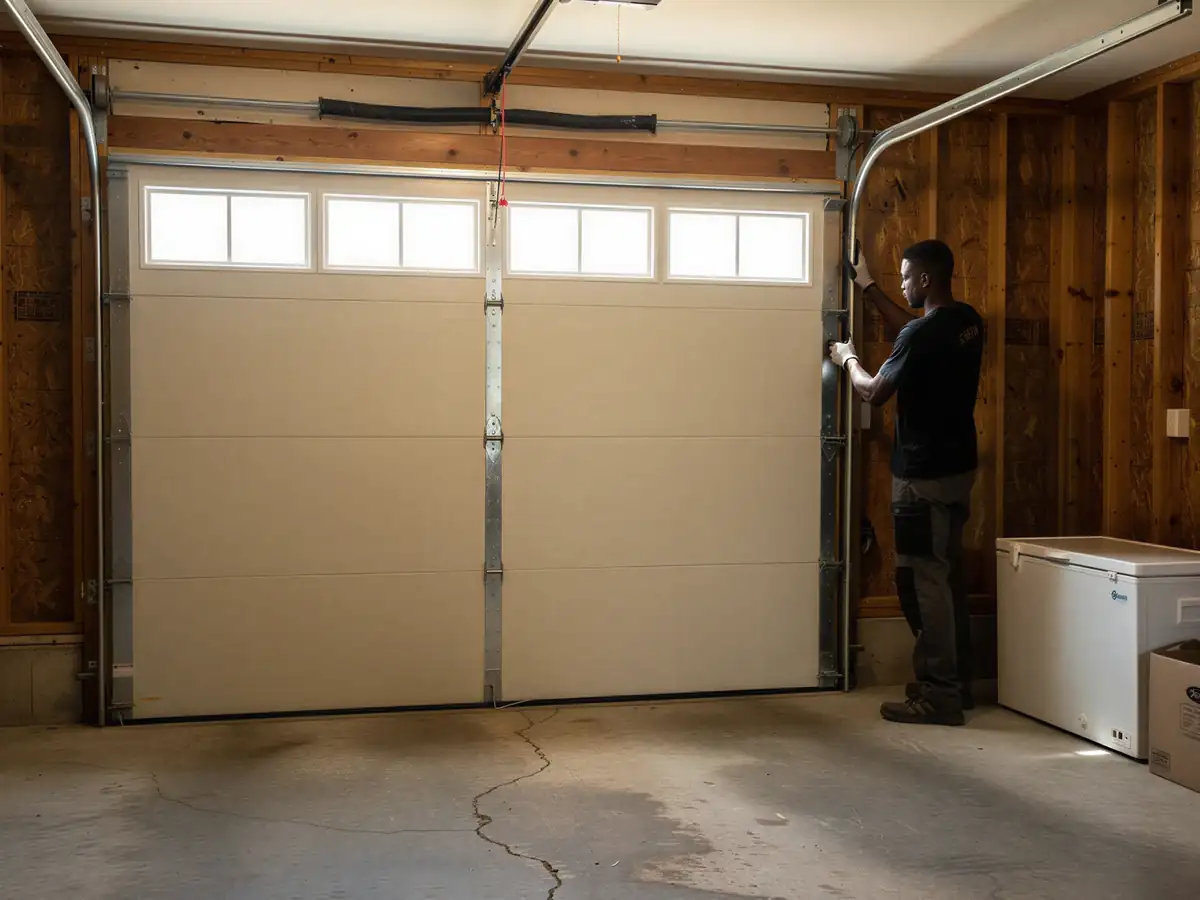
Installing a new door in this area isn't just bolting panels to the opening. Lehigh Acres sits in a mild temperate band, not a hard freeze zone, so we're not fighting ice-stiffened seals or frozen track - but humidity and heat cycling on aging steel hardware is its own problem, and it shows up as corroded hinges and rollers on doors from that 1970-2006 build window. A proper install means pulling the old track and springs entirely rather than reusing them on a new door, checking the jamb for the settling you get in slab-on-grade construction from that era, and setting new weatherstrip that actually seals against this climate rather than the bargain strip that shipped on the original builder-grade door.\n\nWe size springs and opener gauge to the actual door weight, not a generic chart, because a lot of the double doors going in now are heavier insulated steel replacing a lightweight original panel. That mismatch is one of the more common comeback calls we see, and it's avoidable at install time. One limitation worth saying plainly: custom width openings and certain insulated panel styles aren't something we keep on the truck, so those jobs run on a supplier lead time, not a same-day swap.
The Symptom
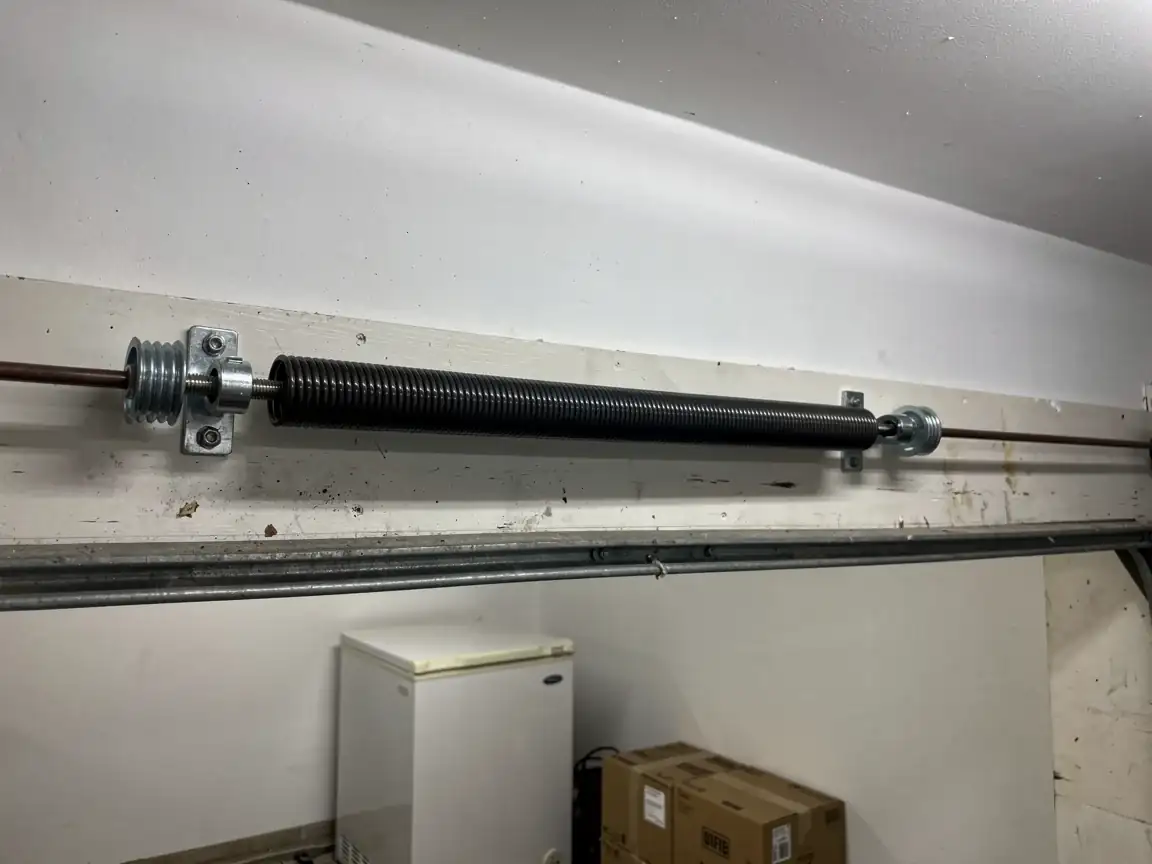
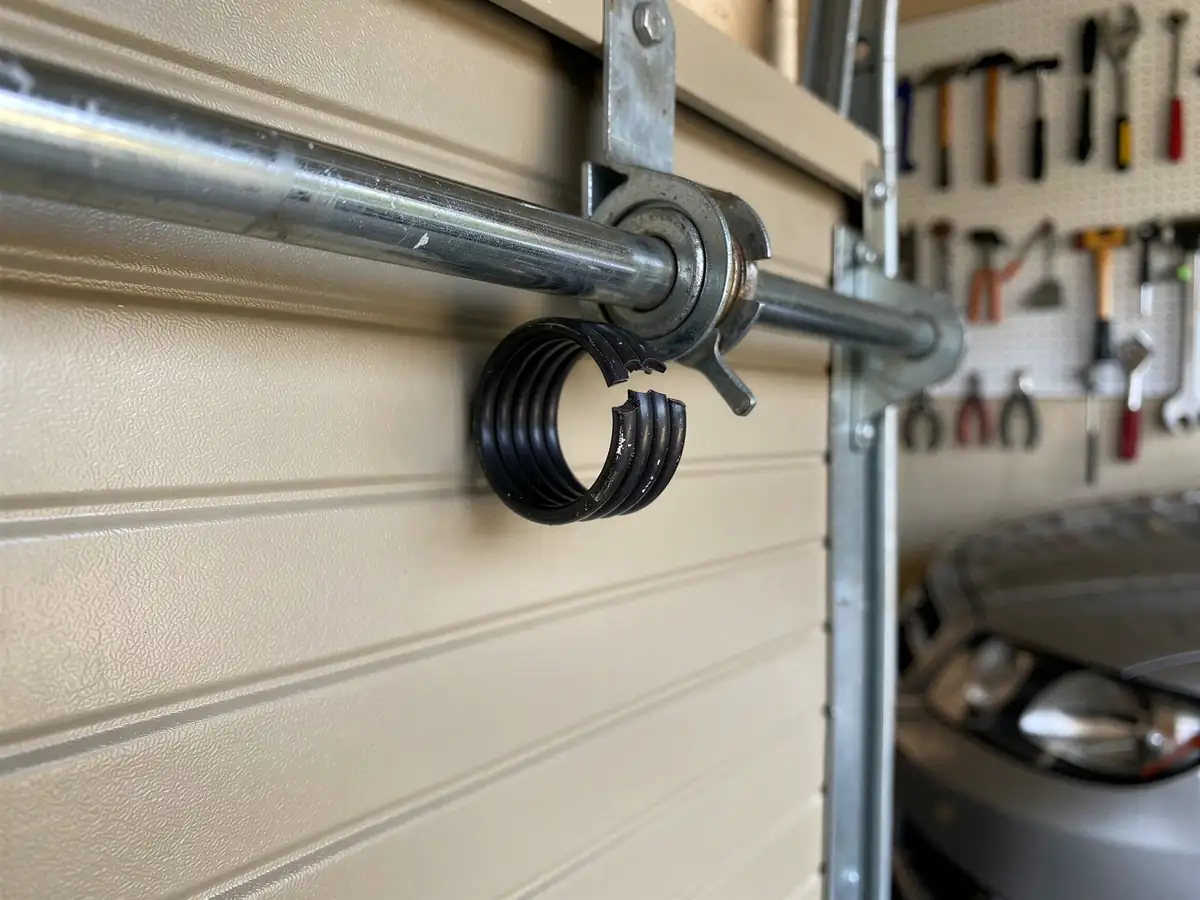
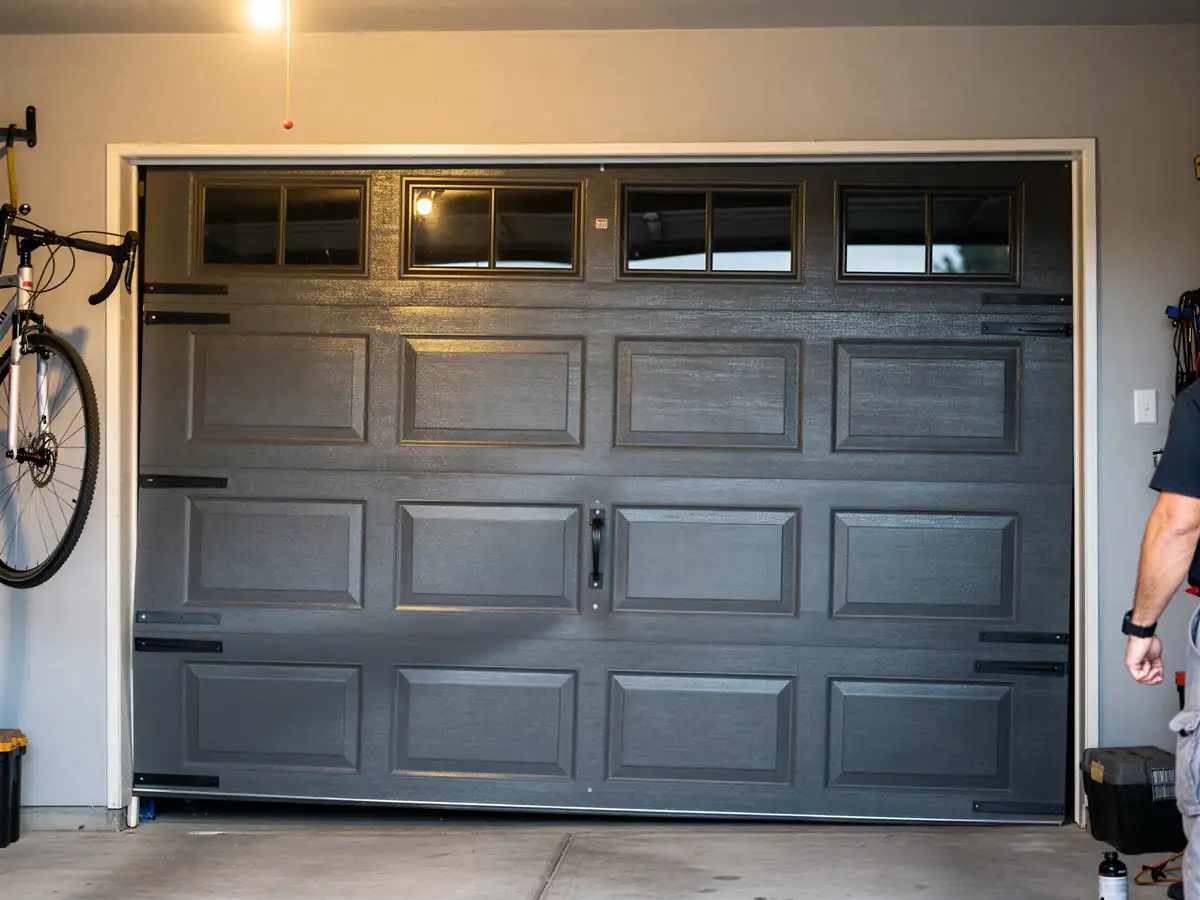
The door people call us about most isn't dramatic - it's a door that's gotten heavy to lift by hand, or an opener that strains and reverses partway up. On a door from the 1980s or 90s build era, that's almost always the spring losing tension after decades of cycling, not the opener motor failing. The giveaway is a door that drops fast when you disconnect the opener and lift it manually; a properly sprung door should sit balanced wherever you leave it.\n\nOther times it's a track that's pulled slightly out of alignment from years of panel sag, so the door binds in the same spot every time, usually a foot or two from fully closed. On original builder-grade doors from this area, thin panel steel combined with old roller hardware means that binding point gets worse, not better, with every cycle. If your door is doing either of these and it's original to a house built in that 1970-2006 window, that's not a tune-up fix - that's a door at the end of its run.