How Long You Are Without the Door
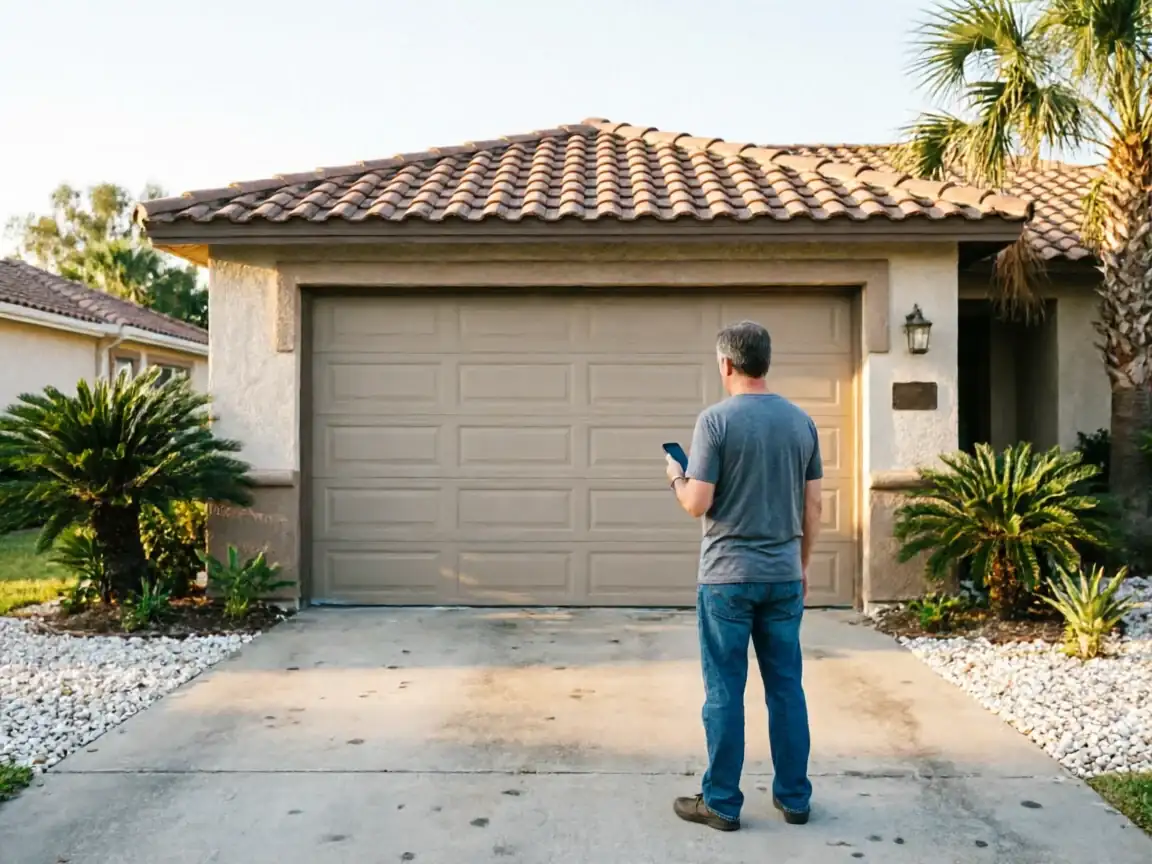
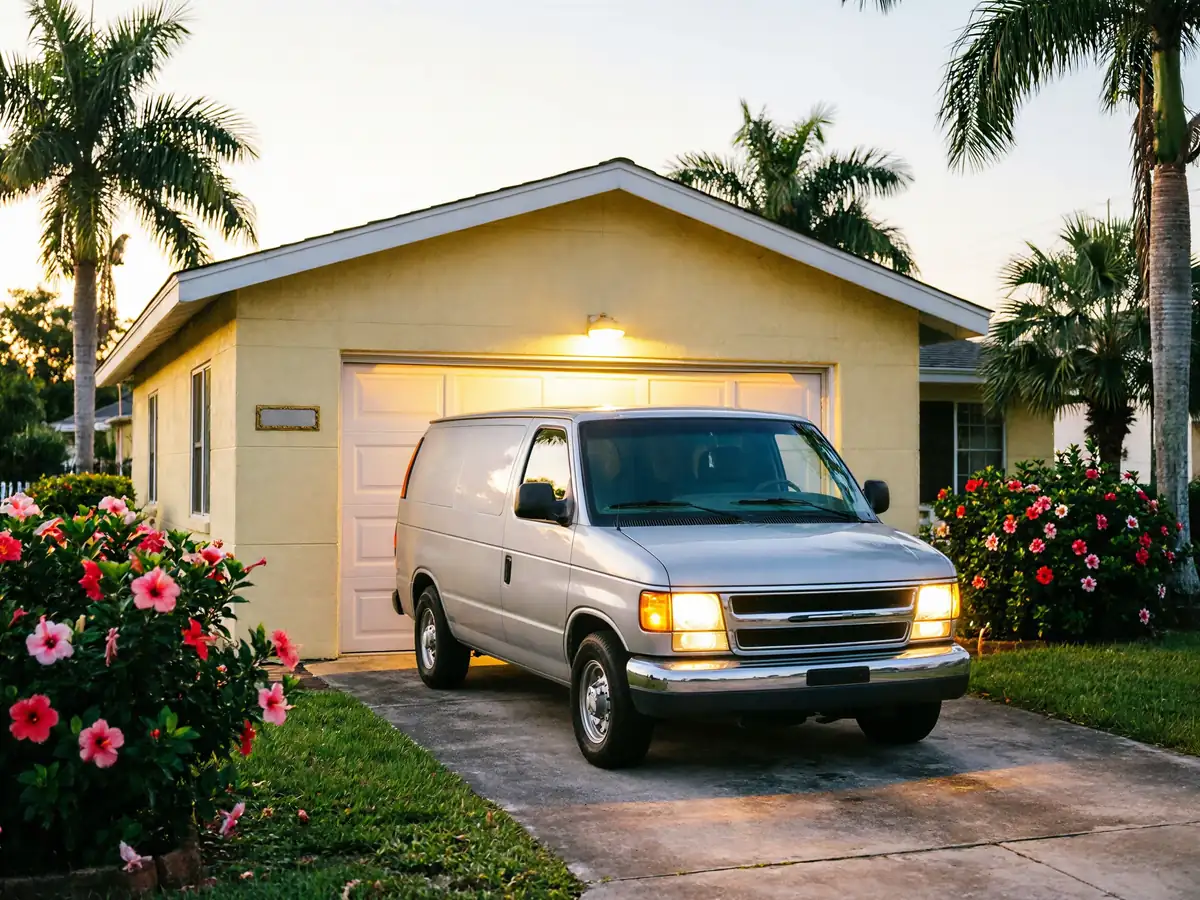
A garage door that won't open or won't close is a security problem and often a one-car-trapped problem, so the clock matters more than it does for a tune-up. We treat a dead opener, a snapped cable, or a door stuck half-open as the same priority: get a truck out, diagnose it at the house, and either fix it on the spot or tell you honestly it can't be done tonight. Most emergency calls in this area are springs, cables, or opener boards - parts we carry on the truck. What we don't always carry is a replacement panel in the exact color and profile for a door built in the 1980s or 90s, which is common stock here. If your door needs a matched panel, that's a parts-order job, not a same-visit fix, and we'll say so instead of guessing. Across the 77,337 households in this service area, the call pattern is steady: most emergencies are mechanical failure, not storm damage, because the climate here doesn't put the kind of ice or freeze-thaw stress on hardware that breaks doors in colder states. That's good news for how fast we can usually get you moving again.
What the Repair Takes
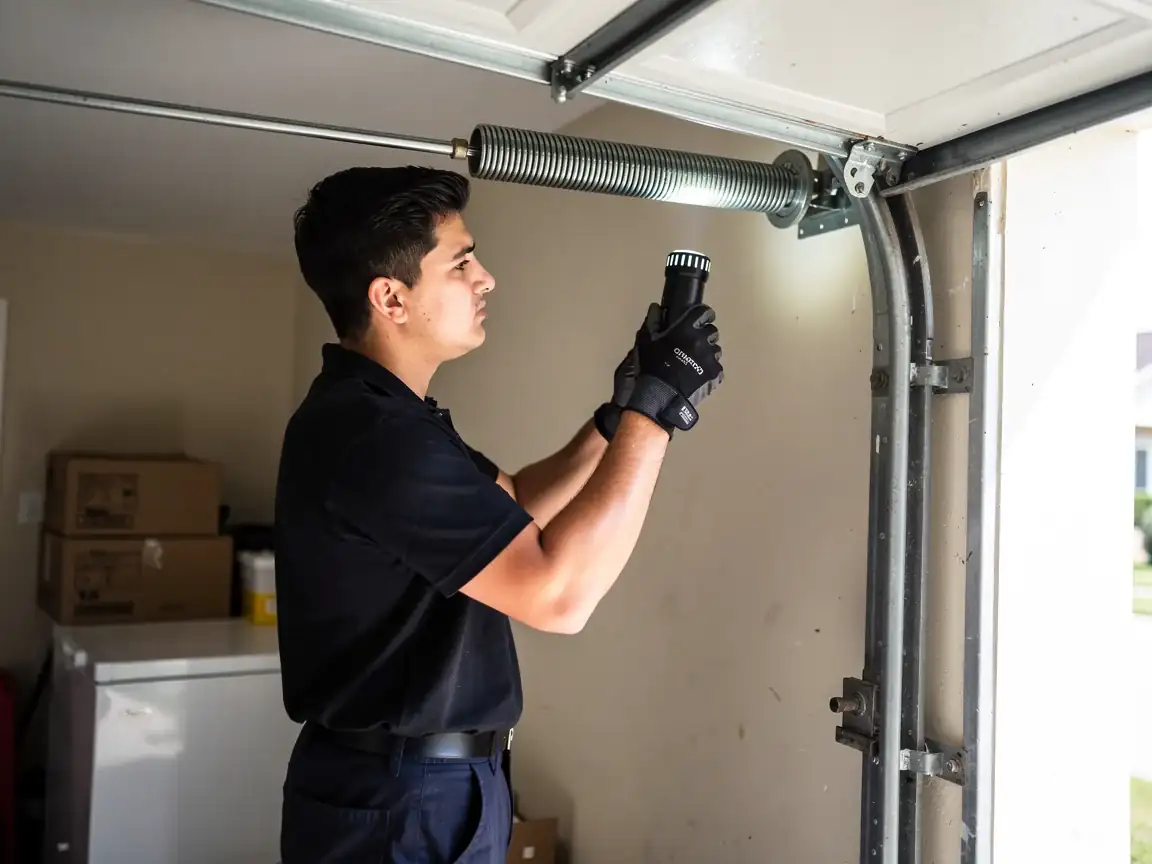
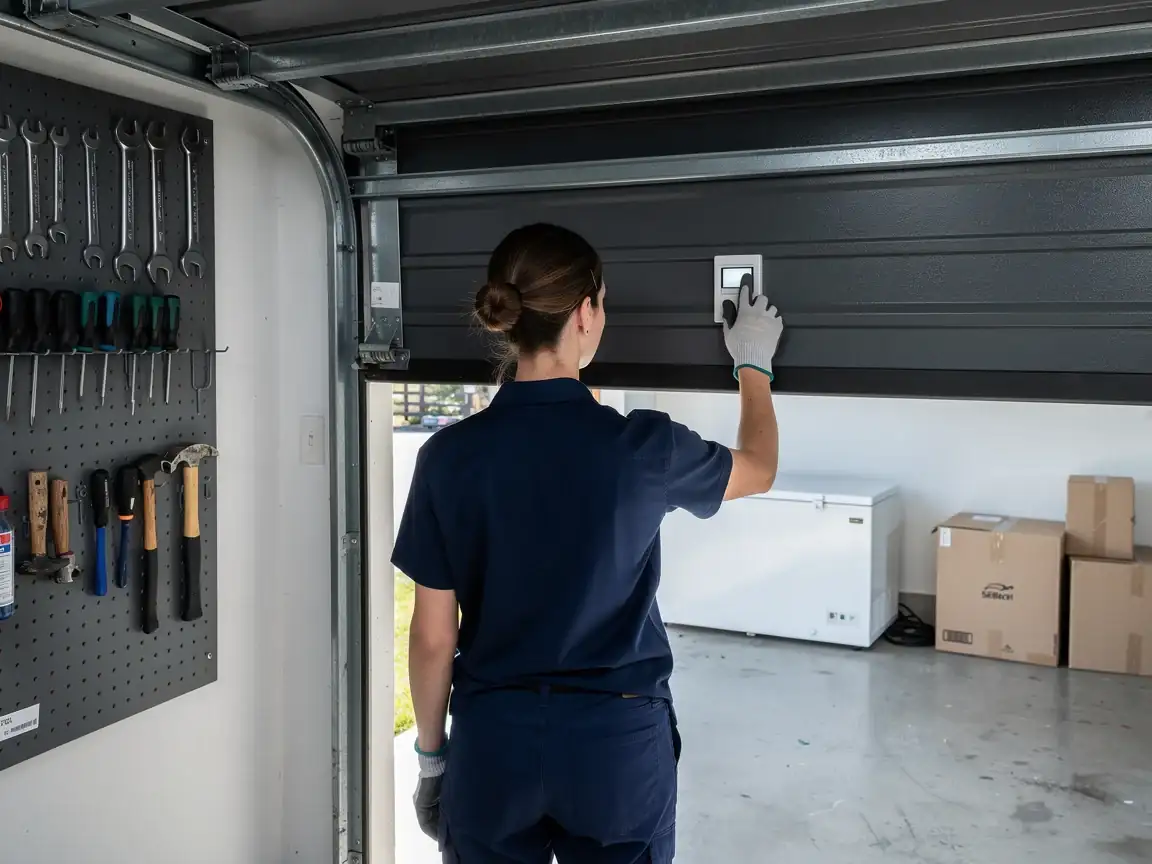
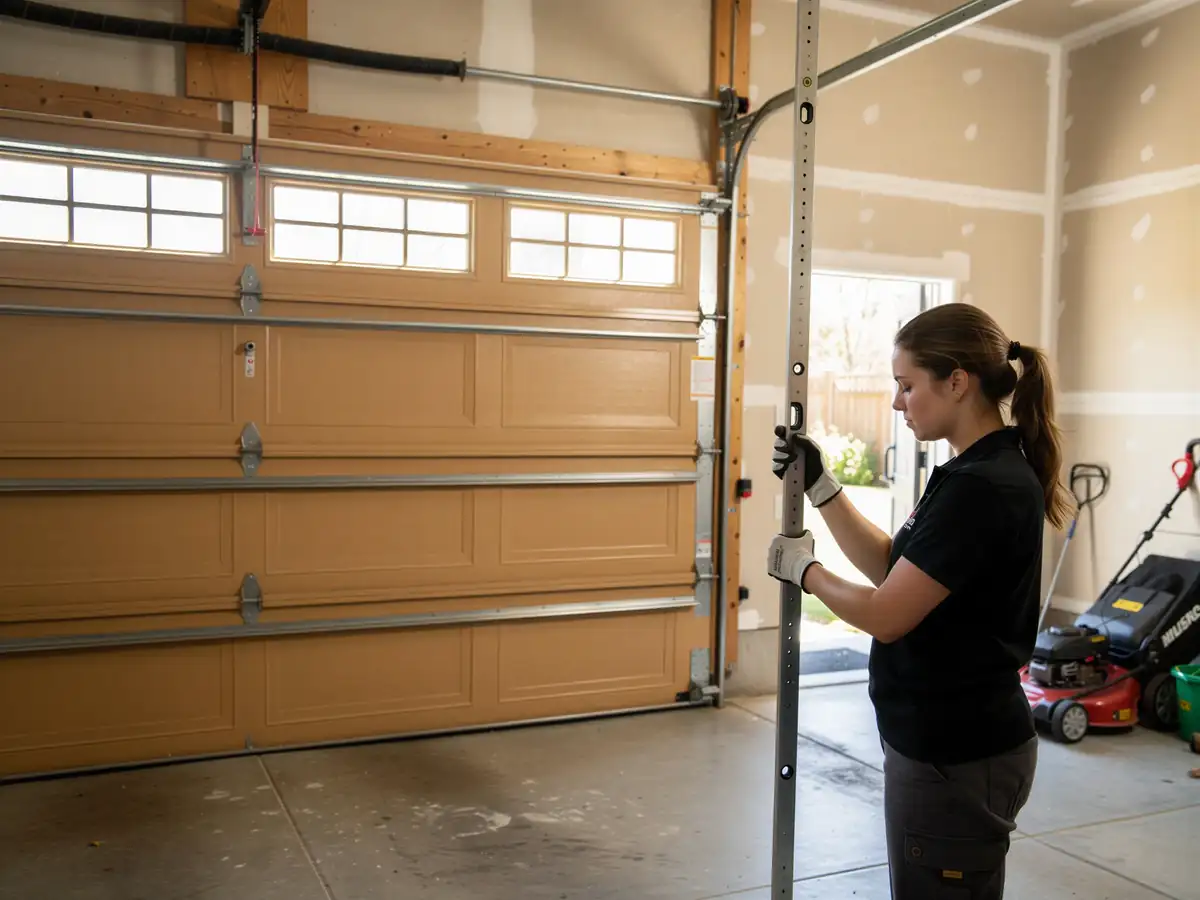
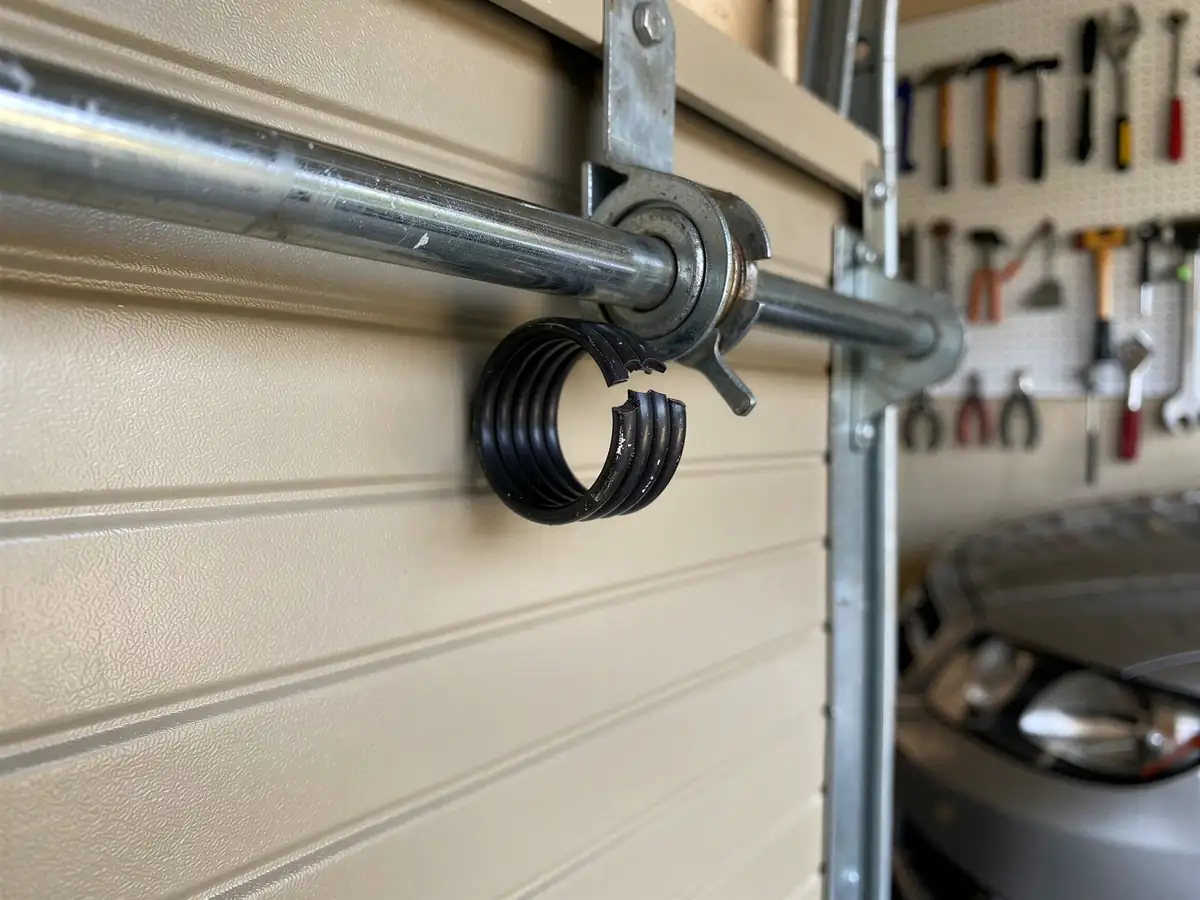
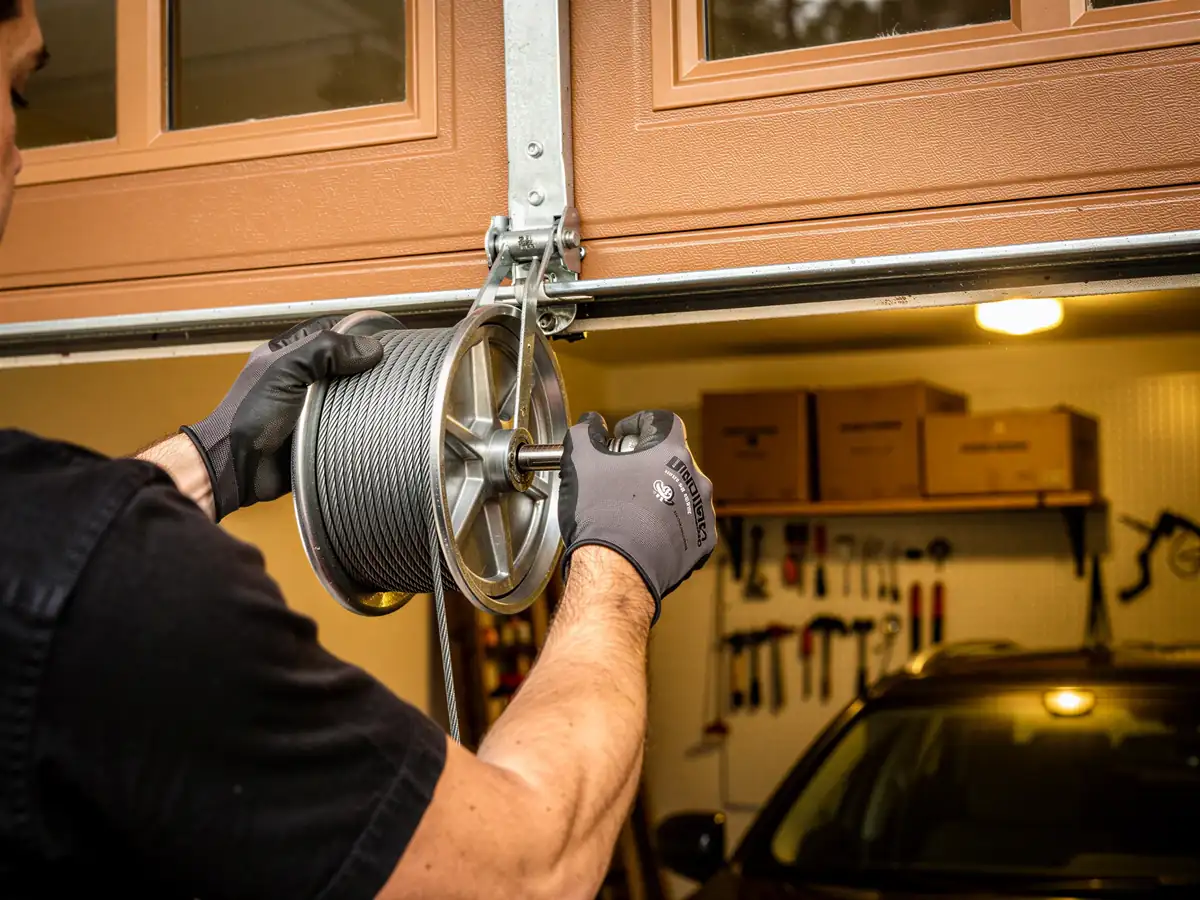
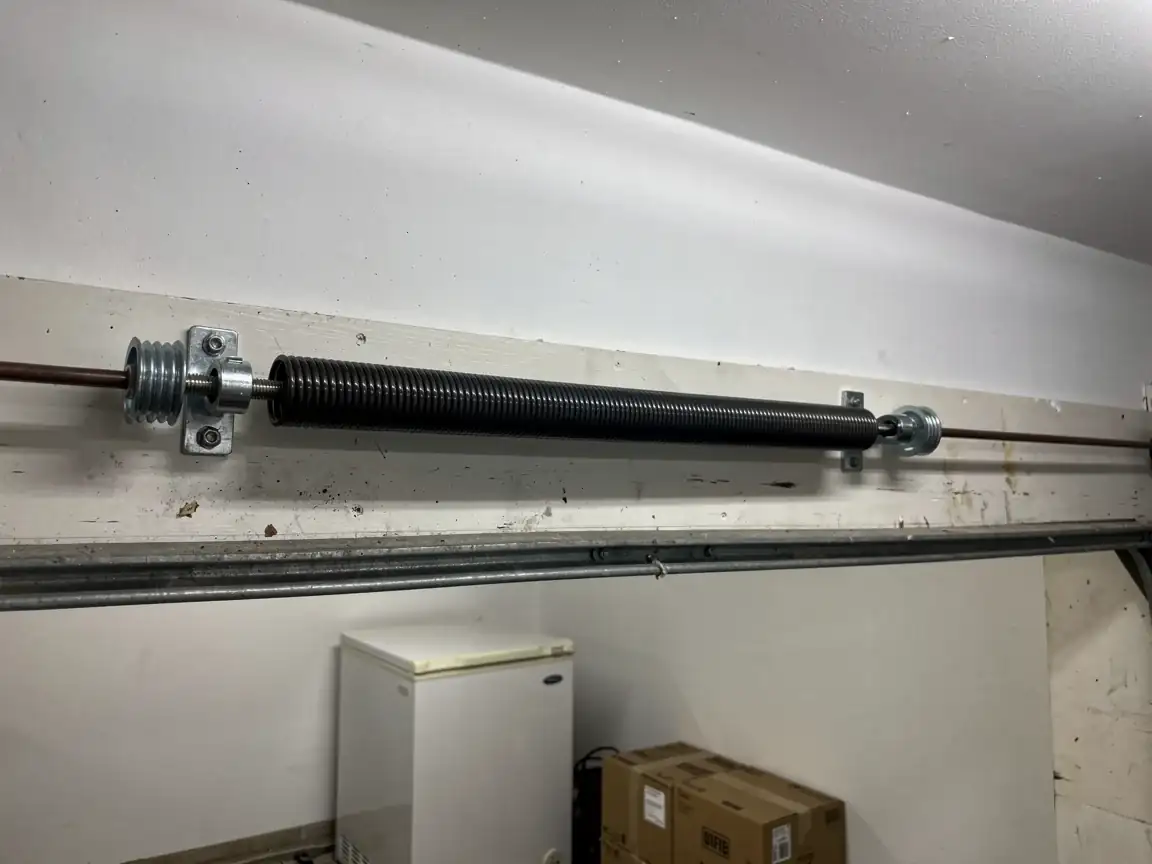
Torsion spring replacement on a standard double door is the single most common emergency call, and it's a controlled job: we measure the existing spring wind and wire gauge, match it, and reset the cable drums before testing the door through a full cycle. Cable repair and roller replacement follow similar logic - match what's there, don't just bolt on a generic part. Opener failures are a different animal. On homes built from the 1970s through the mid-2000s, which describes most of the housing stock across this service area, we're often working with original or first-replacement openers, and circuit boards for some of those models are no longer made new. When that happens, we tell you the honest trade-off: wait on a sourced board, or replace the opener outright, which is usually the faster and often cheaper call. We don't pad an invoice with work the door doesn't need - if a $40 sensor realignment solves it, that's the repair.
The Symptom
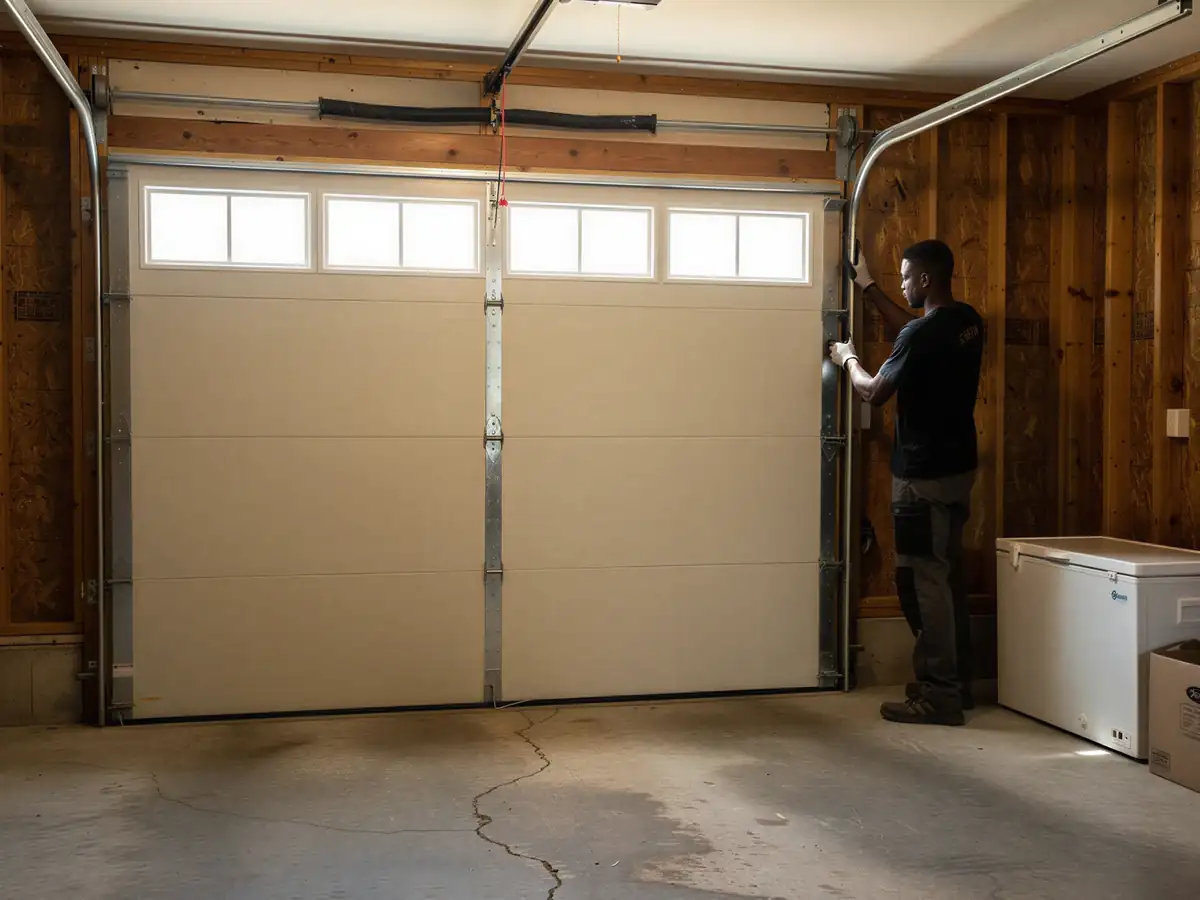
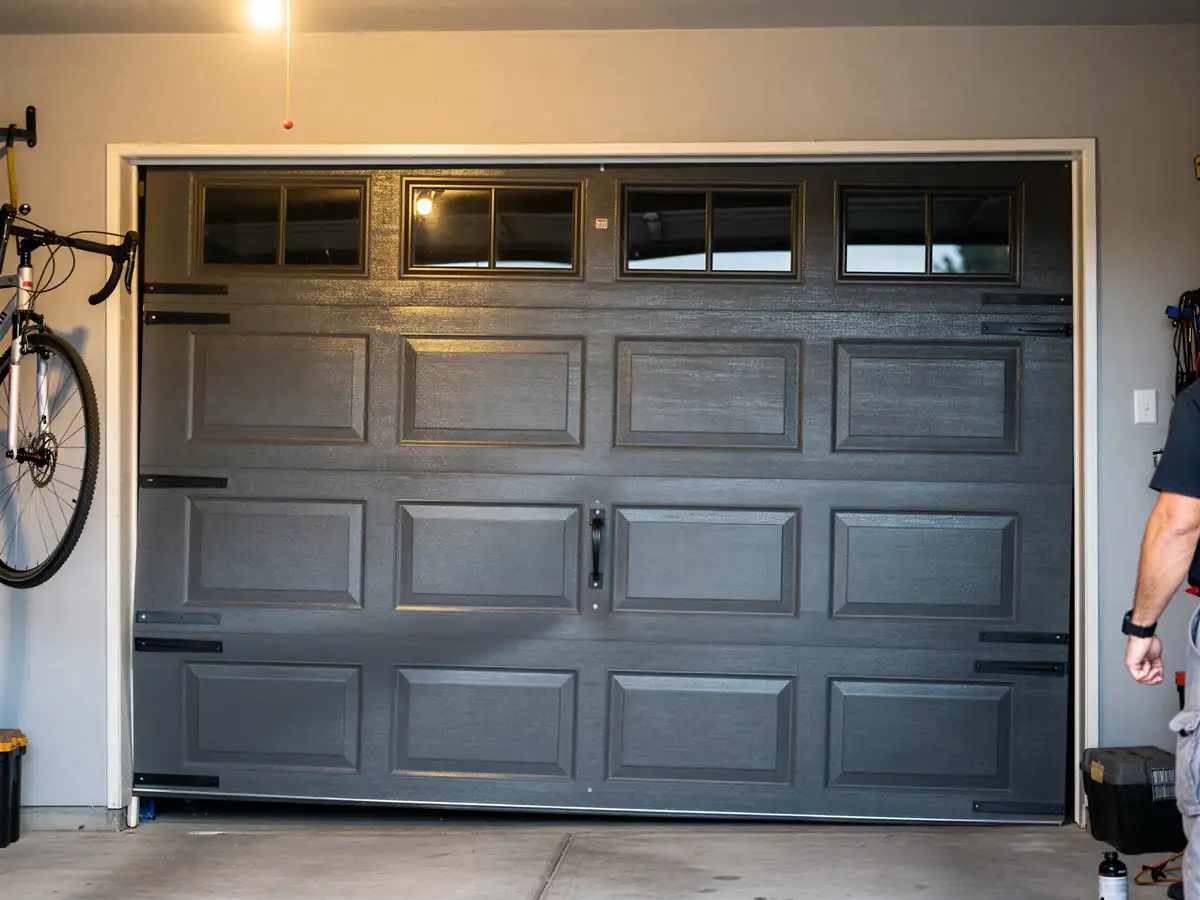
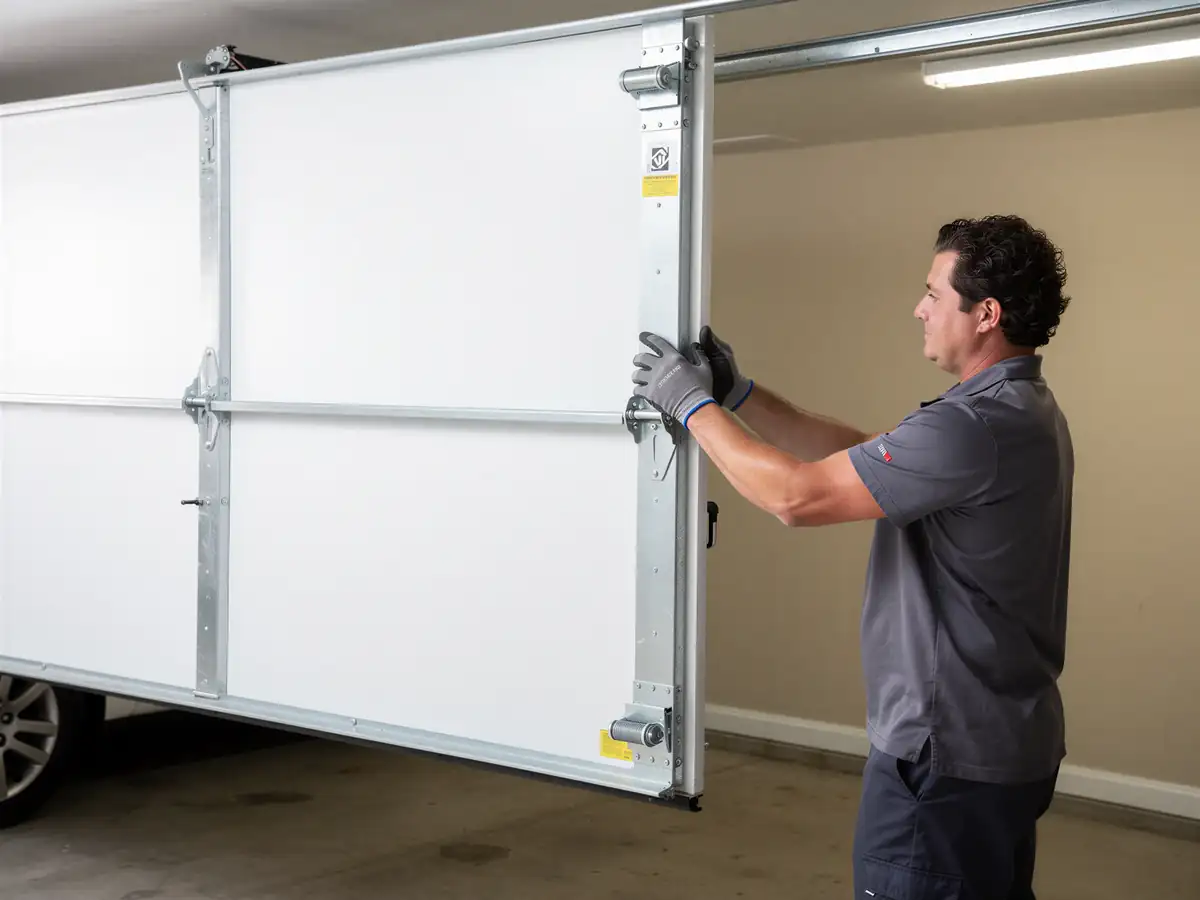
The classic emergency symptom is a door that reverses halfway, or won't move at all and the opener motor just hums. A hum with no movement is almost always a broken spring - the opener isn't built to lift a door's full weight alone, and it won't try for long before the circuit protects itself. A door that opens fine but won't close, or reverses right before the floor, points to sensor alignment or a failing travel limit, both common on openers old enough to match the 1986 median build year here. A door that's visibly crooked on one side, or where one cable looks loose and frayed, is a cable failure and should not be forced - that's how a door comes off its track entirely. If you're not sure which of these you've got, don't keep cycling the opener trying to force it; that's the fastest way to turn a spring job into a spring-plus-track job.