What Was Built Here
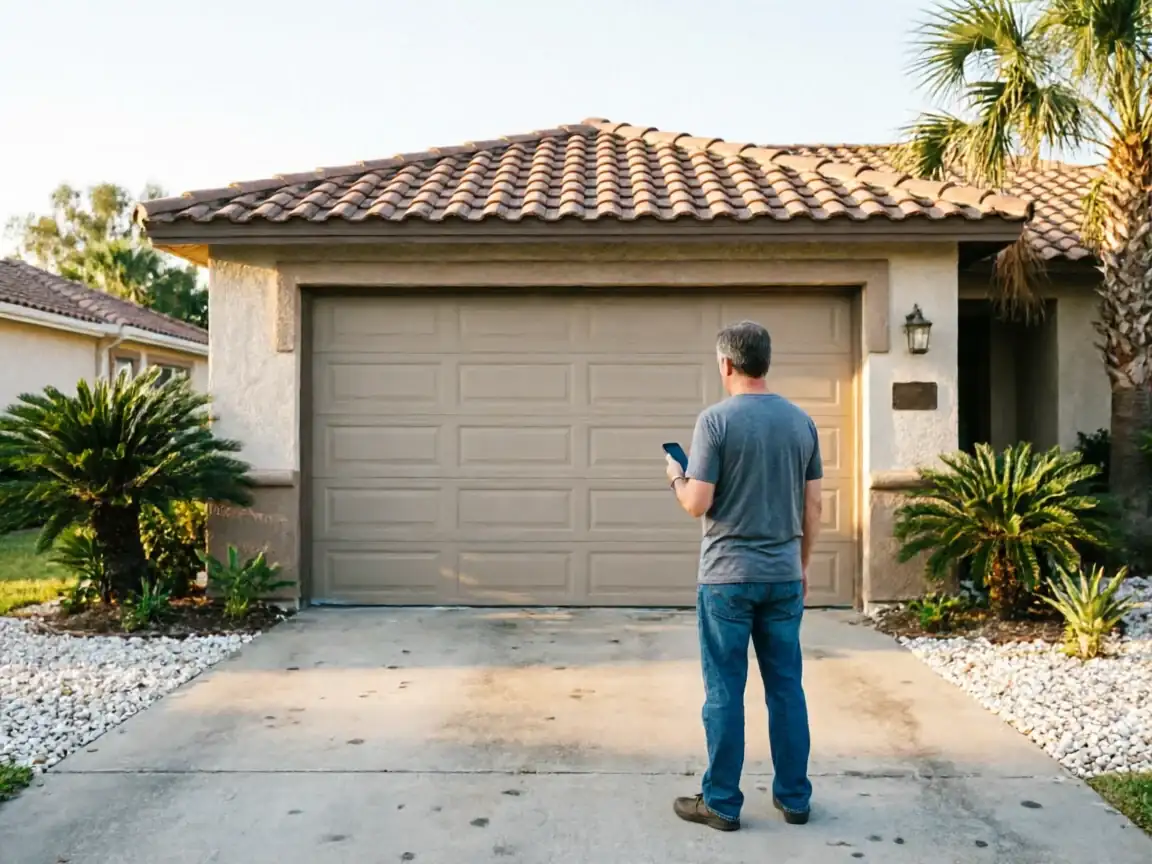
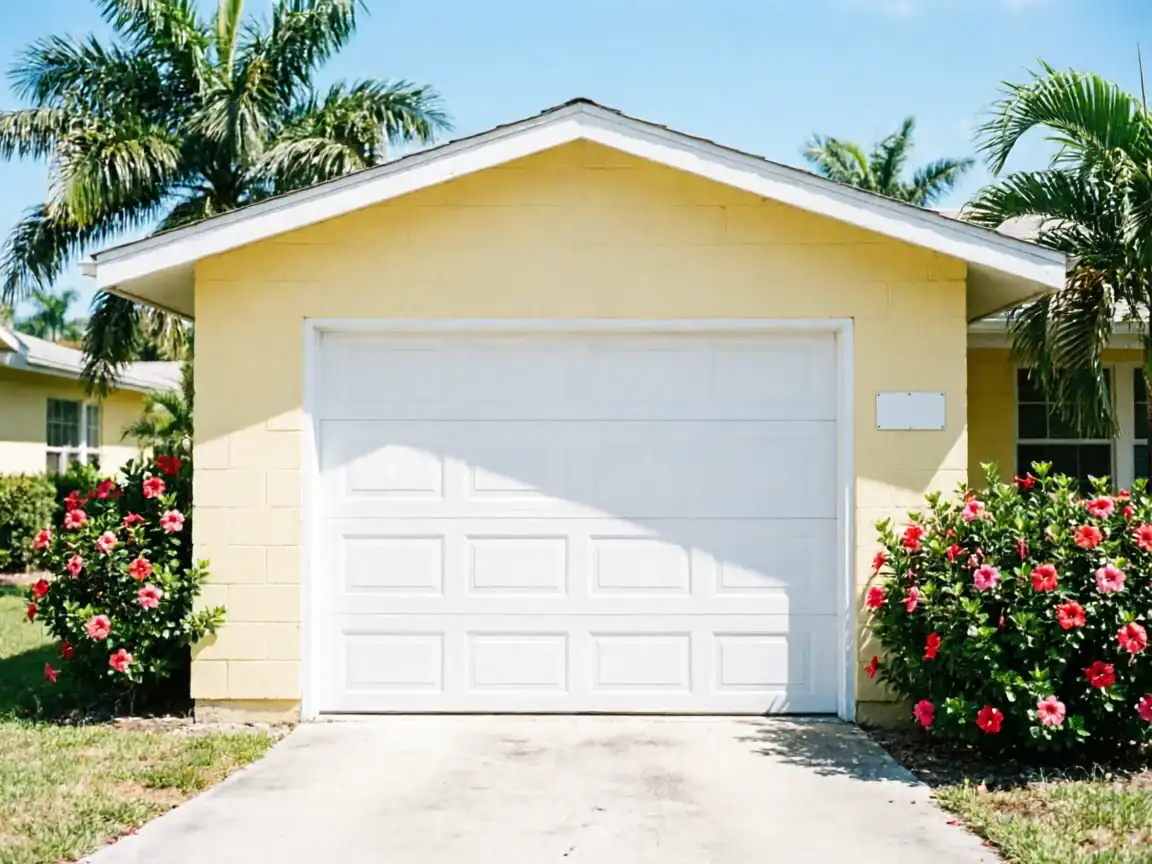
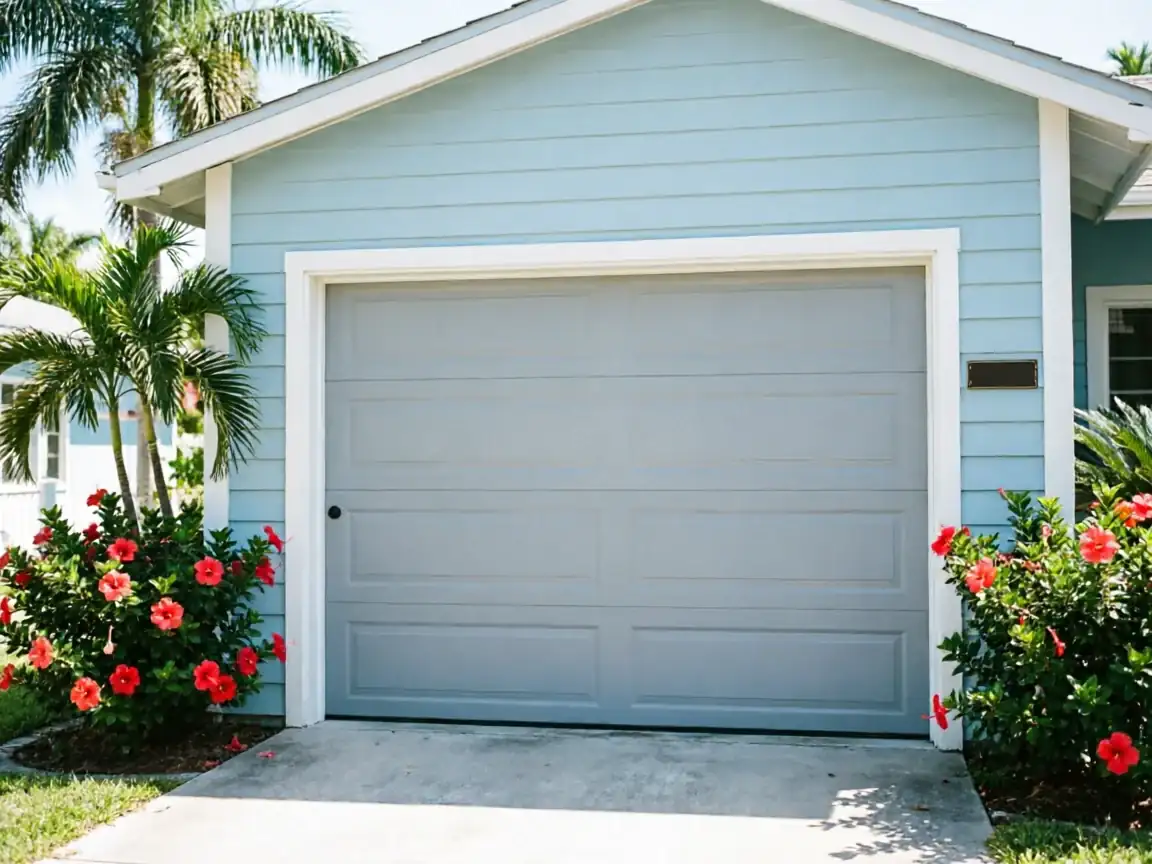
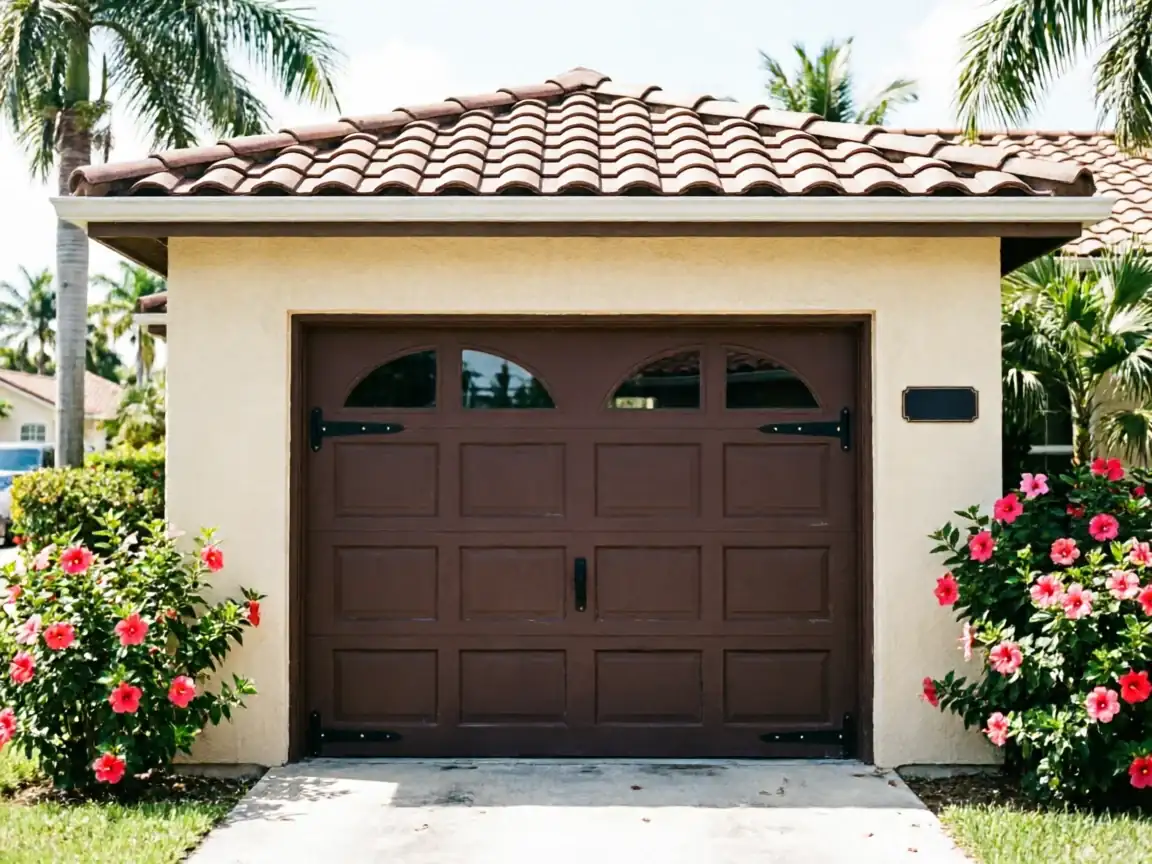
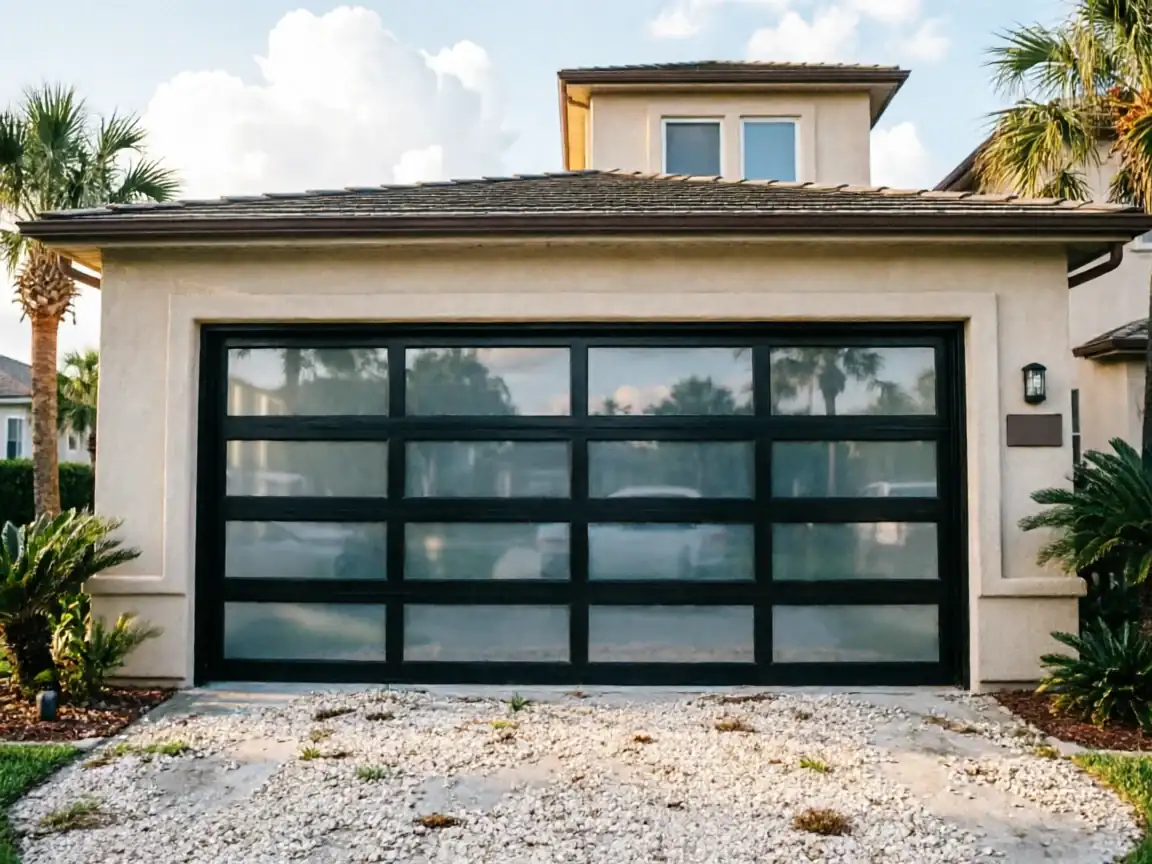
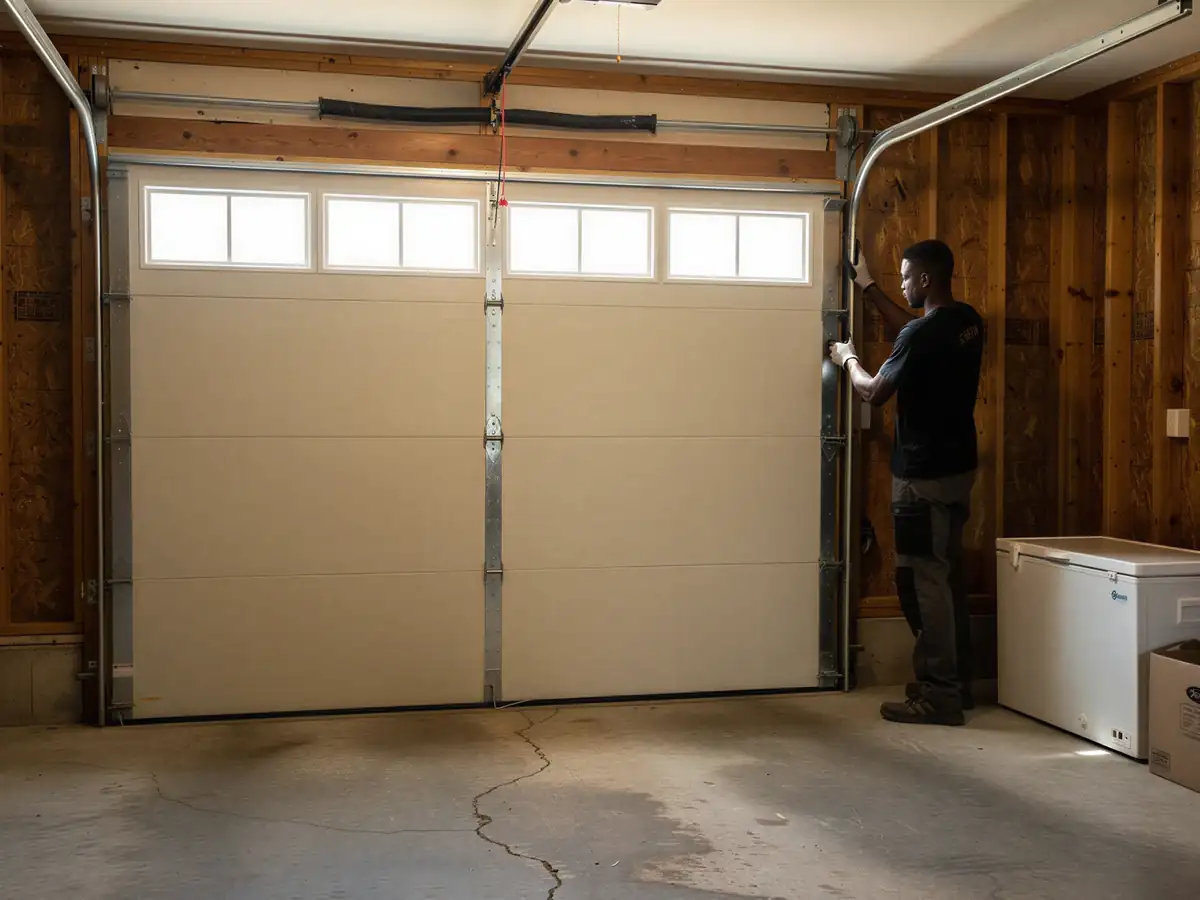
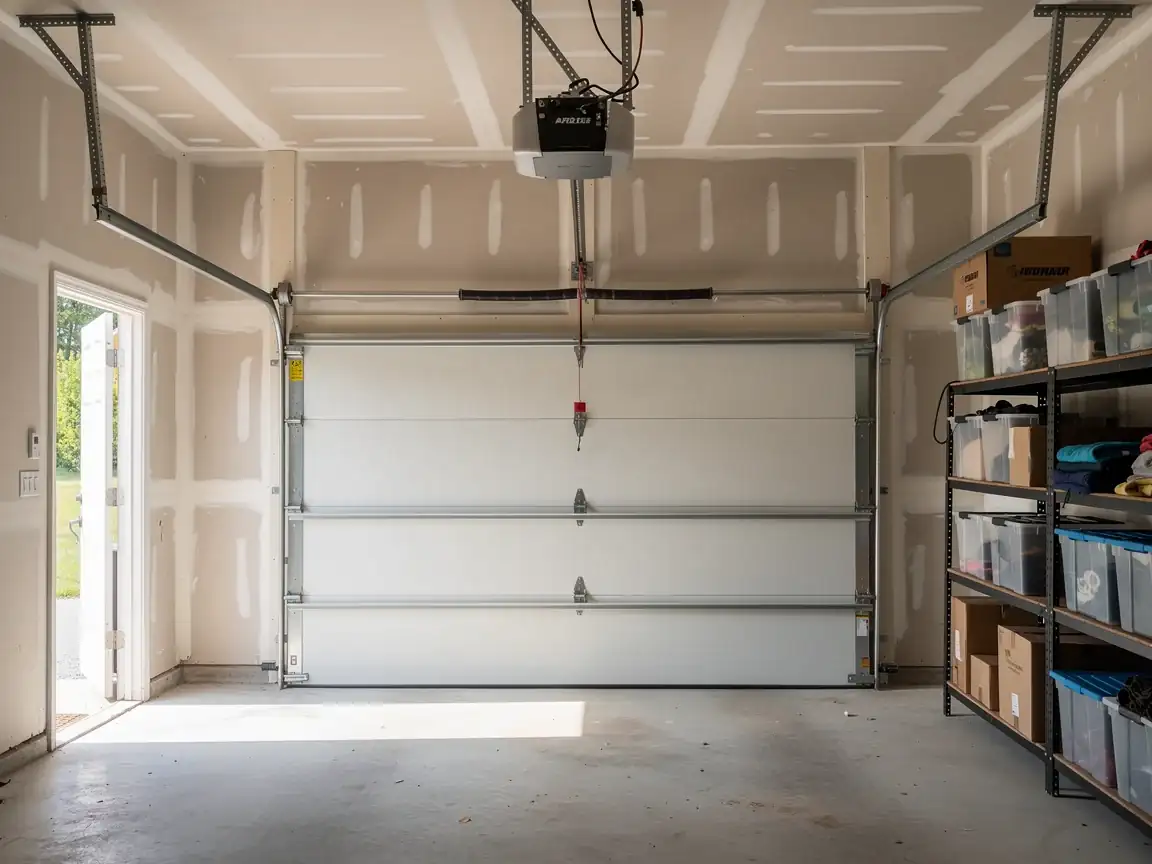
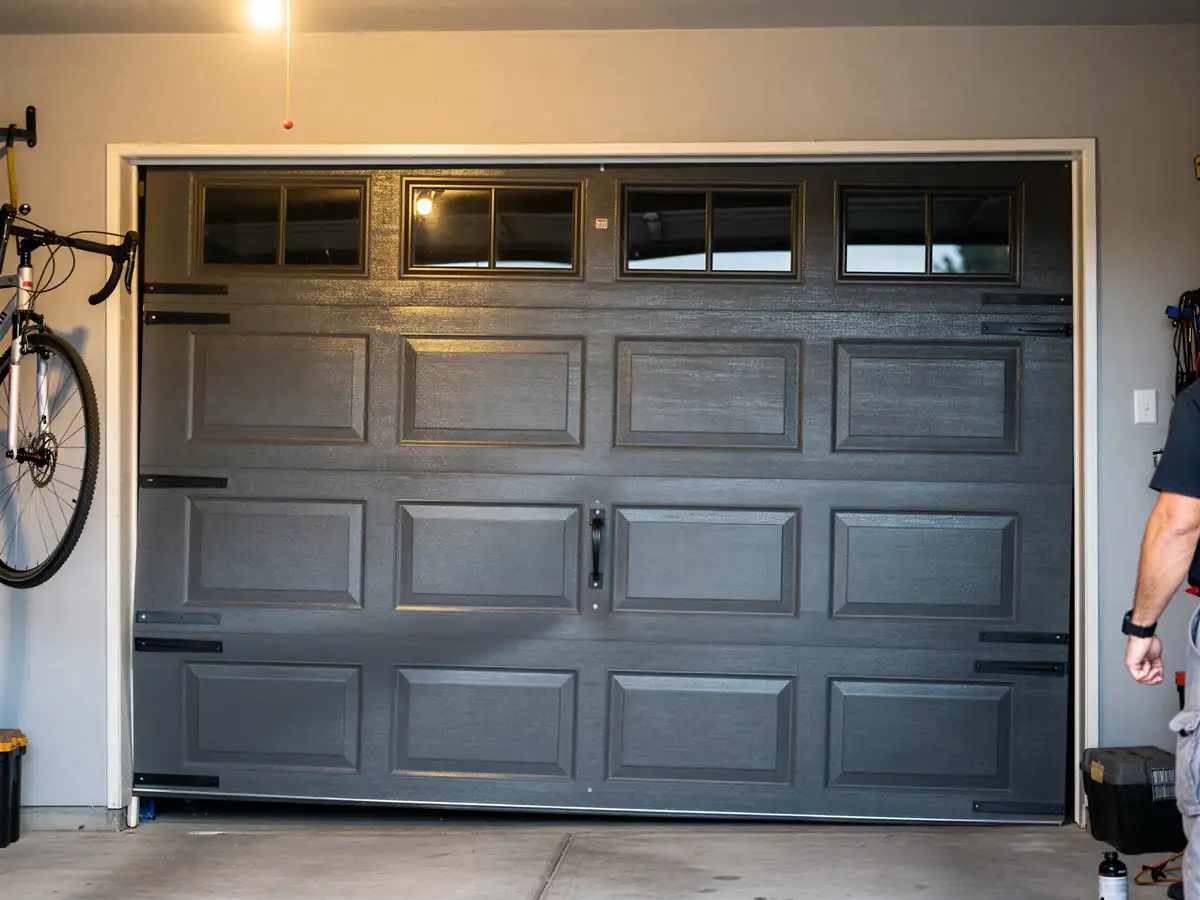
Immokalee's housing stock centers on a median build year of 1993, which puts most of the neighborhood squarely in the early-90s wave of construction rather than the older mix you see closer to Lehigh Acres. That decade matters for garage doors because it's when steel sectional doors with extension or torsion springs became the standard builder-grade install, replacing the older wood and single-panel doors that still show up on pre-1980 houses. With about 6,418 households in the area, you've got a fairly tight band of housing ages compared to some of the surrounding communities, which means a lot of the doors on this side of town are wearing out on a similar timeline. If your opener or springs are original to the house, they're pushing three decades old, and that's past the point where most residential garage door hardware is rated to perform reliably.
The median household income here is $46,143, noticeably different from the broader service area average, and that's part of why we try to be straight about what's worth repairing versus replacing rather than pushing a full door swap when a spring or cable job will hold for years.
The Split Between Old and New
Across the wider Lehigh Acres service area, the housing stretches from 1970 up through 2006, with the bulk of it landing in the 1980s and 90s. Immokalee sits on the newer side of that range at a median of 1993, which separates it from areas built a decade or more earlier. That split isn't just a date on a permit record - it's the difference between a door hung on an older extension-spring setup bolted straight to the framing, and a door hung on a torsion bar system with a standard track width that more trucks carry stock parts for.
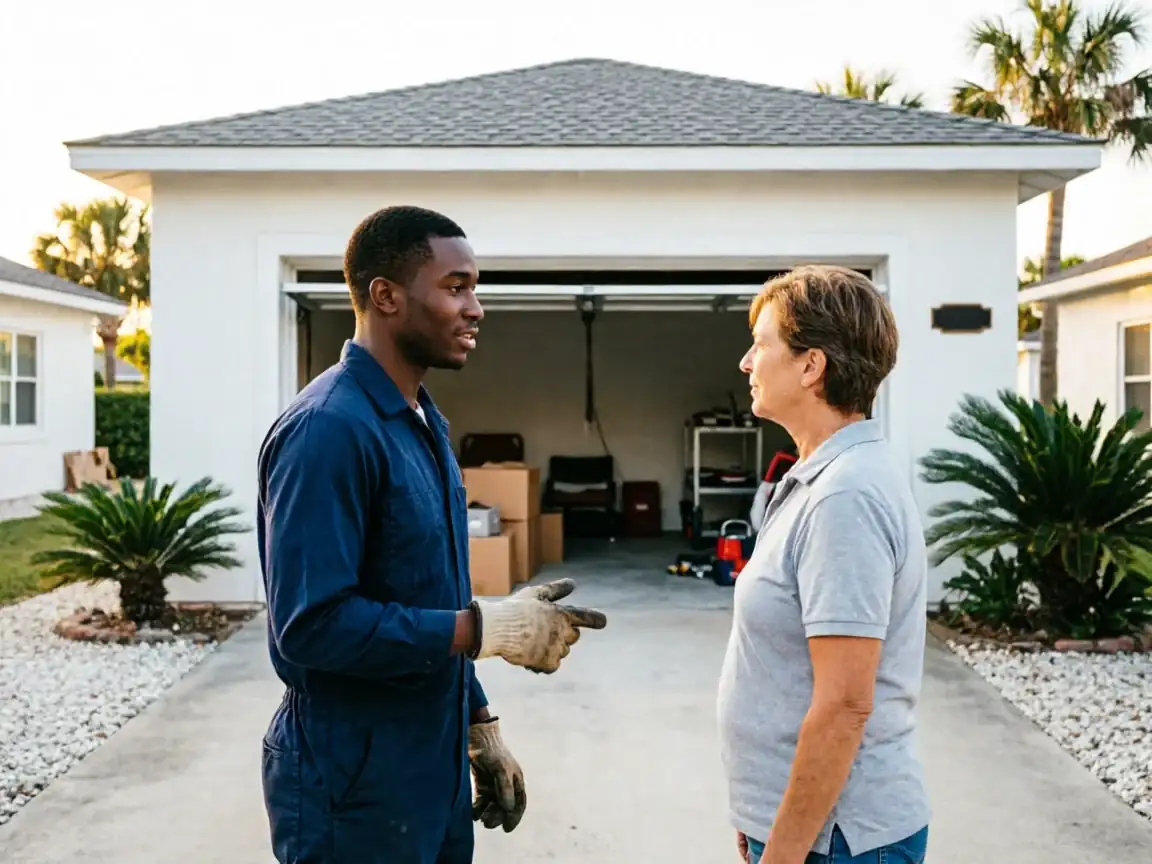
We see this split matter most when a homeowner calls about a part that 'should be easy' and it turns out the hardware predates the common sizing. Immokalee's 1993 median means most doors here are on the more standard side, but not every house in the mix was built the same year, so we still check the actual hardware on-site before quoting anything over the phone.
What the Housing Means for Your Door
A door installed around 1993 is old enough now that springs have likely been replaced at least once, rollers are worn, and openers
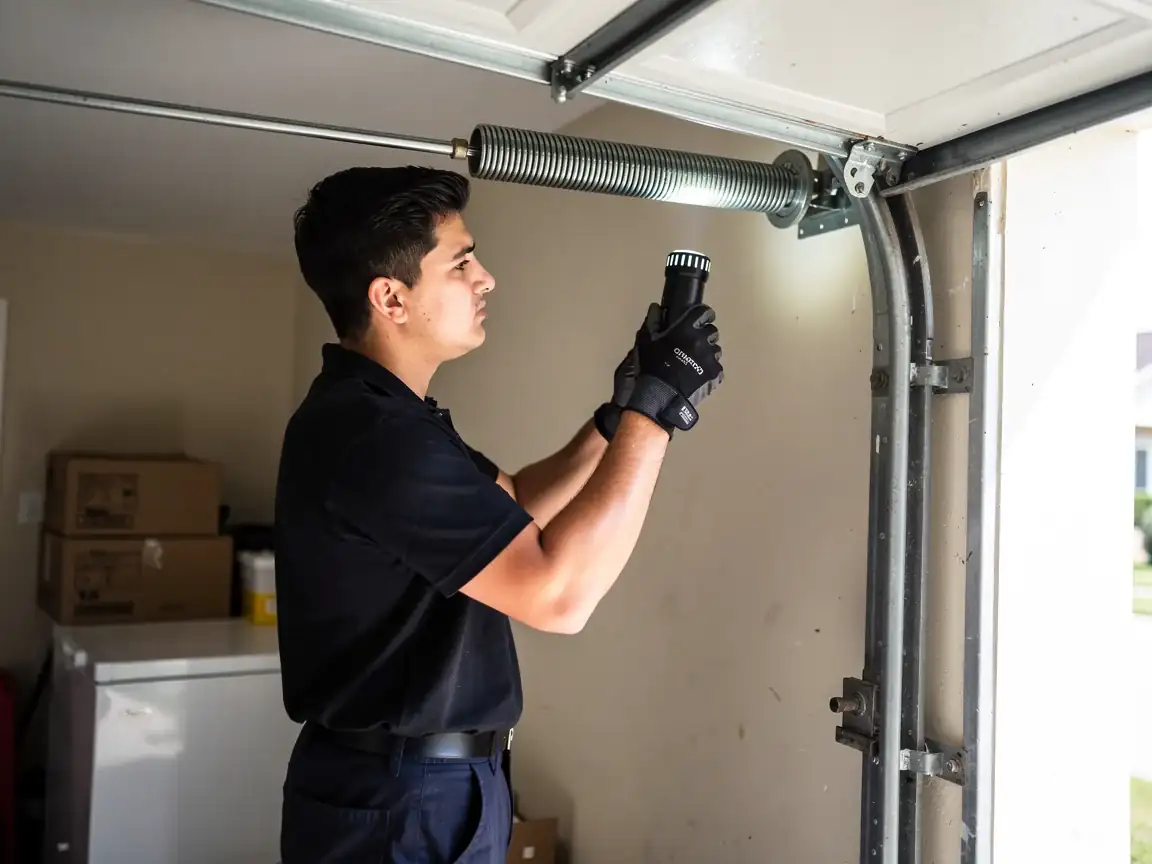
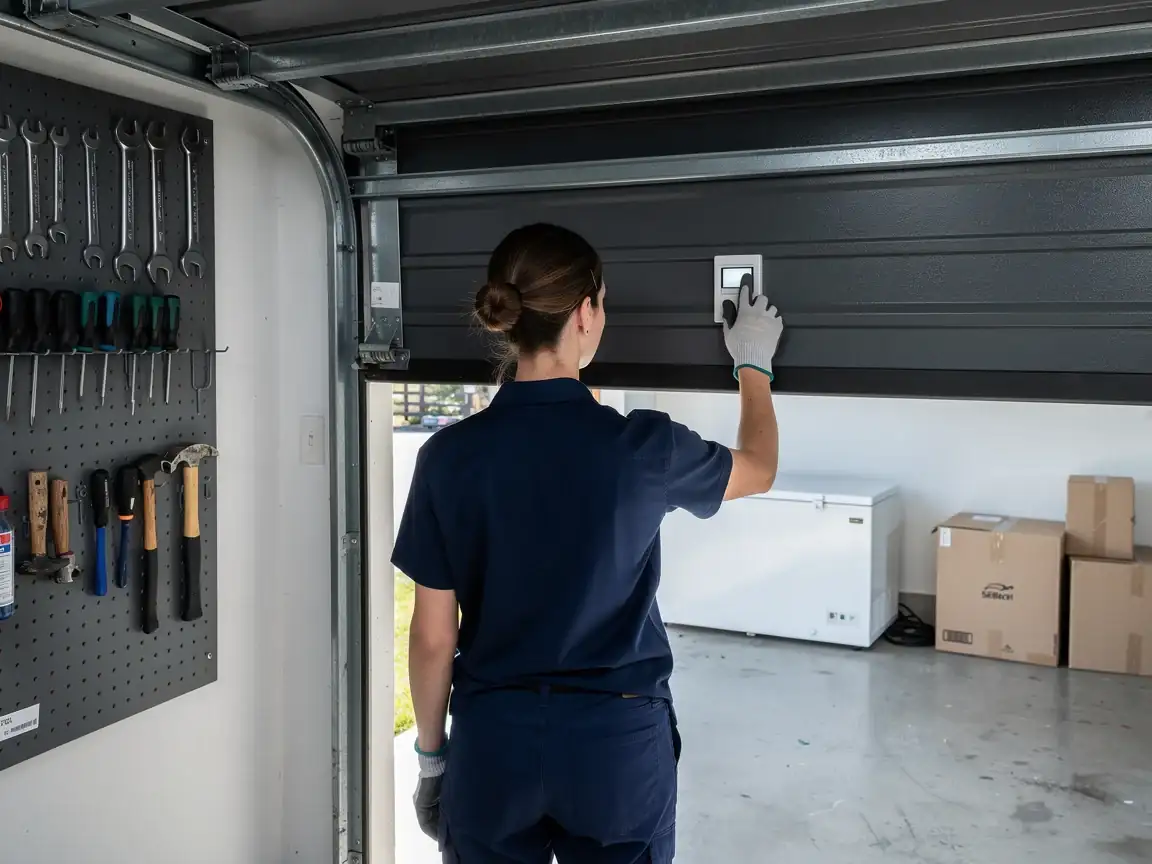
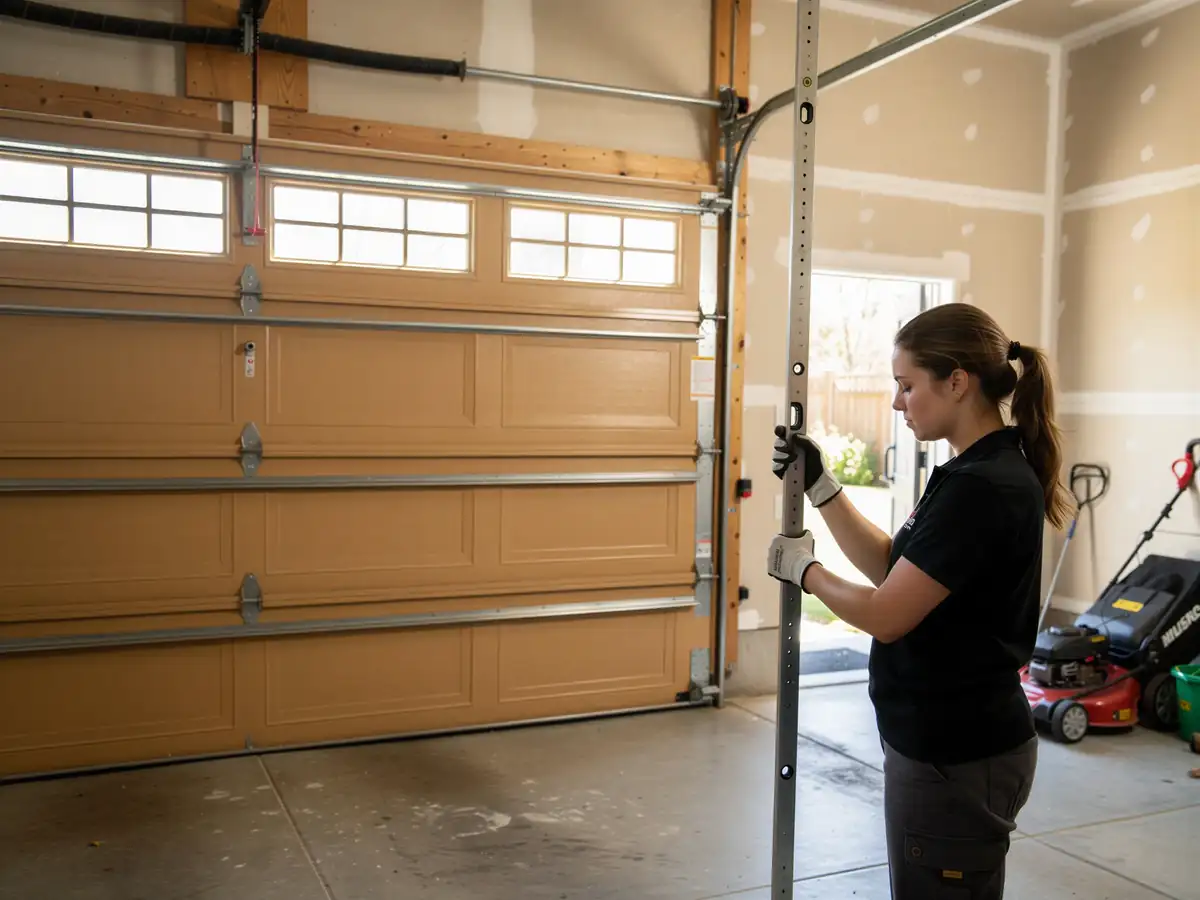
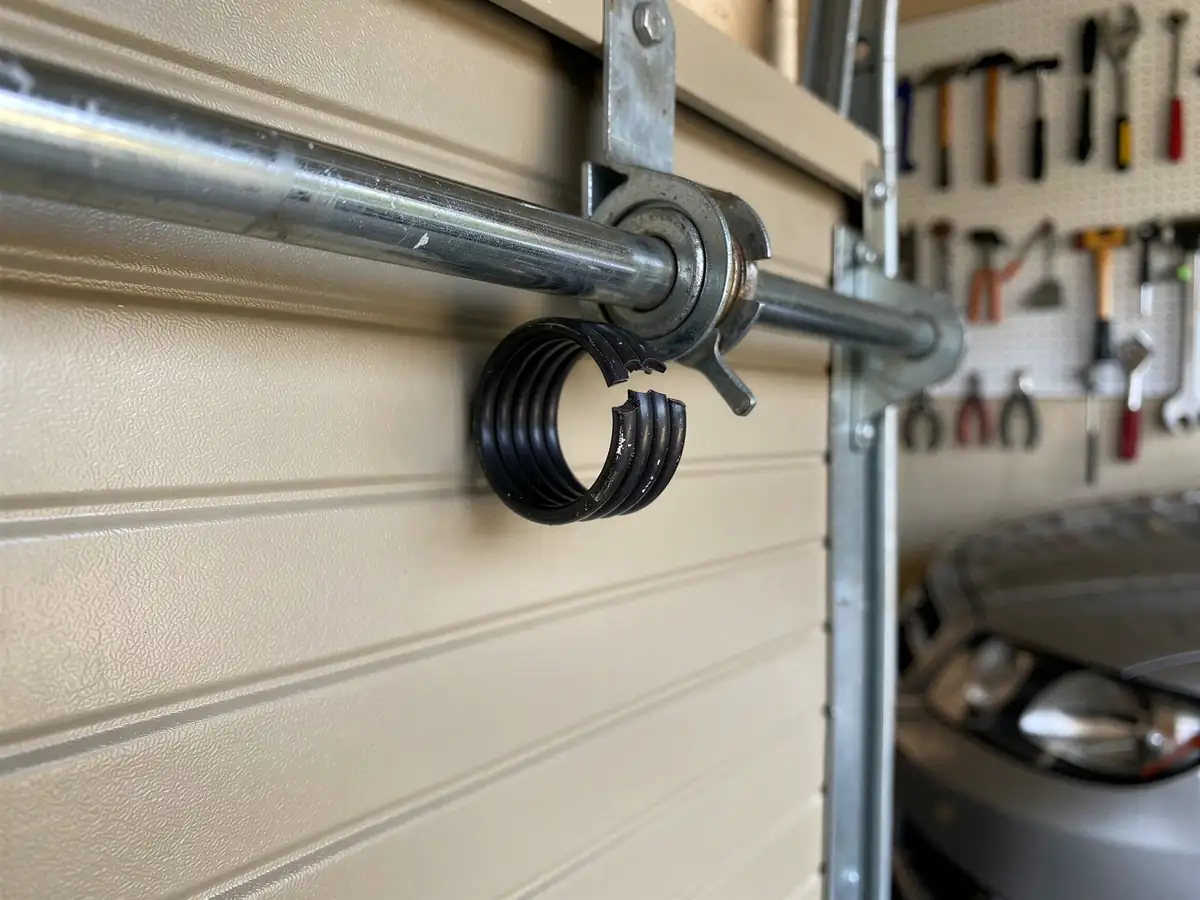
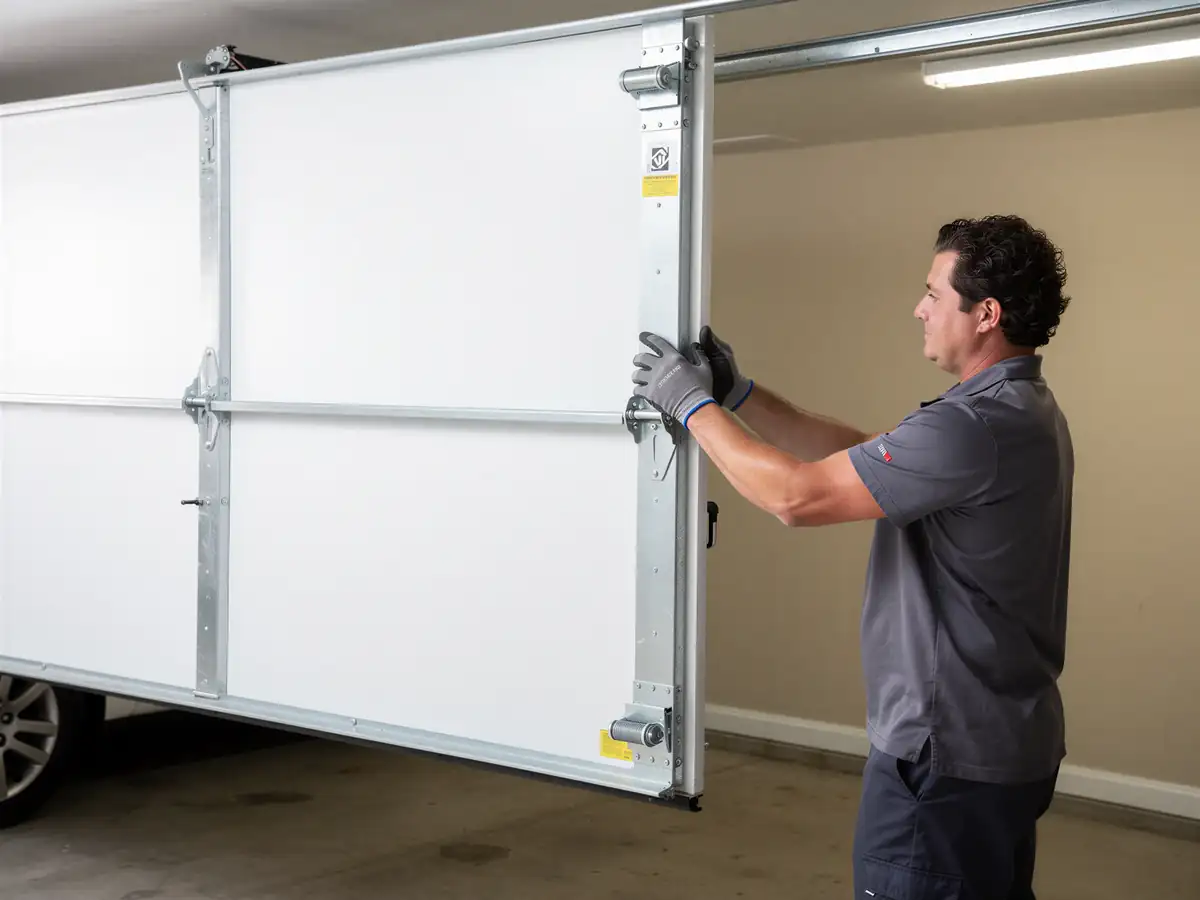
If original - are on borrowed time. The common failures we see on houses from this era are torsion spring fatigue, worn nylon rollers that have gone brittle, and chain-drive openers with stripped gears or dying circuit boards. These aren't exotic problems, and parts for 1990s-era standard doors are generally easy to source, which keeps repair costs reasonable rather than forcing a full replacement.
The mild temperate climate out here is gentler on garage door hardware than a lot of the country sees
No hard freezes to crack seals, no deep cold to stiffen springs - so the wear you get is mostly from age and use, not weather extremes. That's a point in favor of repair over replacement when the door itself is still square and the track is straight.
One honest limitation
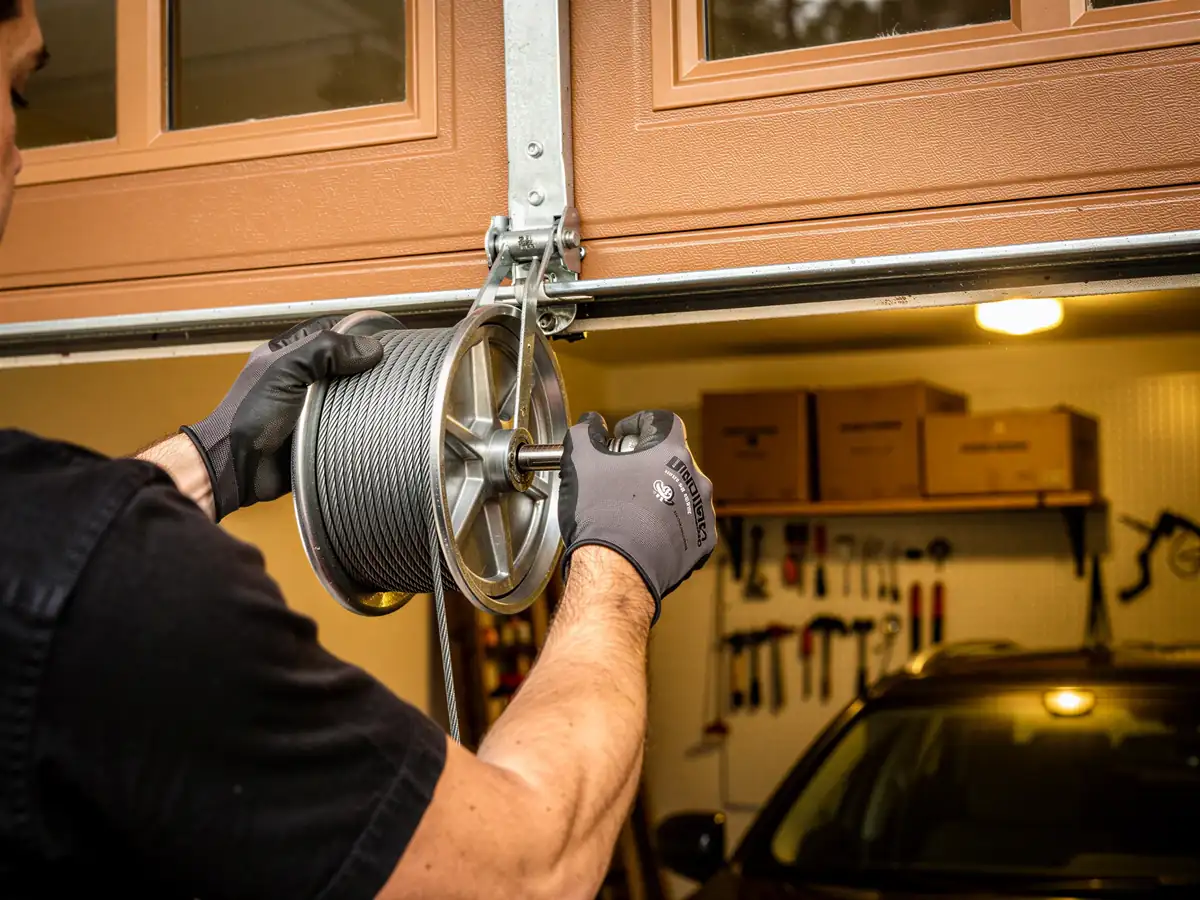
If a spring or cable has failed and taken a panel with it, or if the opener has been dead long enough that the whole unit is seized, replacement usually makes more sense than trying to nurse a 30-year-old system along.
How We Get to You
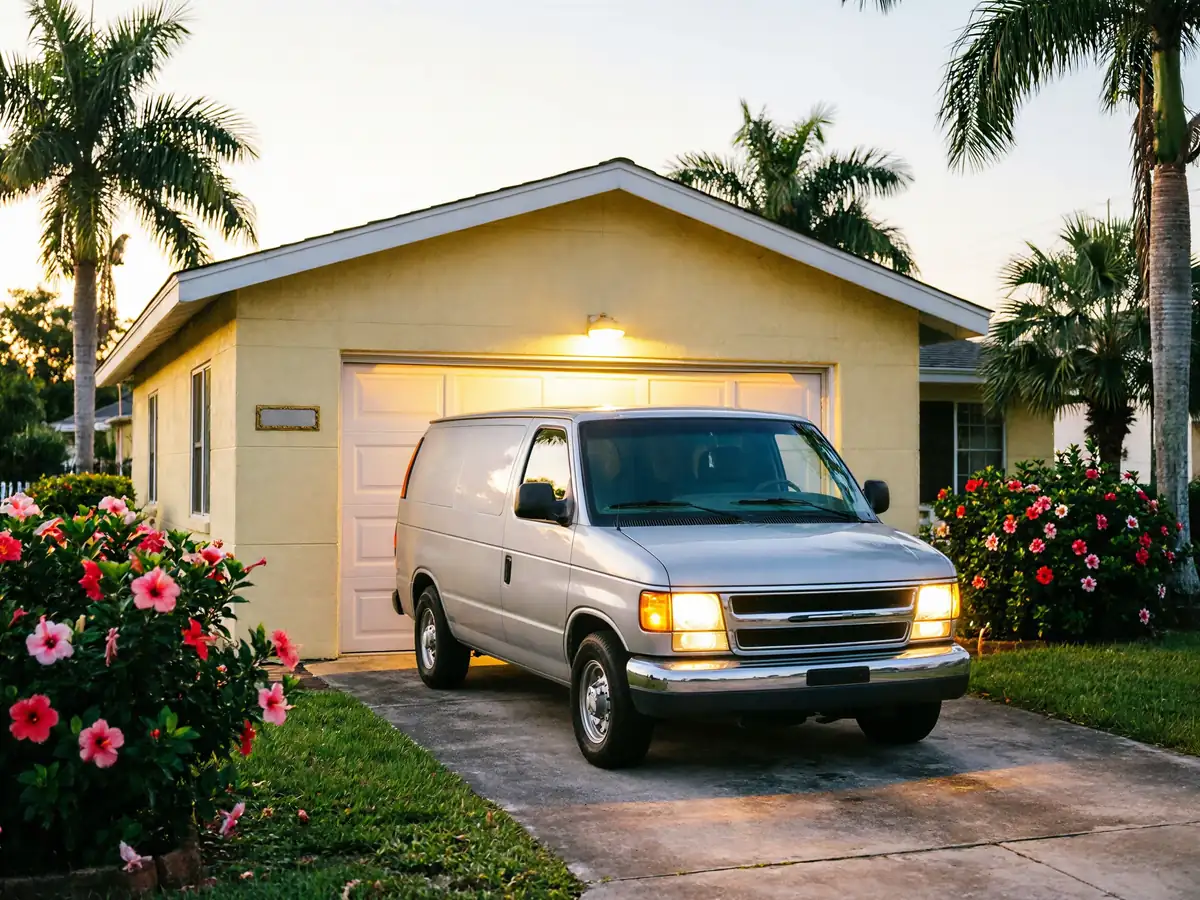
We run out of Lehigh Acres, and Immokalee is about 19 miles from there - it's one of the longer drives in our coverage area, alongside places like LaBelle and Port LaBelle. We don't keep a depot or satellite location in Immokalee itself; every job here means a truck making that drive specifically for your call. That's worth knowing upfront if you're comparing us to someone based closer - we're not going to pretend otherwise.
What we can tell you is that the trip doesn't change how we price or handle the work once we're on-site. We bring the same stock of torsion springs, rollers, and opener parts that cover the standard hardware common to 1990s-built doors, which is most of what we find in Immokalee.