How Long You Are Without the Door
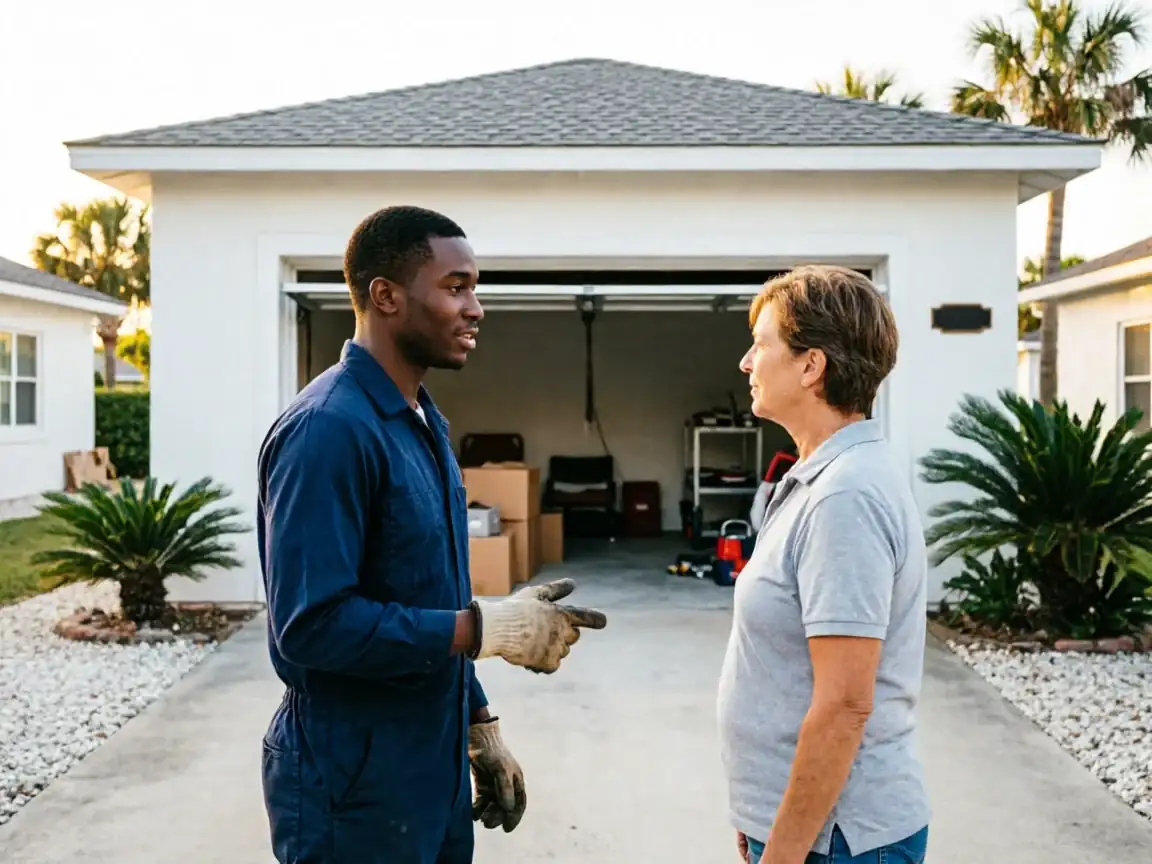
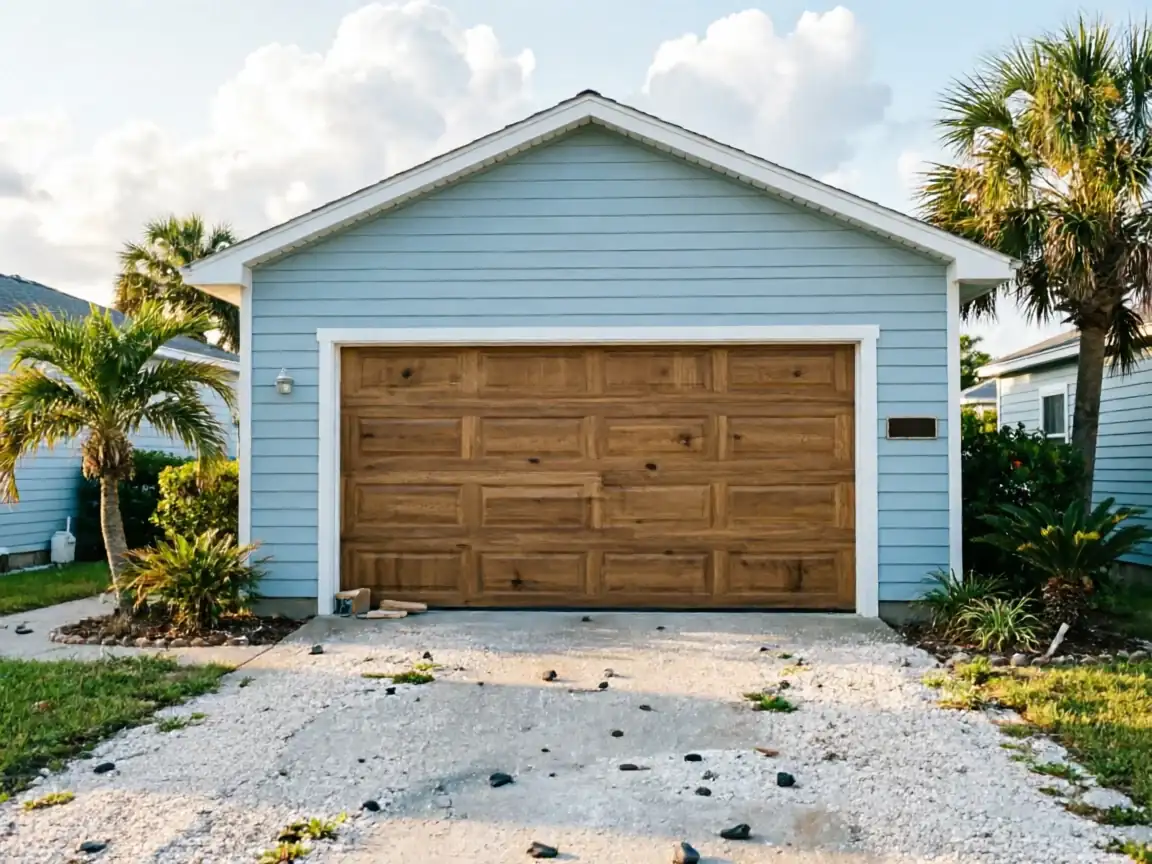
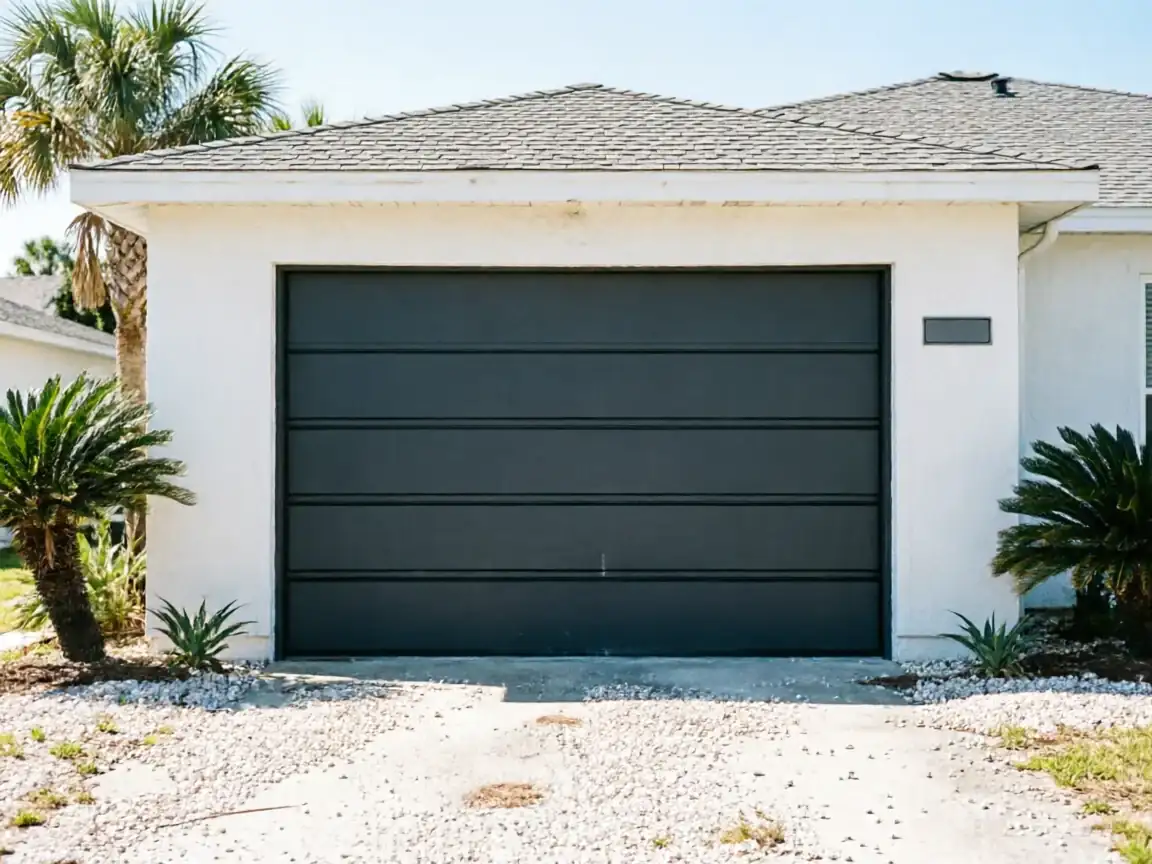
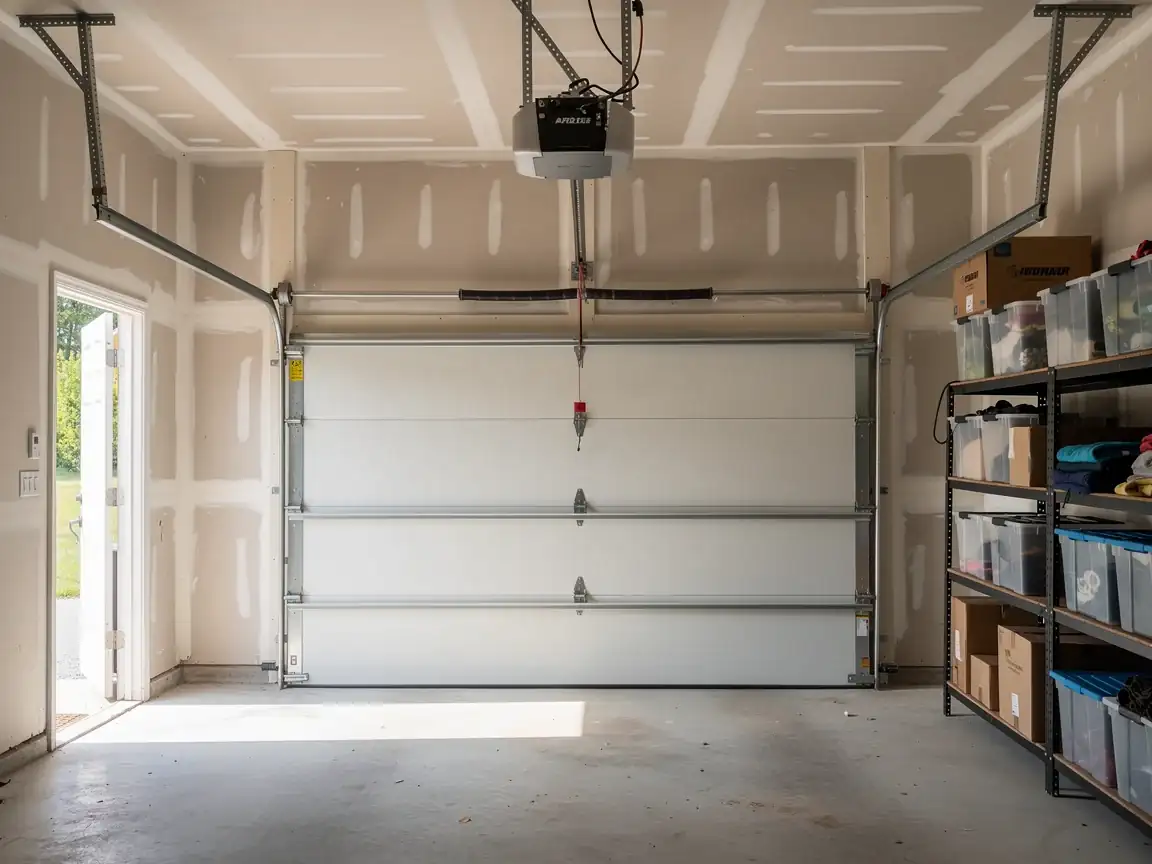
A snapped torsion spring is not a same-hour fix the way a stuck remote might be, but it is also not a multi-day wait if the part is common. Most houses across this service area were built between 1970 and 2006, with the bulk going up in the 1980s and 90s, so the torsion spring sizing on these doors tends to be standard stock a tech carries on the truck. That keeps the door down-and-out window short for the typical Lehigh Acres house. Where it stretches out is on the odd door: an older one-piece door, a non-standard width, or hardware that was swapped out piecemeal over the years by a previous owner. Those need the right spring ordered before anything gets hung back up, and that's the honest limitation here - we don't carry every wind and wire gauge on the truck, because nobody does. If your door is a common double or single on torsion hardware from that 1980s-2006 build window, expect the job to move fast once a tech is on site. If it's an outlier, we'll tell you that at the door, not after we've already started.
What the Repair Takes
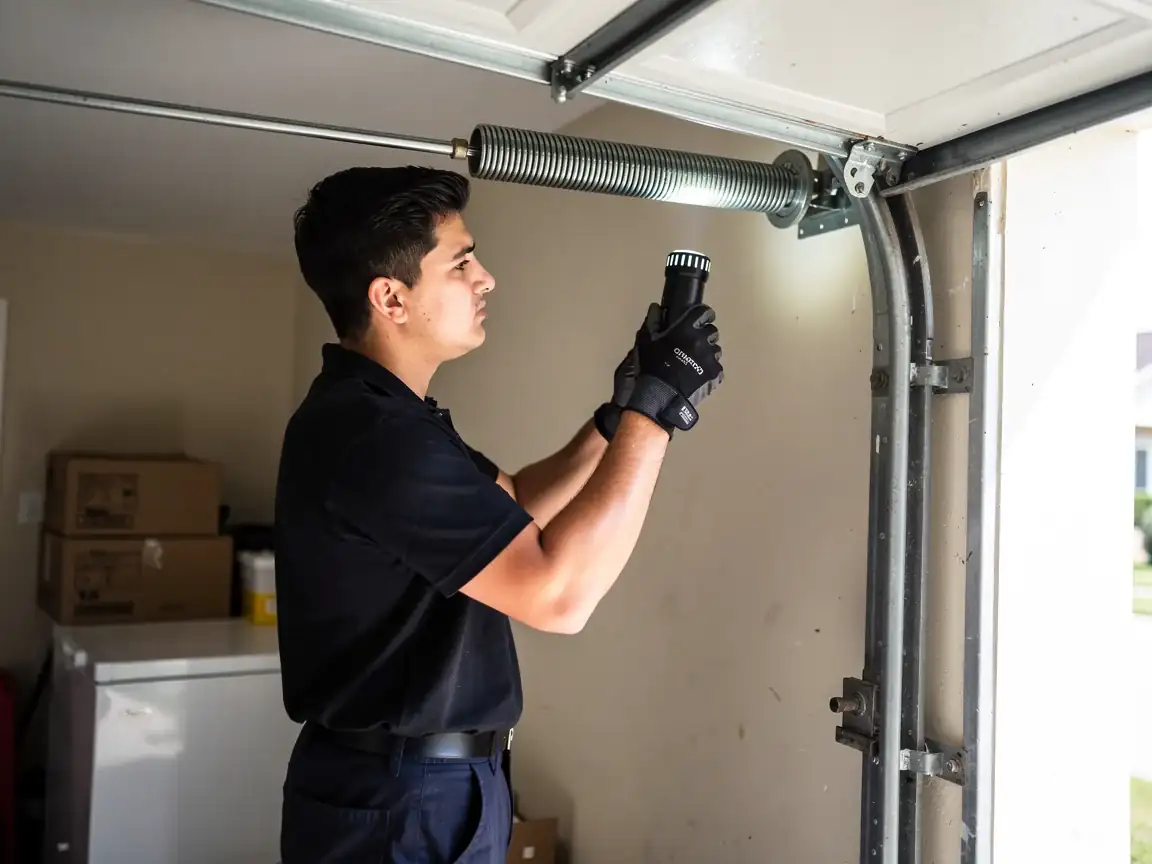
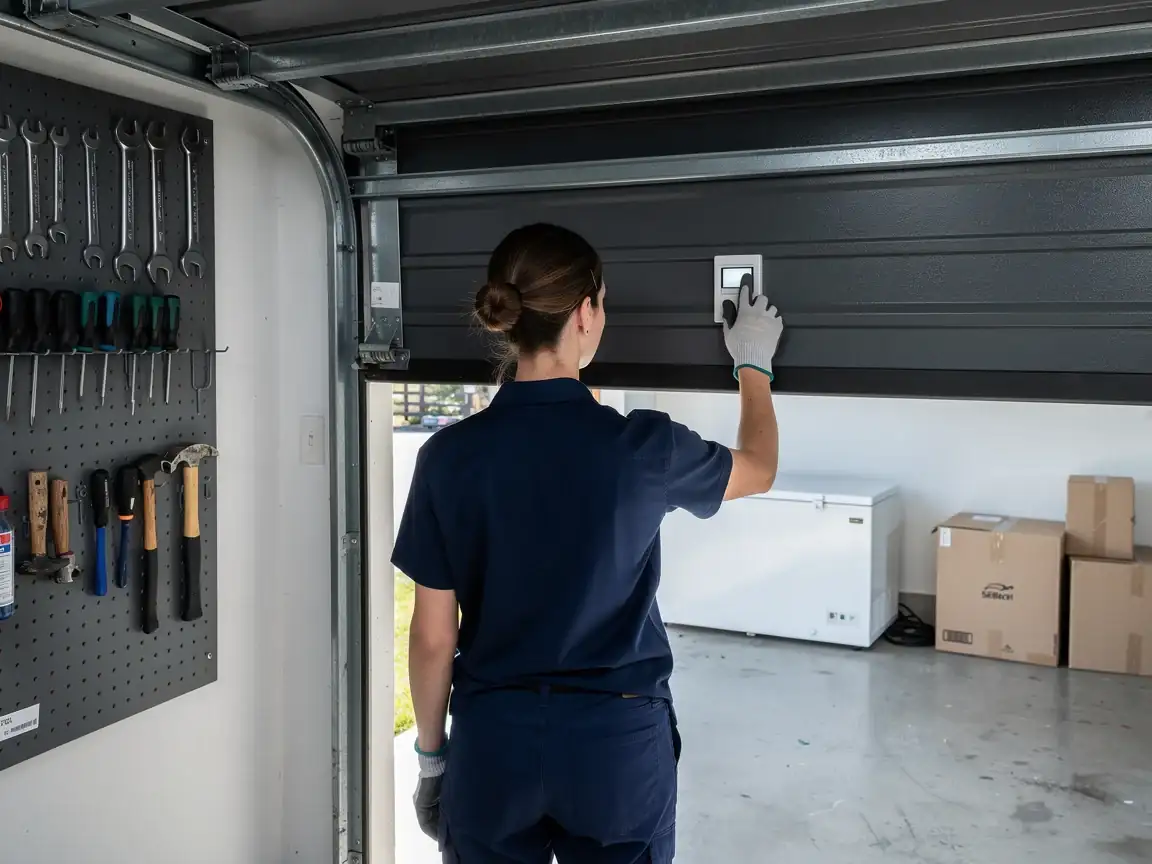
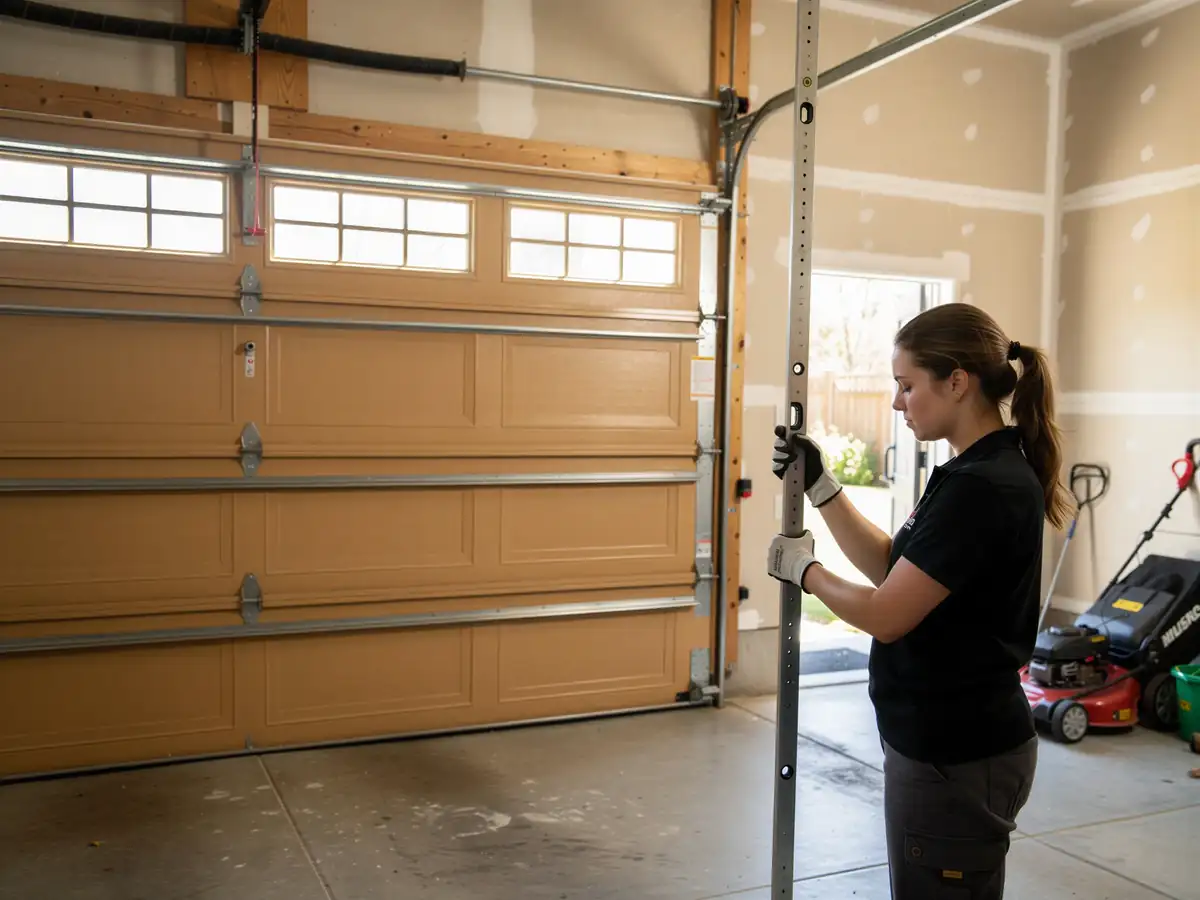
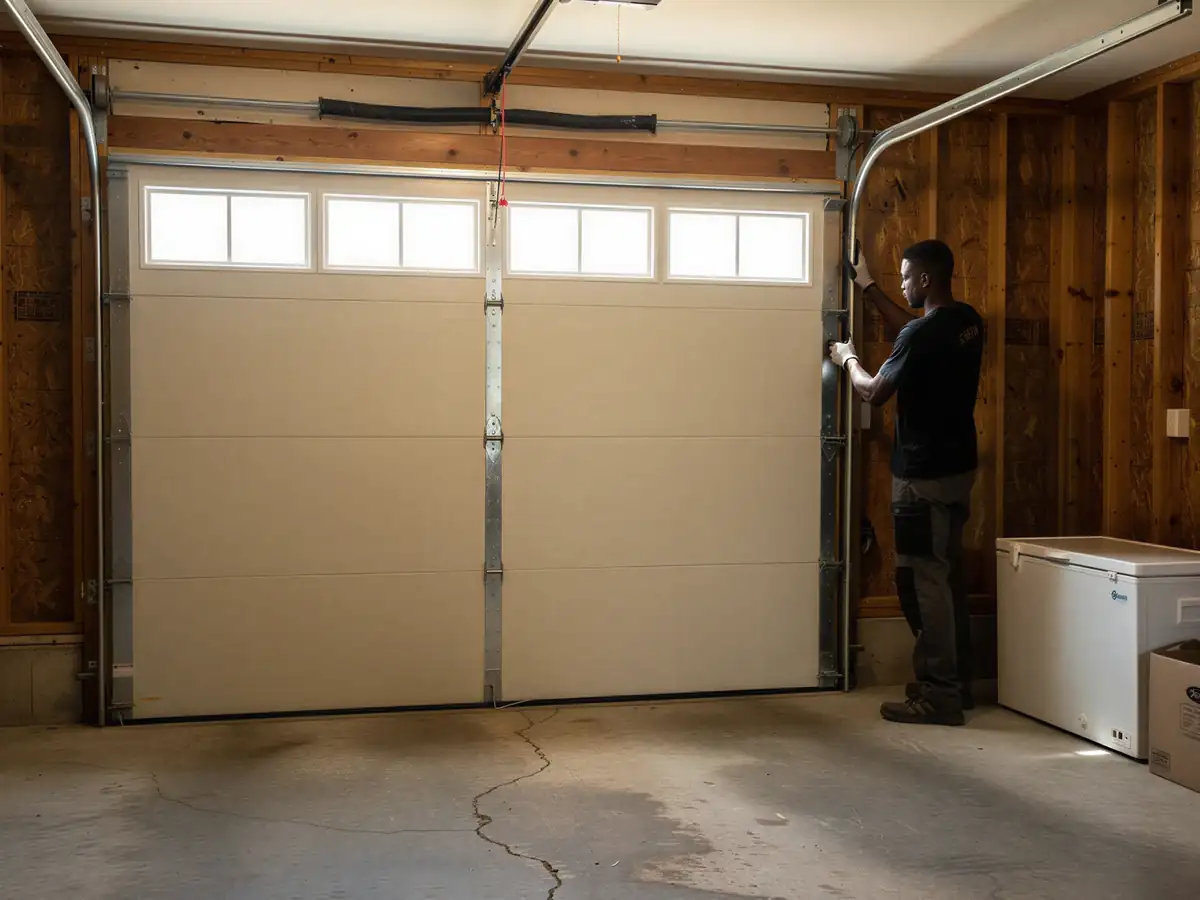
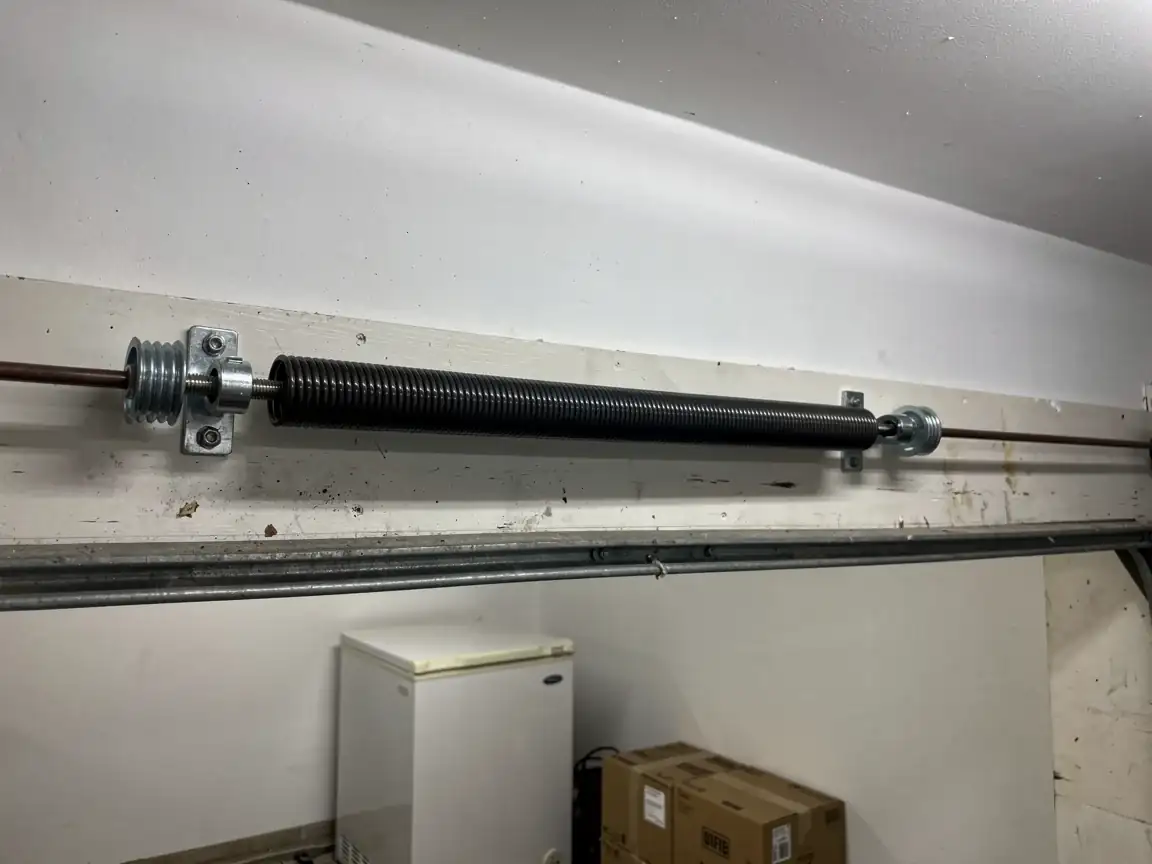
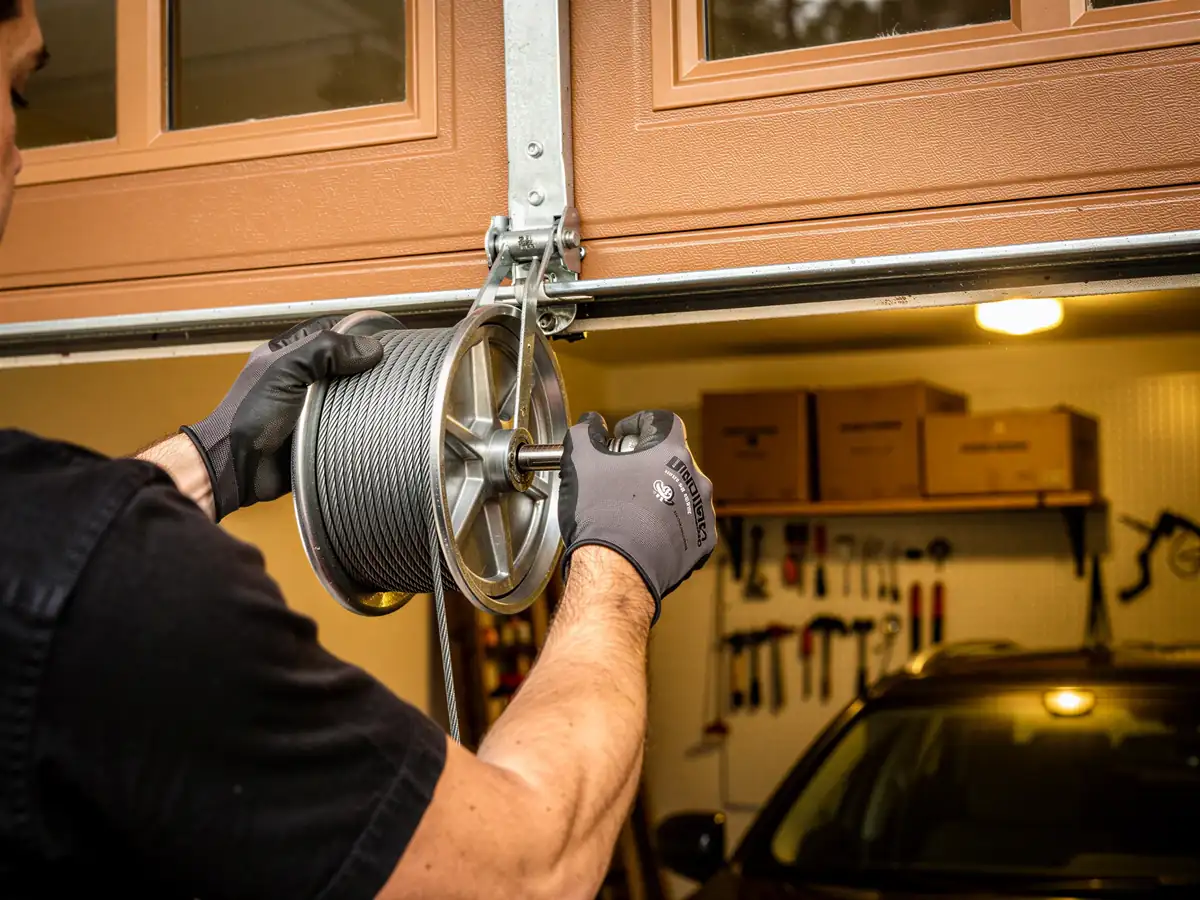
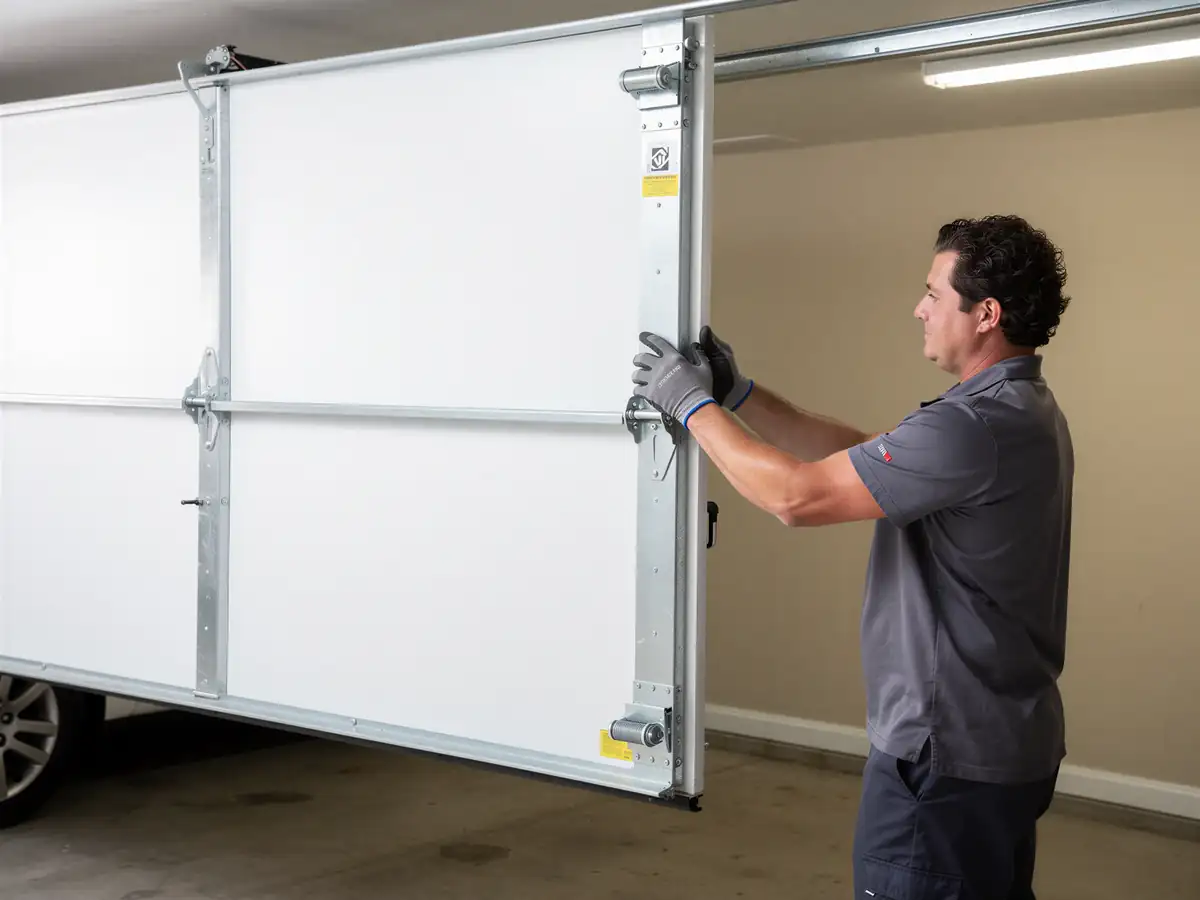
A torsion spring repair is a parts-and-labor job, not a tune-up. The tech pulls the old spring off the shaft, matches wire size, inside diameter, and wind direction to the door's weight and height, and sets the new spring with the correct number of turns. On a double-car door that's more wire under more tension, which is also why this isn't a job to hand a ladder and a wrench to on a Saturday afternoon. Cables, drums, and end bearings get checked at the same time, since a spring that snapped from age often means the rest of the hardware on that shaft is close behind it. We also check the opener's force settings afterward - a door that's been fighting a weak or broken spring for weeks sometimes has the opener motor compensating, and that setting needs to come back down once the spring is doing its job again. None of this requires tearing into the track or the panels unless something else failed with it, which keeps most spring calls a single-visit job.
The Symptom
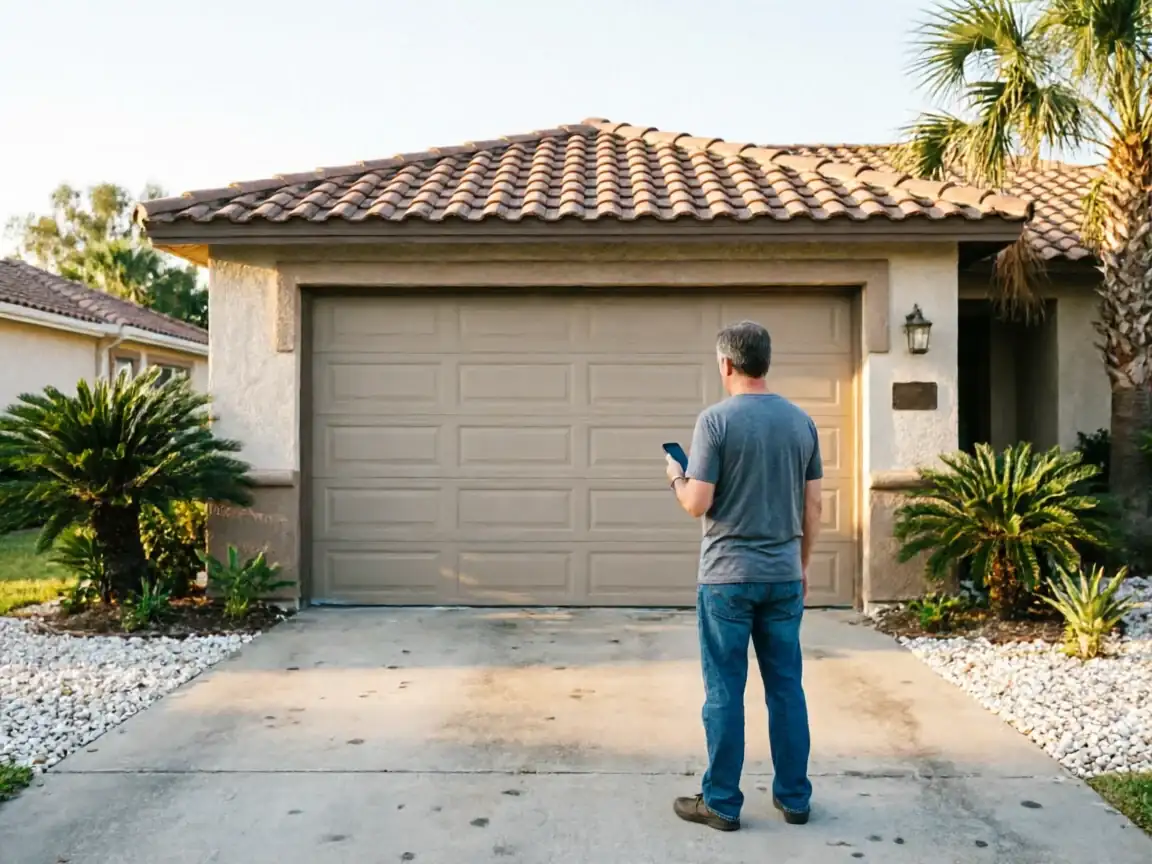
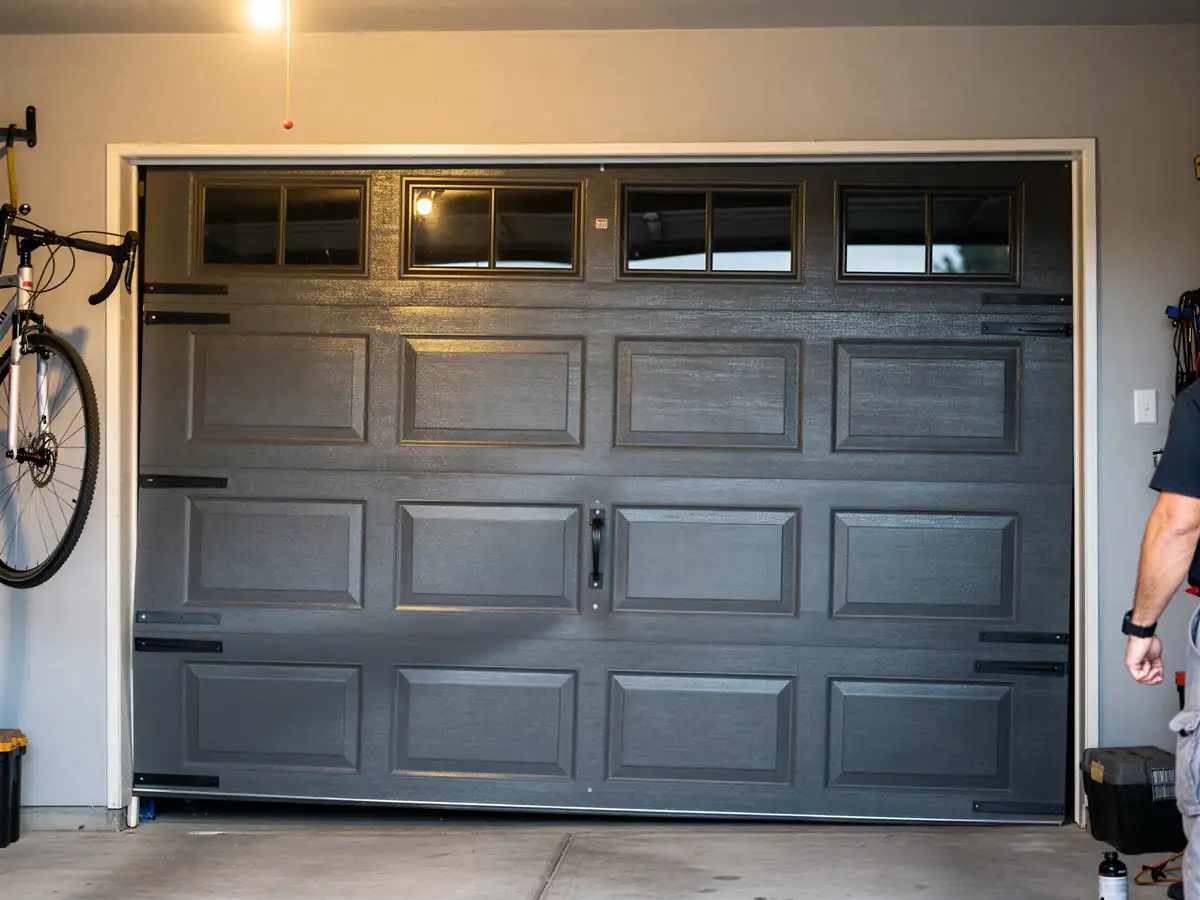
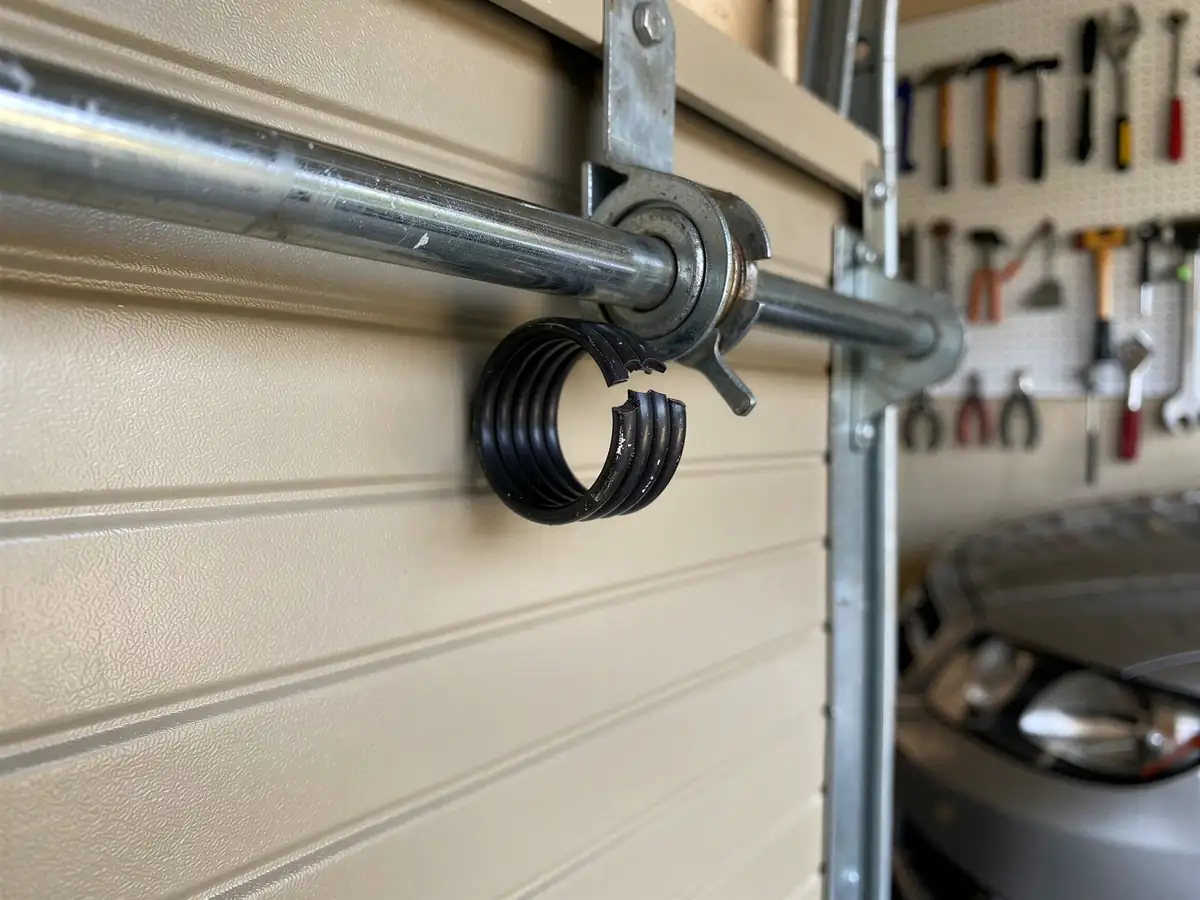
The giveaway is usually simple: the door won't open, or it opens a few inches and stops, and if you pull the emergency release and try to lift it by hand it feels like it weighs twice what it should. That's a broken spring, not a dead opener - openers don't lift garage doors on their own, the springs do the lifting and the opener motor just guides the door along. You might also hear it happen: a loud bang from the garage, often mistaken for something falling or a car backfiring outside. If the door is stuck halfway with a visible gap in the coil above it, stop trying to force it with the opener - that strains the opener's gears against dead weight they're not built to lift. Don't try to drive the car out from under a door caught like that either. It's a straightforward diagnosis over the phone in most cases, which is useful since this isn't a repair anyone should attempt themselves - torsion springs hold enough tension to cause serious injury.