How Long You Are Without the Door
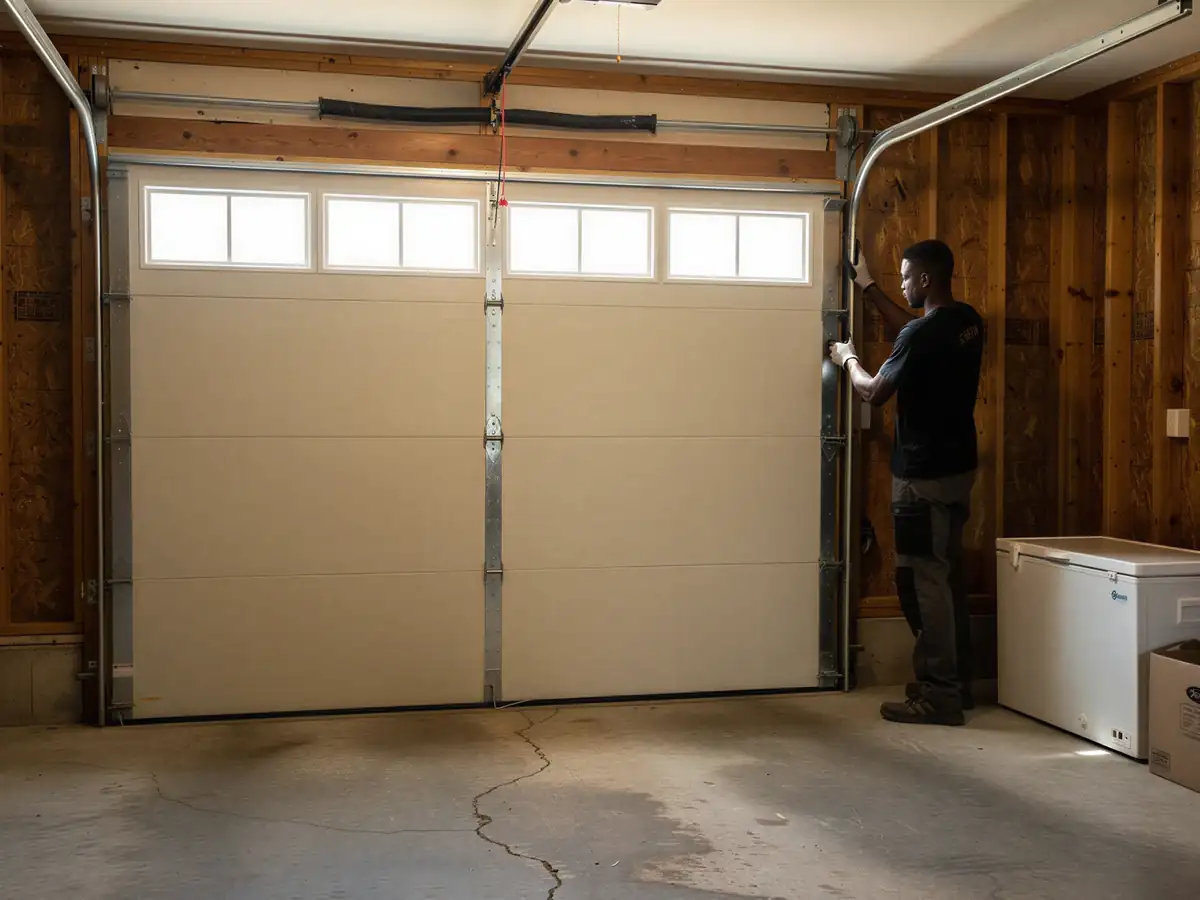
A maintenance visit isn't a repair, so in most cases your door never goes offline at all. We check it, adjust it, and you're back to using it the same day - usually within the hour. That's the point of catching wear before it becomes failure: no morning where the door won't open and no waiting on a part.
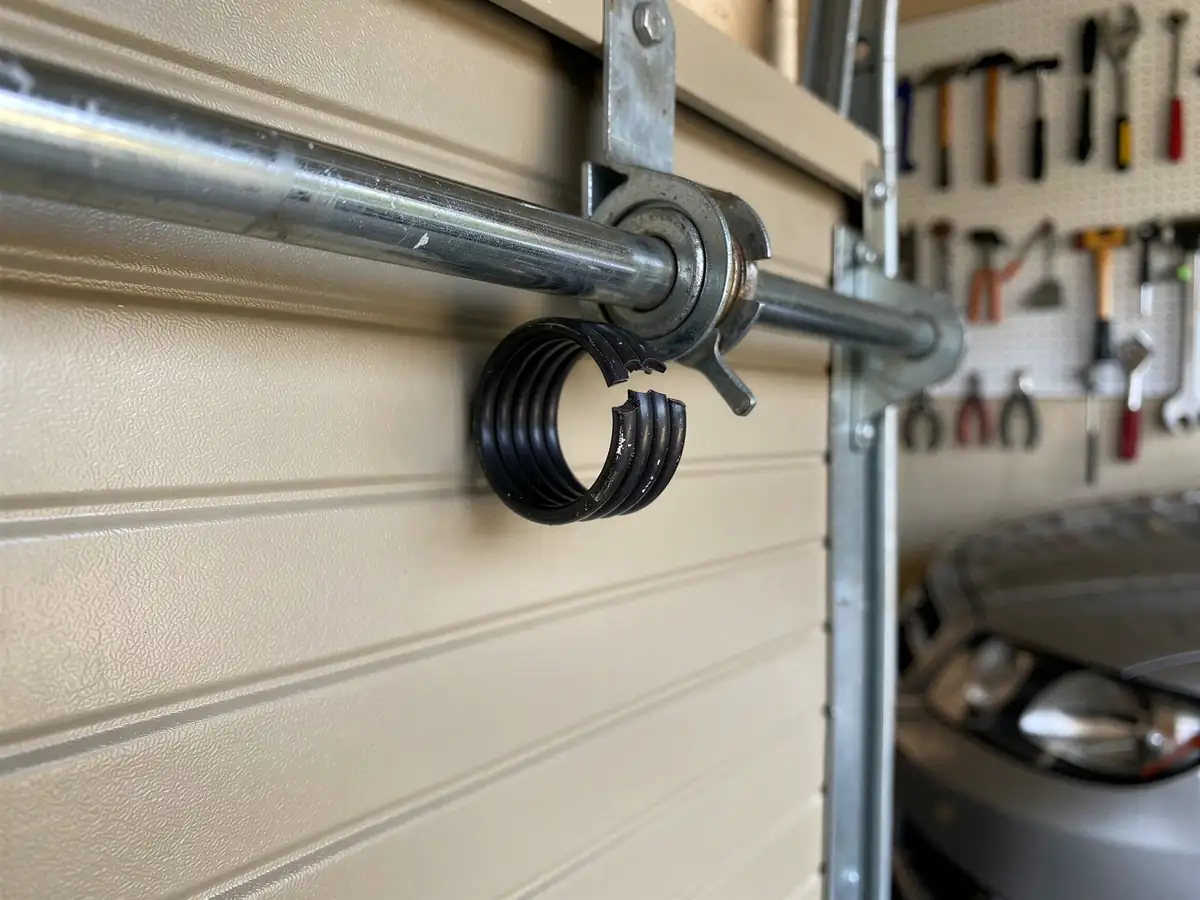
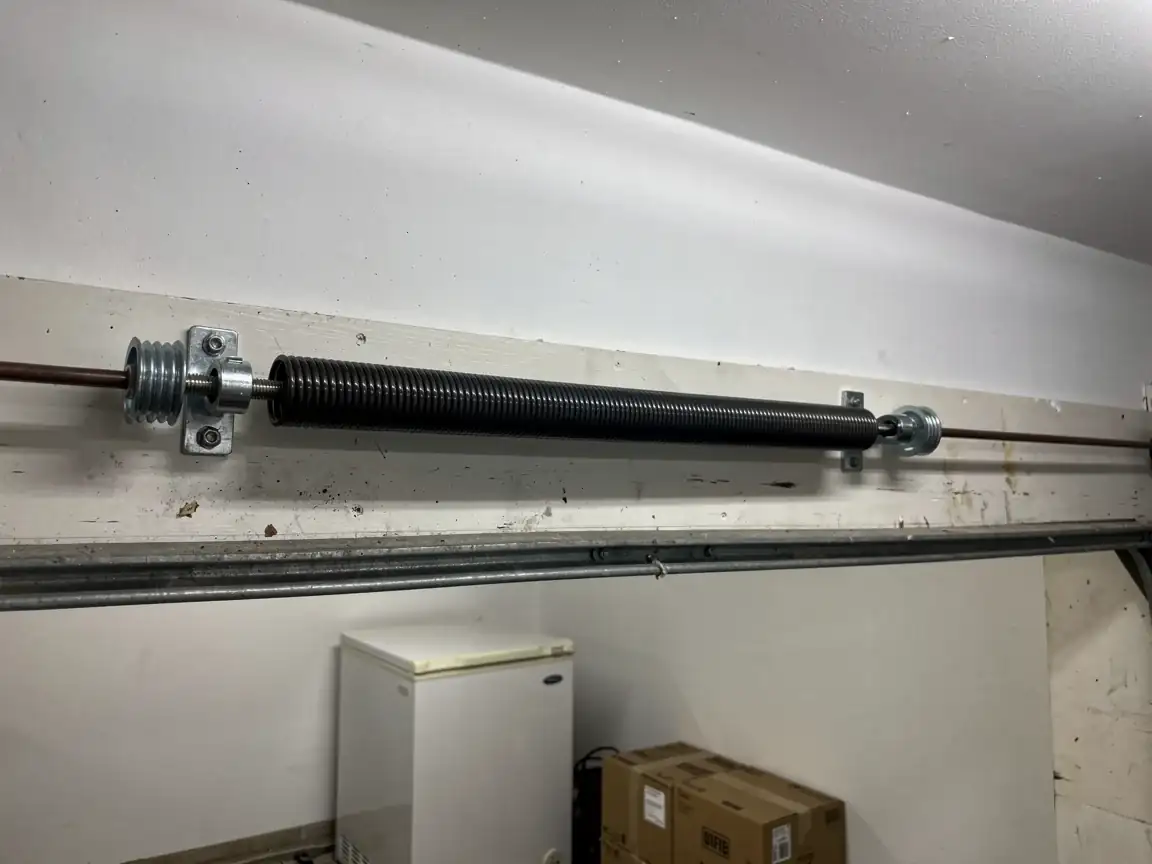
The math changes once something actually breaks instead of just wearing. A torsion spring that was never serviced and finally snaps on a door from the 1986-median housing stock typical of this area can leave you without a working door until a tech gets a matched spring on the truck, sometimes a day or two depending on the size and the supplier. A rusted roller that's been grinding for months can seize a track overnight.
Maintenance is cheap insurance against that gap. We're not going to pretend every job stays small forever - some hardware from the 1970-2006 build window is far enough gone that it needs replacing outright, not adjusting. But a yearly check catches most of that before it turns into an emergency call and a day with the car stuck in the driveway.
What the Repair Takes
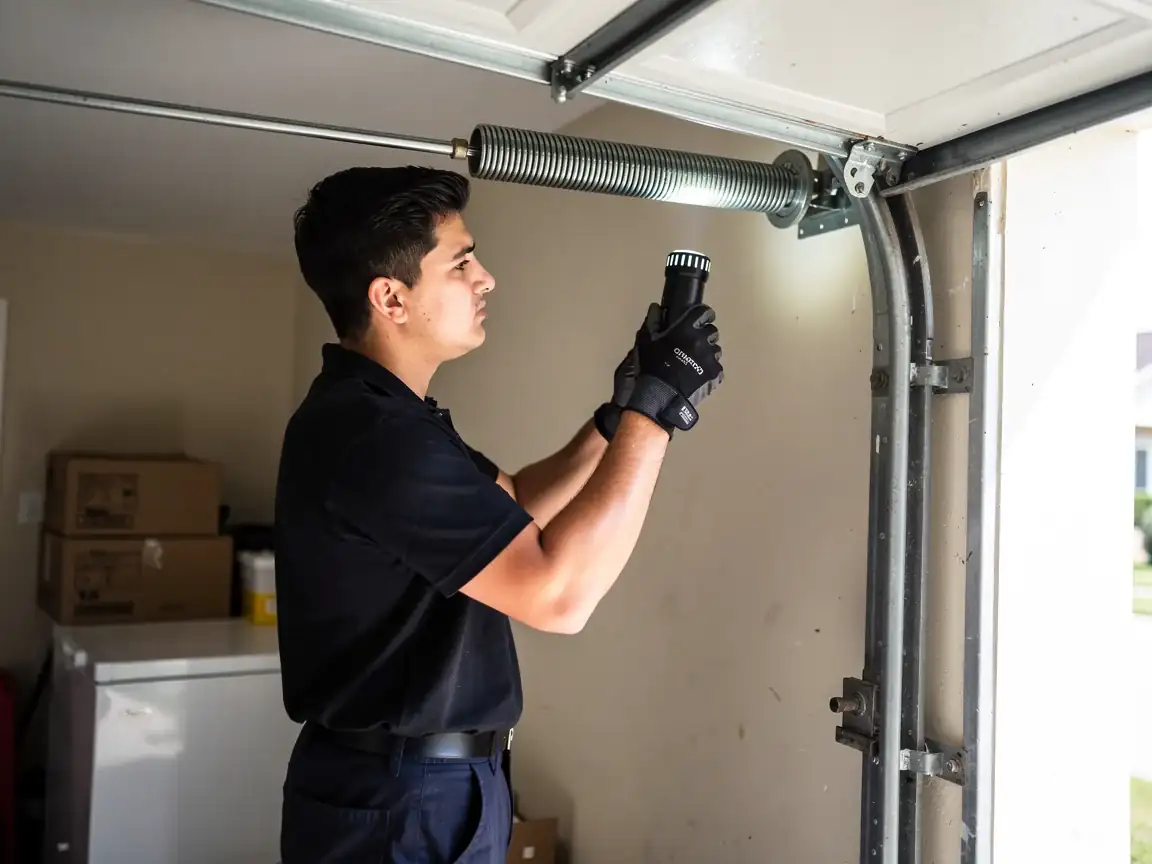
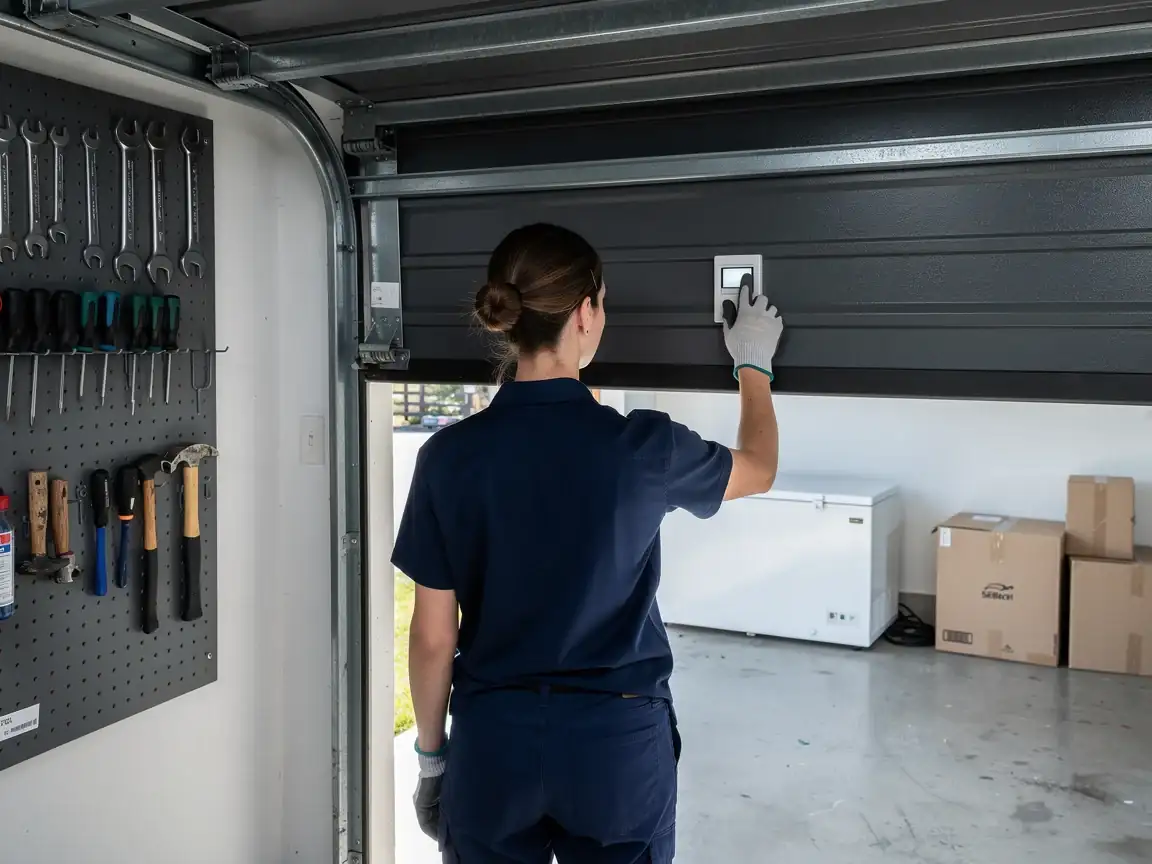
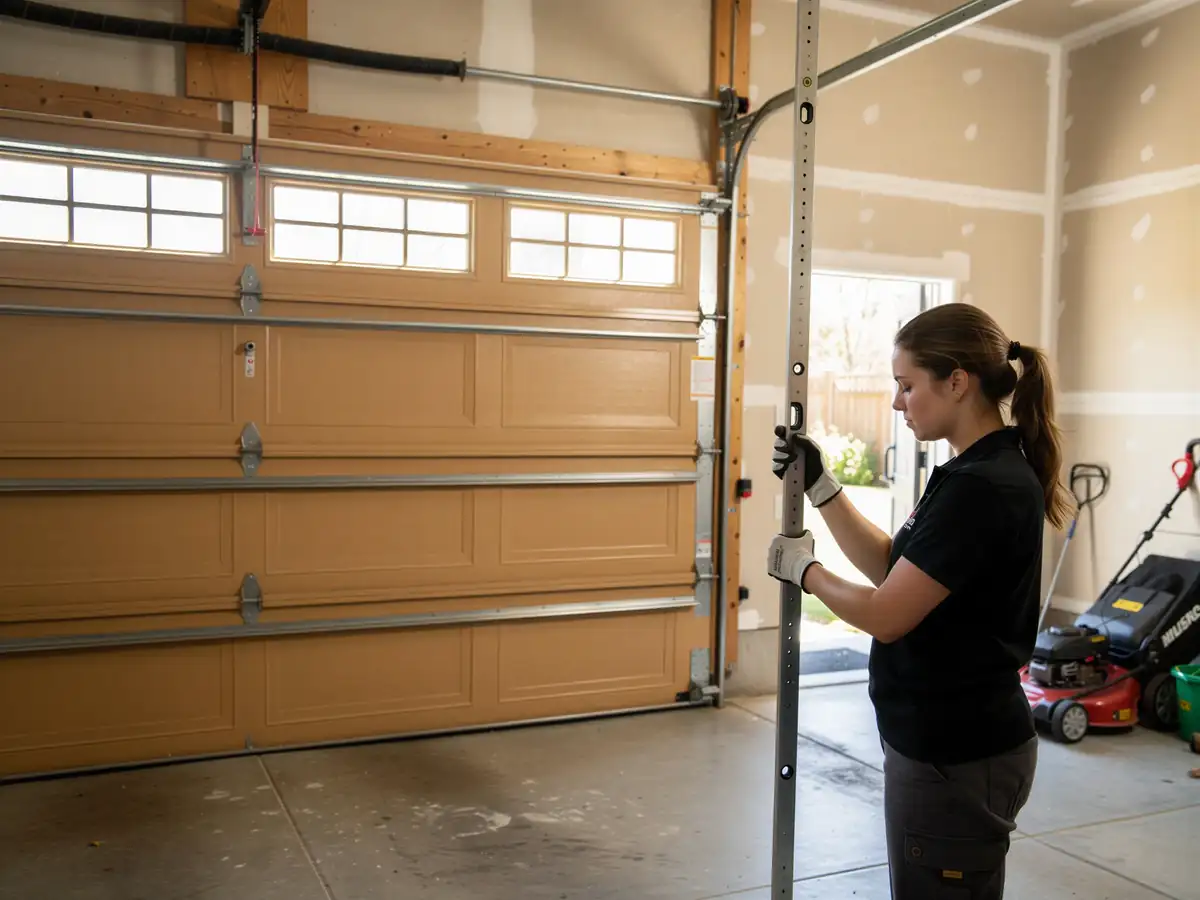
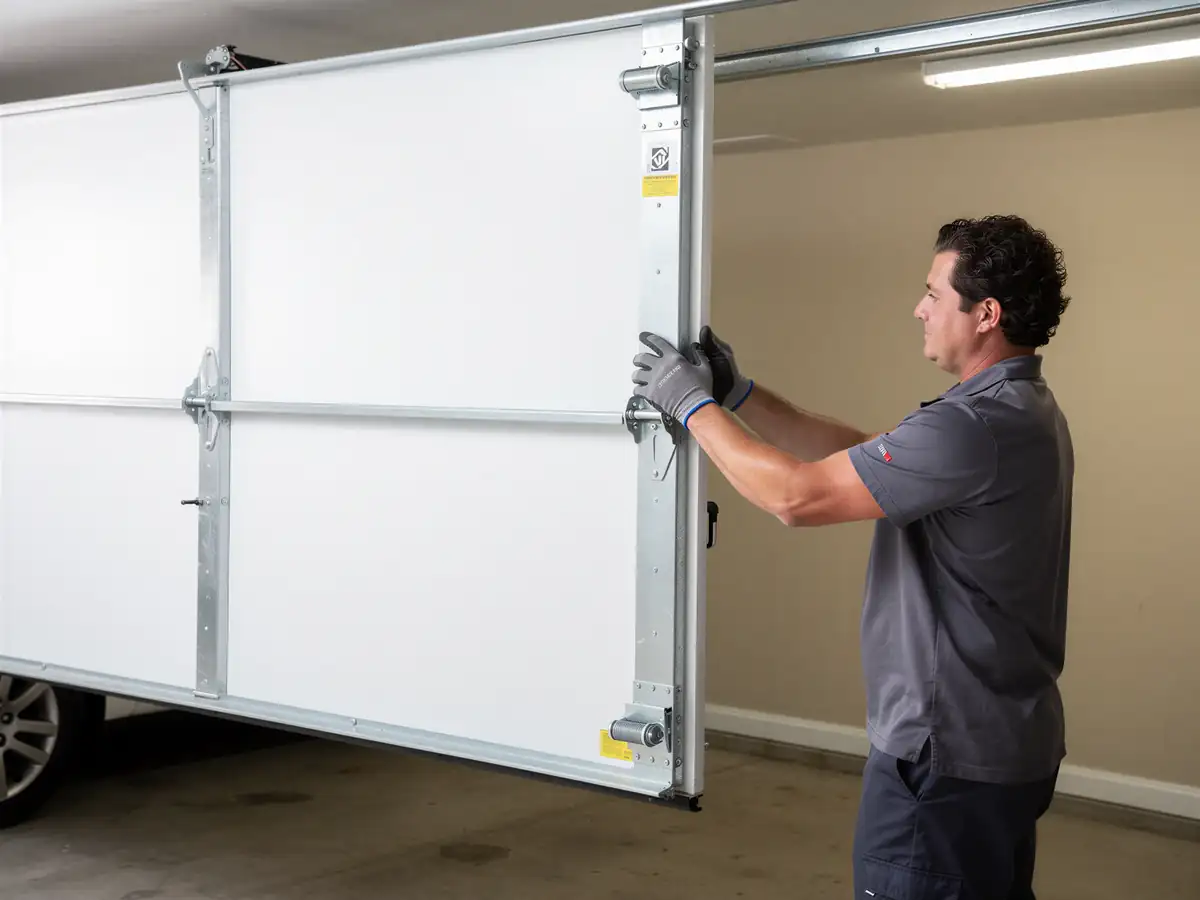
A standard maintenance visit covers the whole opening: spring tension check and balance test, roller and hinge inspection, track alignment, cable condition, weatherstrip seal, and opener safety reverse. We lubricate moving metal parts with the right lubricant for this climate - not WD-40, which washes out fast in humid air and attracts grit.
Most of that work is visual and hands-on, not parts replacement. If a roller is cracked or a hinge is rusted through, we'll tell you and quote it separately rather than bundling surprise costs into a maintenance call. If a spring is near the end of its cycle life, we'll flag it before it breaks rather than after.
One honest limit: maintenance doesn't reset the clock on hardware that's already near failure. If your springs are original to a house built in the 1980s or 90s, a tune-up extends what's left of their life - it doesn't make them new. At some point replacement is the better call, and we'll say so instead of running another service visit on parts that are done.
Why It Happens Here
Housing across this service area was mostly built between 1970 and 2006
With the median sitting around 1986, and the 18 named communities we cover share that same 1980s-90s stock. That matters for maintenance because a lot of these doors are running original torsion springs, steel rollers, and galvanized track hardware that's now thirty to fifty years old - well past the point where a yearly check pays for itself.
The mild temperate climate here doesn't put the kind of freeze-thaw stress on hardware that cracks bolts up north
But it brings its own wear pattern. Consistent humidity keeps unlubricated steel damp more often than dry, which speeds up surface rust on hinges, roller shafts, and track bolts even without a hard freeze to blame. Add daily heat cycling on a metal door and track, and bare hardware expands and contracts enough to loosen fasteners over a season.
That combination - older original hardware plus a climate that corrodes steel quietly rather than cracking it suddenly
Is why a door here can look fine and still be a lubrication visit away from a stuck roller or a spring that's lost most of its tension without ever showing an obvious crack.
The Symptom
The early signs are small enough that most people live with them for months before calling. A door that used to glide now hesitates partway up. The opener motor runs a beat longer than it used to, straining against a spring that's lost tension. Rollers that once turned silently start grinding, especially on the first opening of the day after sitting in damp air overnight.
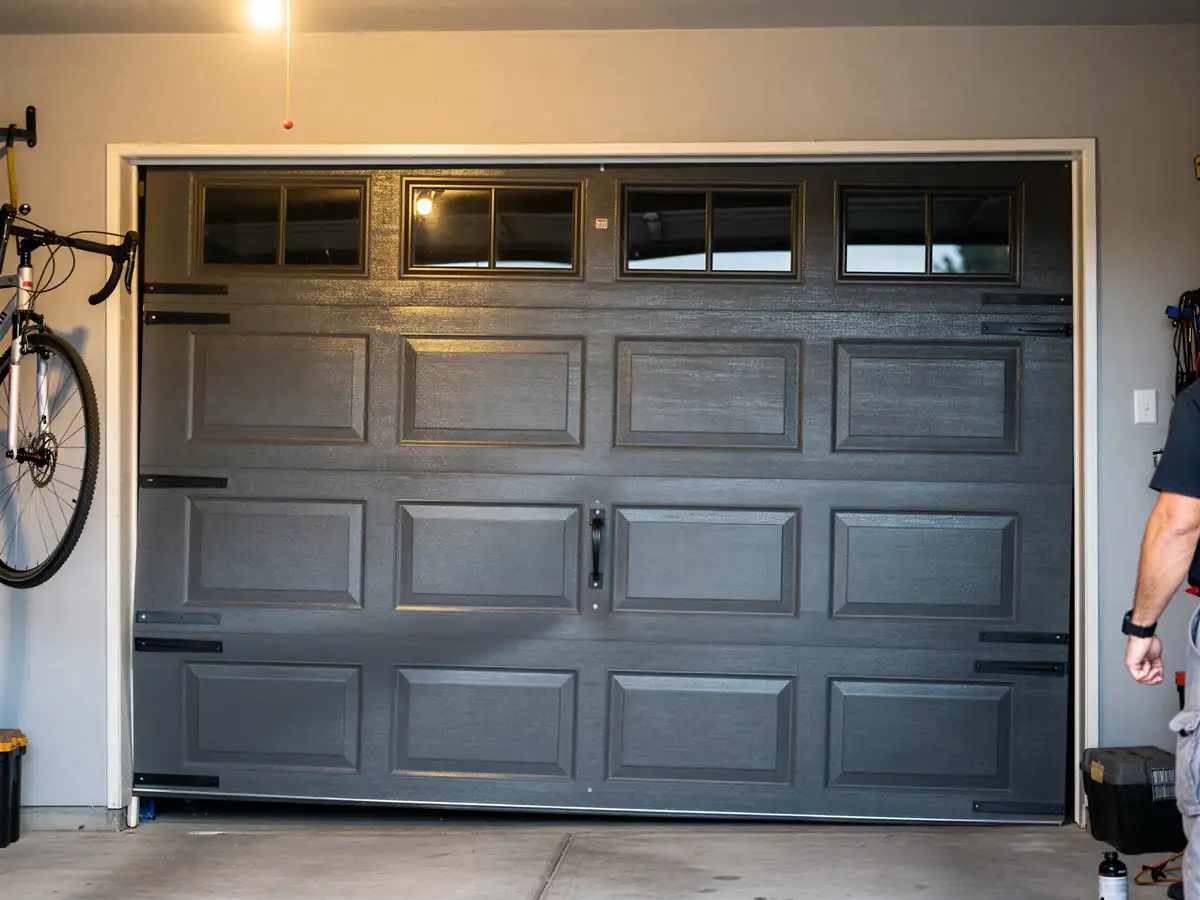
You might also notice the door closing unevenly - one side reaching the floor a half-second before the other - which points to uneven spring wear or a bent track rather than anything electrical. A door that reverses on its own partway down is often an opener sensor doing its job because something in the track has shifted out of alignment.
None of these on their own mean the door is about to fail. But on hardware from the 1970-2006 build era that's been sitting in a climate that keeps humidity in constant contact with bare steel, they're usually the early stage of the same wear pattern: rust slowing a roller, tension dropping on a spring, a bolt working loose from heat cycling. Catching it at this stage is what a maintenance visit is for.