What Local Conditions Do
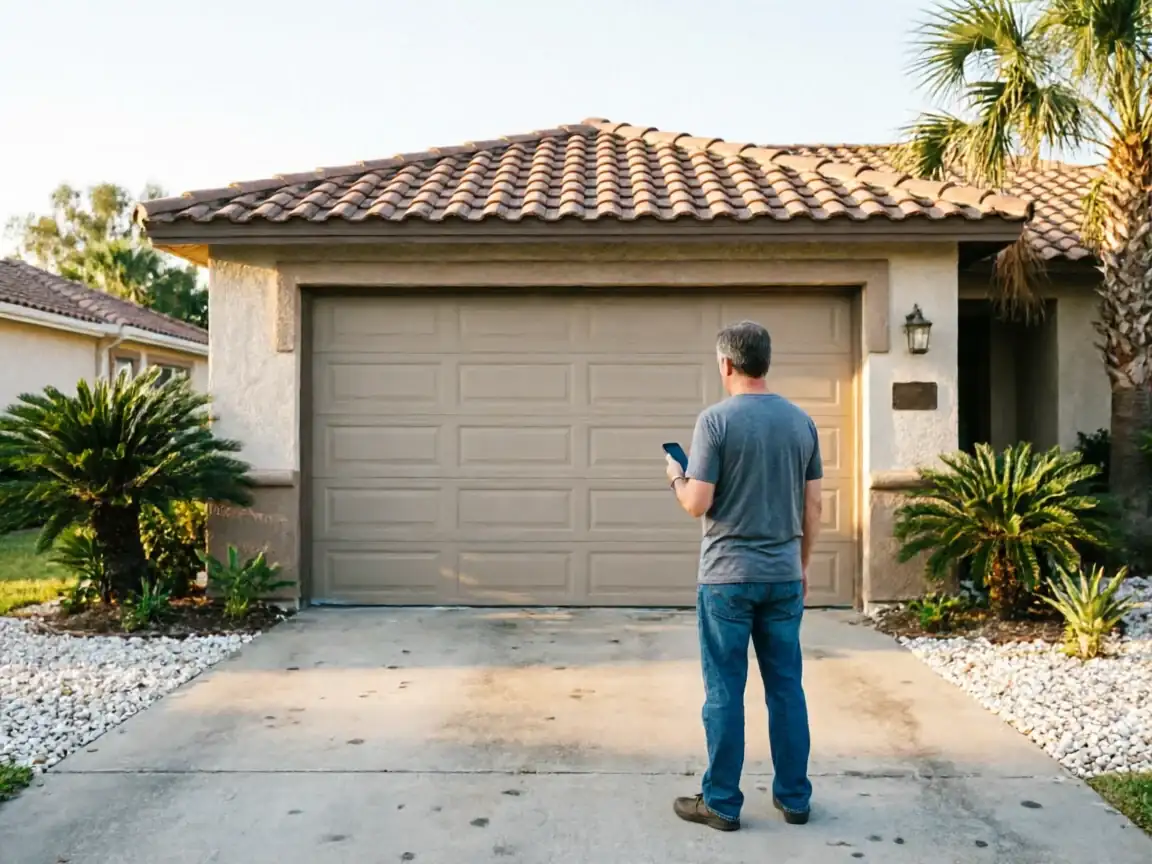
Lehigh Acres sits in a mild temperate band, which means most of the year the steel in your torsion spring is doing one thing: sitting hot, expanding under a Florida sun that doesn't let up for months. That's the normal condition here, not the exception. Then a cold front moves through, overnight temps drop faster than the air inside your garage can follow, and the spring contracts hard and fast. A spring that's been stretched and relaxed thousands of times in the heat already has microscopic fatigue in the coil. The cold contraction is often the thing that finishes it off, not because the cold itself is severe, but because it's sudden after months of the opposite stress. Most houses in this area went up between 1970 and 2006, with the median landing around 1986, so a lot of these springs have been through thirty or more of these heat-to-cold cycles already. Owners here tend to associate spring failure with northern winters, so when it happens on a 45-degree night in Lehigh Acres, it catches people off guard. It isn't random. It's the predictable result of a mild climate that still throws the occasional sharp temperature swing at aging hardware.
What to Check
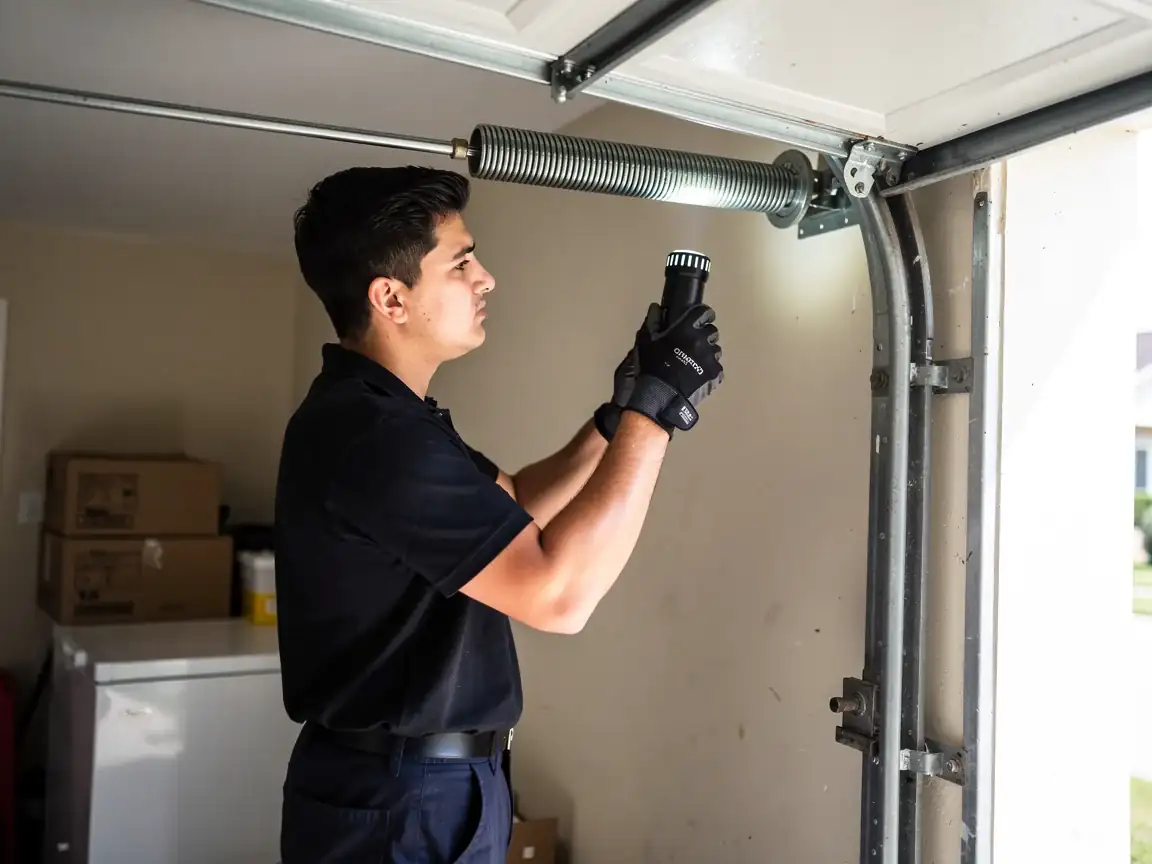
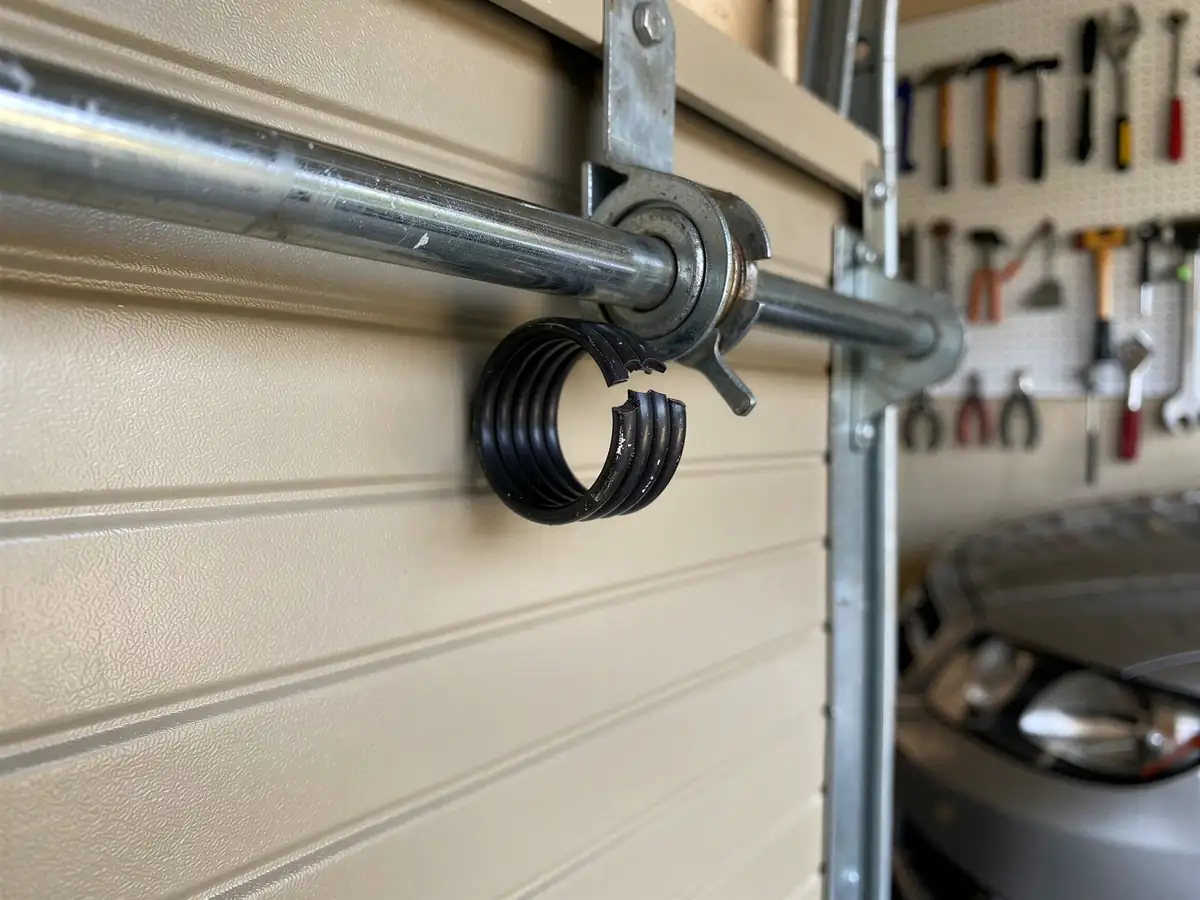
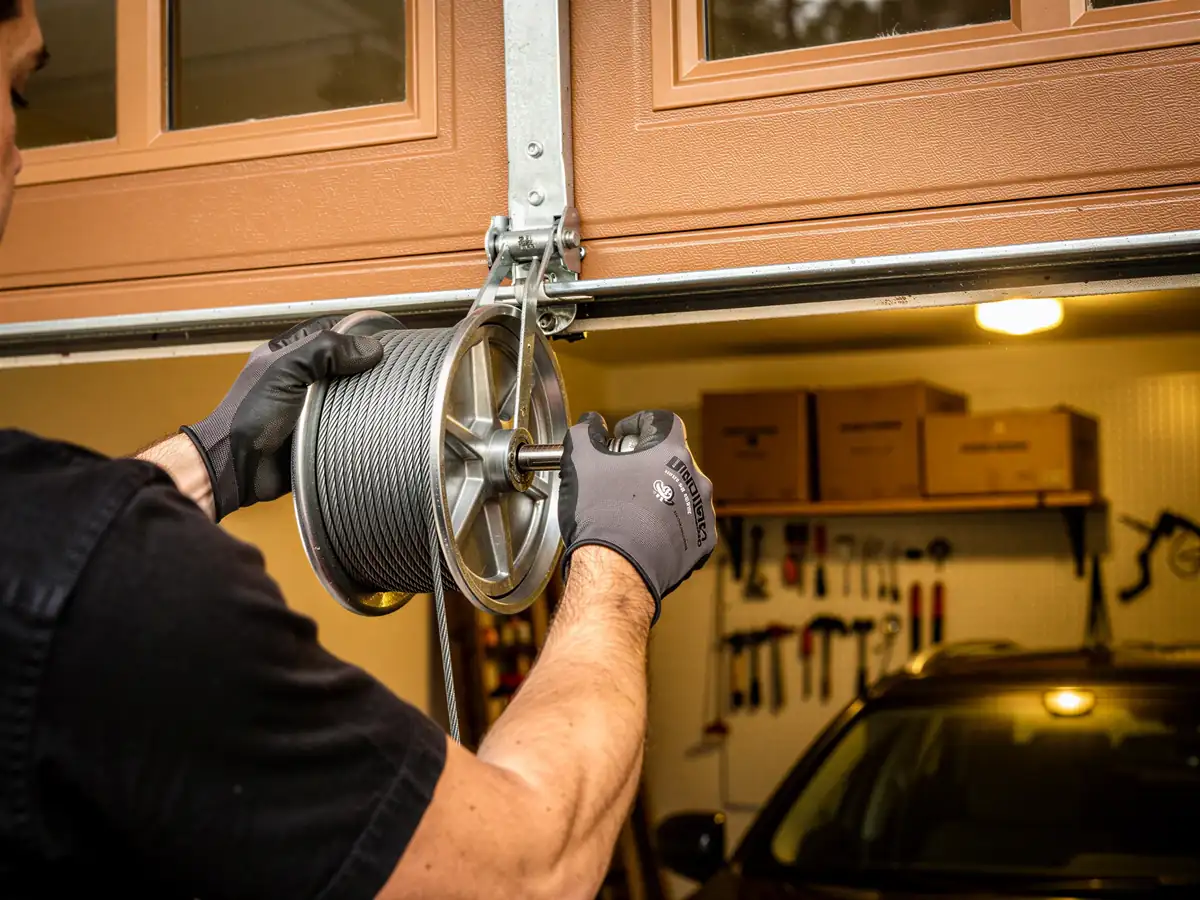
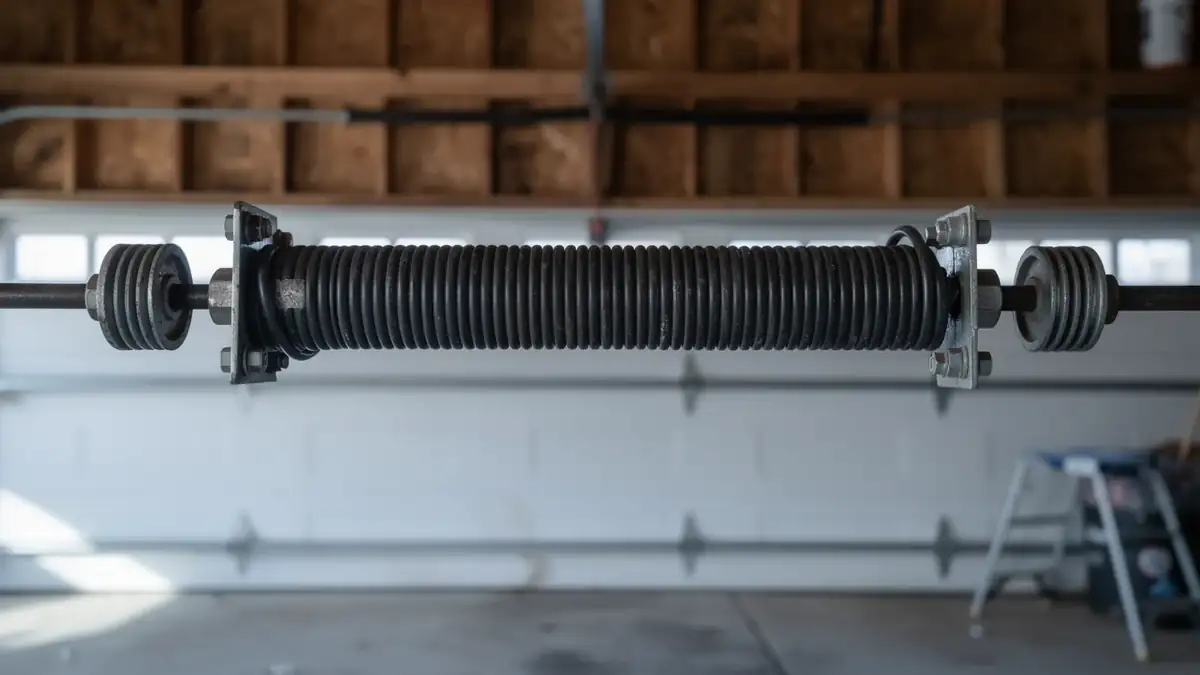
Start by looking at the coil itself. Gaps between the winds that weren't there before, or a coil that looks stretched compared to the others, means the spring is near the end of its life regardless of the forecast. Check for rust streaks on the spring or the mounting bracket. In the mild temperate conditions here, rust tends to show up slower than in humid coastal towns, so a rusty spring in Lehigh Acres is often older than it looks, not newer. If your home falls into the 1980s-90s construction wave that makes up most of the stock in this area, check whether the spring has ever been replaced at all. A lot of these doors are still running factory-original hardware. Listen for the door, too. A grinding or popping sound on the way up, or the door feeling heavier than it used to when you lift it by hand with the opener disconnected, both point to a spring that's close to giving out. Check this before a cold snap, not after the door is stuck halfway up with the cable slack on one side.
What Is Going On
Torsion springs are rated for a number of open-close cycles, not a number of years, but the two are related because of how temperature affects the metal. In a mild temperate climate like this one, the spring spends most days in a warmer, slightly expanded state. The occasional cold night forces a faster contraction than the spring sees on an average day, and that mismatch is where small cracks in the coil turn into a full break. This isn't unique to one house. Across the roughly 34,500 owner-occupied houses in this service area, a large share were built in that same 1970-2006 window, meaning a lot of springs installed at construction or at the first replacement are now old enough to be in this fatigue zone. The fix isn't complicated. It's a spring swap, sized to the door weight and wound to the right number of turns. What makes it worth doing proactively, rather than waiting for the break, is that a snapped spring under tension can damage the cable, the drum, or the opener if the door drops hard.