How Long You Are Without the Door
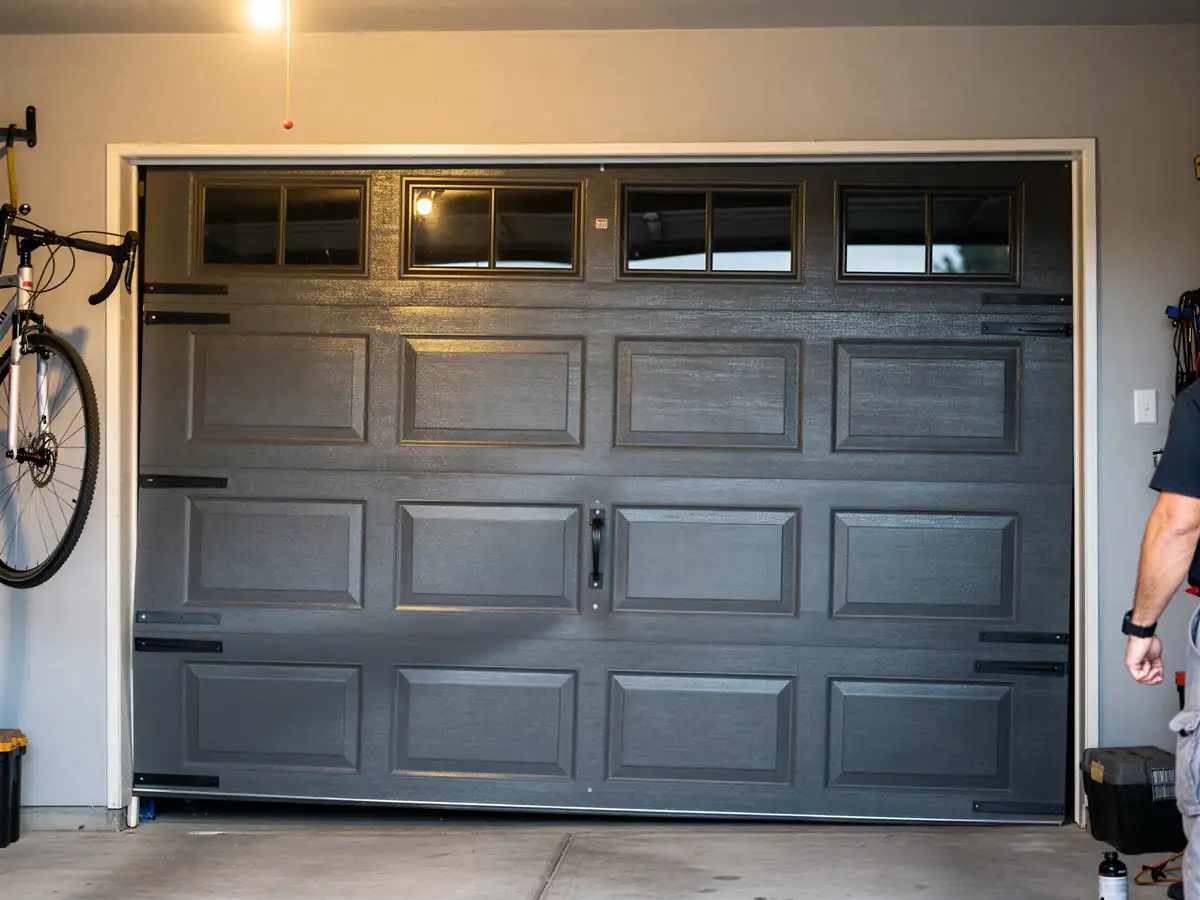
Once a door is off its track, you stop using it. Running an opener against a door that's bound up on one side can snap a cable, bend the track further, or pull the opener bracket out of the header - any of which turns a same-day fix into a bigger bill. So the honest answer is: you're down until someone gets eyes on it, and we don't post a blanket response window on this page because it depends on the day and where the call falls in the route for that part of the service area. What we can tell you is that most off-track calls across the Lehigh Acres area get a tech out and the door back on its hinges, or safely blocked if it needs a part, in one visit. If a part has to be ordered - a bent section of track, a roller carrier - that's the one piece we can't control the timeline on. We'd rather say that upfront than promise a number we can't hit for every house in the 18 sections this area covers.
What the Repair Takes
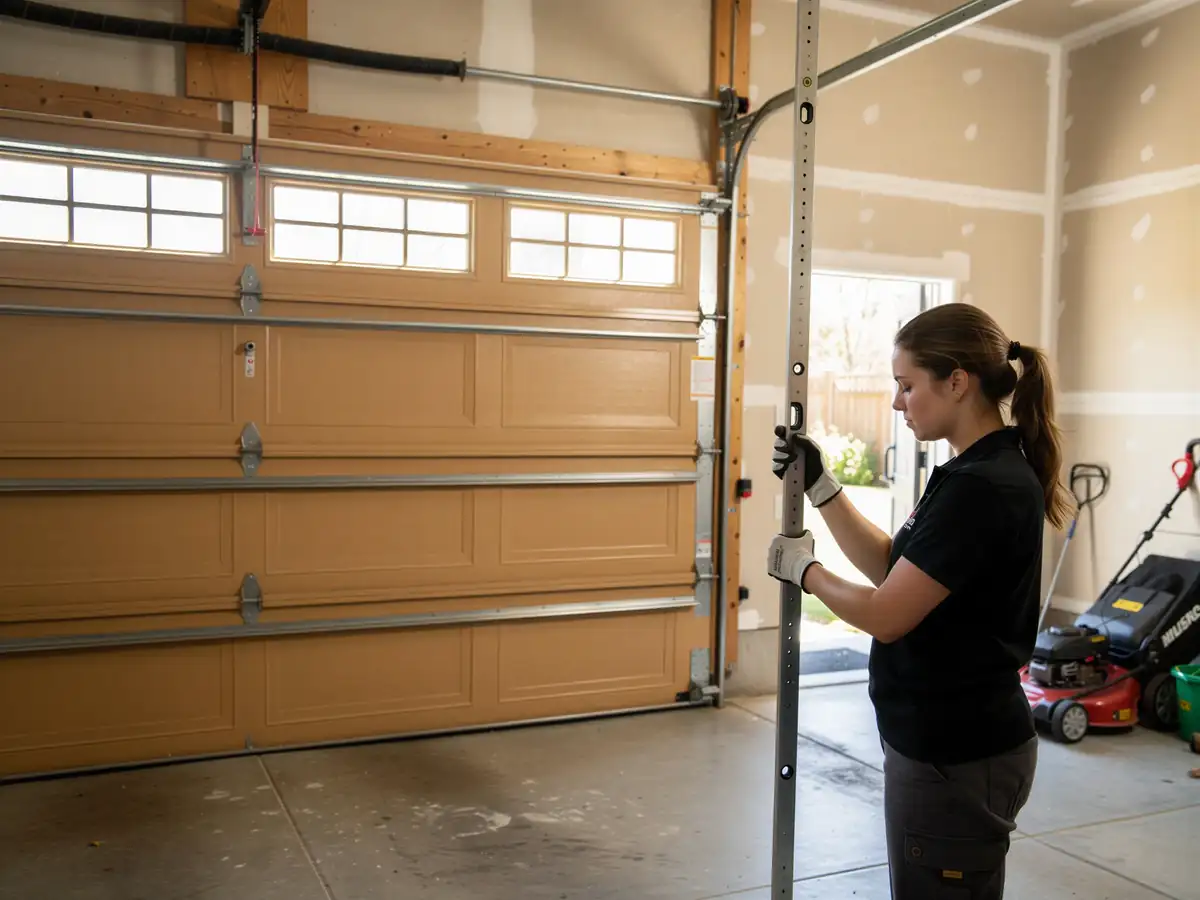
First step is figuring out whether the track got knocked loose or actually bent. A loose track - brackets pulled from the jamb, hardware backed out over years of vibration - gets re-set, shimmed plumb, and bolted back tight, then the rollers get re-seated and the door is run through a full cycle to check it tracks square top to bottom. That's usually the faster, cheaper half of these calls.
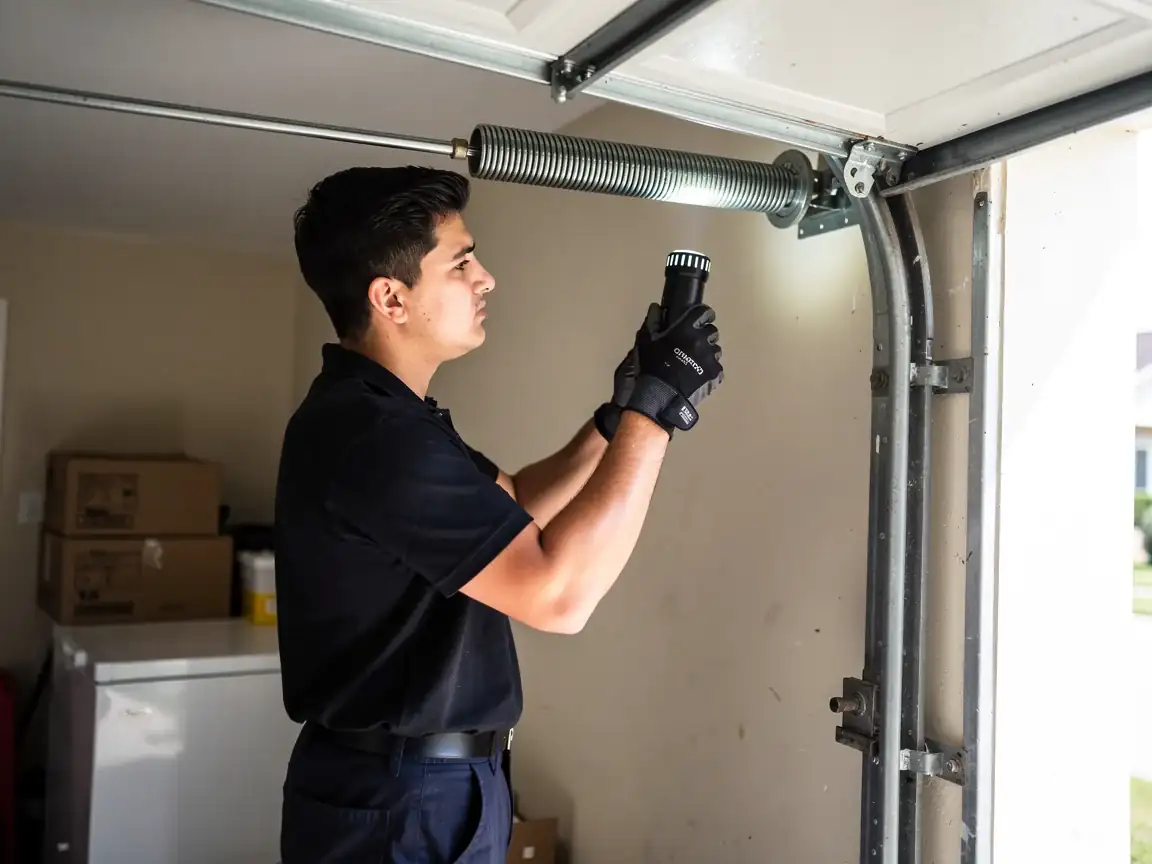
A bent track is different. Once steel track has a kink in it, bending it back rarely holds - the metal has a memory and it walks back out of true within a few weeks. On those jobs the honest fix is replacing the bent section rather than wrestling it straight, even though that costs more up front. We'll show you the bend and explain why straightening it is a short-term patch, not a repair. While the track's open we also check cable condition and roller wear, since a door that's been running crooked for a while tends to chew through both faster than a door that's tracked true.
Why It Happens Here
Most of Lehigh Acres's housing went up between 1970 and 2006
With the median build year sitting around 1986, and the bulk of that stock across the area's 18 named sections is 1980s and 90s construction. That generation of garage doors came with builder-grade steel track and roller hardware - fine for the first couple decades, but by now a lot of those brackets have worked loose from thirty-plus years of daily cycling.
It isn't freeze-thaw doing the damage here the way it would up north
Lehigh Acres sits in a mild temperate band, so the stress on these doors comes from different places: daily cycling in a climate where the garage gets used year-round, jamb movement from humidity swings, and track brackets that were never upgraded past what the original builder put in. A door that's fine for years can start walking off true once one bracket screw backs out, and in houses built in that 1970-2006 window, that's usually original hardware doing the backing out.
The Symptom
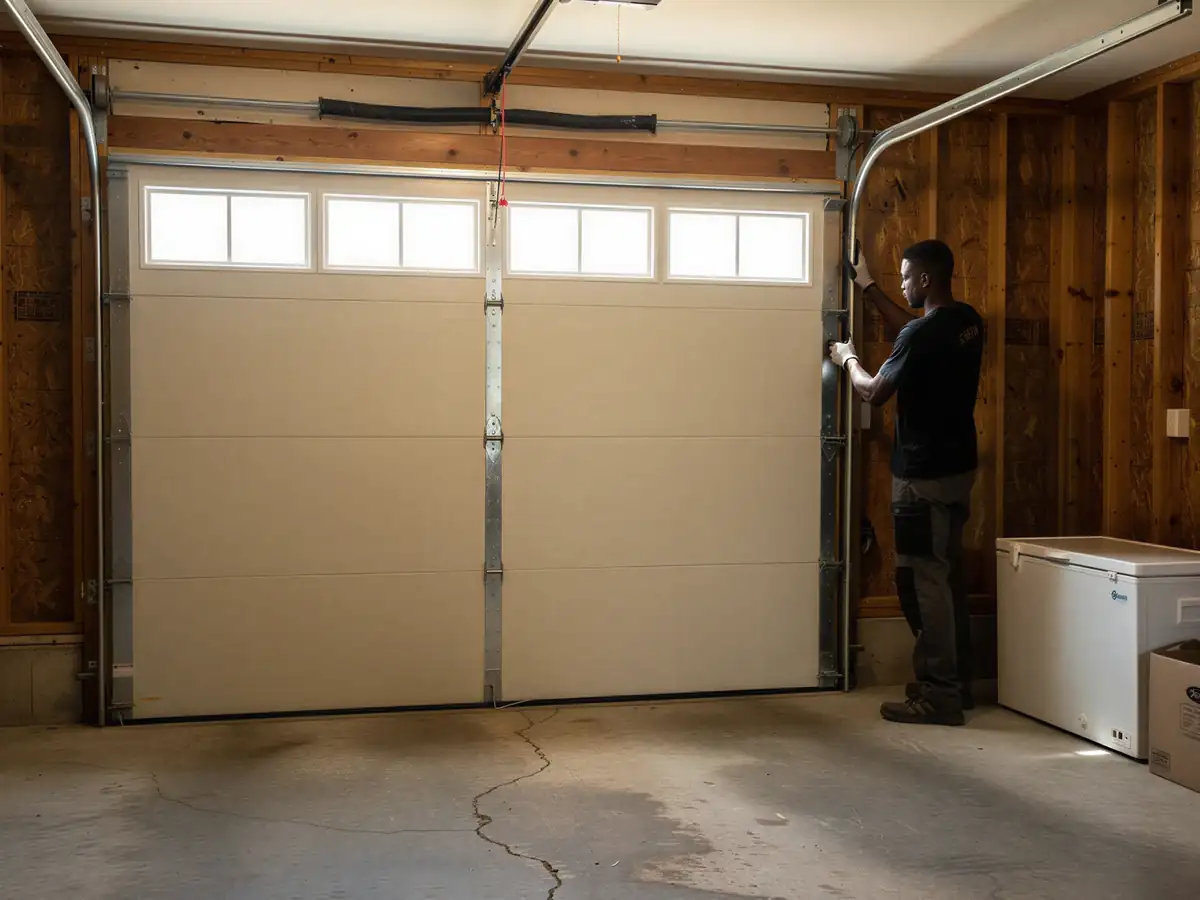
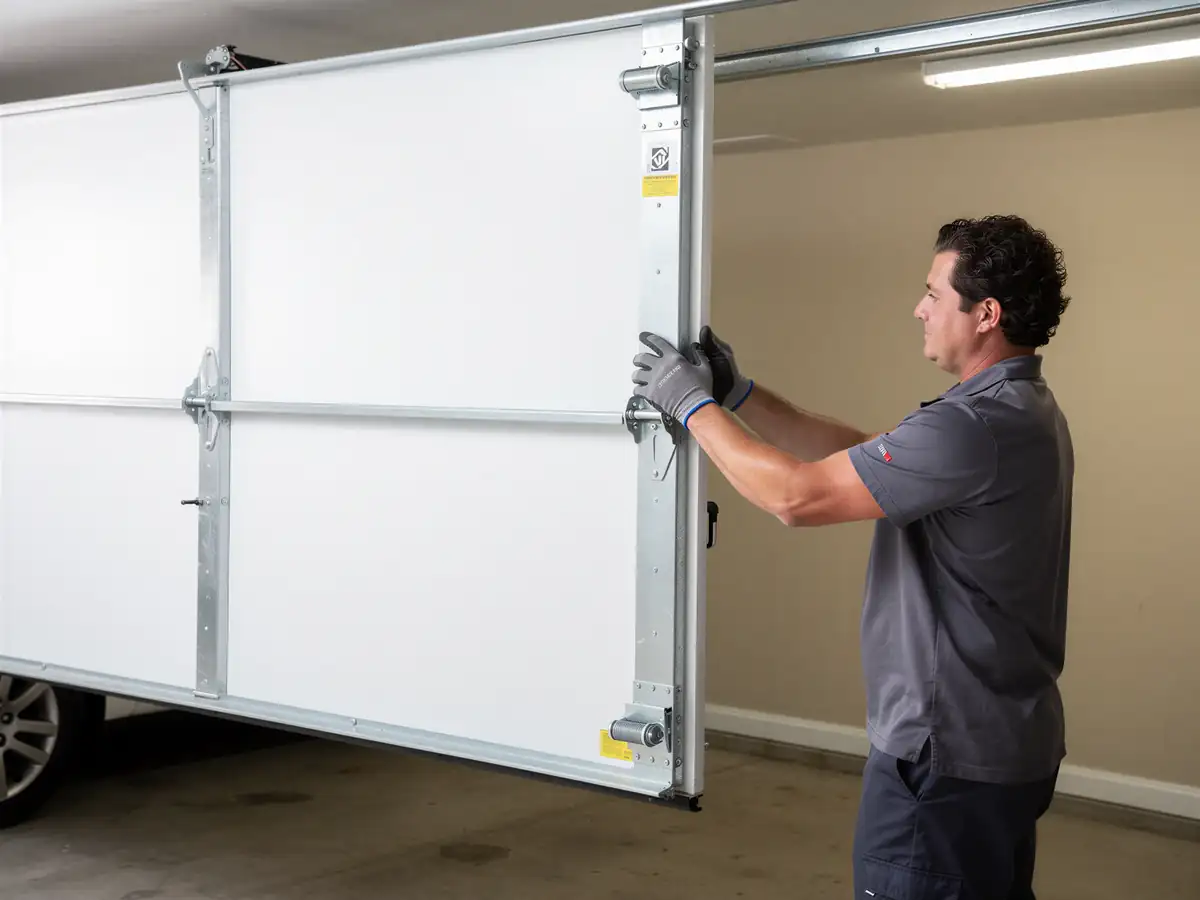
An off-track door doesn't always look dramatic. Sometimes it's obvious - a roller popped clean out of the track and the panel hanging crooked in the opening. More often it starts small: the door looks slightly tilted when it's down, there's a wider gap on one side at the bottom, or it grinds and hesitates partway through the cycle instead of running smooth. You might hear a roller clack against the track edge instead of rolling inside it.
If the door still moves but sounds wrong or sits crooked, that's usually a track that's shifted slightly rather than failed outright - catch it there and it's a straightforward re-alignment. If the door has stopped moving altogether, or a panel is visibly hanging below the rest, stop running the opener. Forcing it at that point is how a loose-track problem turns into a bent-track problem, and that's the repair that costs more and takes longer.