What Local Conditions Do
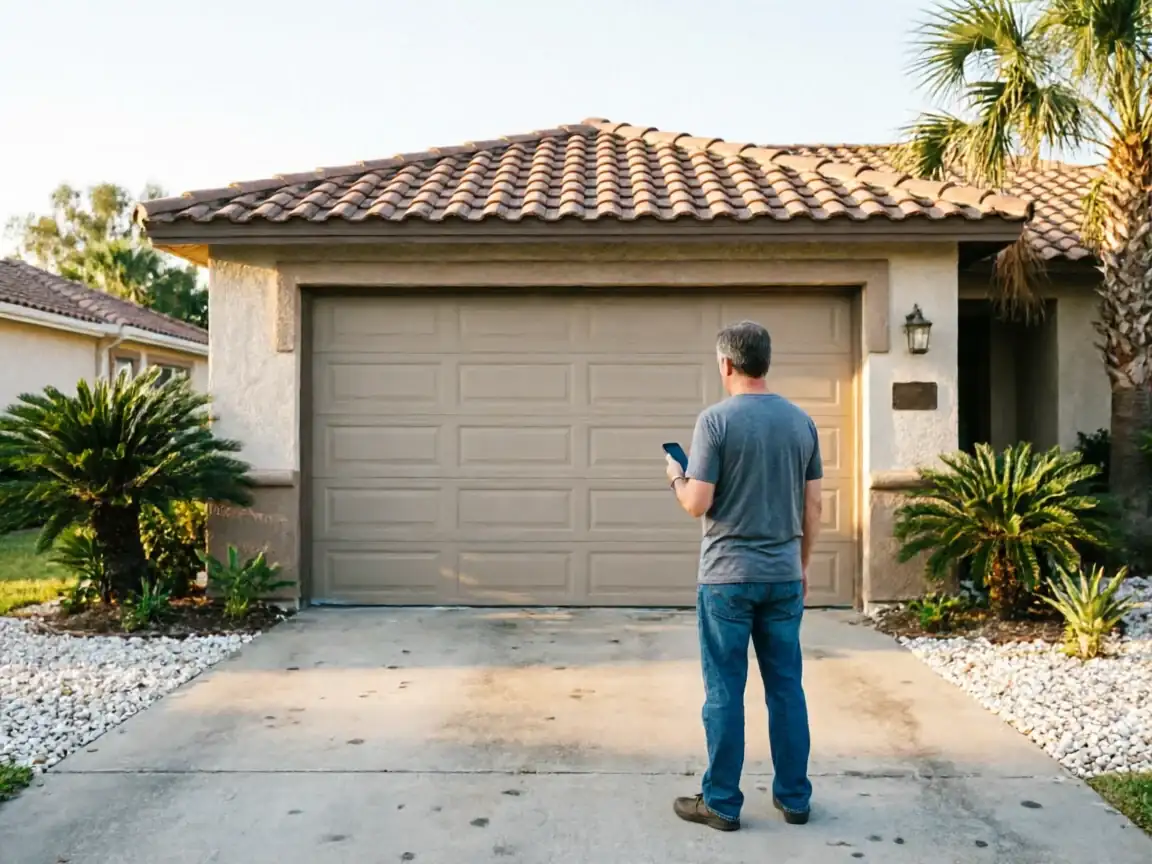
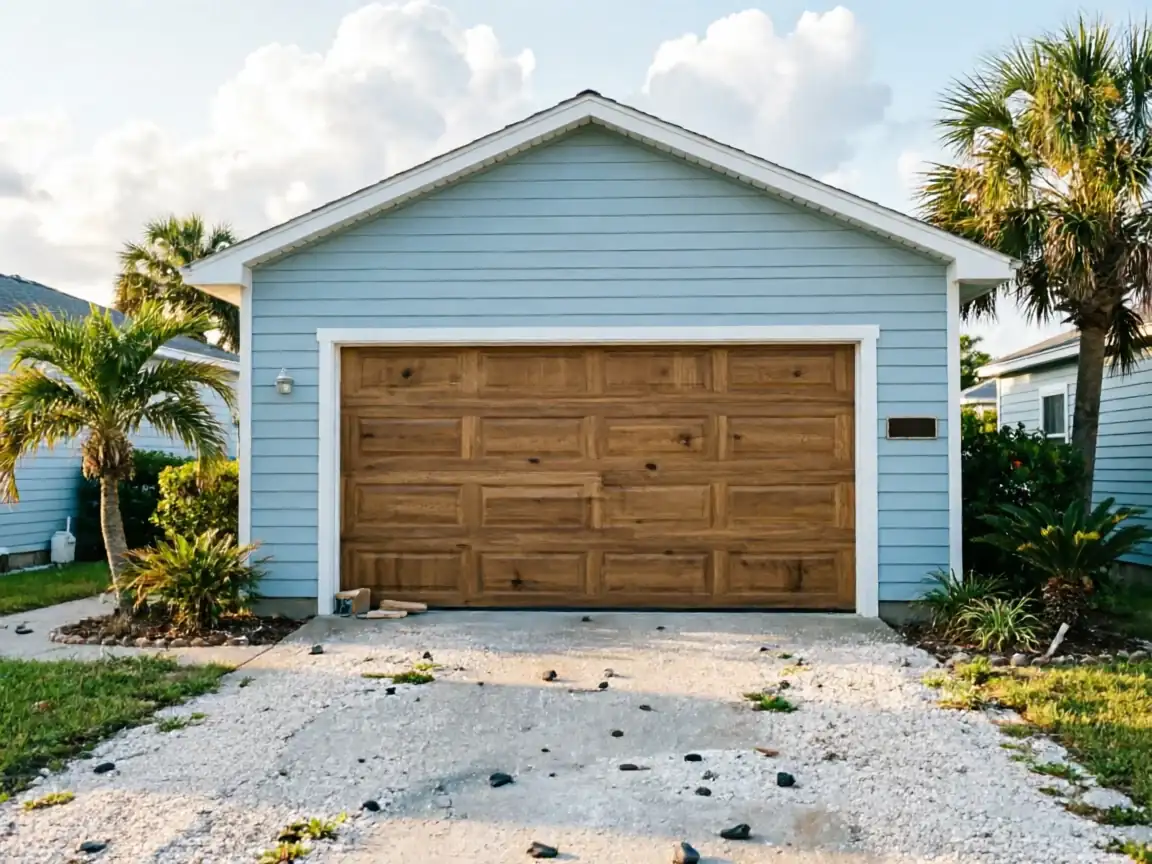
Lehigh Acres and the named areas around it - Gateway, Buckingham, Olga, Alva, out through Fort Myers Shores and Tice - sit mostly on housing built between 1970 and 2006, with the bulk of that stock from the 1980s and 90s. That matters for openers specifically. A house with a median build year of 1986 likely got its original opener replaced once, maybe twice, and a lot of those replacement units predate the battery-backup standard that's now common on new installs. When the power cuts, a unit without a backup battery just stops. No chime, no safety light, nothing. The door sits wherever it was when the grid dropped.
The climate band here is mild temperate, which cuts both ways. You're not fighting the board-frying heat swings that wreck circuit boards in harsher climates, so the electronics in an older opener often outlast the mechanical parts around them - gears, belts, drive screws. That's different from towns where heat kills the board first. Here, it's usually the motor or the drive mechanism that gives out while the circuit board is still fine, which changes what actually needs replacing when a power cut exposes a problem that was already there.
What to Check
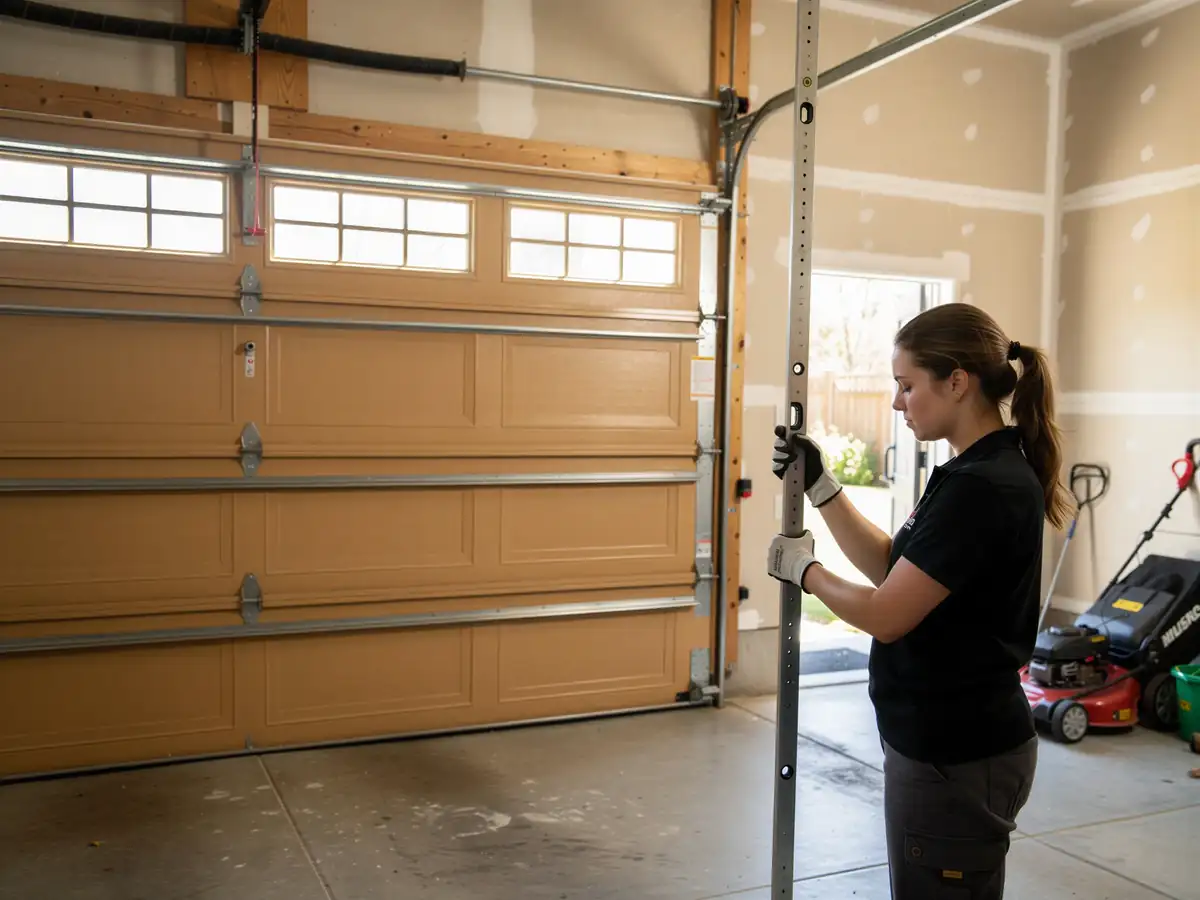
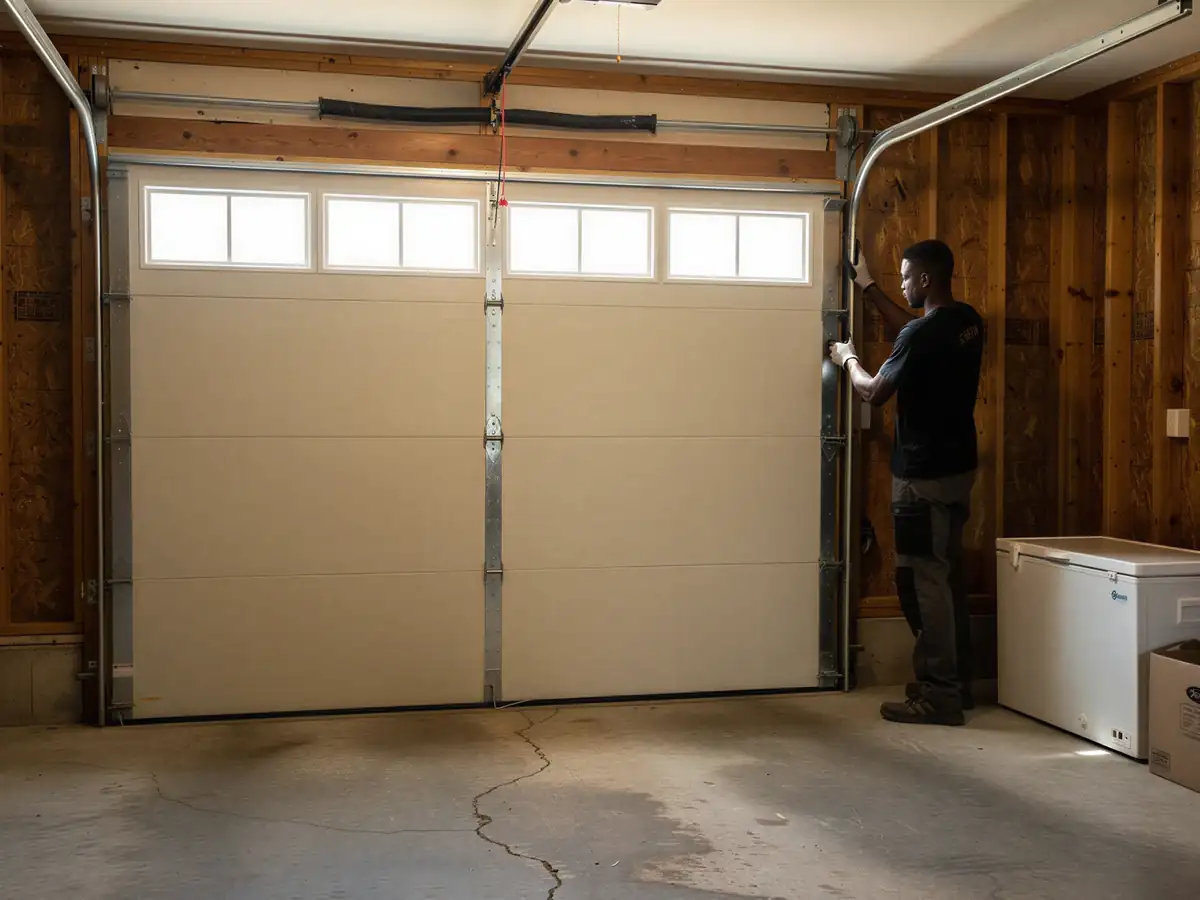
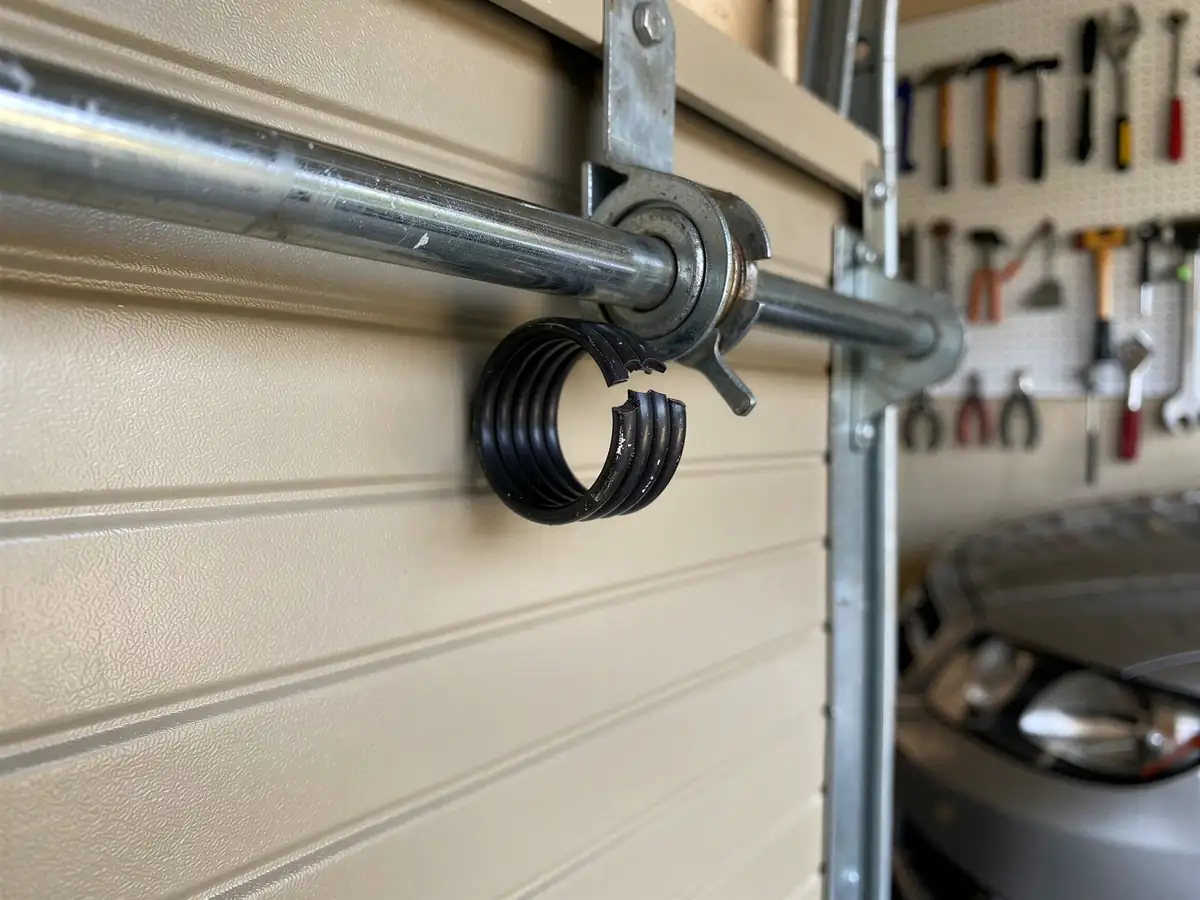
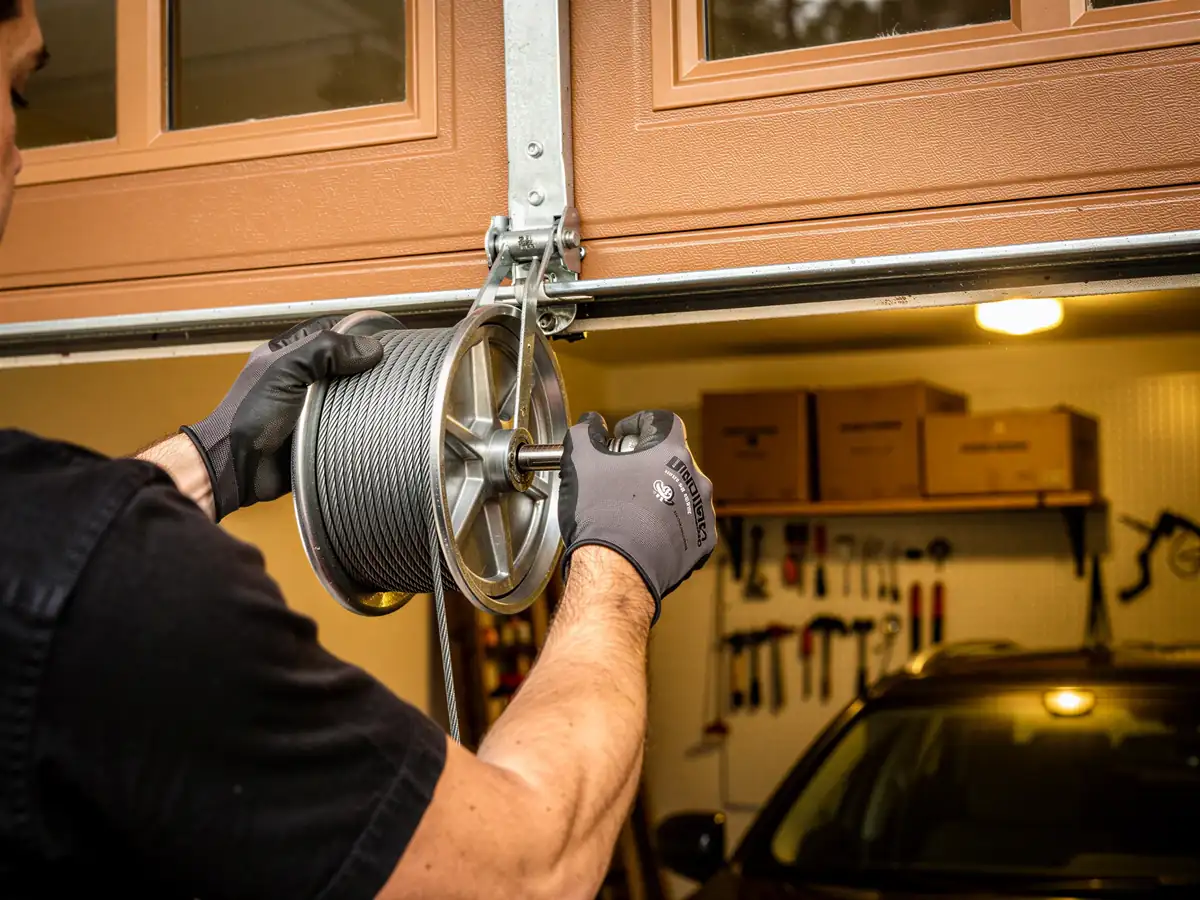
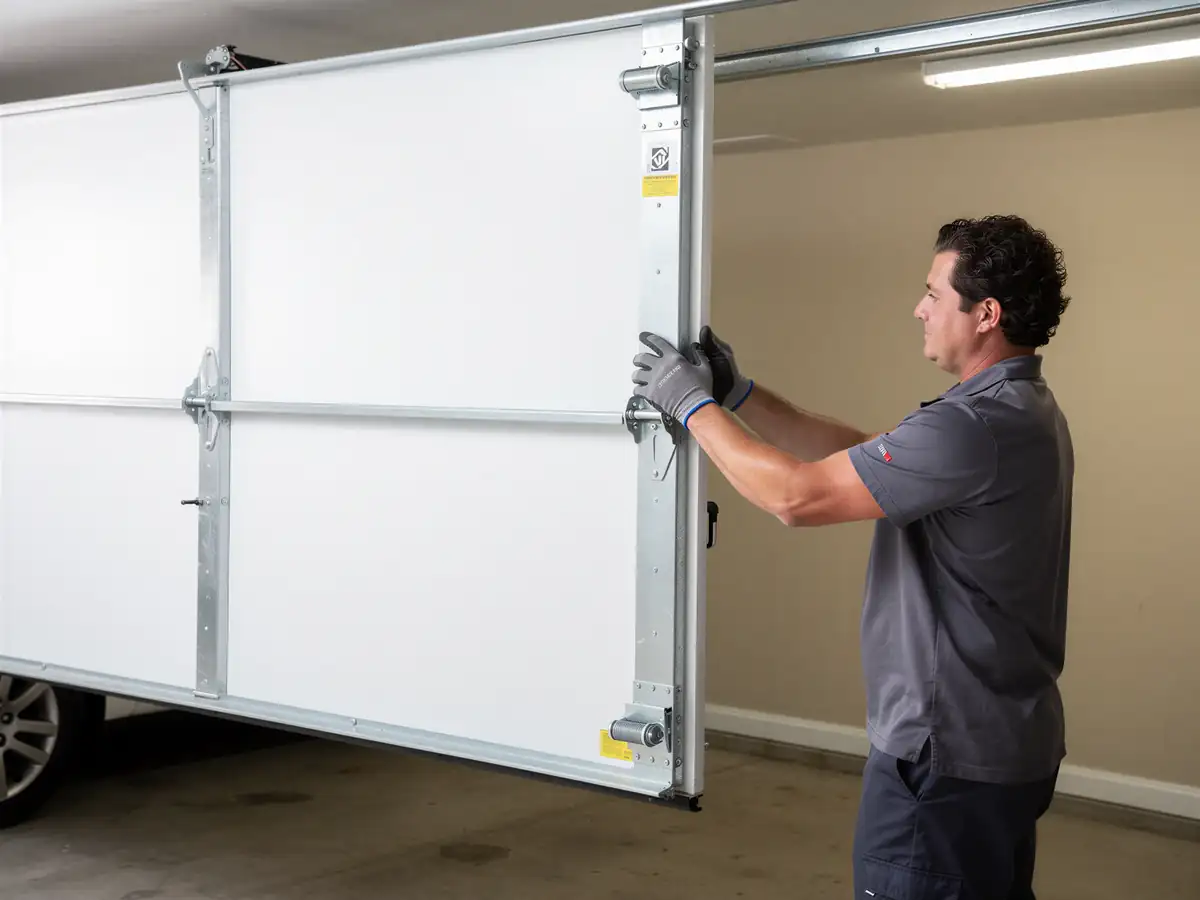
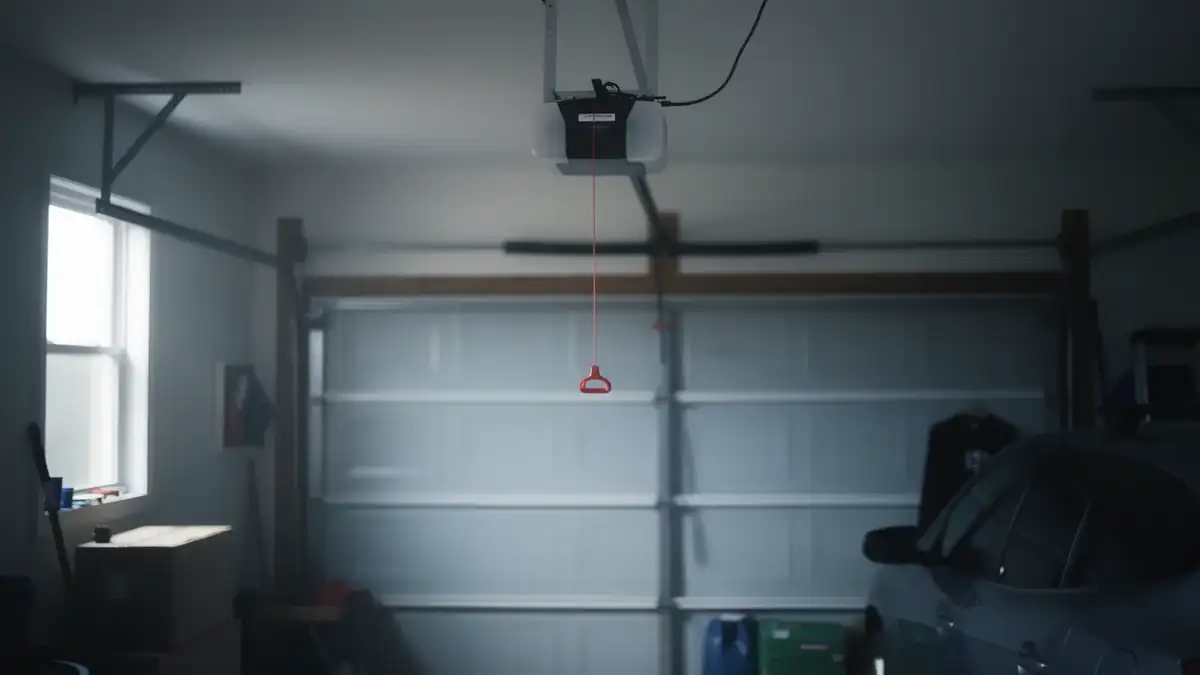
First, find the manual release cord - the red handle hanging from the trolley on the track. If you don't know where it is, you'll be standing in the driveway during a power cut trying to figure it out, which is the wrong time to learn. Pull it and try lifting the door by hand. If it moves smoothly, the opener was doing the work and the door itself is fine. If it's heavy or catches, that's a spring or track issue the opener was masking.
Second, check whether your opener has a battery backup at all. Look for a sealed battery compartment on the unit housing, usually a rectangular box bolted to the side. Units installed before battery backup became standard won't have one - no amount of resetting fixes that, because there's nothing to fail over to.
Third, after power comes back, check whether the opener resyncs on its own or needs the wall button held down to reprogram the travel limits. Older units built for houses from the 1980s and 90s stock often need a manual reset after any outage, which is a quirk of the model, not a sign something broke.
What Most People Get Wrong
The common mistake is assuming a power cut is a one-time event that doesn't need a fix
Just wait it out, the power comes back, the door works again. That's true until it isn't. An opener installed when a Lehigh Acres house was built in the 1980s or 90s has already had three or four decades of outages cycling its capacitors and relays. Each one is a small stress. Eventually one outage is the one that doesn't come back clean, and you're stuck with a dead unit instead of a temporary inconvenience.
The second mistake is treating the manual release like a last resort instead of routine knowledge
In a household at the median income level for this area, replacing a whole opener system is a real expense, not an impulse buy, so people try to avoid it by not touching anything unfamiliar. But knowing how to hand-operate the door during an outage isn't a repair - it's just operating the door the way it worked before openers existed. Skipping that step out of caution usually means more force applied wrong, which is what actually damages track or rollers.
What Is Going On
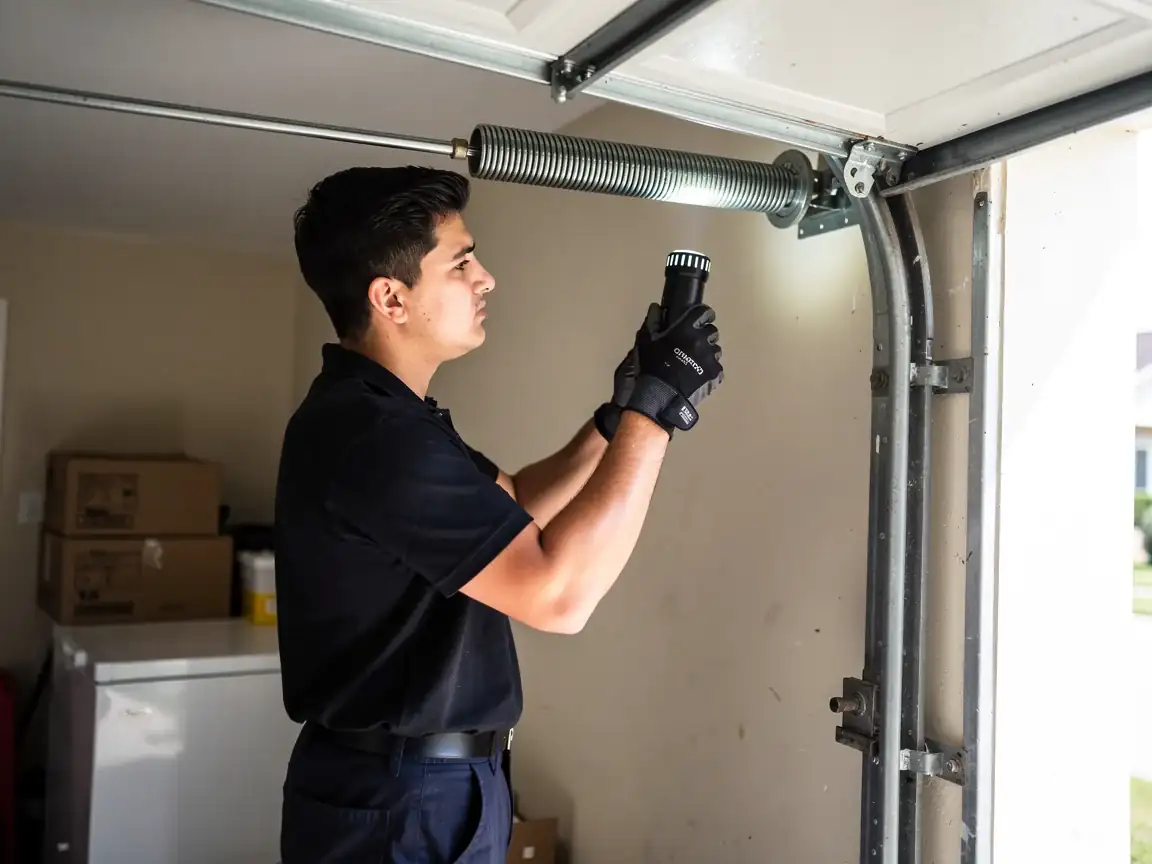
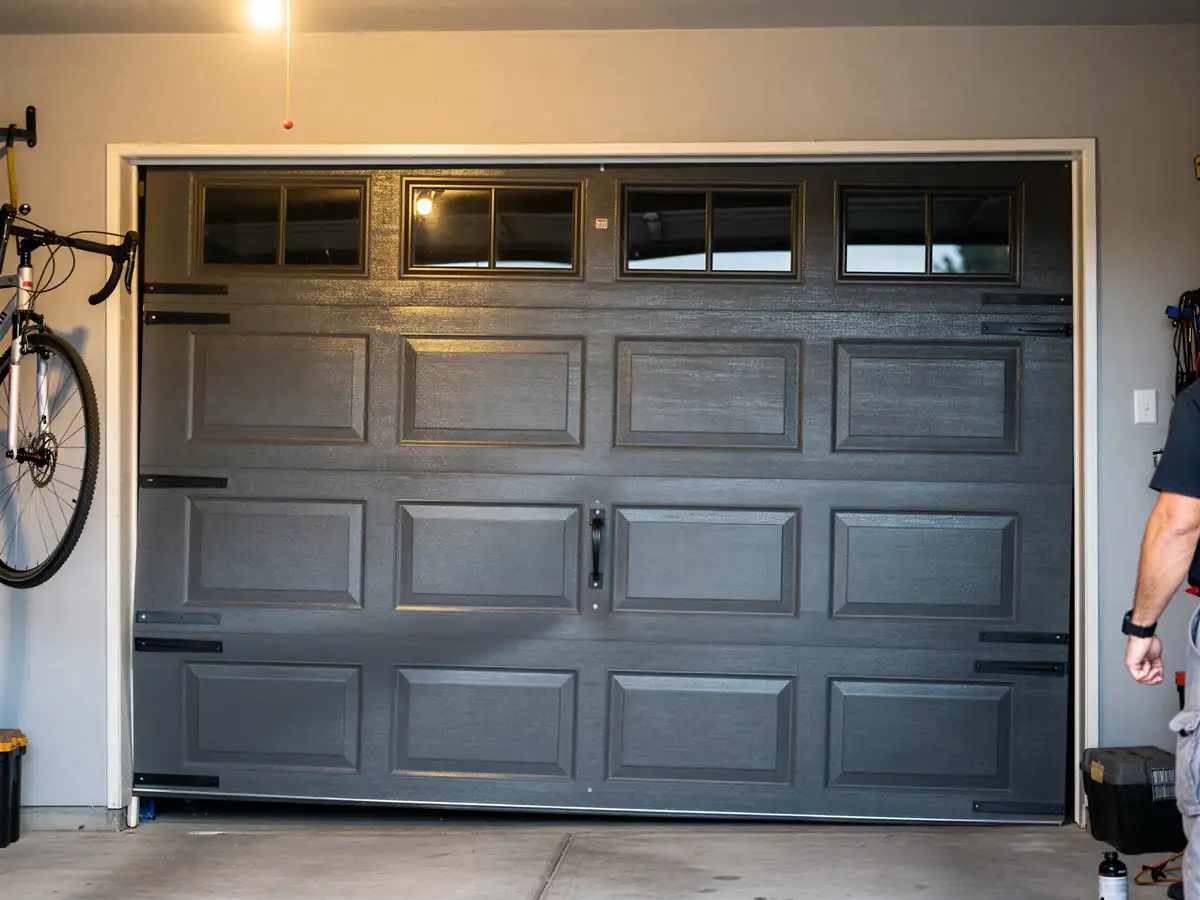
An opener is a motor, a circuit board, and a trolley riding a rail - the board tells the motor when to run and the trolley pulls the door along the track. A power cut doesn't damage any of that directly. What it exposes is whatever was already marginal: a board nearing end of life, a backup battery that was never installed because the unit predates that feature, or limit settings that lose their memory without constant power.
Across roughly 34,535 owner-occupied houses in the 77,337 households this area covers, a large share of those openers are original or first-generation replacements tied to the 1970-2006 build window. That's not a defect, it's just the math of how old the housing stock is. The mild climate here means the boards themselves age slowly, so a lot of these units are still running on hardware from decades ago, just waiting for an outage to reveal what's worn.
One honest limit: if your opener has no backup battery and the board's circuit has already failed, we're not patching that board. Past a certain age, parts for that specific model aren't stocked anywhere, and a used board isn't worth installing in something this old - replacement is the real fix, not a repair.