How Long You Are Without the Door
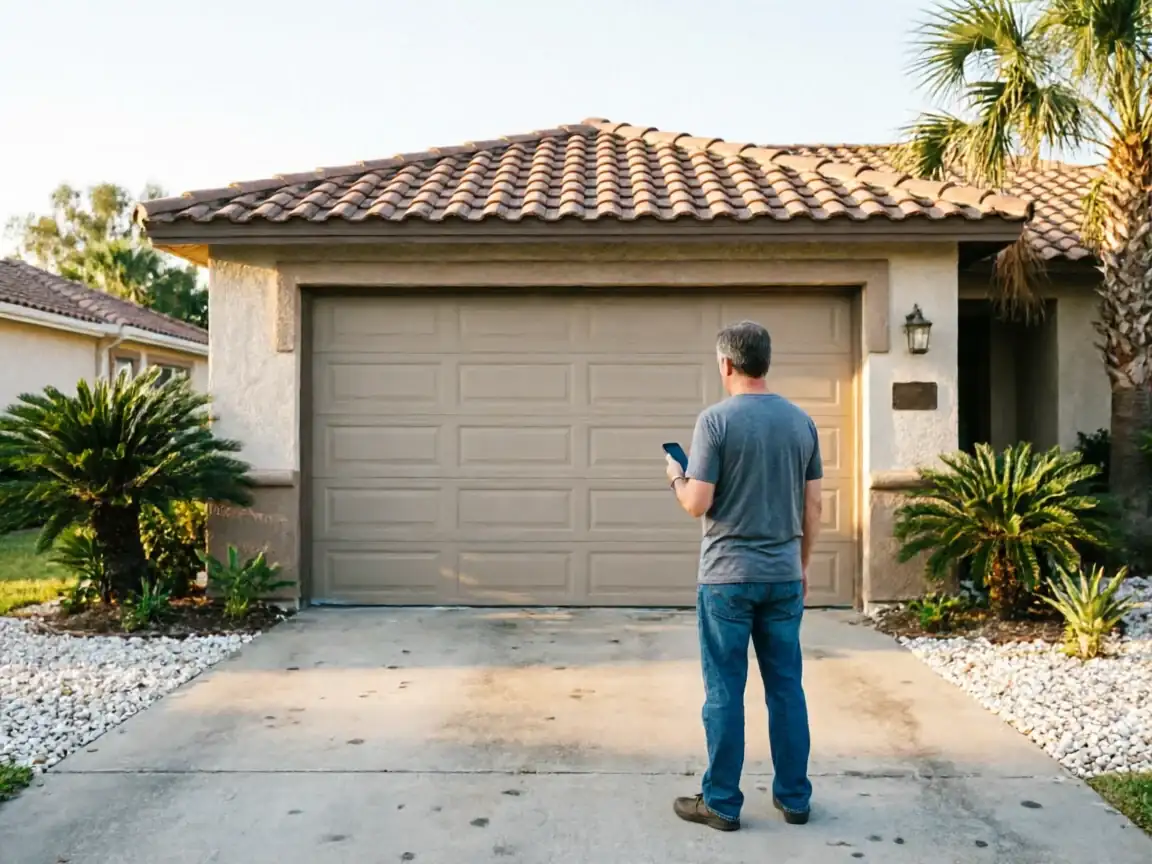
Most calls we get aren't emergencies in the fire-department sense, but a door stuck shut over a car you need by 7am feels like one. How long you're actually stuck depends on what broke. A snapped torsion spring on a standard double door is usually a same-visit fix once we're on site with the right size spring in the truck. An opener board that's fried, or a spring size that's no longer common, can mean a short wait while a part comes in - we don't keep every obsolete opener control board on the shelf, because nobody does.
We won't tell you a number we can't back up, so we're not going to promise a response window here. What we will say is that the parts that fail most on houses built in this area's main run - 1970 through 2006, with most of that stock from the 80s and 90s - are springs, rollers, and cables, and those three we carry in the truck for the common door sizes. The rare part is the opener logic board on an older unit, and that's the one that can turn a same-day call into a two-day job.
What the Repair Takes
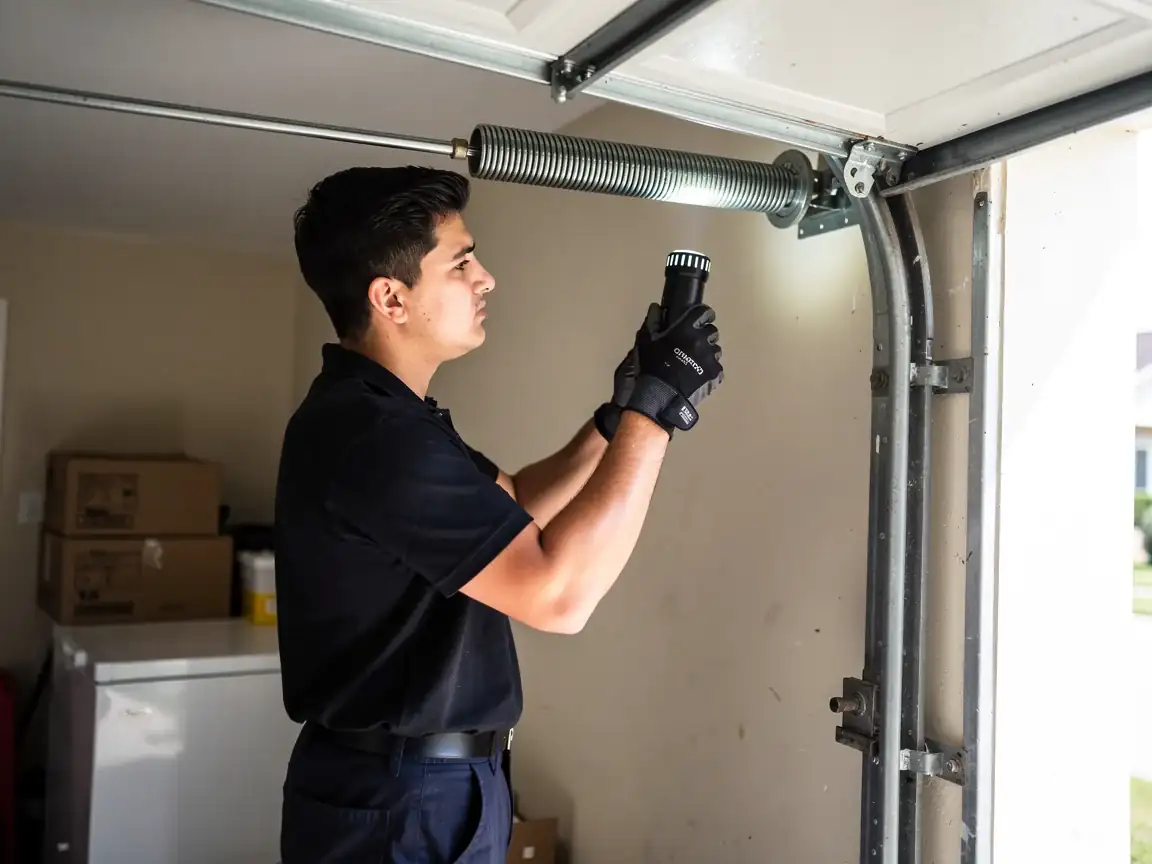
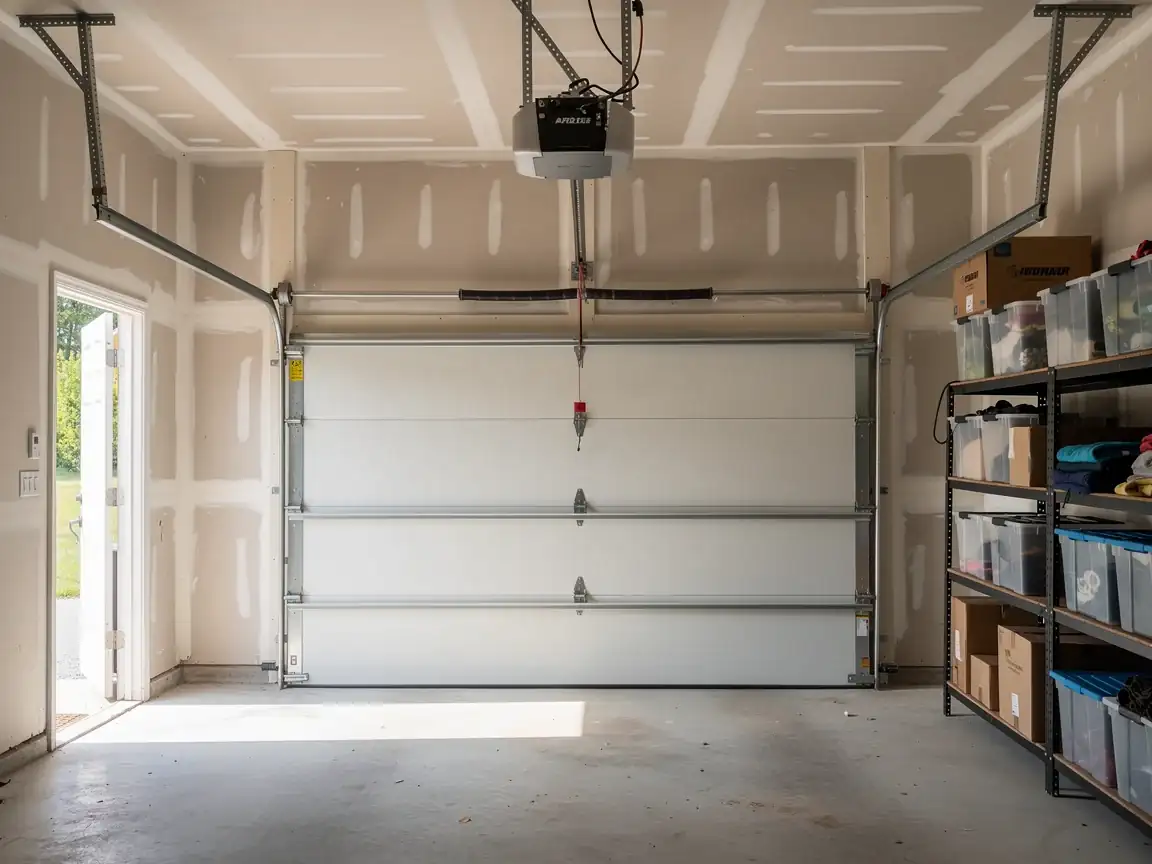
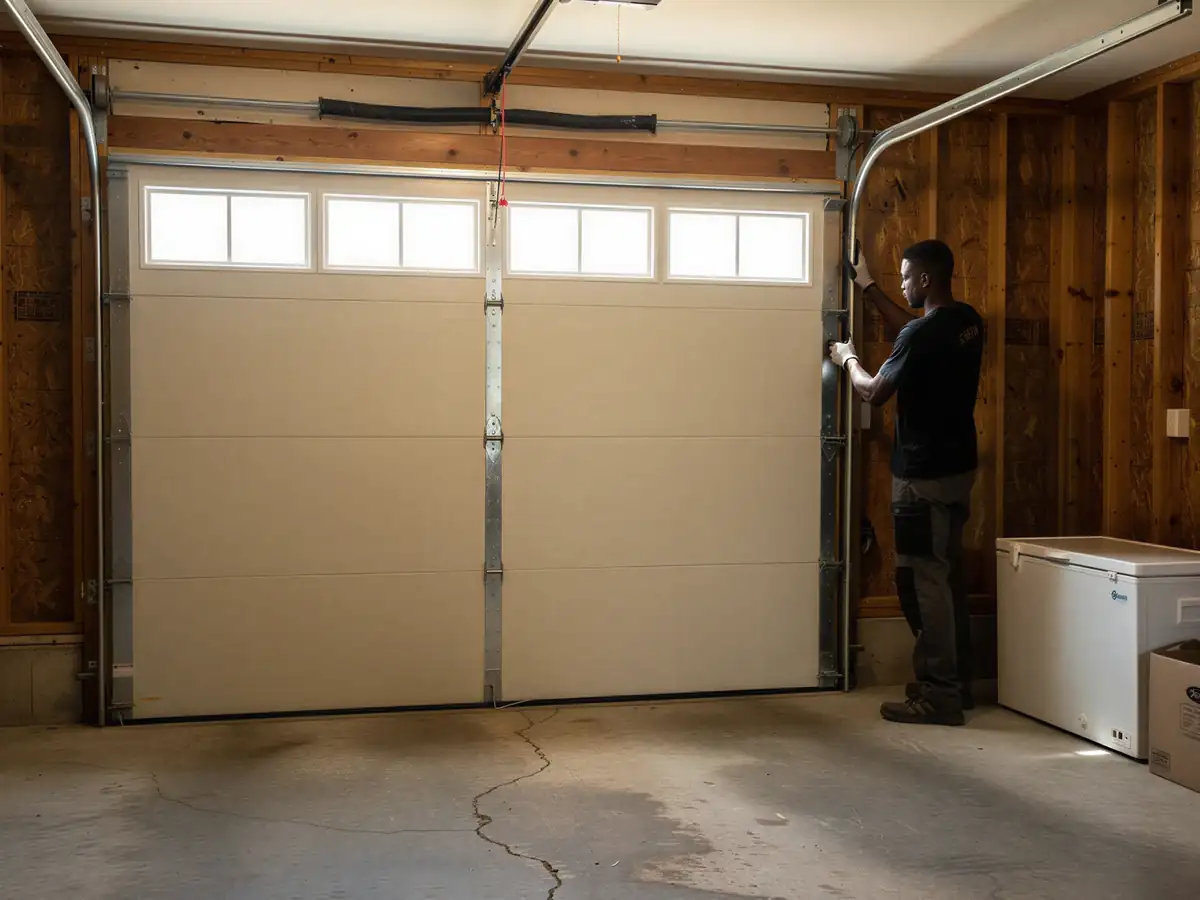
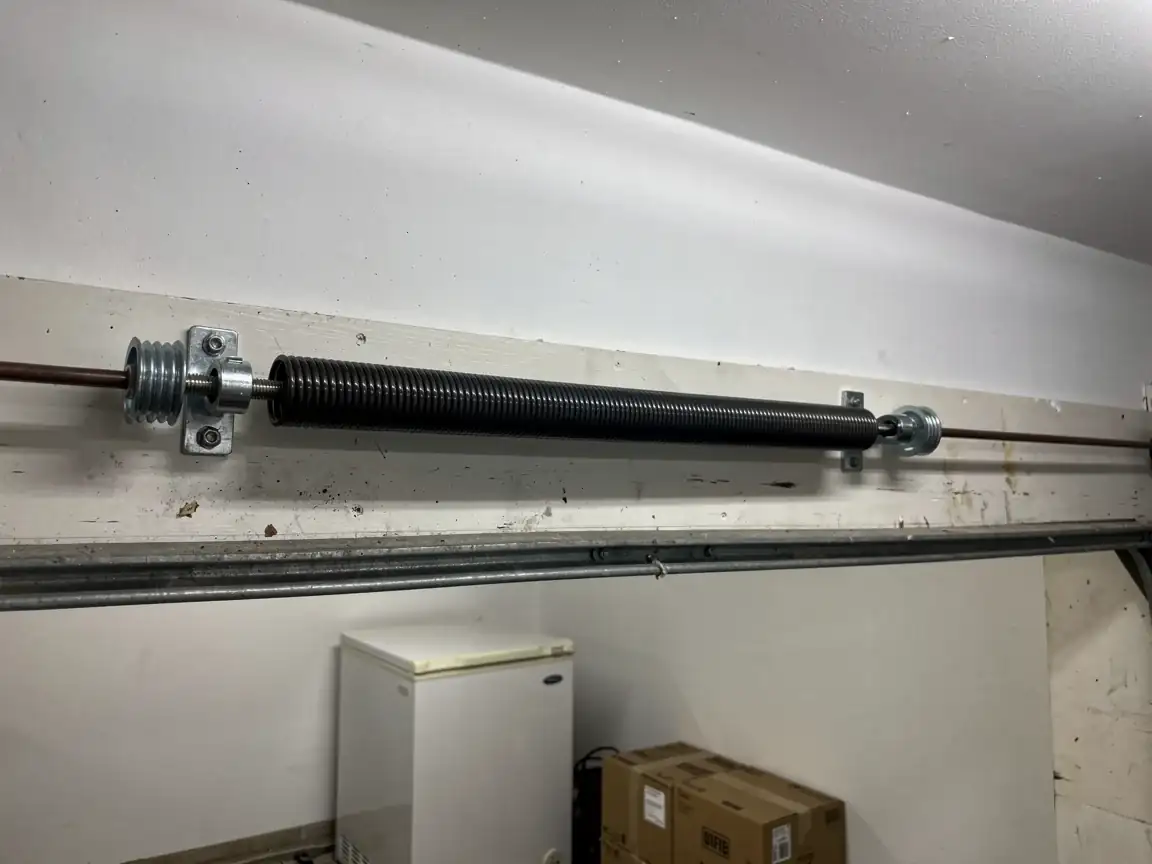
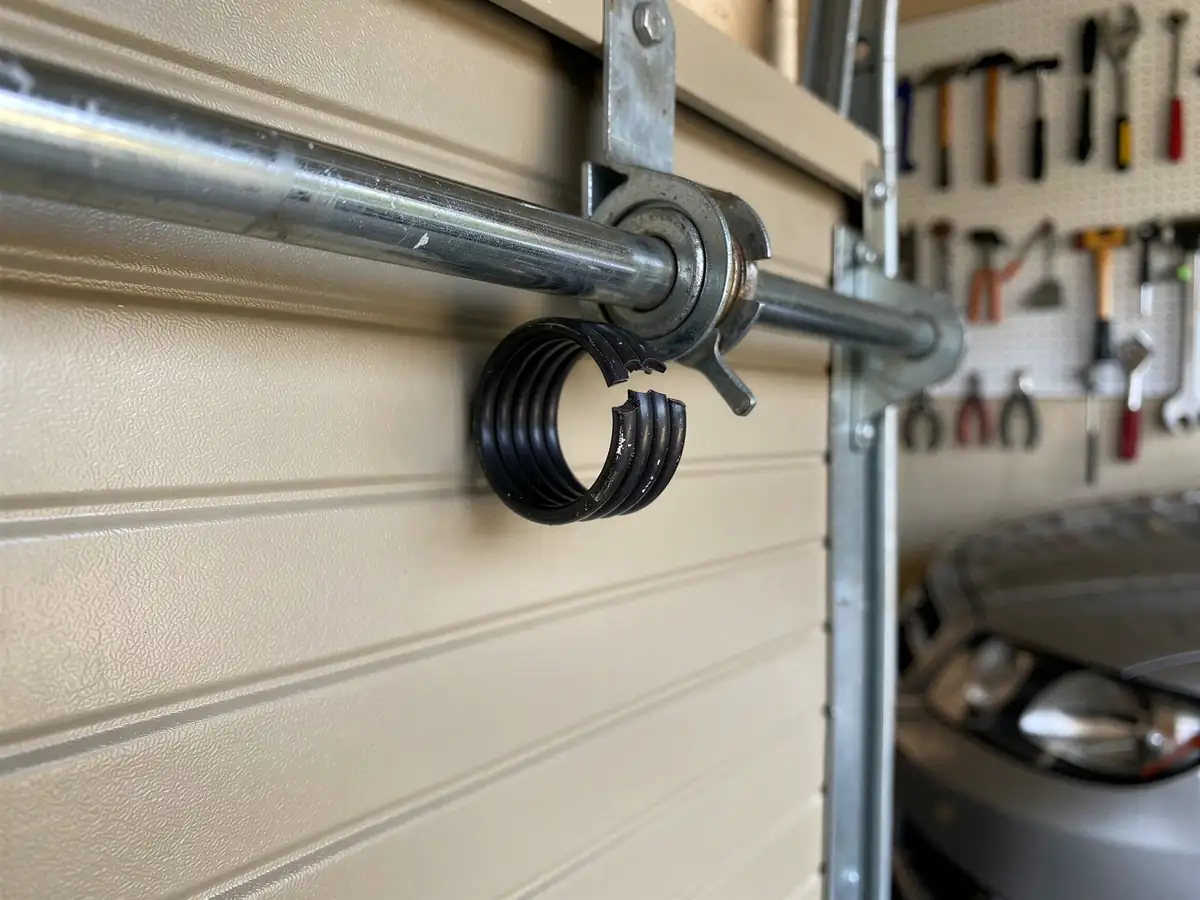
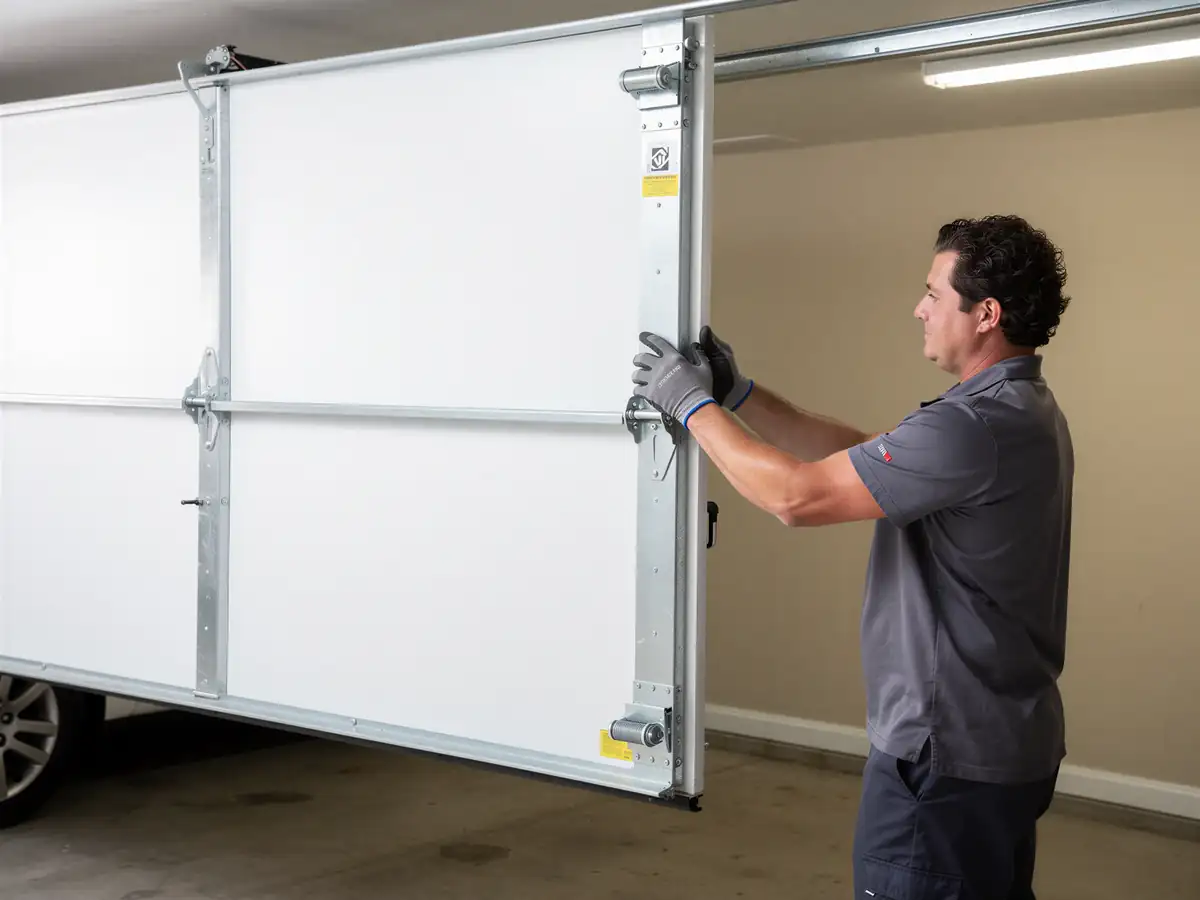
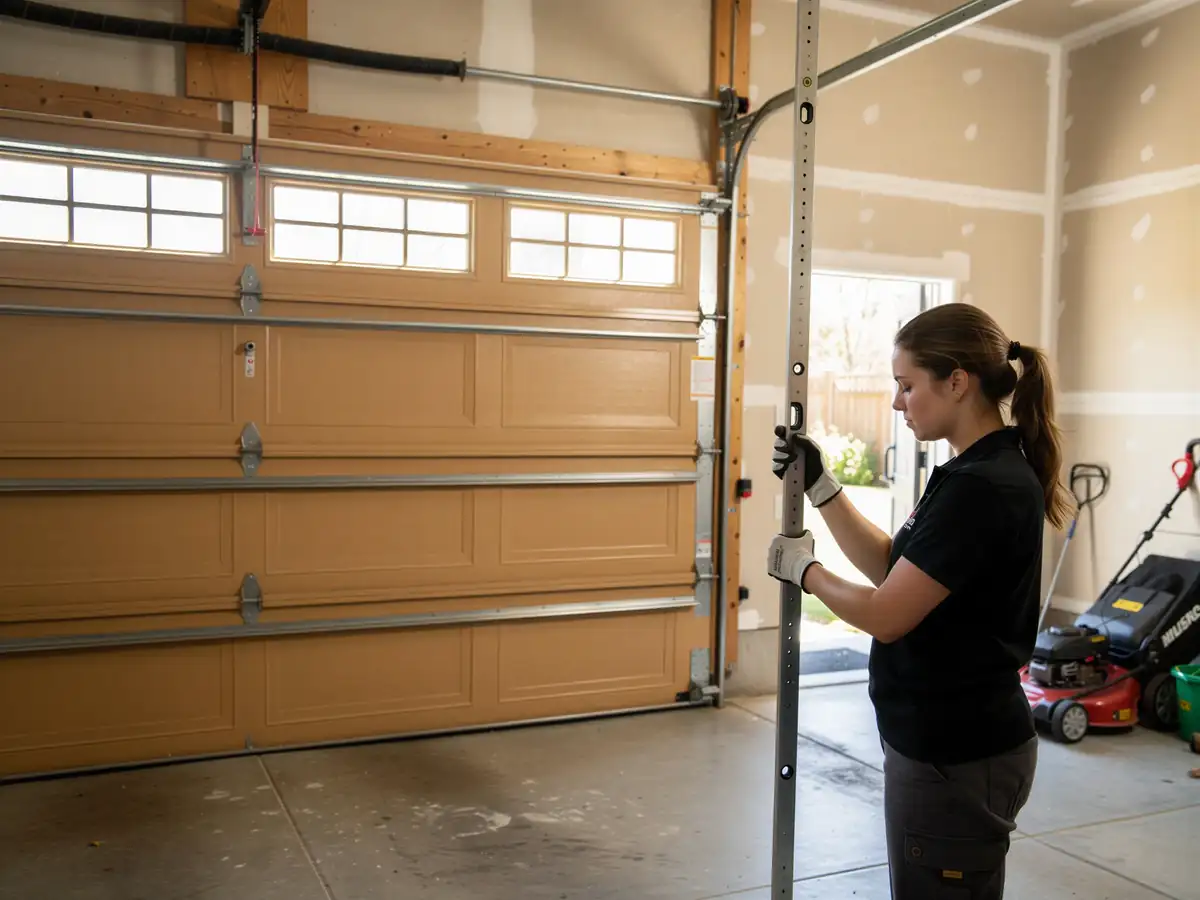
A torsion spring replacement on a double door means releasing tension safely, pulling the old spring off the shaft, and winding a matched replacement to the right turns for the door's weight. That's a bar-and-winding-cone job, not a wrench job, and it's the single most common call on houses from Lehigh Acres's main building era. Rollers and hinges usually get swapped in the same visit if they're worn, since they're already exposed once the door's apart.
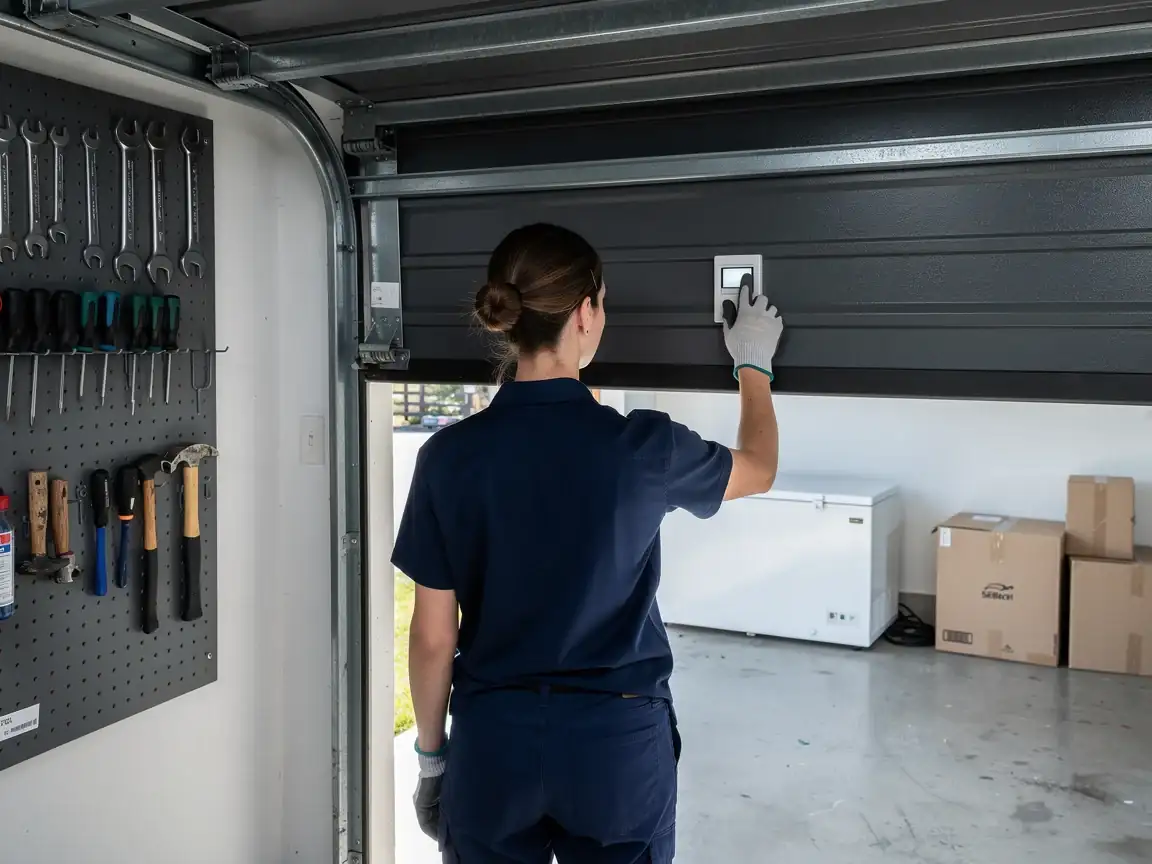
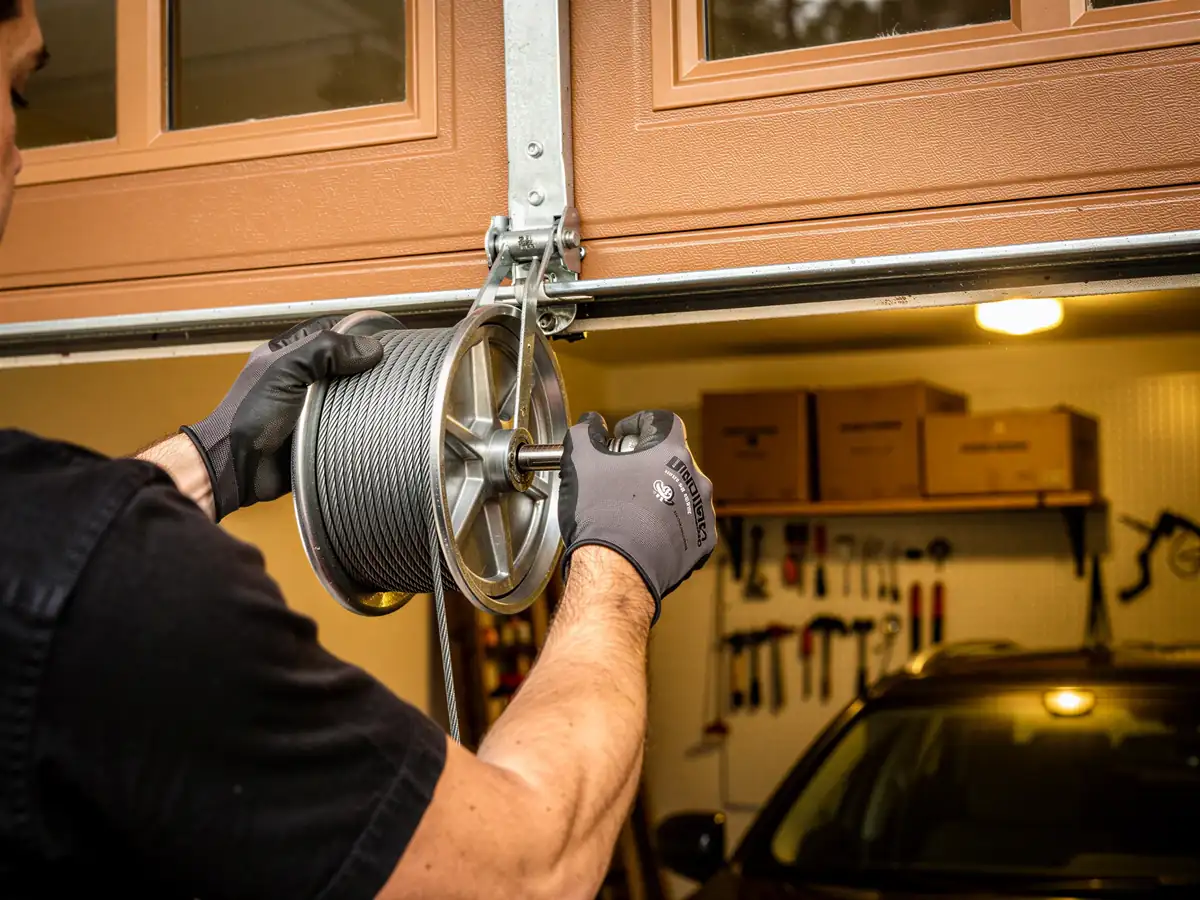
Cable repairs run the other direction - usually quick, since the cable itself is cheap and the labor is mostly alignment and re-tensioning the drum. Opener repairs vary more: a dead capacitor or a worn gear-and-sprocket kit is a straightforward swap, but a logic board failure on an opener old enough to match the house's 1986 median build year sometimes means the board simply isn't made anymore, and replacement of the opener head is the honest answer instead of a repair.
One limitation worth saying plainly: if the door itself is original steel from that same era and the bottom panel has rusted through or the track is bent beyond pulling straight, we're not going to patch it and call it fixed. At that point replacing the door section, or the door, costs less over time than another service call next year.
Why It Happens Here
This matters because of what's actually standing in Lehigh Acres
Housing here went up mostly between 1970 and 2006, with the bulk of it dating to the 1980s and 90s spread across the area's 18 named subdivisions. That means a huge share of garage doors and openers in town are original equipment - the same torsion spring, the same nylon rollers, the same opener that was installed when the house was built.
The climate band here is mild temperate
So we don't see the freeze-thaw cracking that wrecks doors up north. But mild and humid year-round has its own wear pattern: heat cycling dries out spring lubricant and makes old rubber seals and plastic roller sleeves brittle instead of flexible. A 30-plus-year-old torsion spring that's never been touched is running on borrowed time regardless of weather, and in this area that describes a lot of garages.
With 34,535 owner-occupied houses out of 77,337 households across the service area
A large share of those doors have never had a spring swapped since the house was built. That's not a scare number - it's just what happens when original hardware outlives its lubricant and nobody's looked at it.
- 34,535 owner-occupied
- 77,337 households
The Symptom
The classic sign is a loud bang from the garage followed by a door that won't budge, or budges a few inches and stops - that's a broken torsion spring, full stop. A door that's noticeably heavier to lift by hand than it used to be is usually a spring that's weakening but hasn't snapped yet, which is actually the better time to call, before it fails under load.
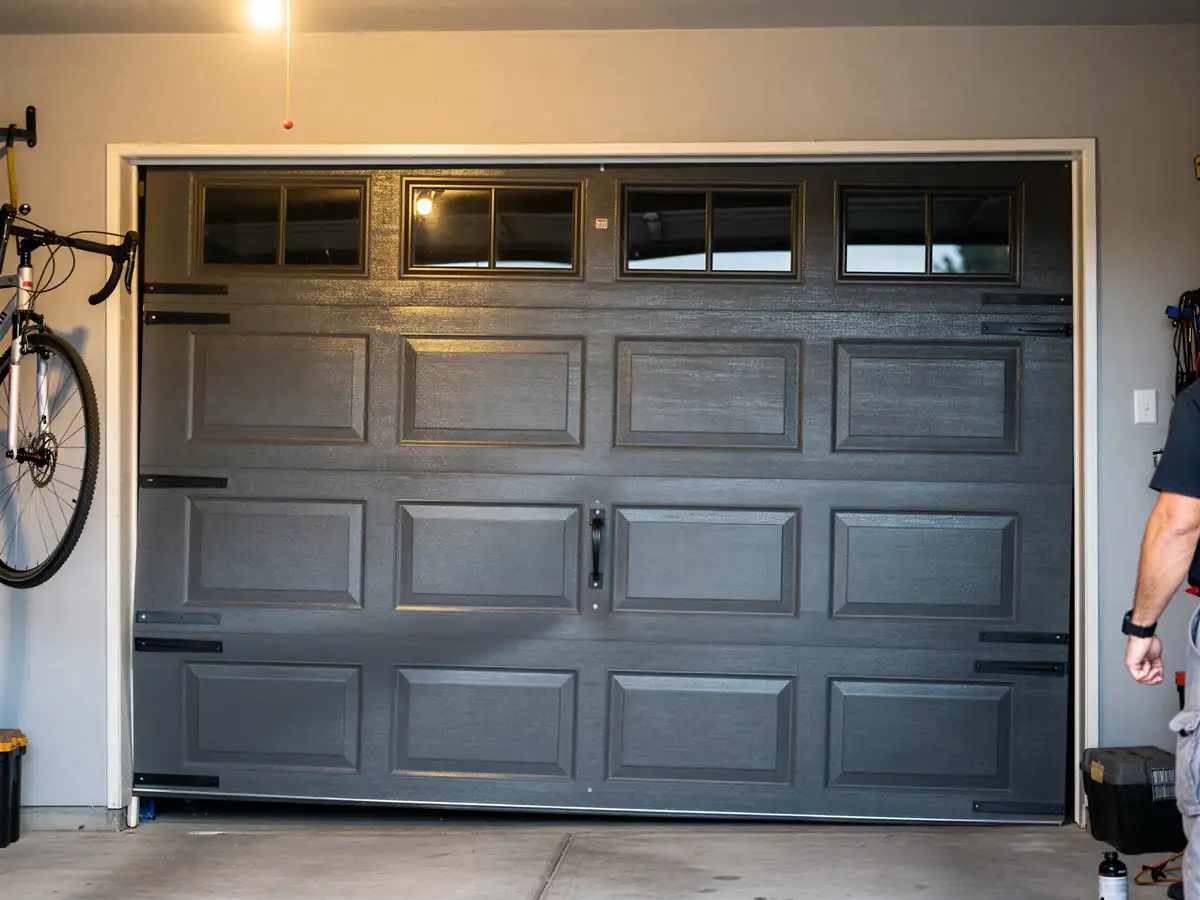
A door that opens but reverses halfway, or an opener that runs but the door doesn't move, often points to a stripped gear in the opener or a disconnected cable rather than the spring at all. Frayed or visibly unwound cable strands, a door that sits crooked in the track, or rollers that have gone from round to flat-sided are all wear signs tied to the same original-hardware pattern common on houses from this area's 1980s-90s building run.
If you're hearing a grinding or popping sound every time the door moves, don't keep running it - that's usually a roller or bearing on its way out, and running it to failure tends to take the track or the opener drive with it.