What the Repair Takes
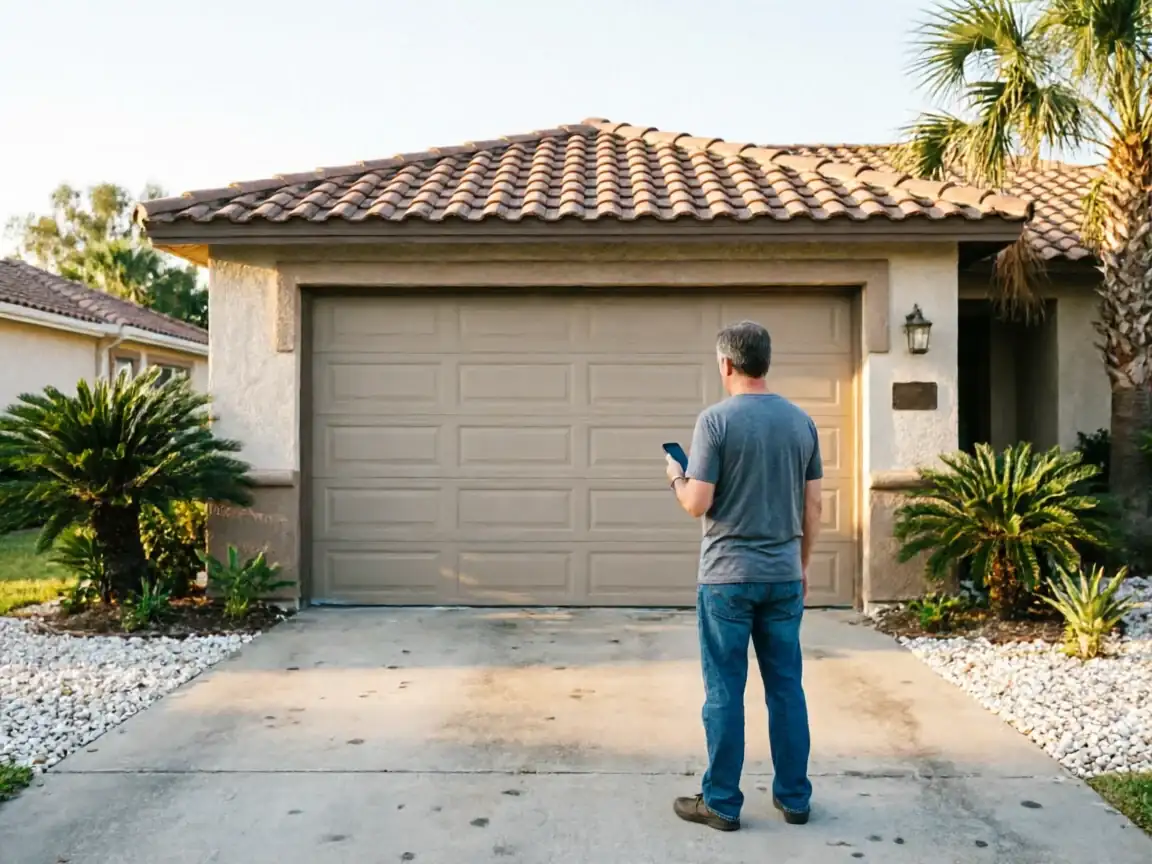
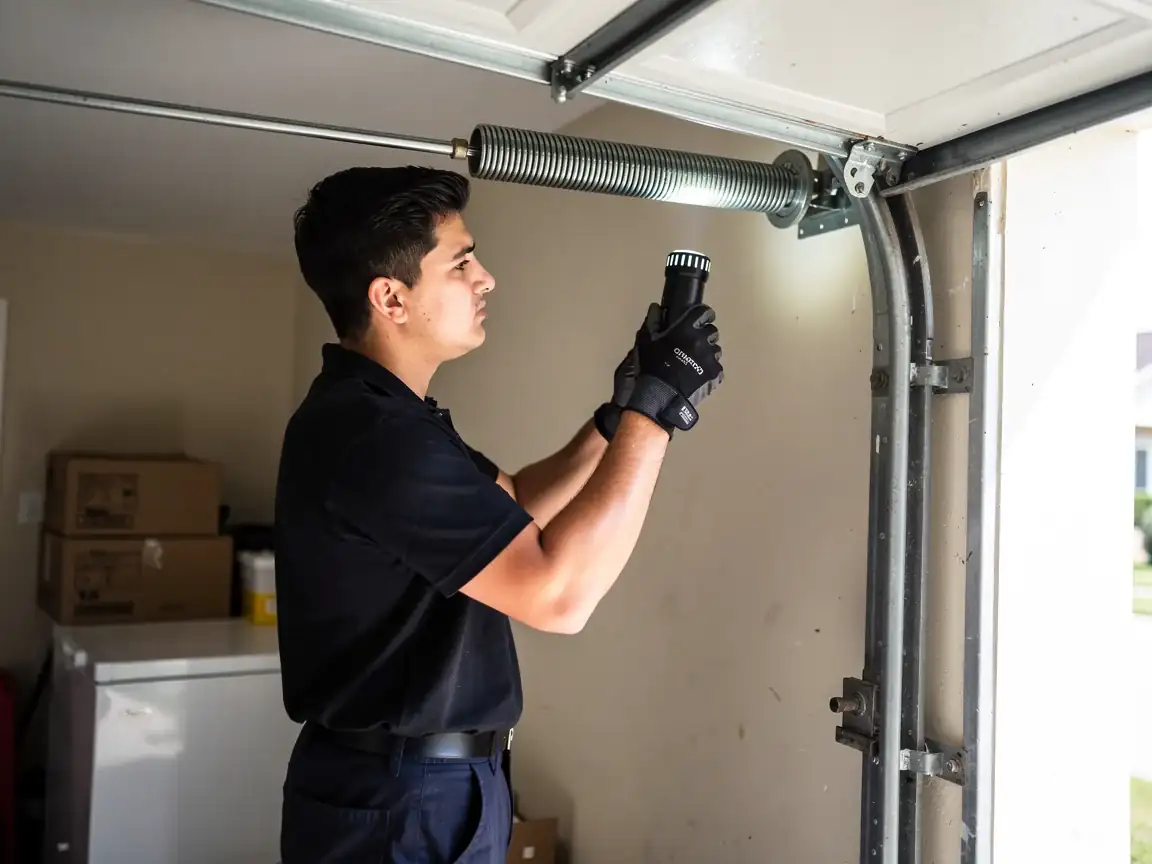
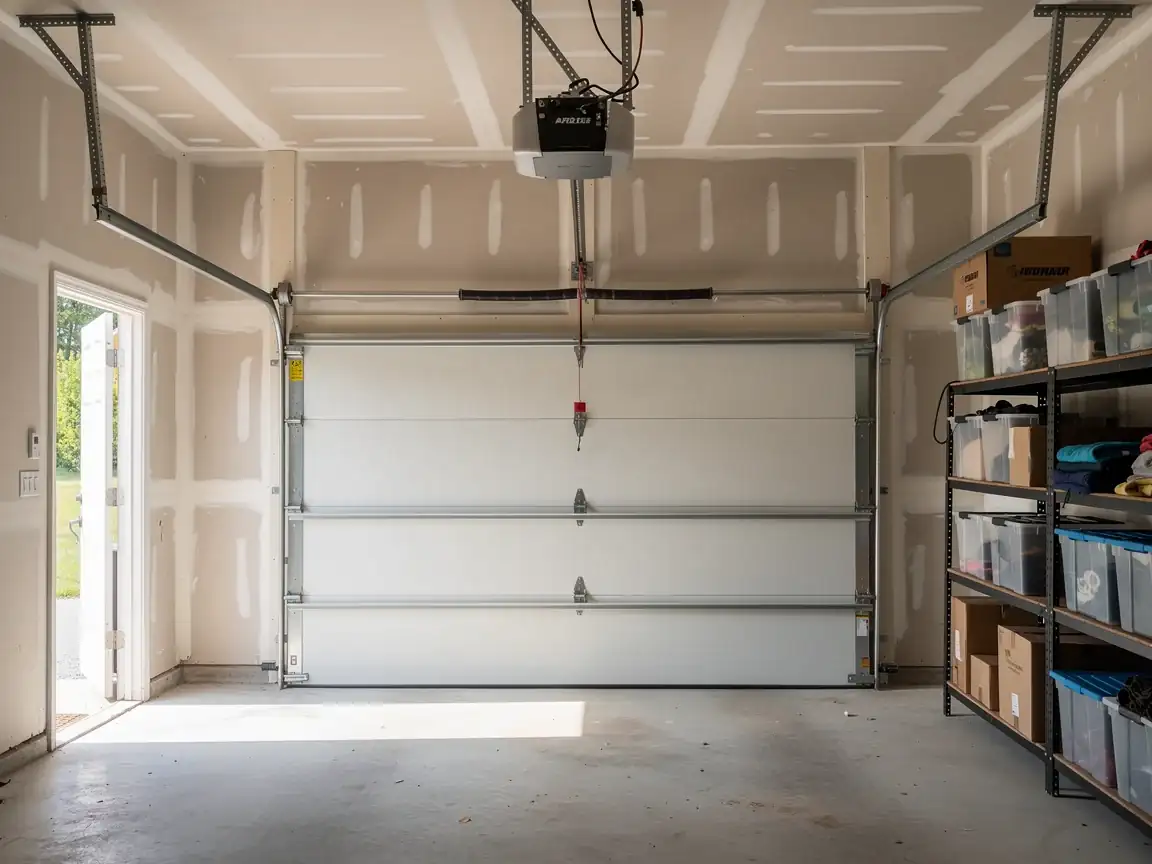
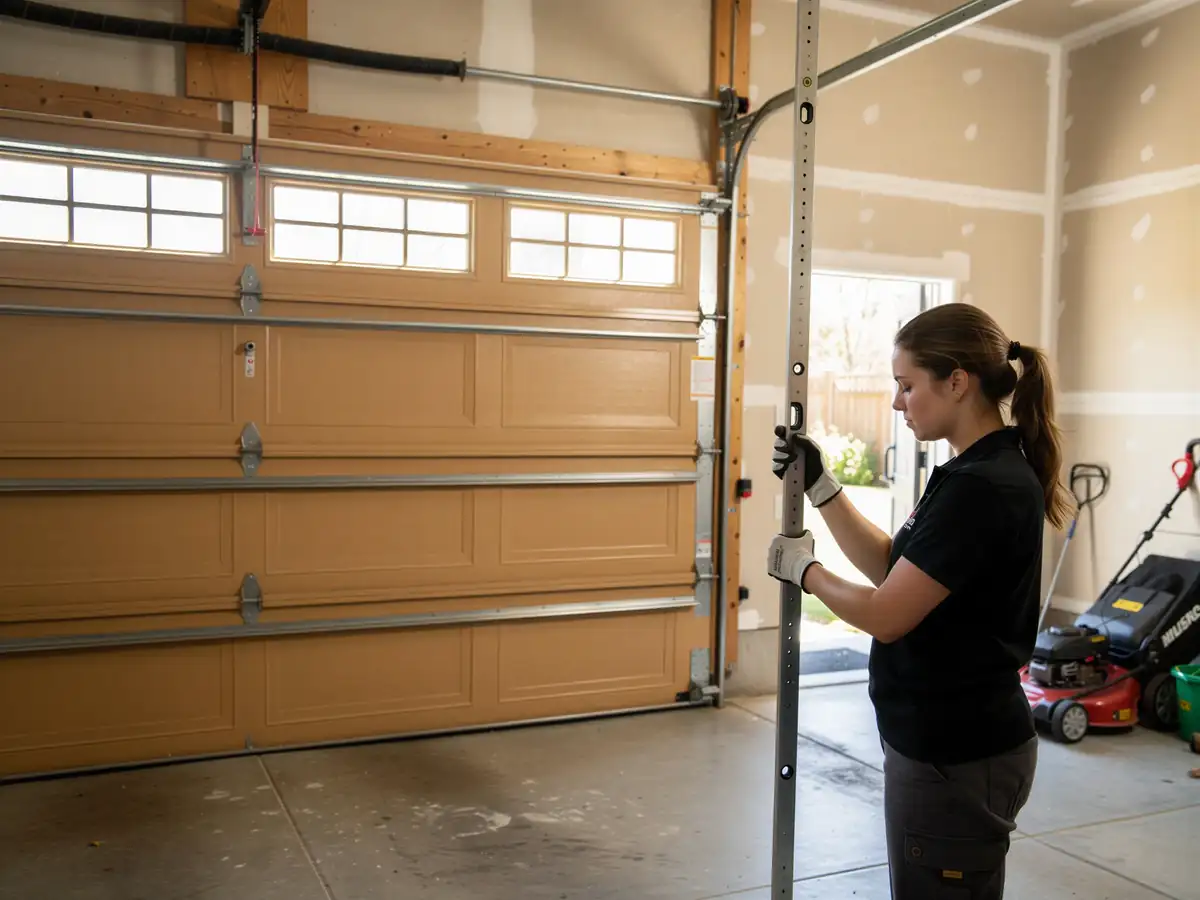
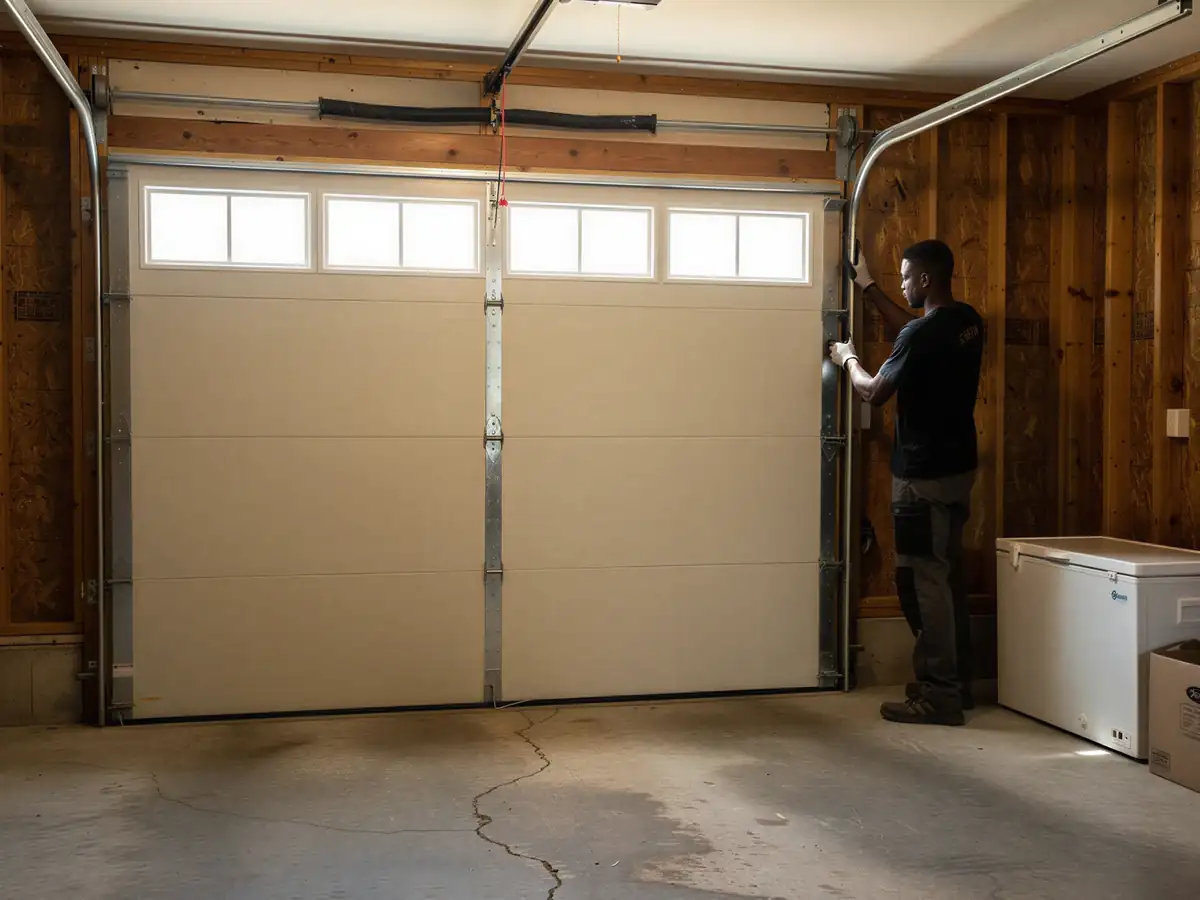
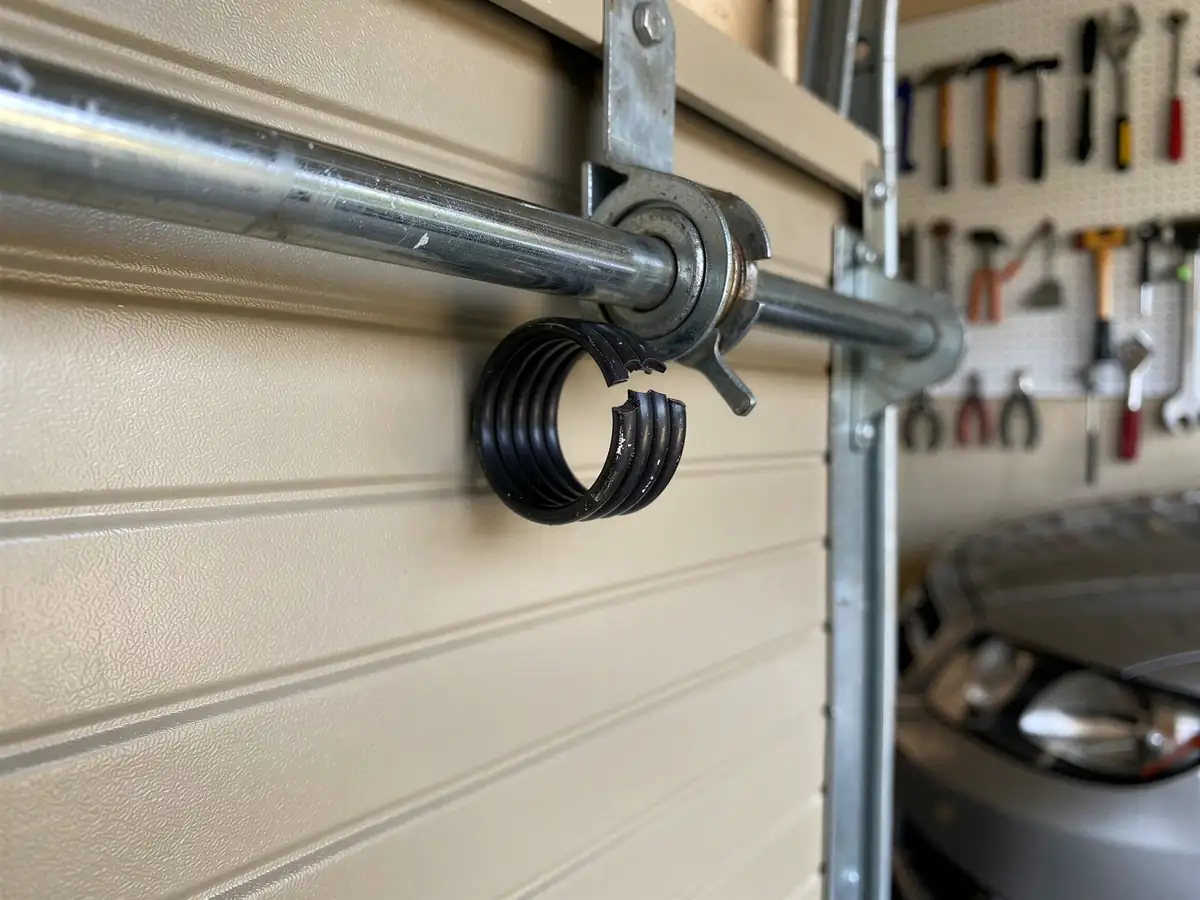
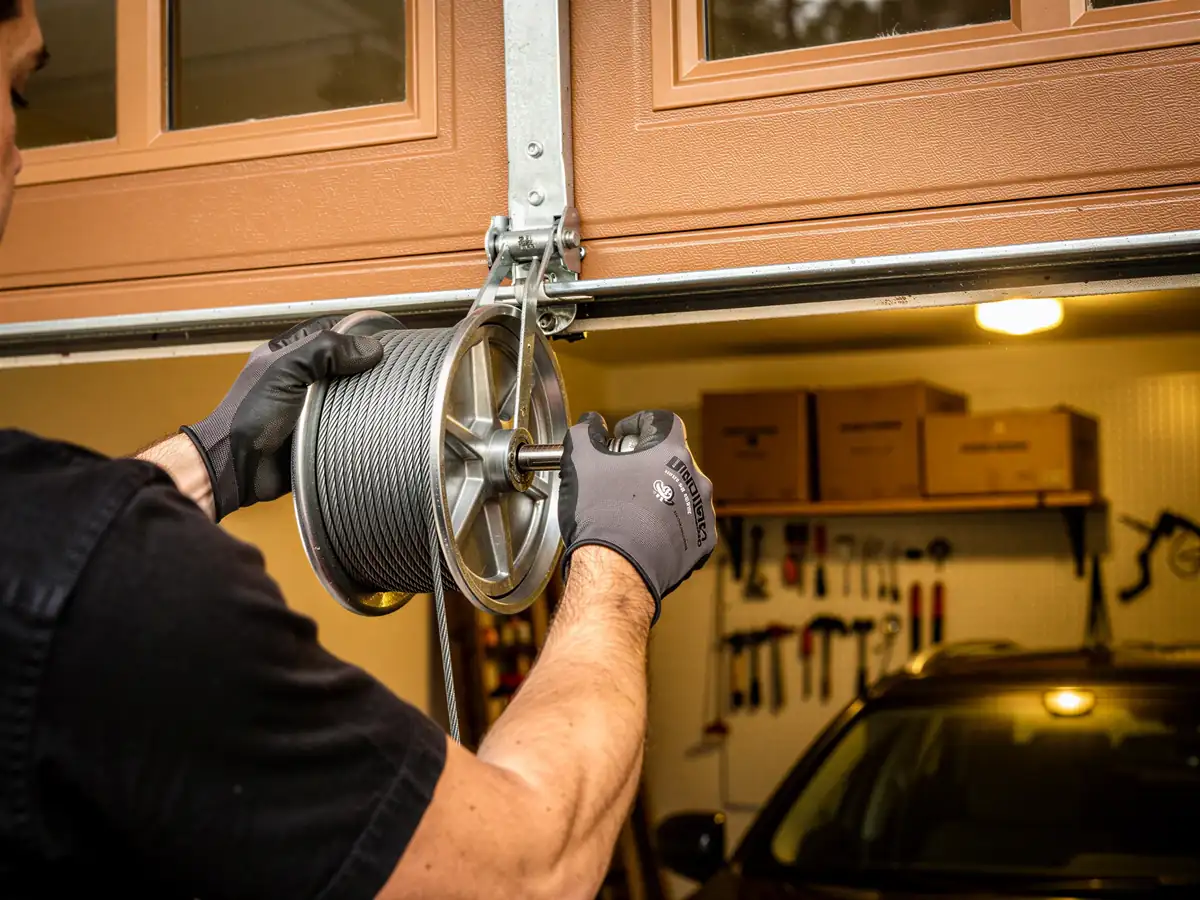
Most houses in Buckingham went up between 1986 and 2002, with the bulk clustering right around 1994, which puts this stretch of the county squarely in the torsion-spring era of garage door hardware. By then builders had mostly moved past the old side-mounted extension springs with their exposed safety cables, and were hanging doors on torsion springs with steel lift cables wound onto drums at either end of the shaft. That's the system we're almost always opening up on a Buckingham call: a frayed or snapped galvanized aircraft cable, a drum that's slipped on the shaft, or a cable that's jumped its track at the bottom bracket. The fix means releasing tension on the spring safely, pulling the old cable off the drum, running new cable to the correct length for the door's track, and re-tensioning before the door ever gets tested on the opener. On a double door, both cables get replaced together even if only one failed, since the other is carrying the same age and the same wear. We don't patch a frayed cable with a splice - that's not a repair, it's a second failure waiting on a timer.
How Long You Are Without the Door
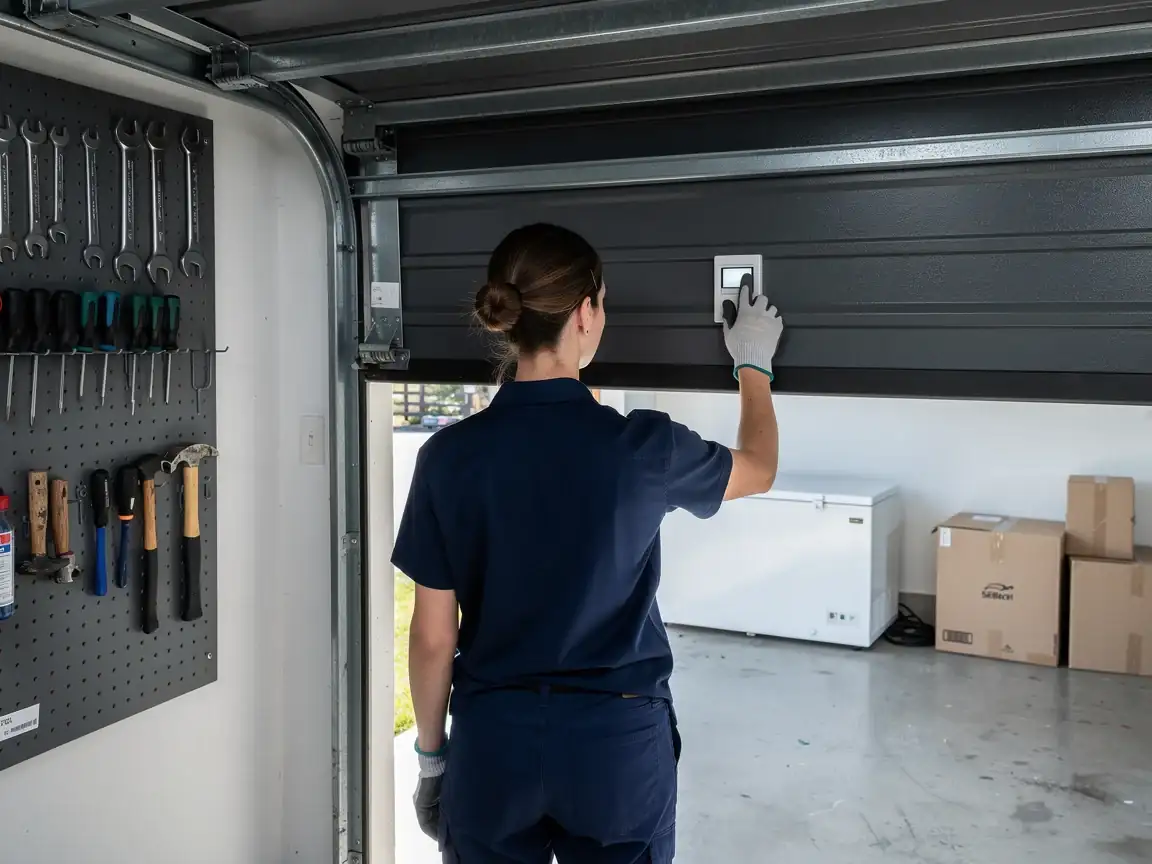
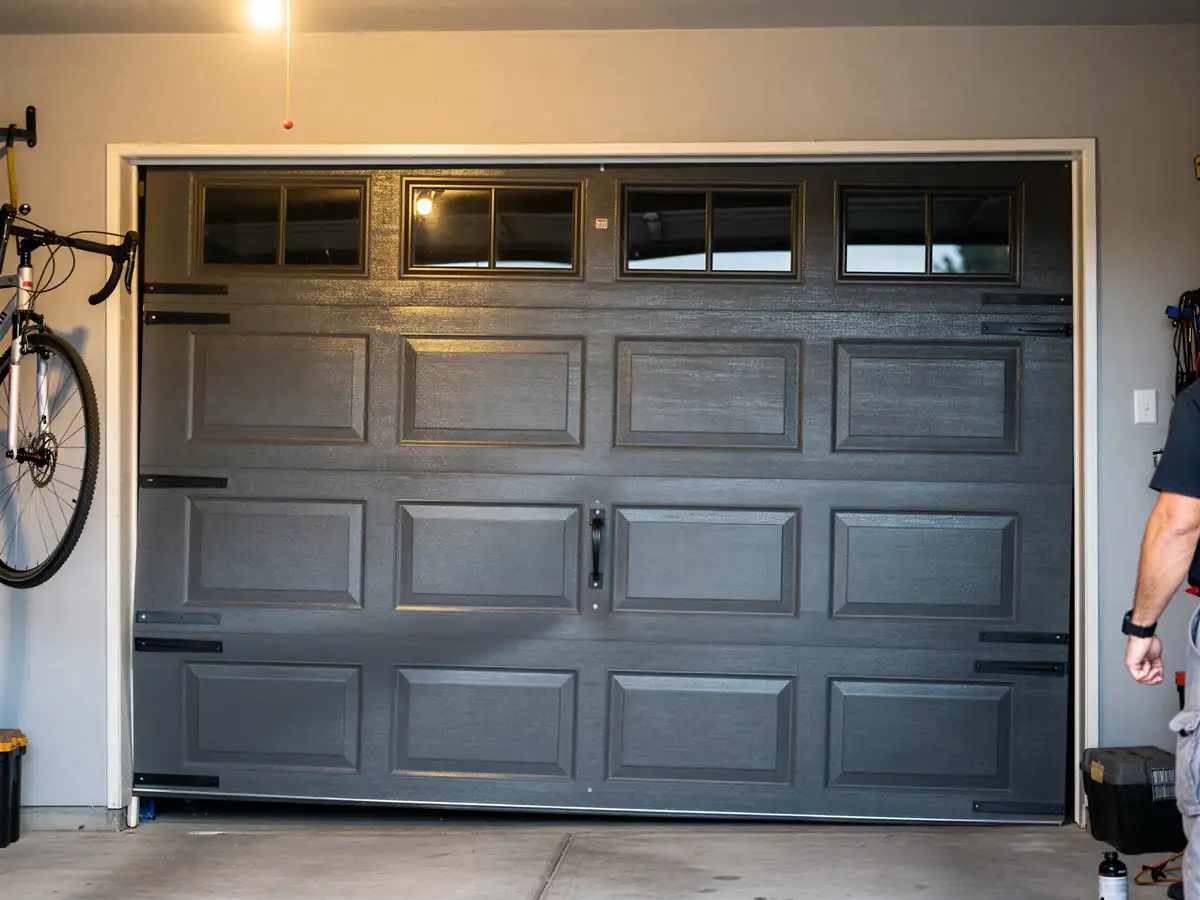
A snapped lift cable takes the door out of service immediately - it won't lift safely, and running the opener against a one-sided cable load is how a track gets bent or a panel gets racked. Once the truck is on site, cable replacement on a standard residential door is a same-visit repair: tension down, old cable off, new cable on, tension back up, cycle-tested. What stretches the timeline isn't the cable itself, it's whatever the cable damaged on its way out - a bent track, a cracked bottom bracket, or a drum that cracked under uneven load. We check all three before calling the job done, because a cable that fails again in six weeks because of an overlooked bent track costs you a second day without a working door. We don't give a blanket number for how long any given job runs, since that depends on what we find once the door's open, not on the drive out.
Doing It Yourself
A torsion spring under tension can put several hundred pounds of force through that cable and drum, and releasing it without the right bars and a clear sense of which way it unwinds is how people end up in the ER, not how they save a service call. If the door is already down and the cable has already let go, the spring itself is usually still safely wound - that part is fine to leave alone until someone qualified gets there. What you can reasonably do yourself: pull the cord to put the opener in manual mode so the door doesn't get forced against a broken cable, and take a look at whether the cable snapped clean or frayed out, since that tells a tech what else to check. Replacing the cable yourself without a winding bar set and without knowing your spring's wind direction isn't a repair we'd recommend to anyone, homeowner or otherwise. We'd rather you wait than guess at this one.