What the Repair Takes
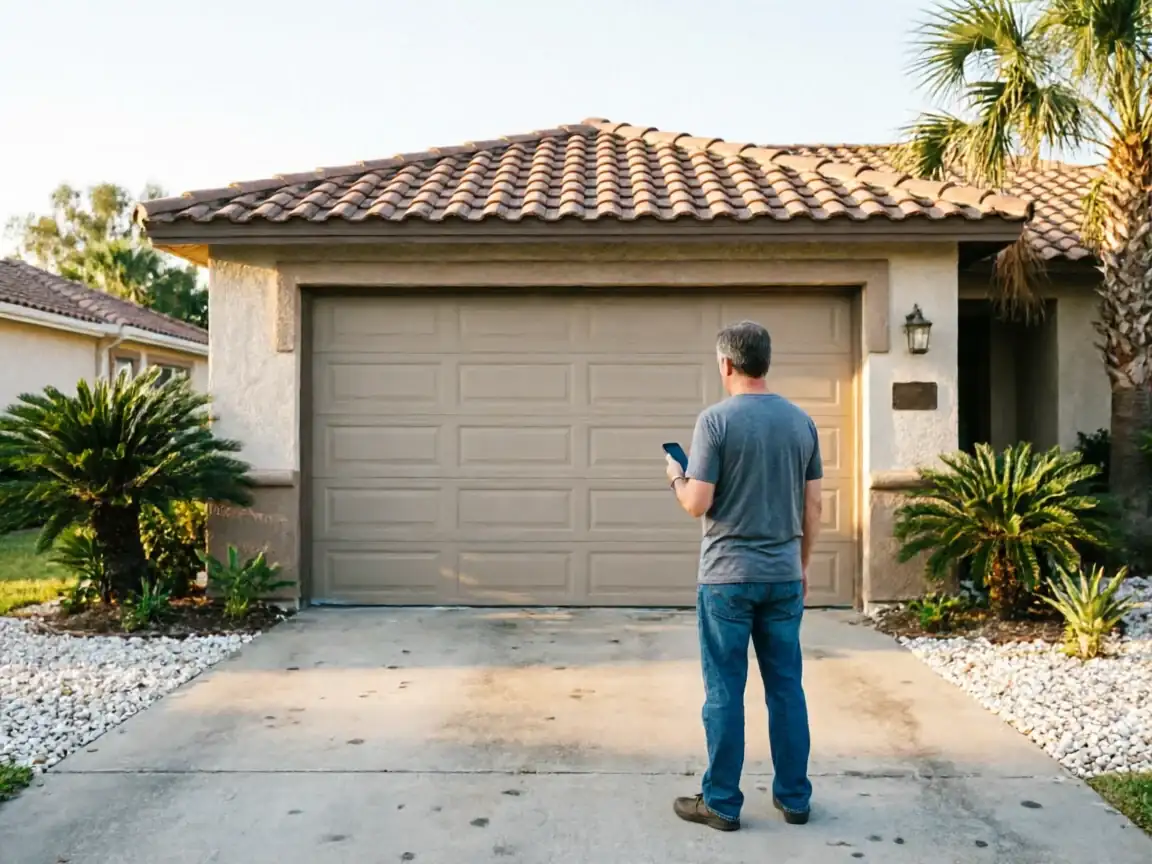
Buckingham sits seven miles from our shop in Lehigh Acres, close enough that a call here doesn't mean waiting on a truck coming from across the county. That short drive matters for one reason: it's the difference between a tech who's already loaded with the right torsion spring size and one who has to turn around because the house is older or newer than what's on the truck.
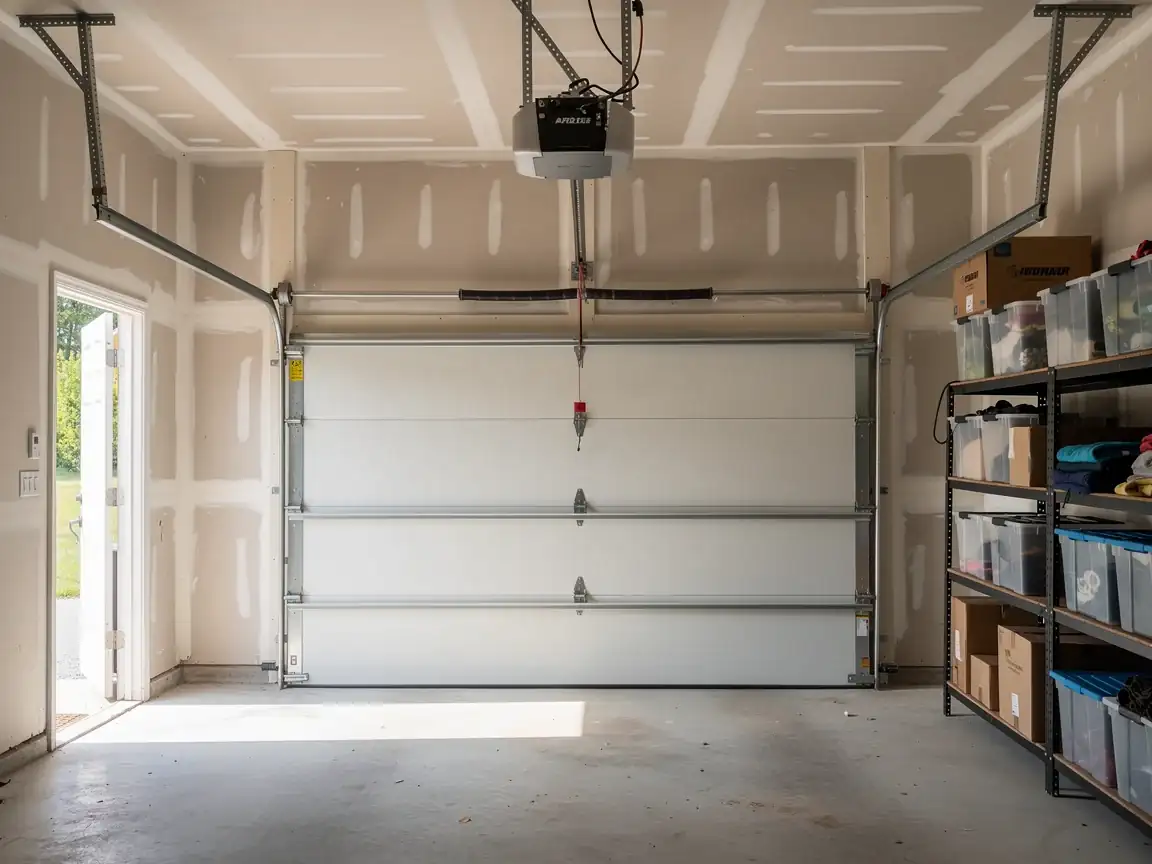
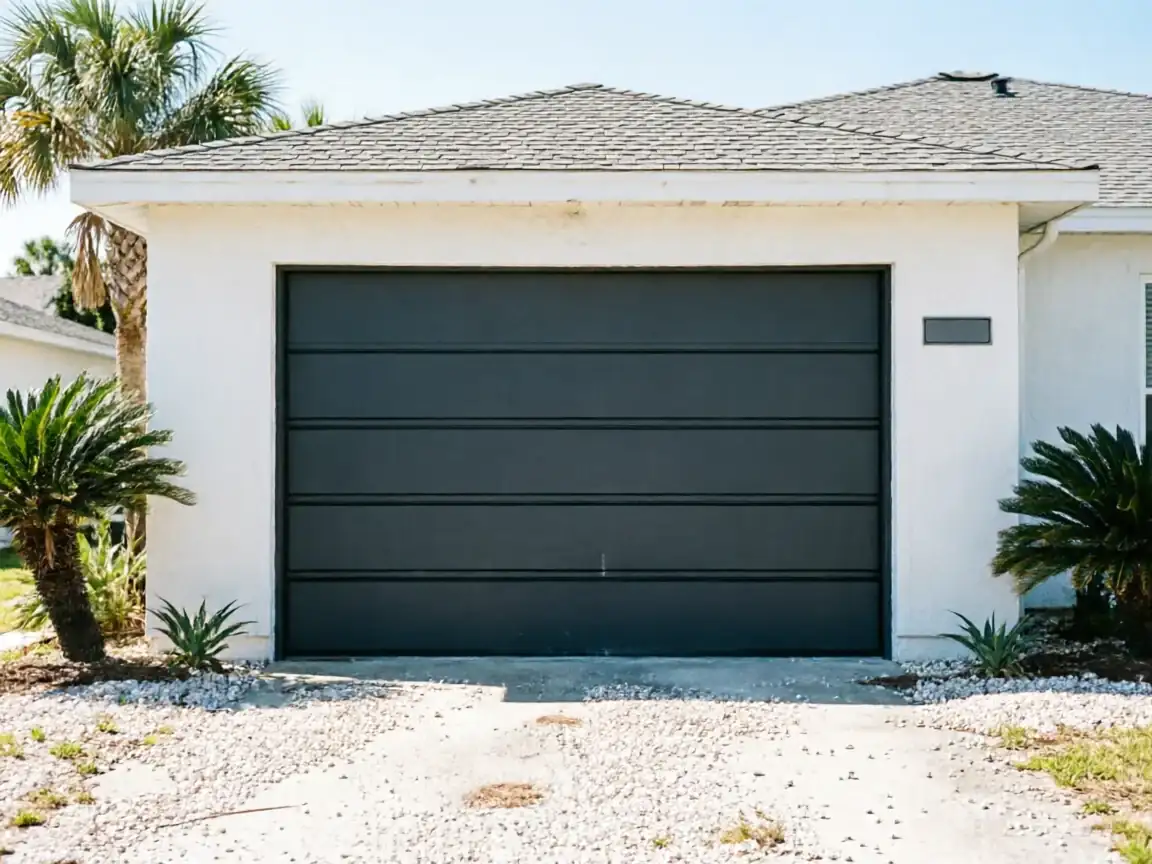
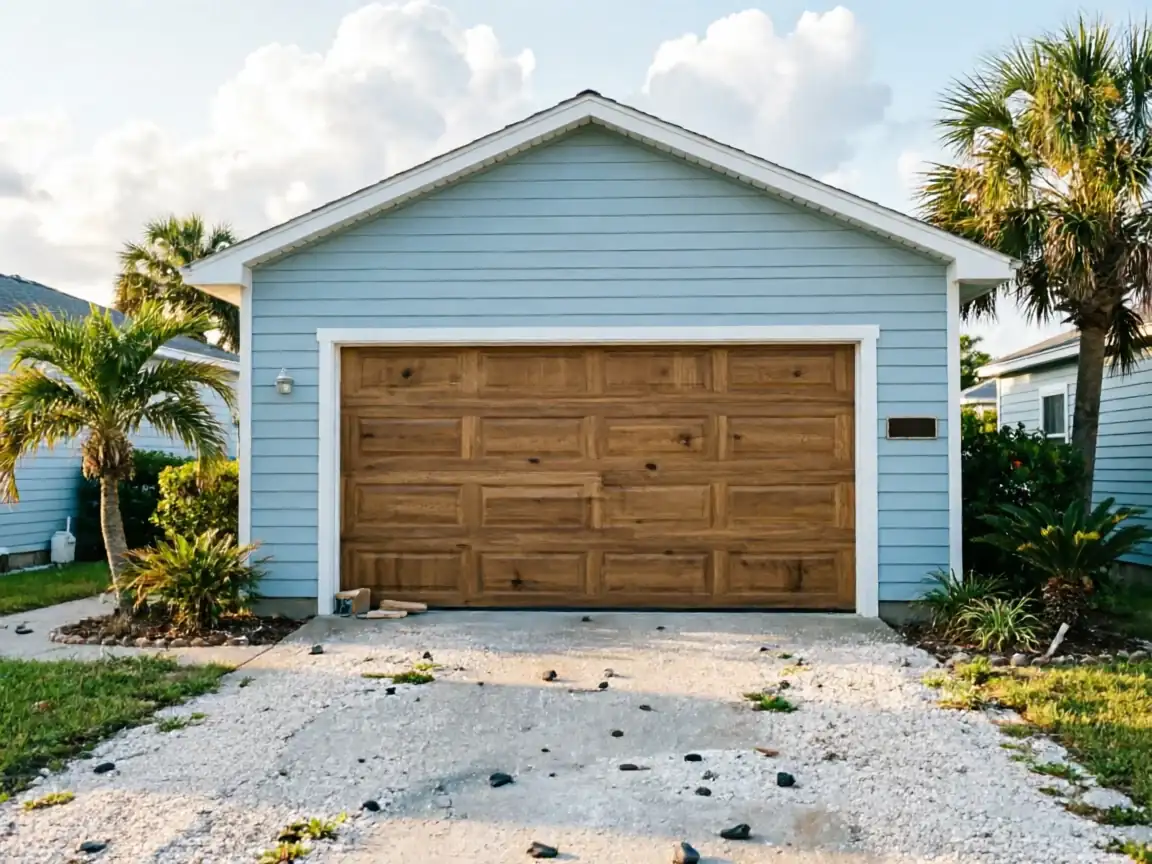
Houses in this part of the service area were mostly built around 1994, which is later than a lot of the 1970s-80s stock you'll find elsewhere in the broader Lehigh Acres coverage area. That matters for parts. A door from the mid-90s usually runs on a standard torsion spring system with a chain or belt-drive opener from that era, not the older extension-spring setups that need different cable routing and drums. We bring what fits a 90s-built door, because that's what's on the wall in most of Buckingham.
The honest limitation: if your door or opener was replaced more recently with something unusual, or the house predates the local build pattern, we may need to confirm the part before the truck leaves. We'd rather ask than guess wrong and make a second trip.
How Long You Are Without the Door
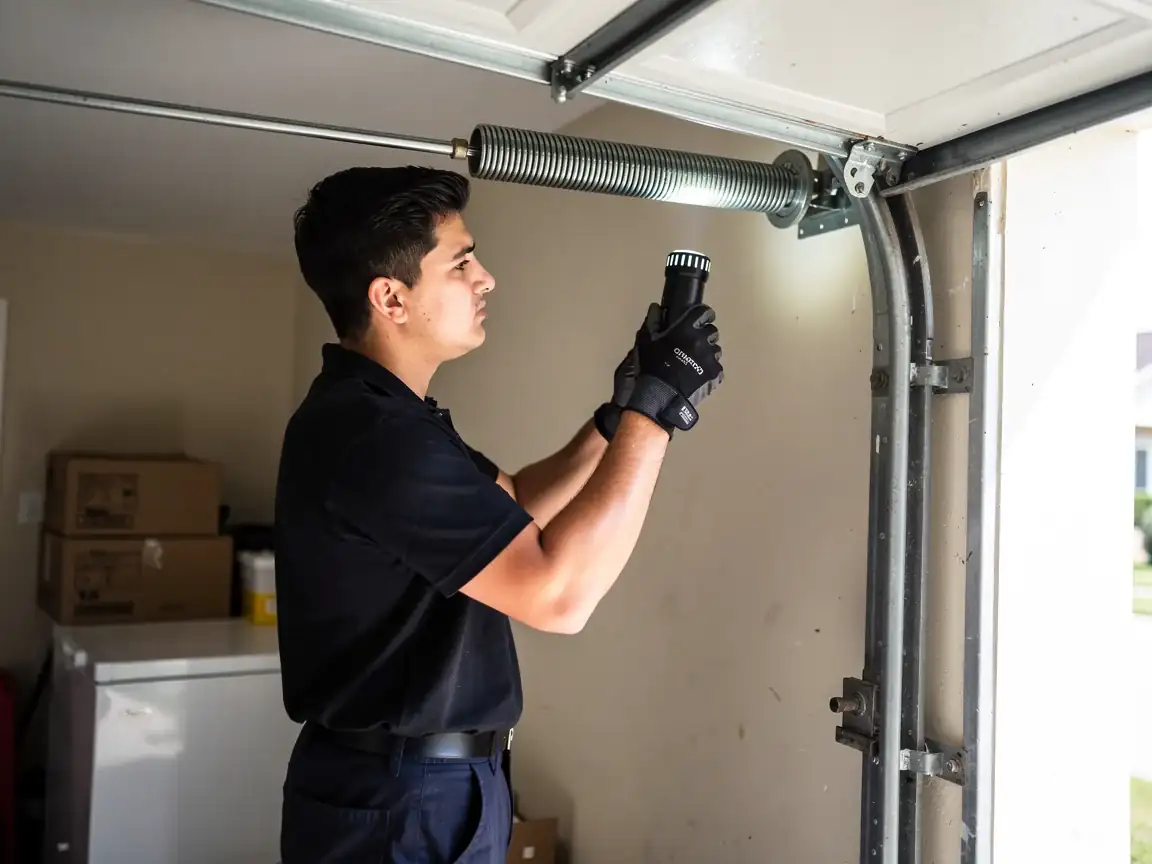
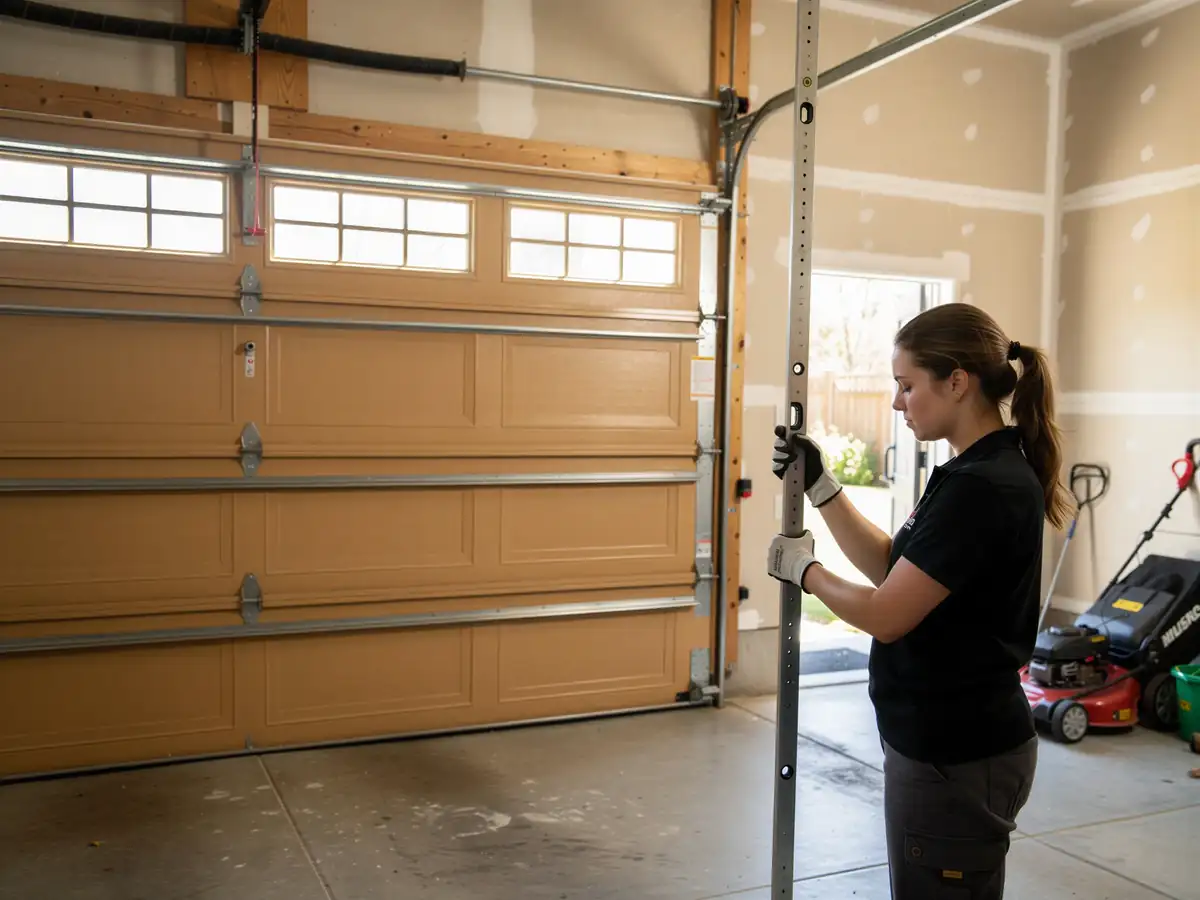
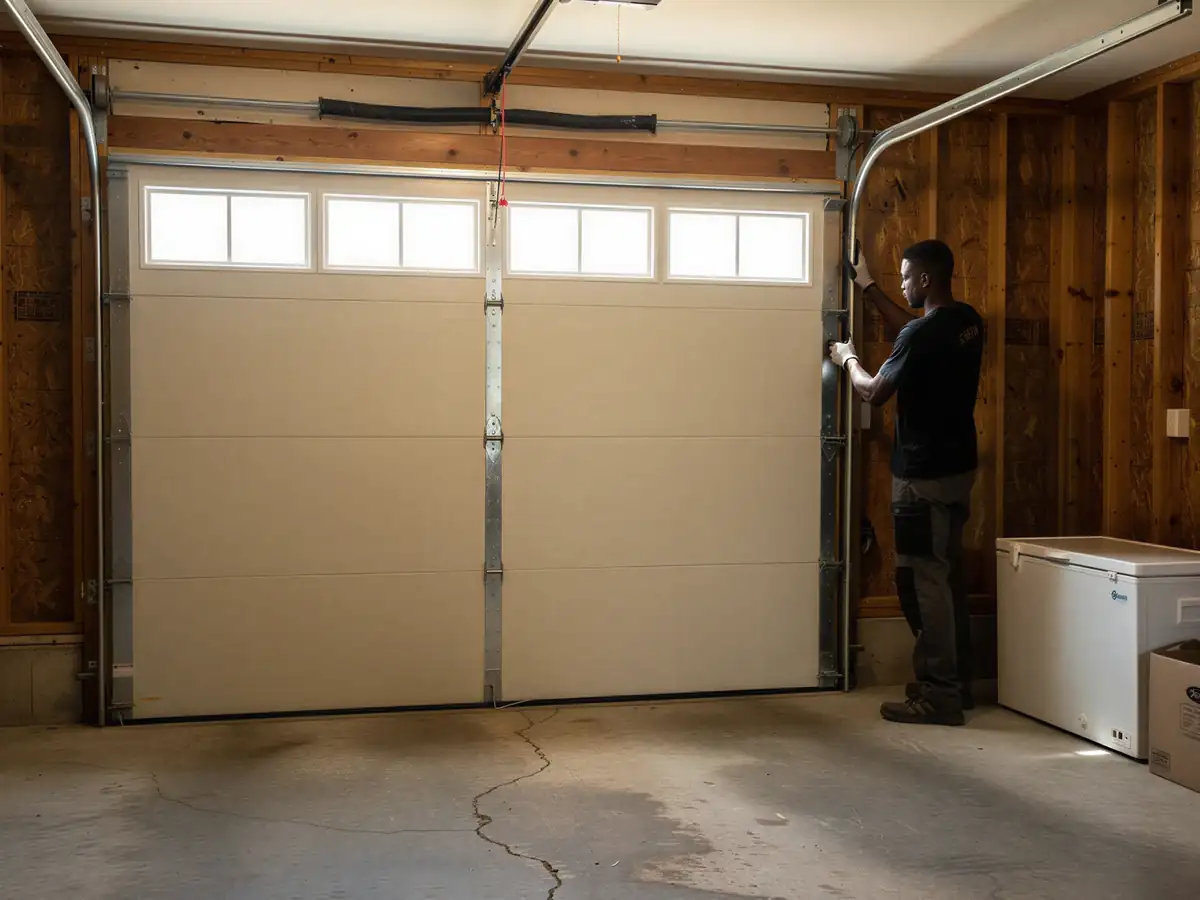
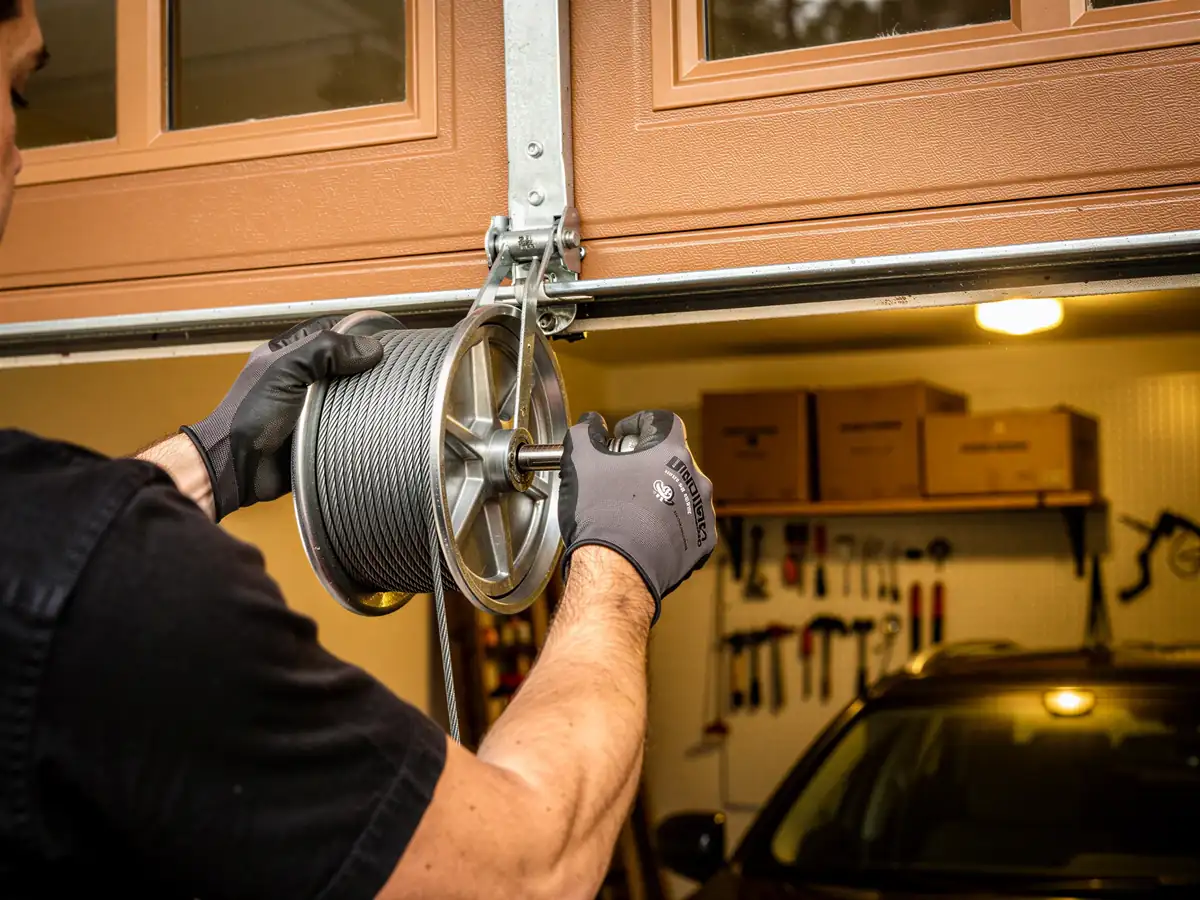
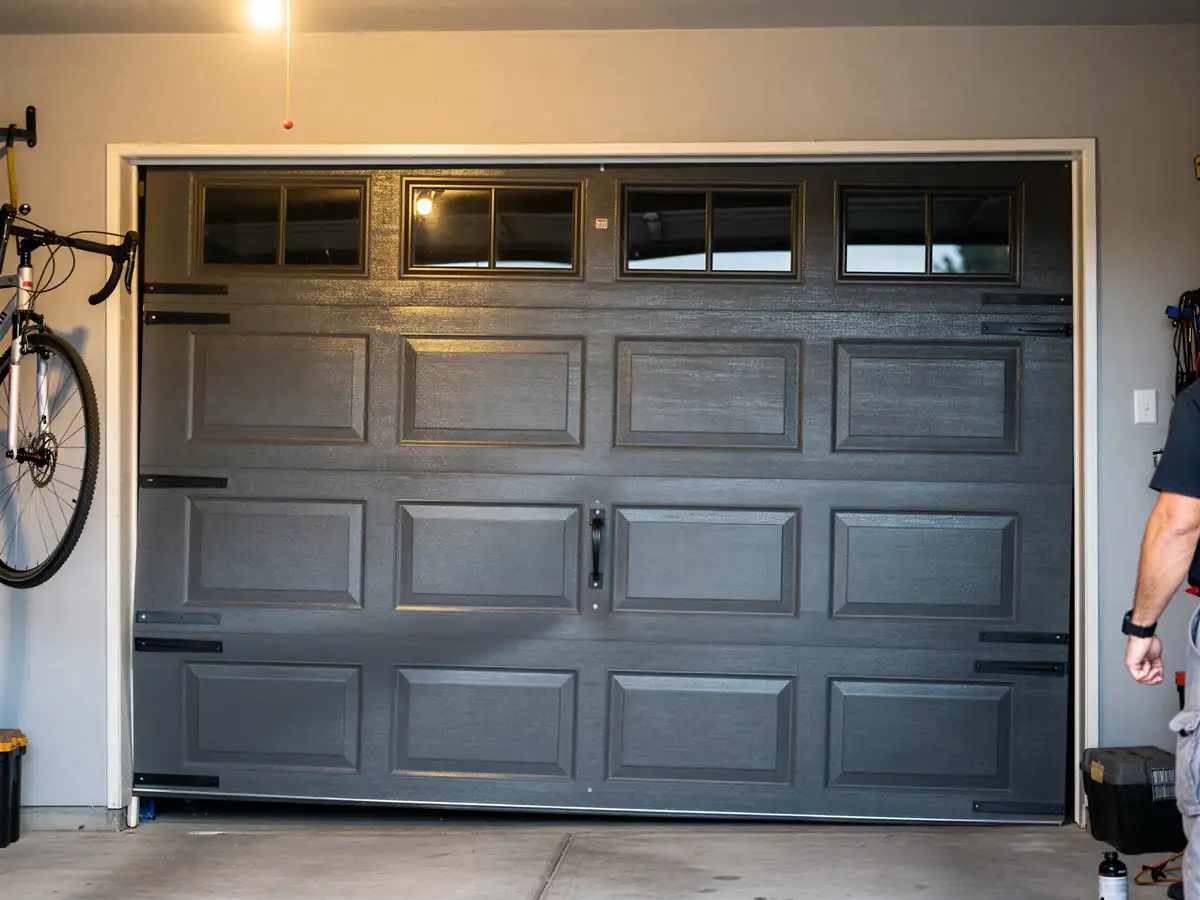
A seven-mile run from Lehigh Acres is short, but how long you're actually stuck with a door that won't open or close depends more on what broke than on the drive. A snapped torsion spring on a standard door is a same-visit fix once the tech is there - it's a known part for a known door type. A bent track or a cable that's come off the drum takes longer to sort out right, because forcing it back into place without checking the drum and bearing can just set up the next failure.
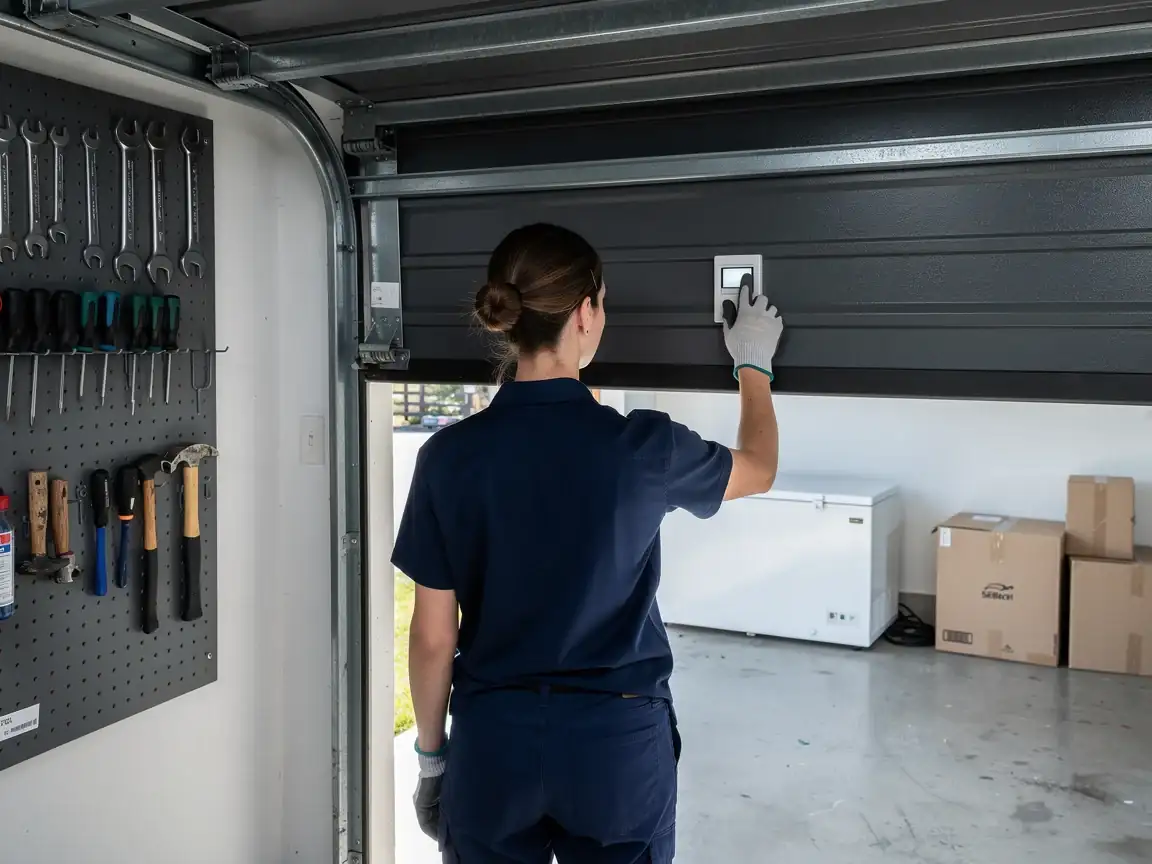
If the opener itself has failed - the motor won't engage, or it runs but the door doesn't move - that's often diagnosed on site but may need a part that isn't standard stock, which can push the fix to a second visit. We don't promise a number of hours here, because we don't have a verified response-time figure for this leg of the service area, and a guess isn't worth the aggravation if we're wrong. What we can tell you is that the distance isn't the bottleneck. The failure type usually is.
Why It Happens Here
Buckingham's housing dates mostly to around 1994
Putting it toward the newer end of the 1970-2006 build range across the wider service area. Doors and openers from that era are old enough now that springs are reaching or past the end of their cycle life, and the first-generation chain-drive openers installed then are starting to show worn gears and stripped sprockets rather than clean electrical failures.
The climate here is mild temperate
So we're not chasing the freeze-thaw cracking or extreme heat warping that shows up in other parts of the country - that's not what's driving these calls. What is driving them is simple mechanical age matched to the local build year: a spring rated for a certain number of cycles that was installed when the house went up around 1994 is now three decades into service.
Buckingham's household income runs noticeably higher than the $73,129 median across the broader service area
And higher-income households here more often call for a repair at the first sign of trouble rather than waiting for a full failure - which is often the cheaper call in the long run.
Doing It Yourself
Some of this you can check before calling anyone. If the door won't move and the opener light isn't flashing a diagnostic code, check that it's actually plugged in and the breaker hasn't tripped - it happens more than people admit. If you hear the opener motor running but the door stays put, stop immediately. That's usually a broken spring or a disconnected cable, and running the opener against it can strip the gear or bend the track further.
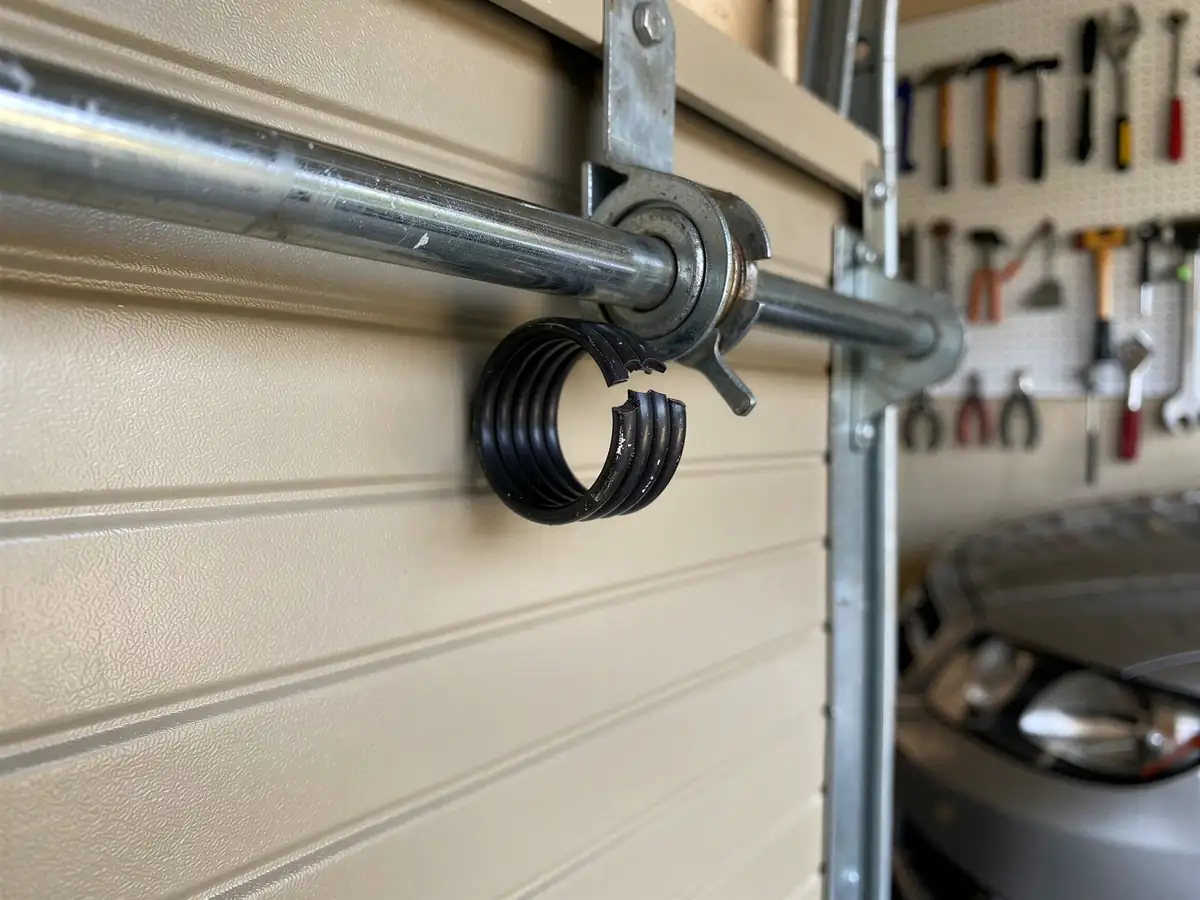
What you shouldn't do yourself: touch a torsion spring. It's under enough tension to cause a serious injury, and on a standard door built in the 90s that spring has been doing its job quietly for about thirty years - when it goes, it goes fast. Also leave the cable drums and the bottom bracket alone if a cable's off; that's a job for someone who does it daily, not a Saturday project.
If the door's just noisy - grinding rollers, a squealing track - that's often a lubrication fix you can do yourself with the right garage-door lubricant, not the silicone spray from the shelf. Save the call for when something's actually broken.