What the Repair Takes
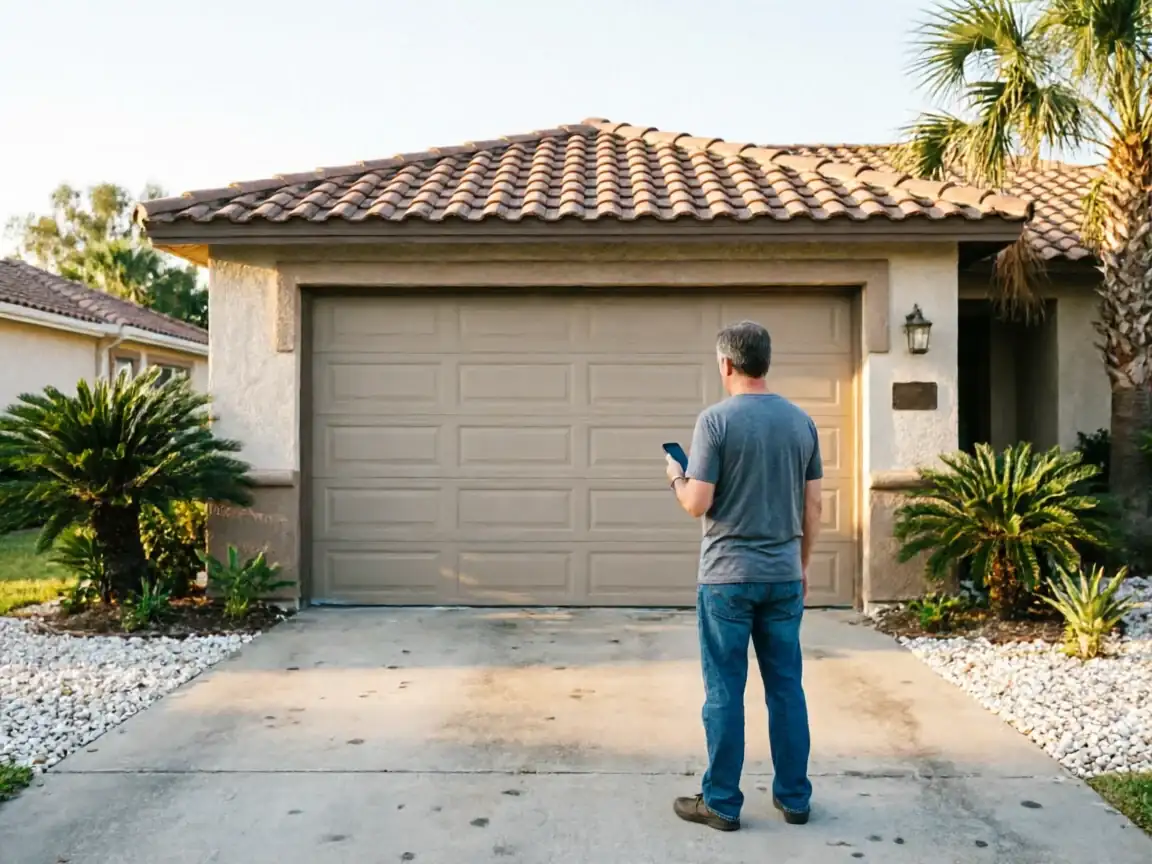
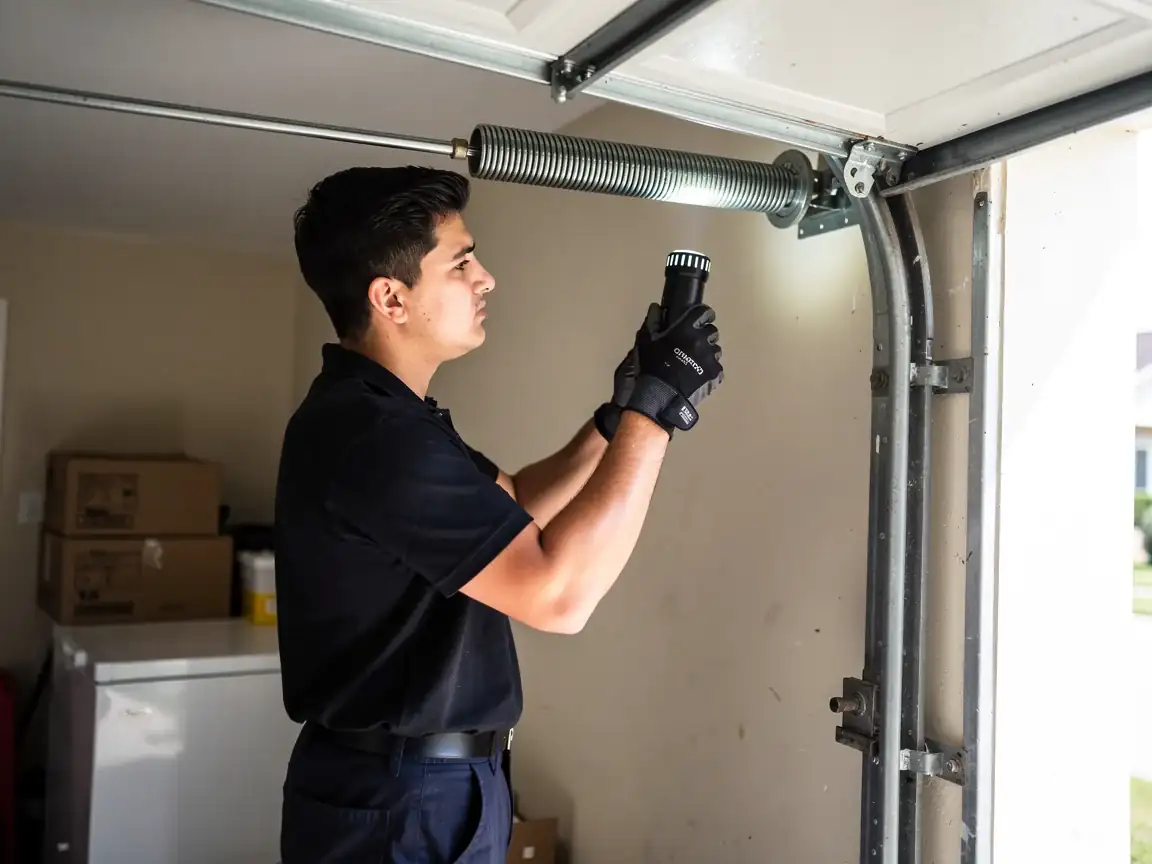
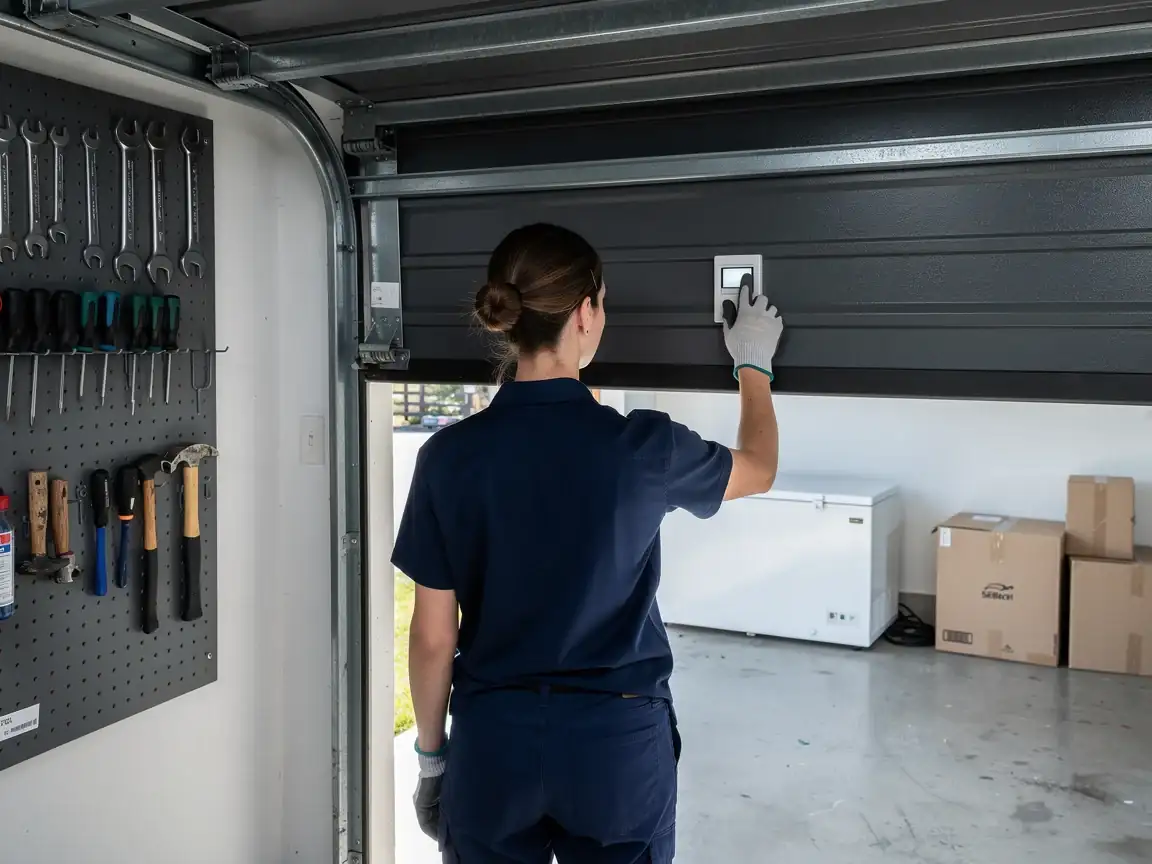
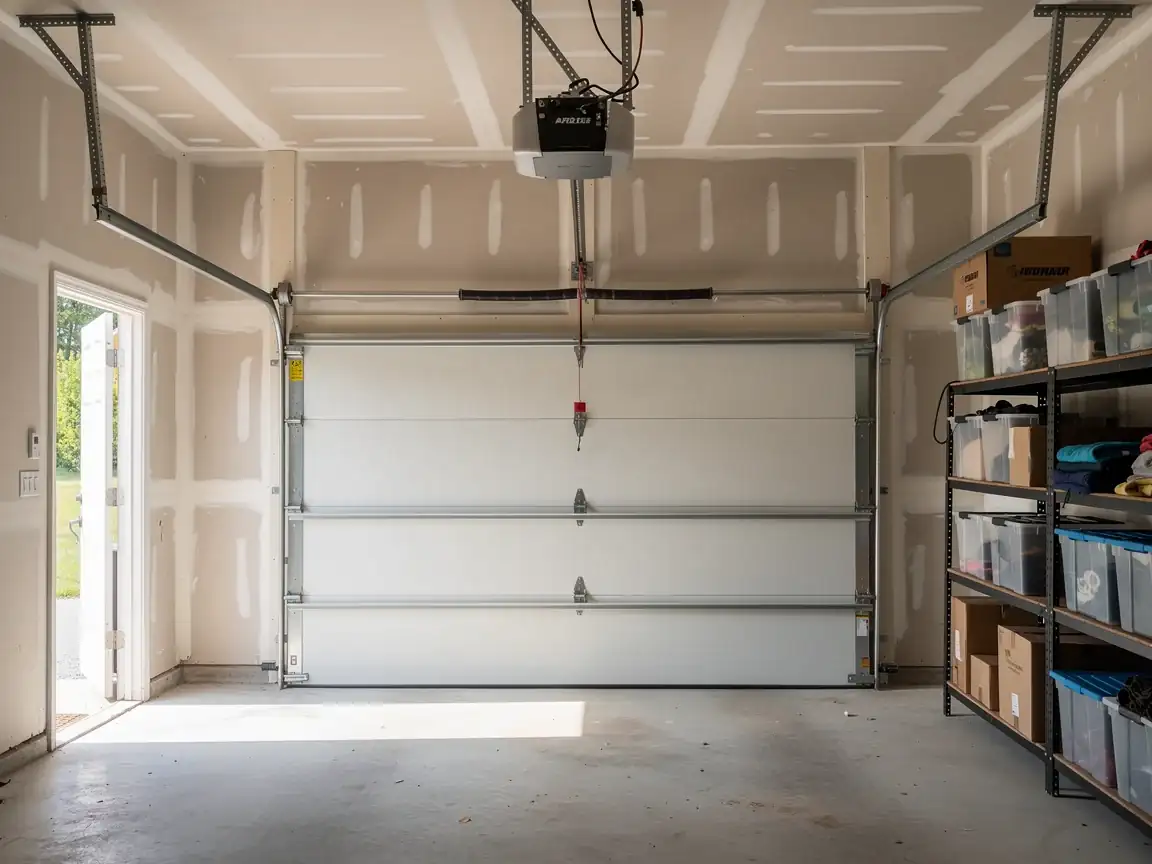
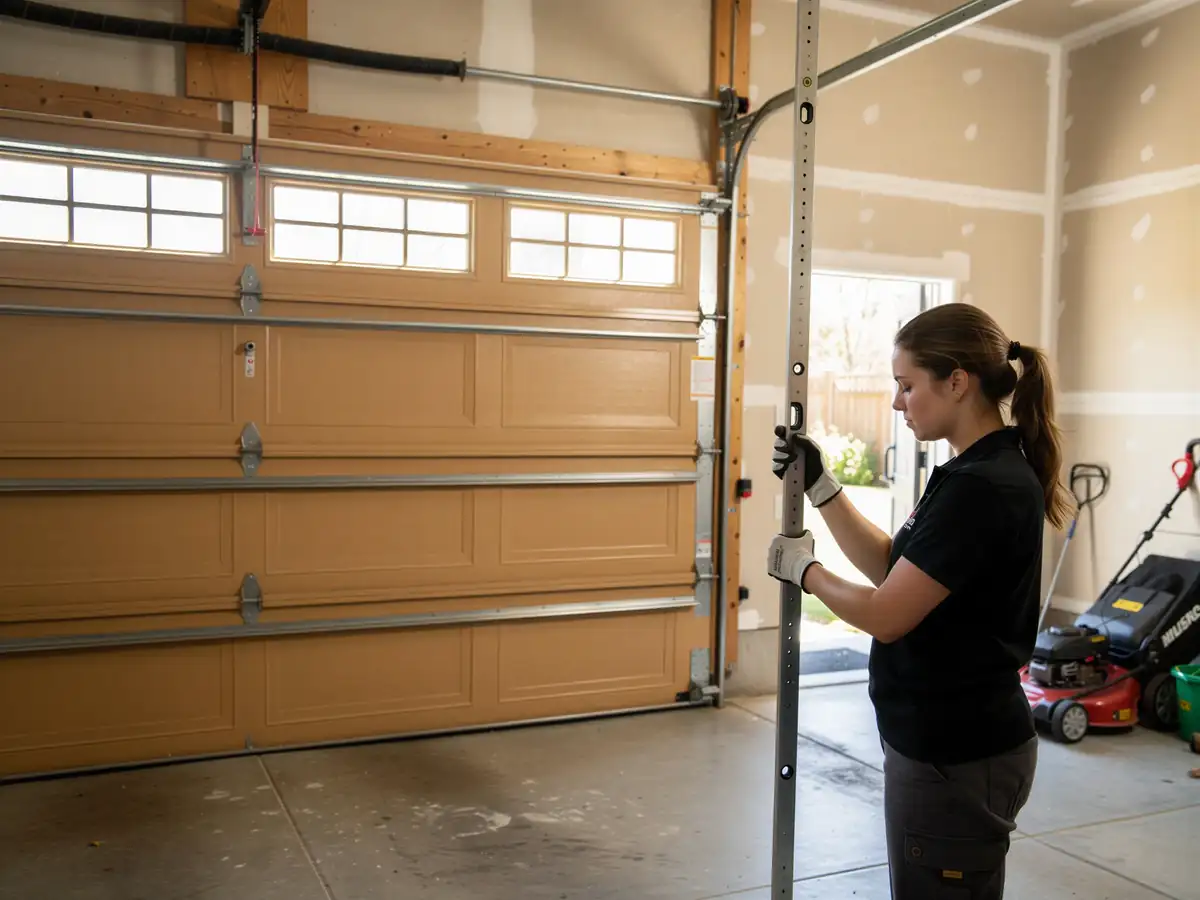
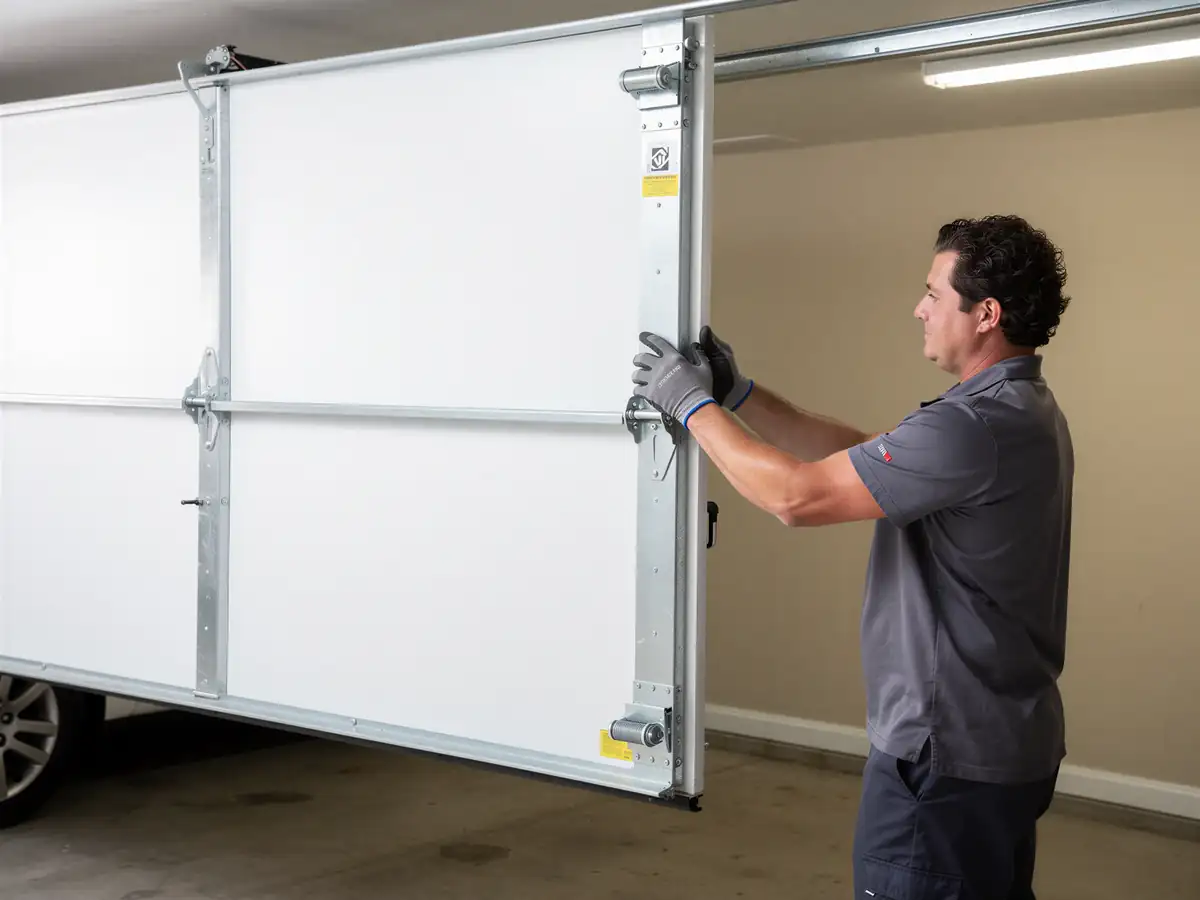
Buckingham is a small place - about 1,893 households, a fraction of the 77,337 across the wider service area. That matters for maintenance work because a town this size doesn't generate the volume of calls a dense subdivision does, so when we're out here, we're usually looking at one door, not working down a block. A standard maintenance visit covers the track alignment, roller condition, cable wear, spring tension, and the opener's force settings and safety reversal. On a door that's been running fine with no complaints, that's often a 45-minute check. On a door nobody's touched in a few years, we're usually finding dry hinges and a spring that's lost tension gradually enough that the owner never noticed the opener straining to compensate. We don't replace parts that don't need it - a maintenance visit is about catching the small thing before it becomes the Saturday-morning emergency, not selling a new opener to a door that just needs lubrication and an adjustment.
How Long You Are Without the Door
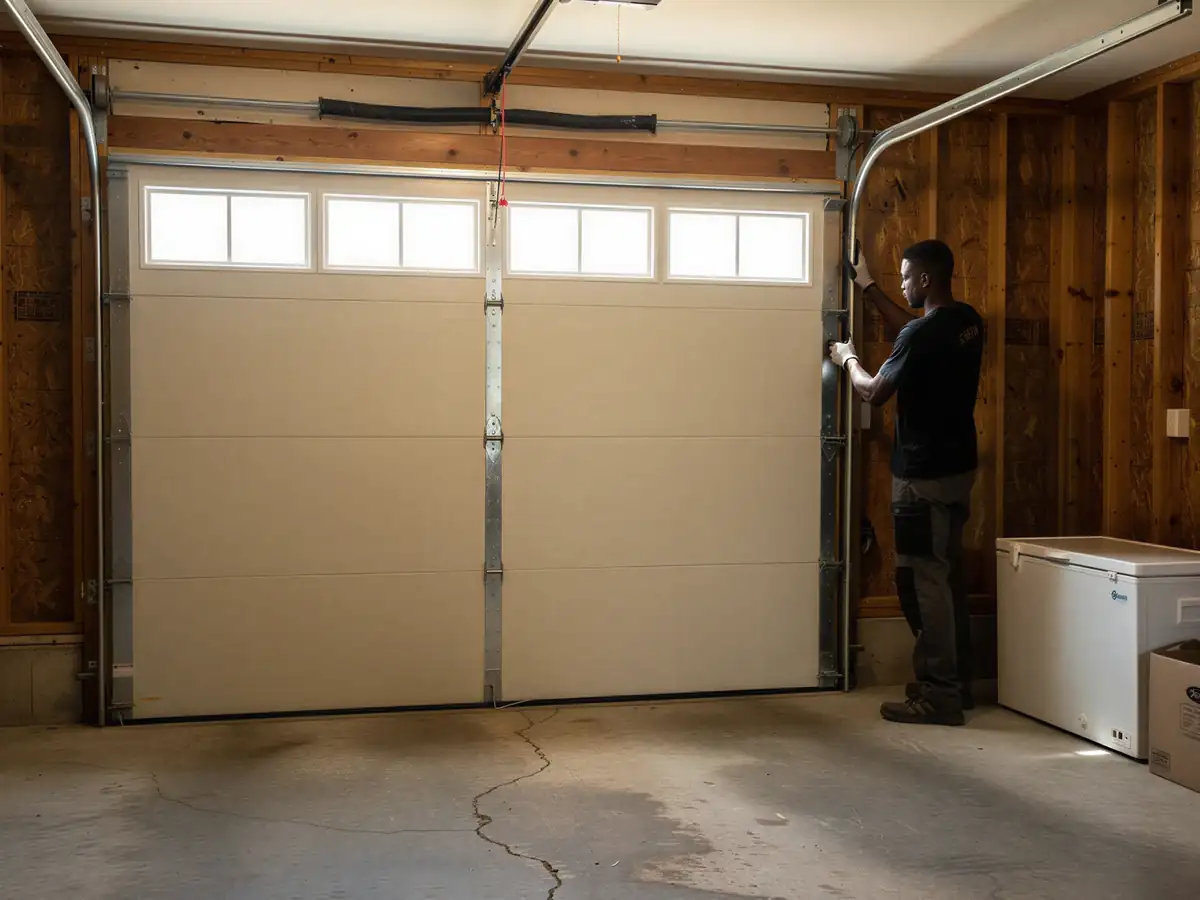
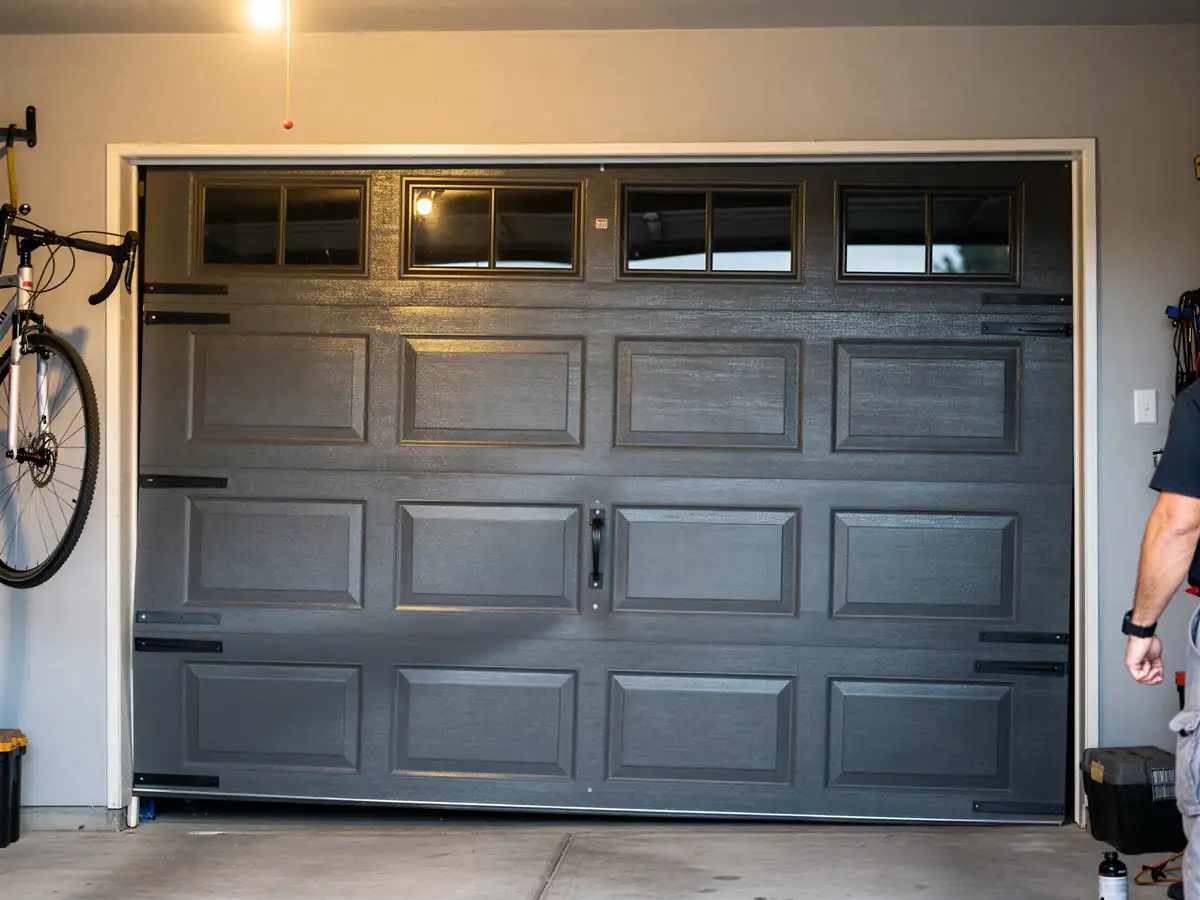
Maintenance, done as maintenance and not as a repair after something's already broken, doesn't take your door out of service at all. The door stays usable the whole visit; we're adjusting and inspecting a system that's still working. Where that changes is if the inspection turns up something that needs a part we don't carry on the truck - a specific opener gear kit, for instance. We're coming from Lehigh Acres, seven miles away, so a return trip for a part isn't a same-day guarantee, and we won't promise one. The honest version: most maintenance visits end with the door working better than when we pulled in, no downtime at all. The exception is the rare case where tension or hardware wear has gotten bad enough that it's not a maintenance fix anymore - that's a different conversation, and we'll tell you straight if that's where you are.
Doing It Yourself
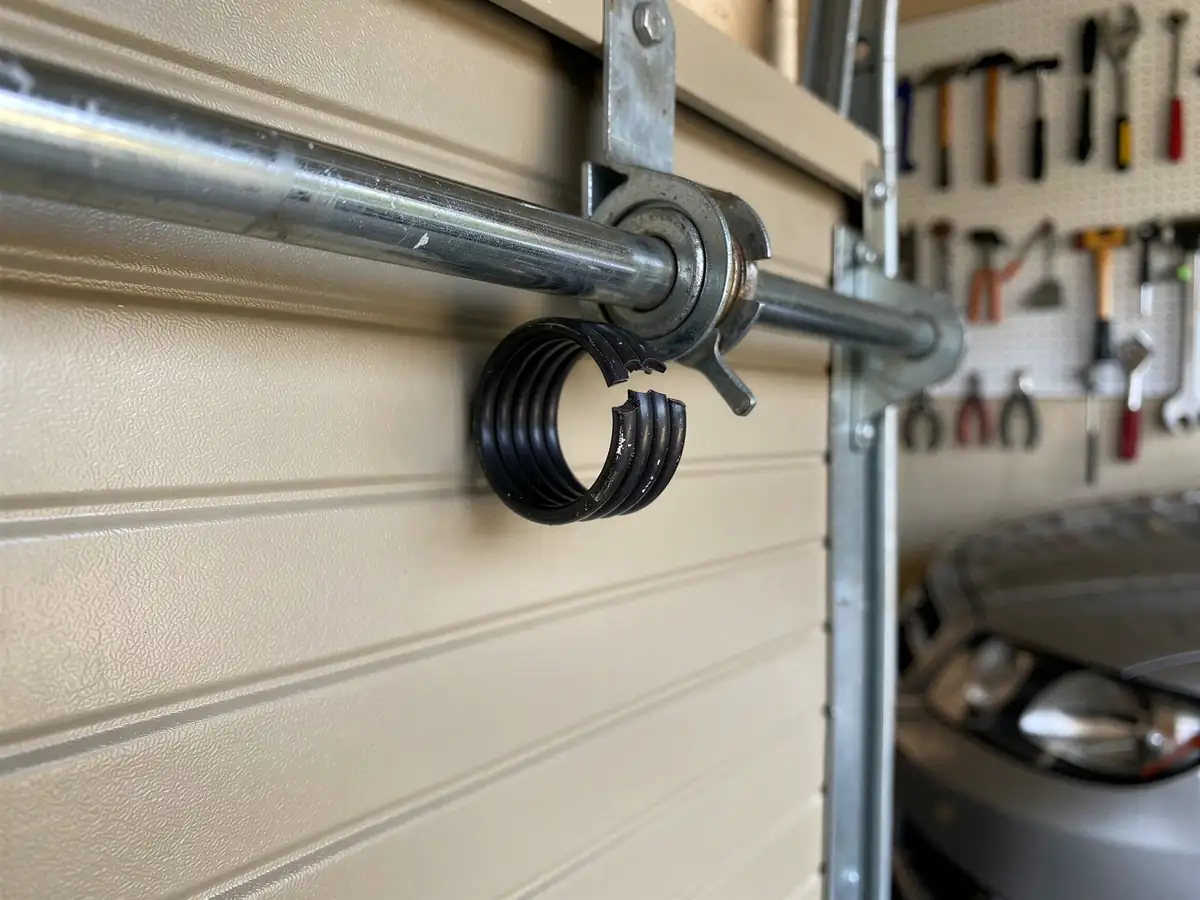
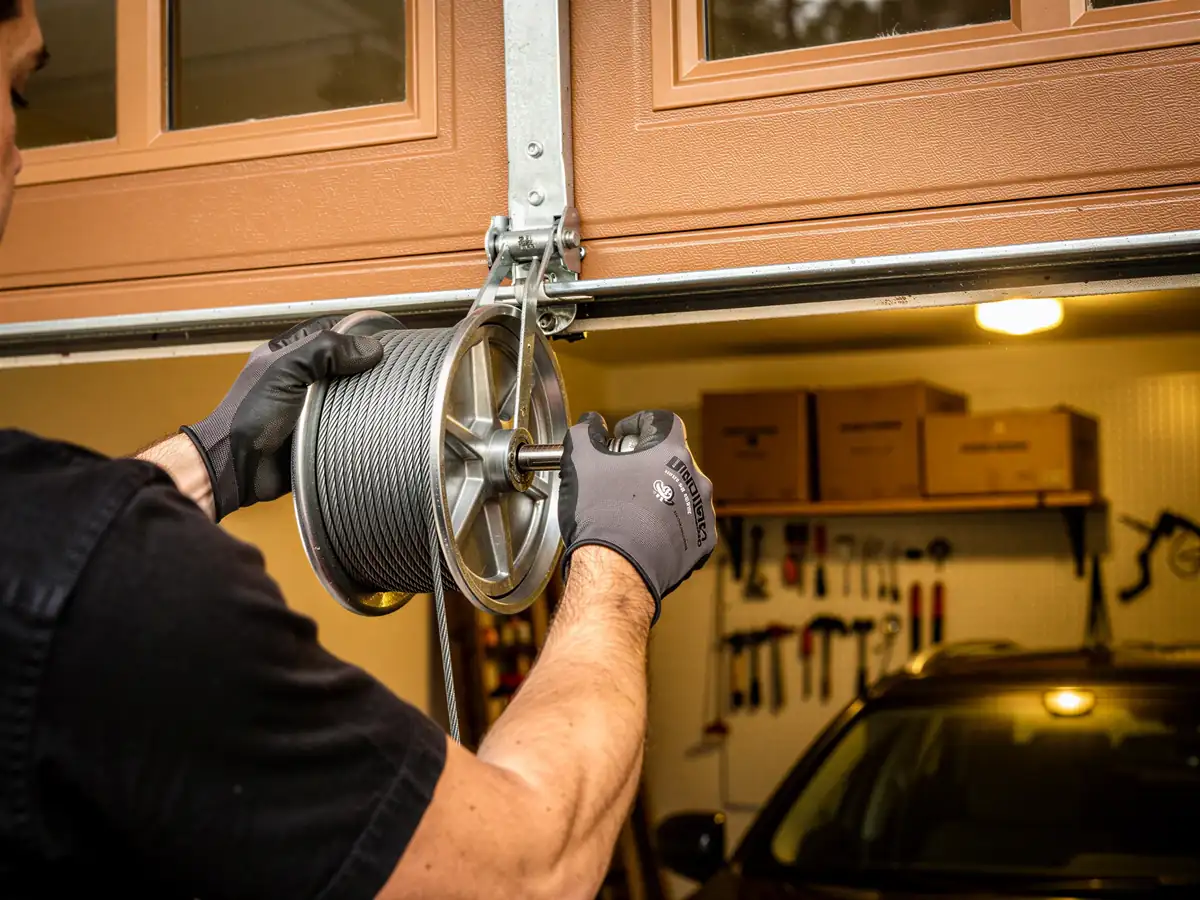
There's real maintenance a homeowner can do between visits. Wipe down and lubricate the rollers and hinges with a garage-door-specific lubricant, not WD-40, which washes grease out rather than replacing it. Check that the door reverses when it hits an object on the way down - that's a safety test, not optional. Look at the cables for fraying near the bottom bracket. What you shouldn't touch: the torsion spring itself. It's under enough tension to cause a serious injury if it lets go while you're working on it, and that's true whether you're in Buckingham or anywhere else. If your door is sluggish, noisy, or the opener seems to be working harder than it used to, that's past the point of a DIY fix and into the range where tension or alignment needs a trained hand.