What the Repair Takes
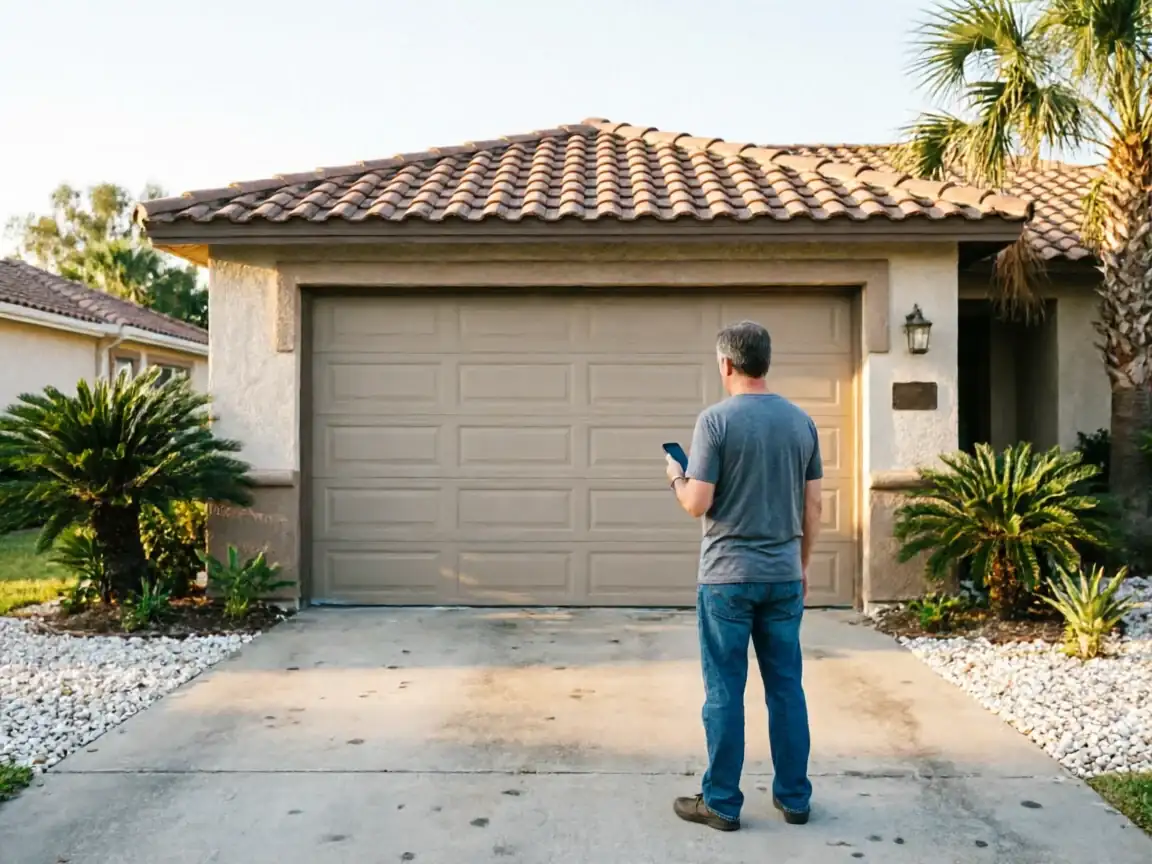
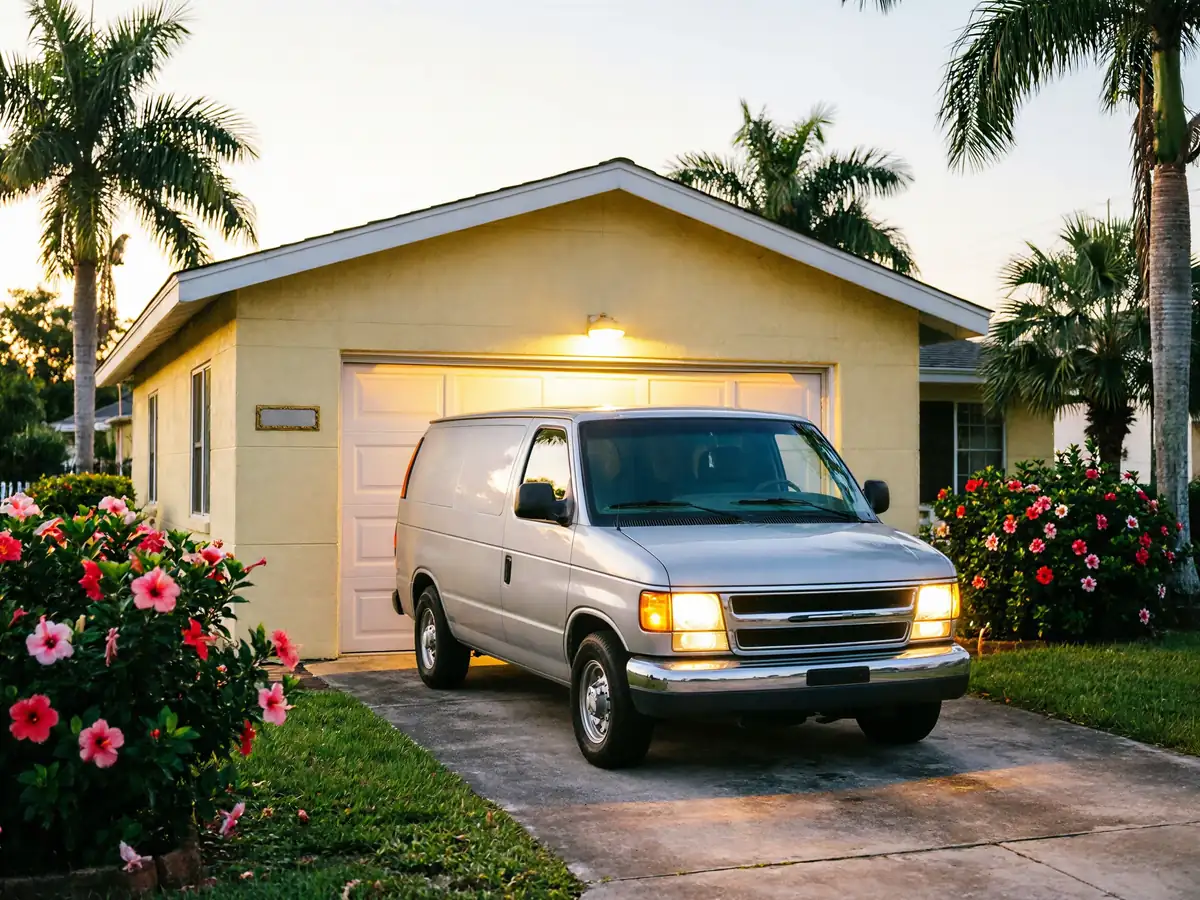
Alva's median household income sits at $83,551, well above the $73,129 median across the wider service area. That number matters more than it sounds like it should, because it's the line that decides repair versus replace. At that income level, a torsion spring swap, a cable job, or a new opener board almost always makes sense to fix rather than walk away from - the door itself is usually worth saving even when a part on it has failed outright. We won't tell an Alva homeowner to replace a door that a $200-300 repair would solve, and we also won't pretend a cracked, delaminating panel from the mid-1980s is worth patching forever. The truck comes from Lehigh Acres, about 8 miles out, carrying the springs, cables, rollers, and drums that cover most of what breaks on a door from this era. We're not a dispatch center with a branch in Alva - we're a Lehigh Acres company that drives out when your door won't move. That's the honest setup, and it's worth saying plainly before anything else.
Why It Happens Here
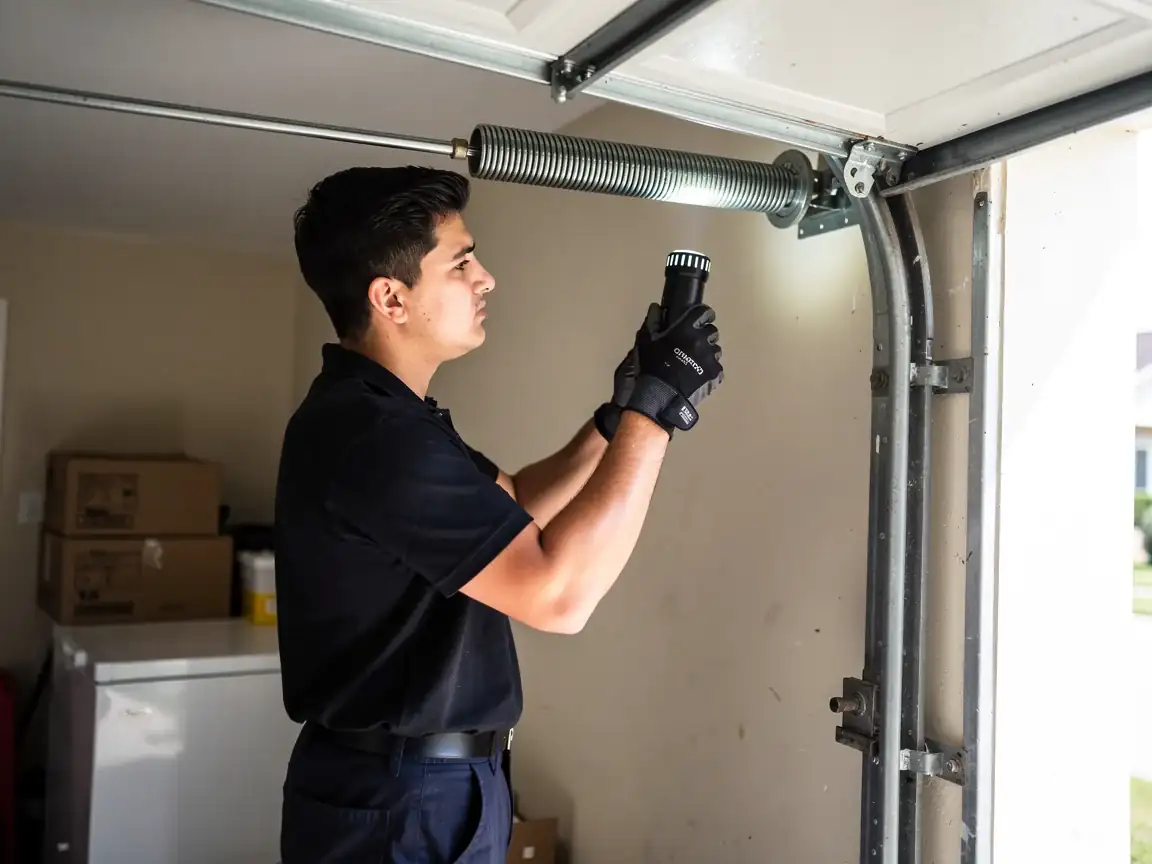
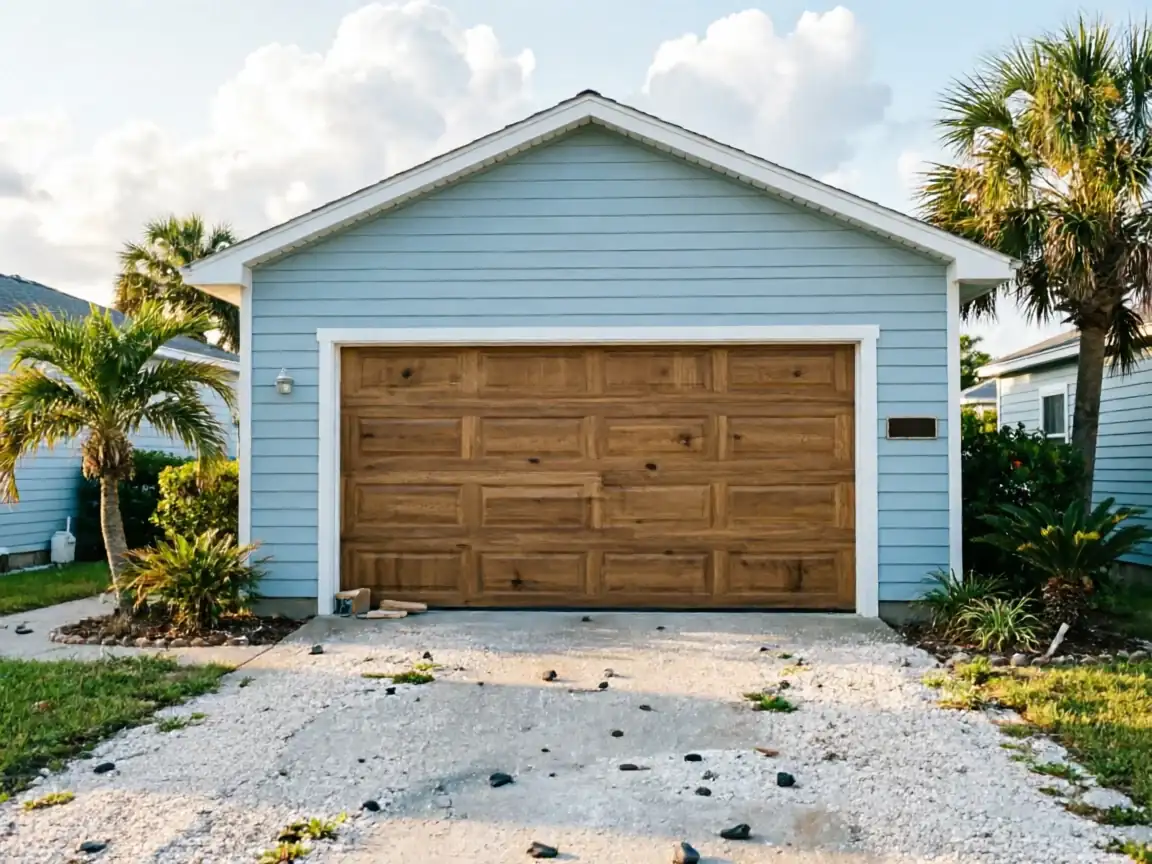
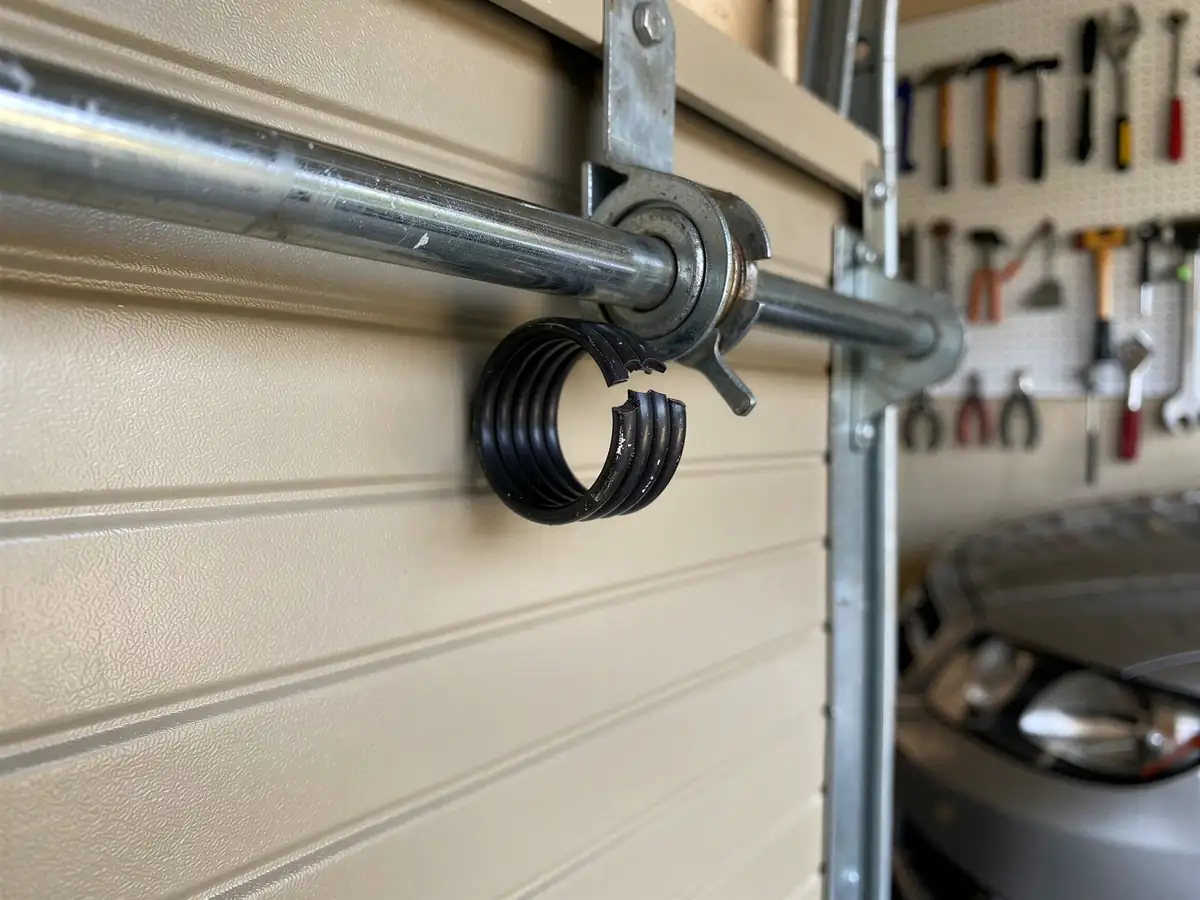
Alva's housing stock centers on 1986, squarely inside the 1970-2006 build range that defines this part of the service area, with most of the 18 named communities clustering in that same 1980s-90s window. Doors and openers installed when a house was built in the mid-1980s are now pushing toward 40 years old, and torsion springs on a door that age have usually gone through 10,000+ open-close cycles - right around where fatigue failure shows up. The region's climate band is mild temperate, which is a break compared to places with hard freezes, but humidity and heat cycling still take a toll on galvanized spring coating and on nylon rollers that get brittle and crack. With only 1,233 households in Alva itself, it's a small enough pocket that the housing age is fairly uniform - if one neighbor's spring just went, the one next door built the same year is on borrowed time too. That consistency is actually useful: it means we know roughly what hardware era we're walking into before the truck even leaves Lehigh Acres.
Stocked Parts
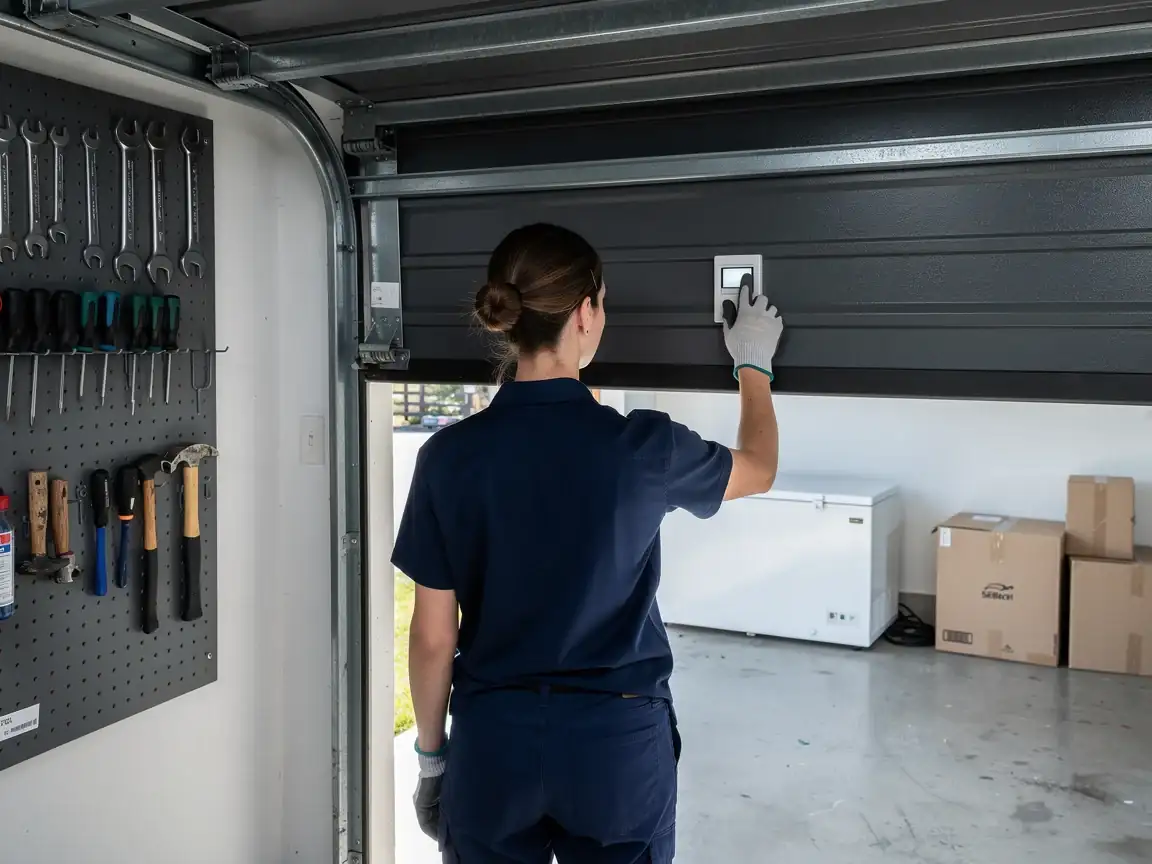
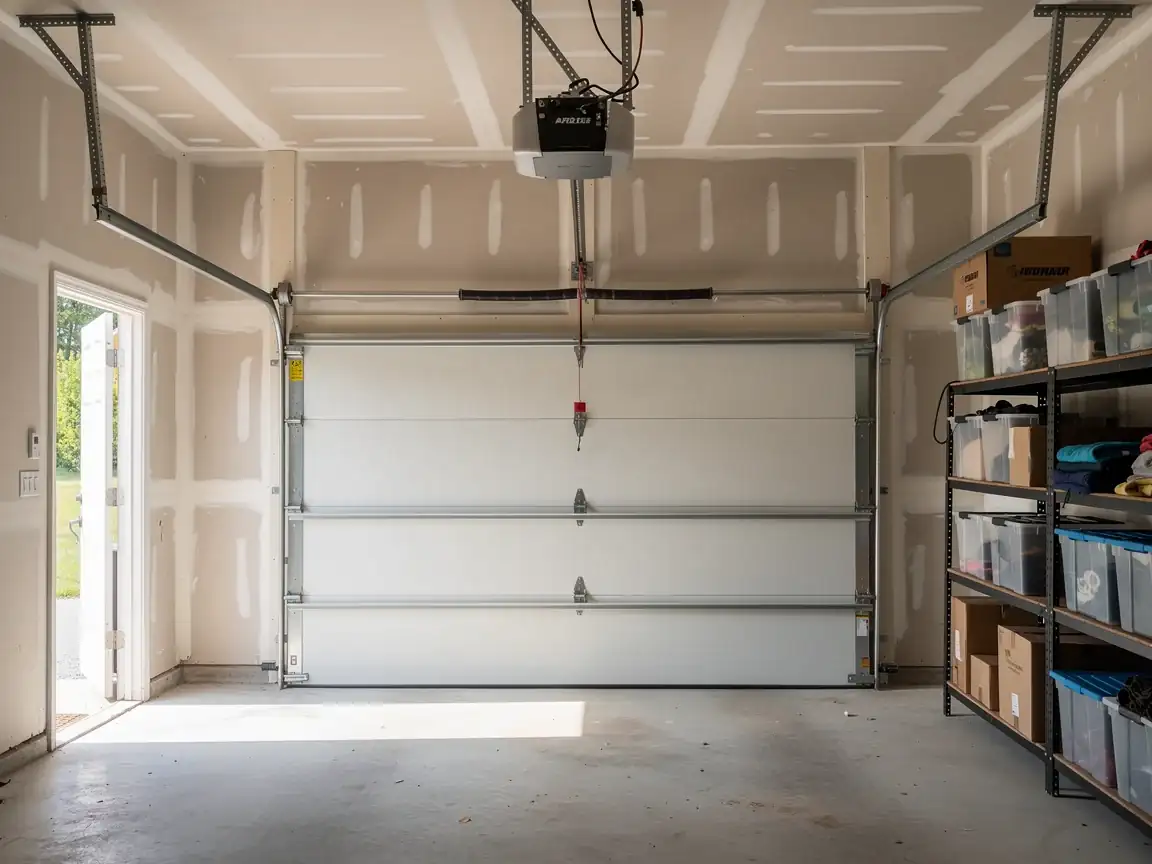
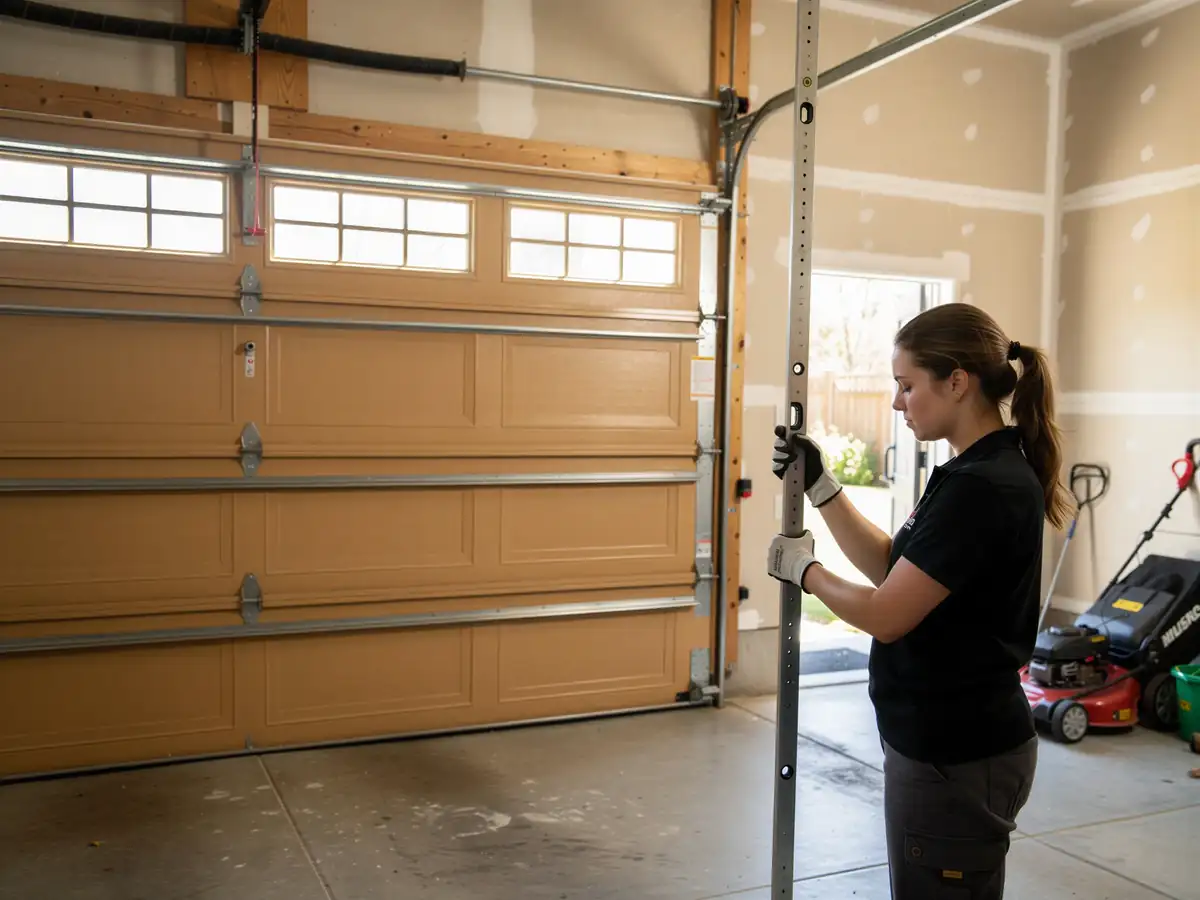
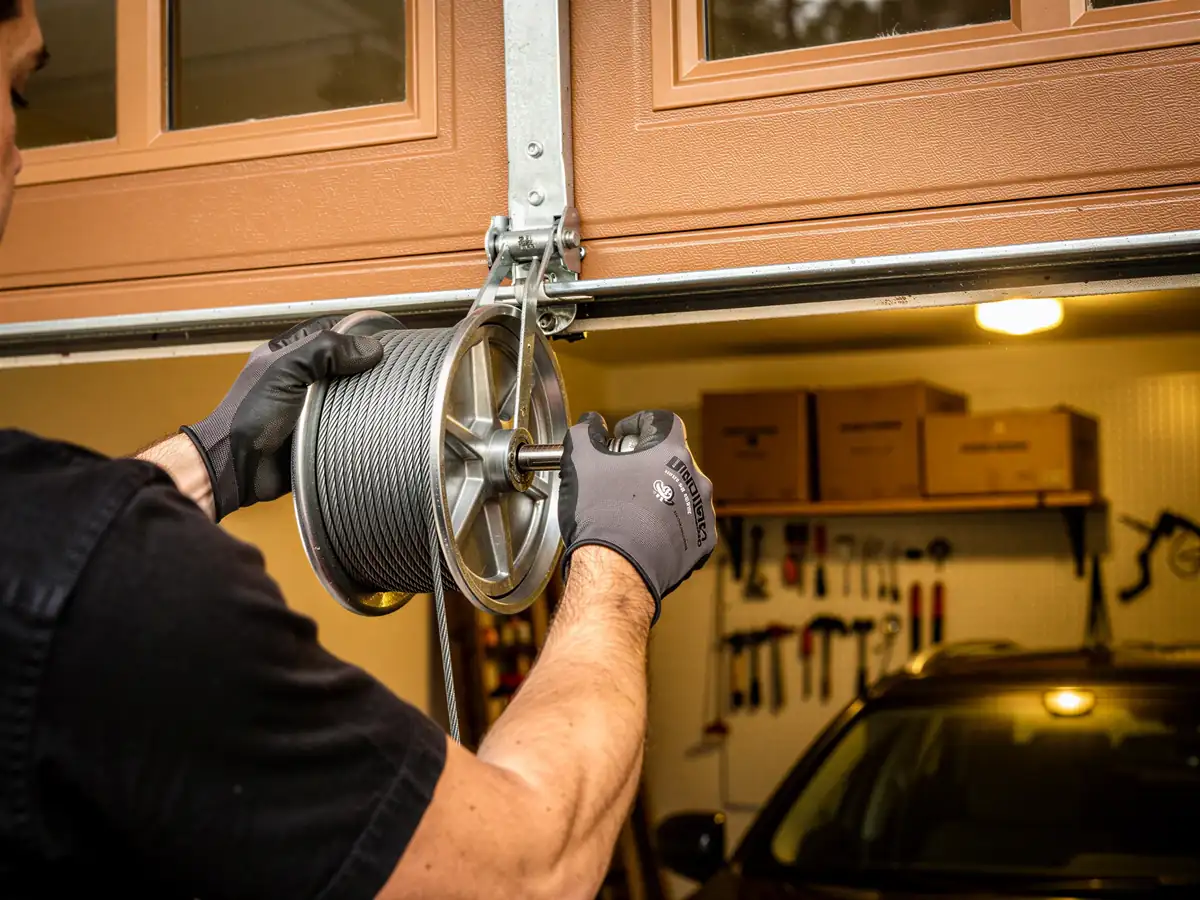
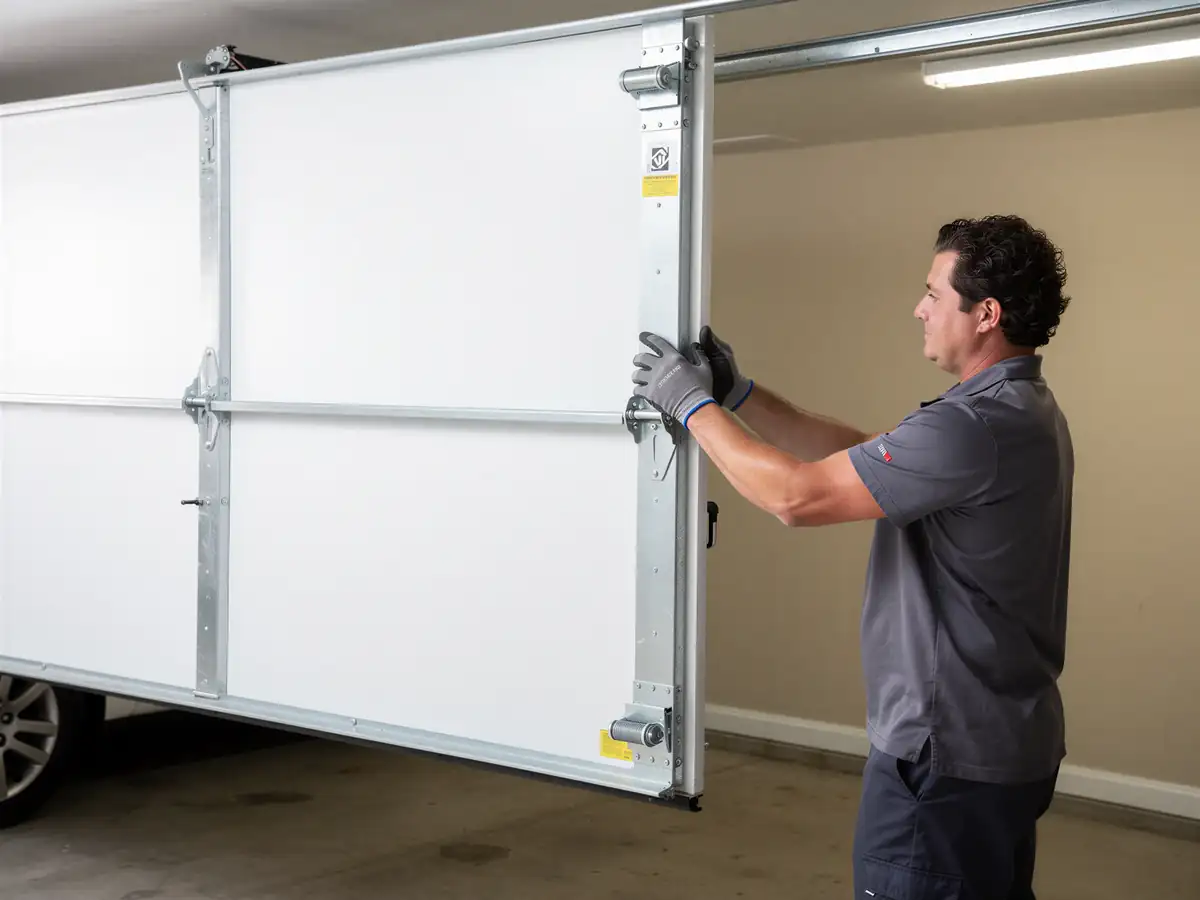
The truck carries torsion springs sized for single and double doors from the 1970-2006 build era, steel and nylon rollers, galvanized lift cables, and drums - the parts that fail most often on hardware installed when Alva's housing stock went up. Openers from that window are frequently chain-drive units with aging circuit boards or worn drive gears, and we stock gear kits and logic boards that fit a good share of what's still running on original equipment. What we don't carry on the truck is obsolete, single-panel door sections from a brand that stopped making that exact profile years ago - if a 1986-era door has a panel that's cracked or rusted through, we'll tell you straight that panel-matching may mean a full door rather than a patch. That's the honest limit: some repairs on a 40-year-old door aren't worth chasing, and we'd rather say so on-site than string out a repair that costs more than a new door section would.
The Symptom
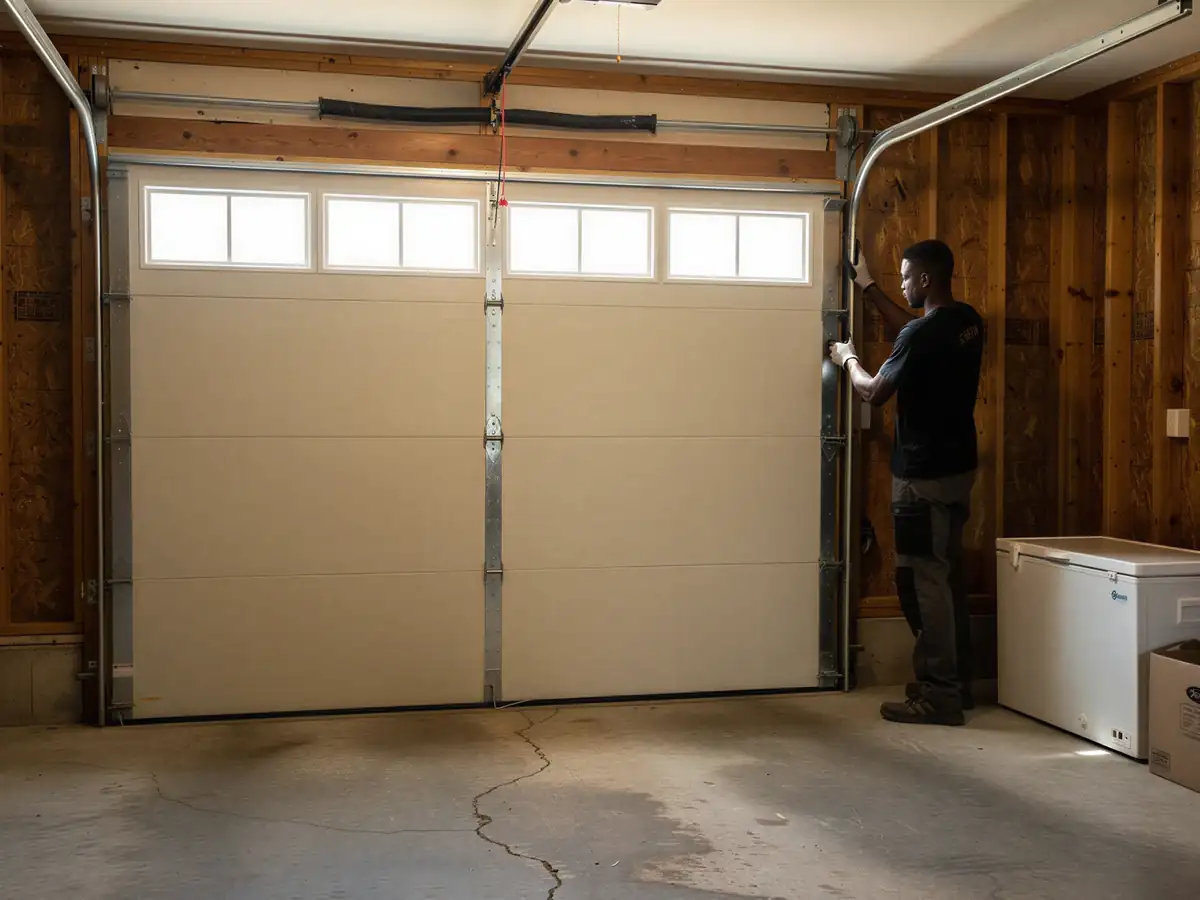
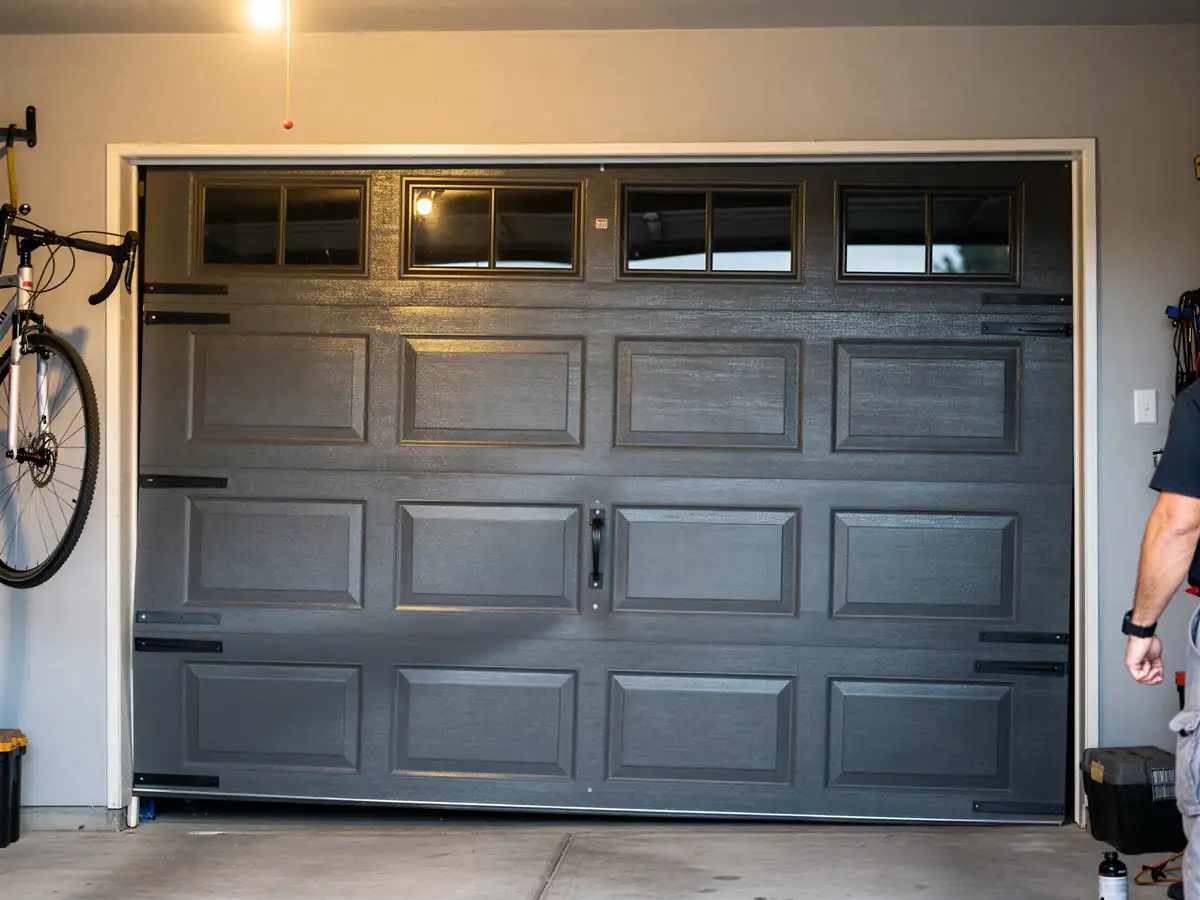
The complaint we hear most from this stretch of houses is a door that reverses halfway up, or one that slams down the last foot instead of settling. Both point to a spring that's lost tension - common on doors original to a mid-1980s build that have never had the spring replaced. A second pattern is a door that's fine going up but grinds or shudders on the way down, which on hardware this age is usually a dry or bent track rather than the opener itself. Neither symptom means the whole system needs replacing. Given Alva's income level and a housing stock centered on 1986, the math on these calls almost always favors a spring or cable repair over a full door swap, unless the panels themselves show rot, cracking, or rust-through that's gone past cosmetic.