What the Repair Takes
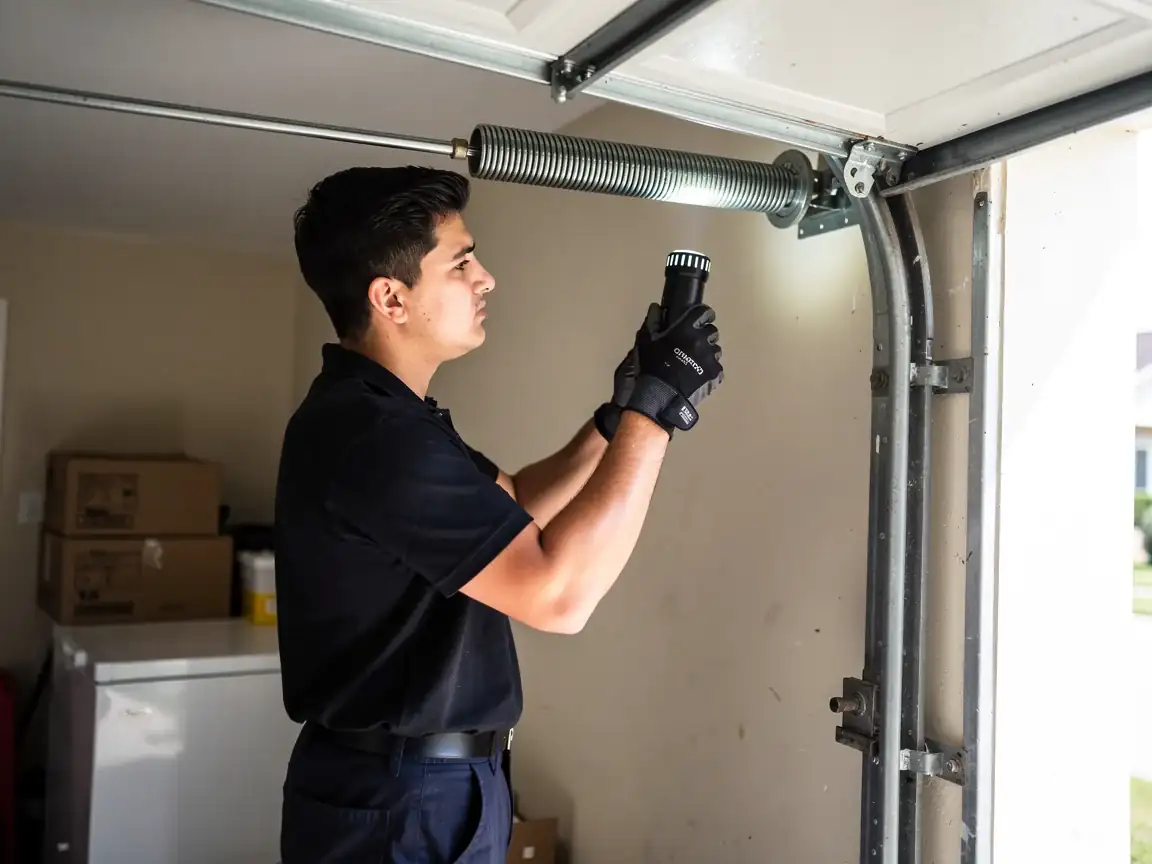
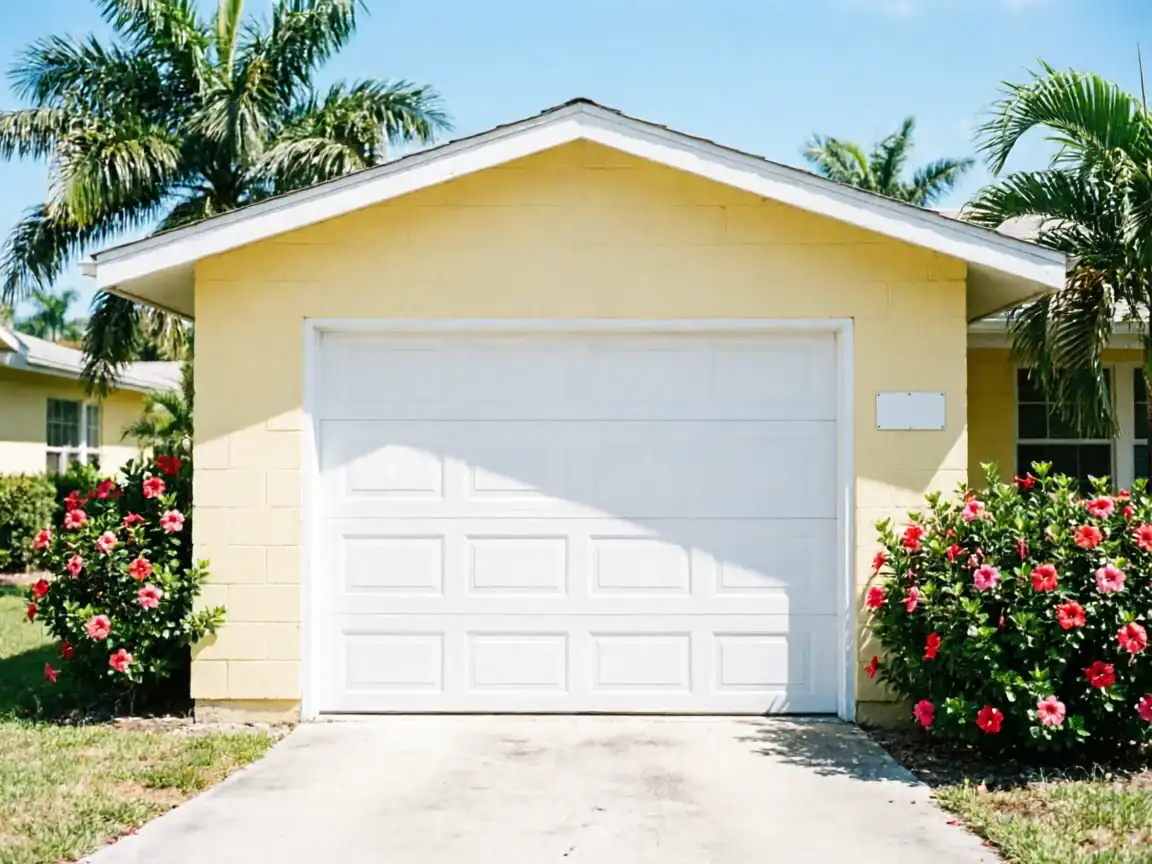
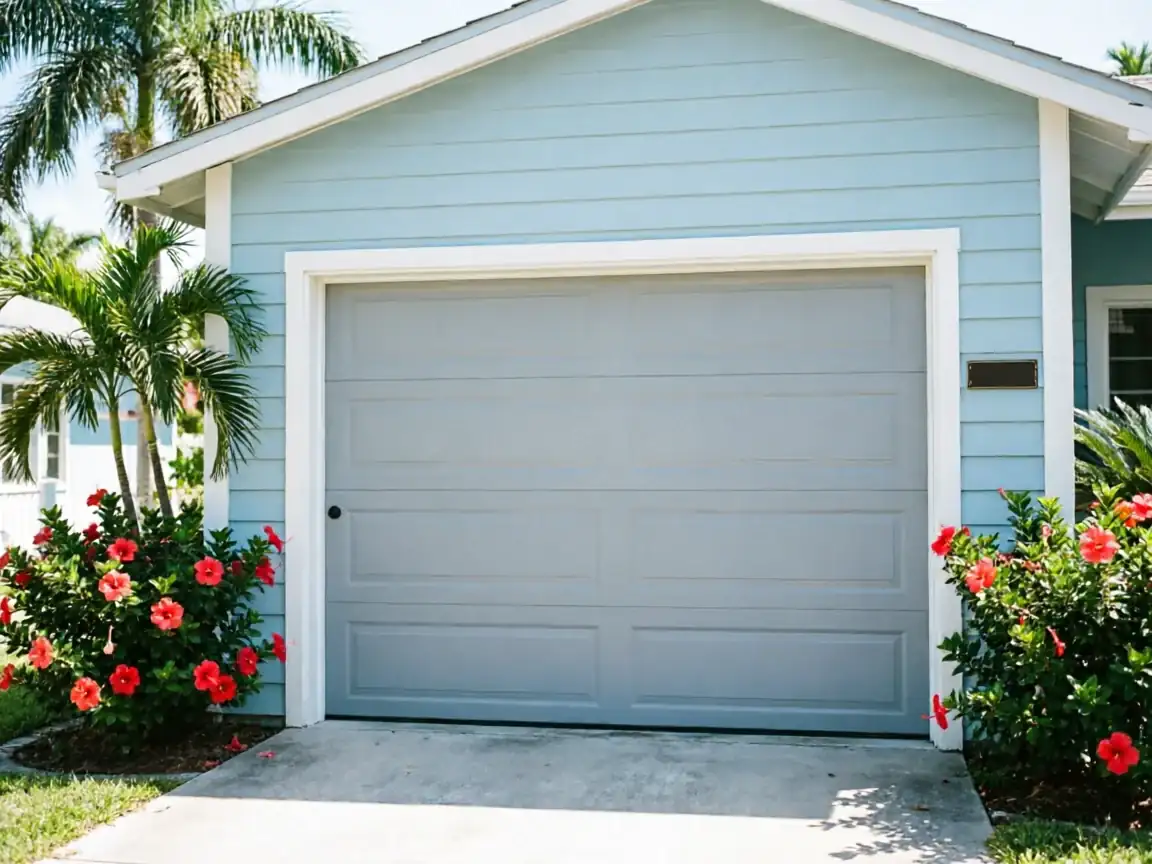
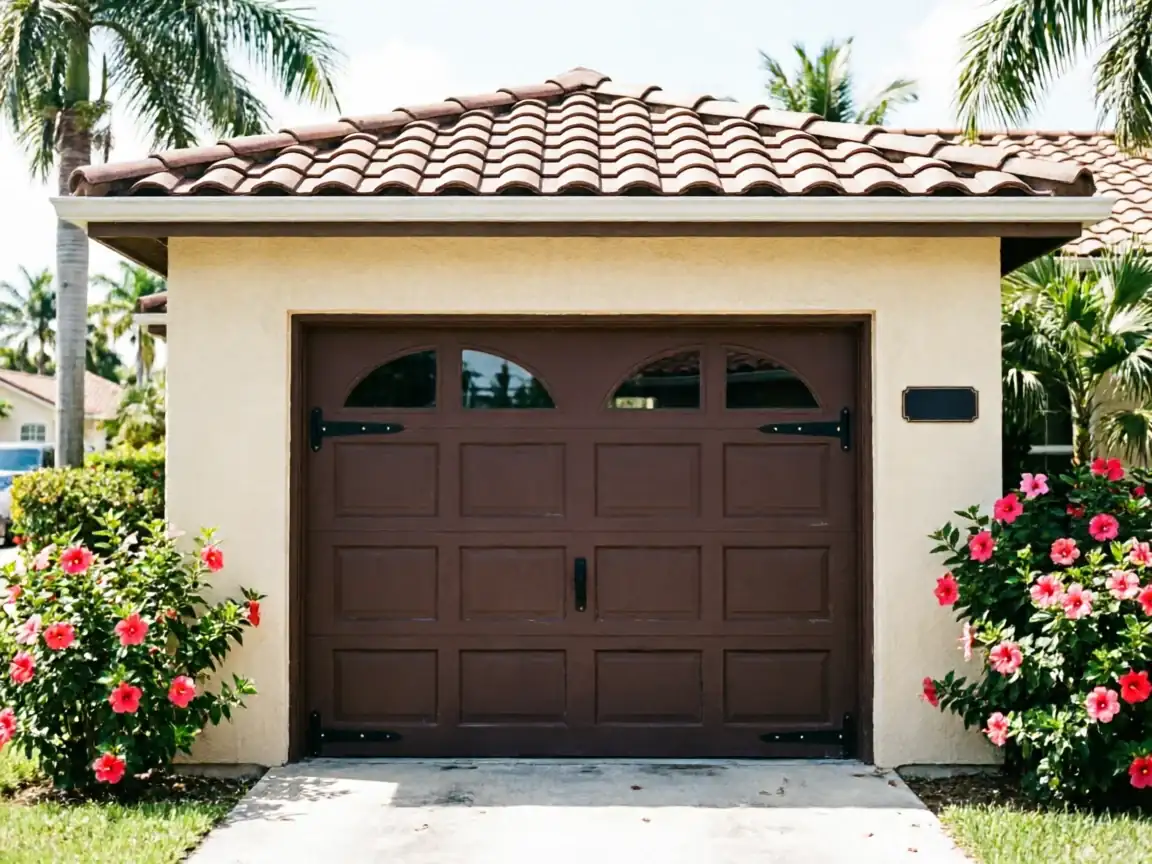
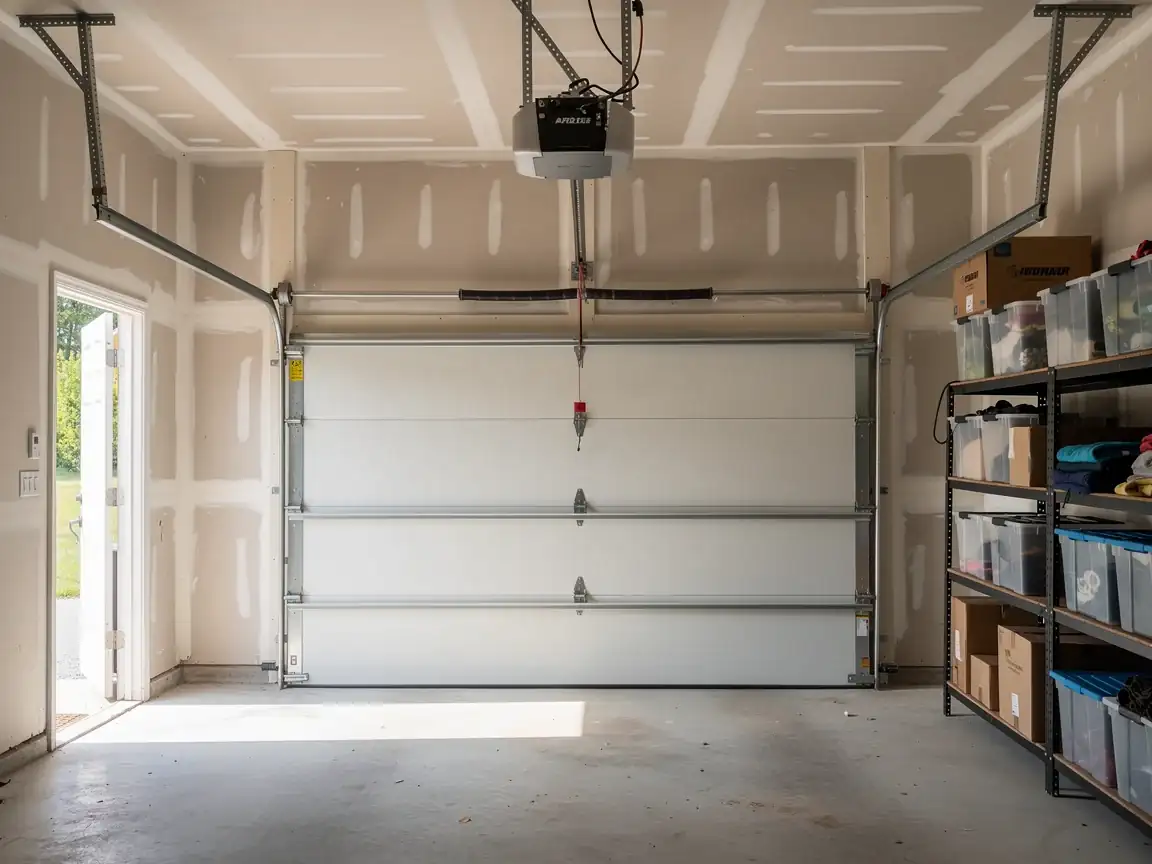
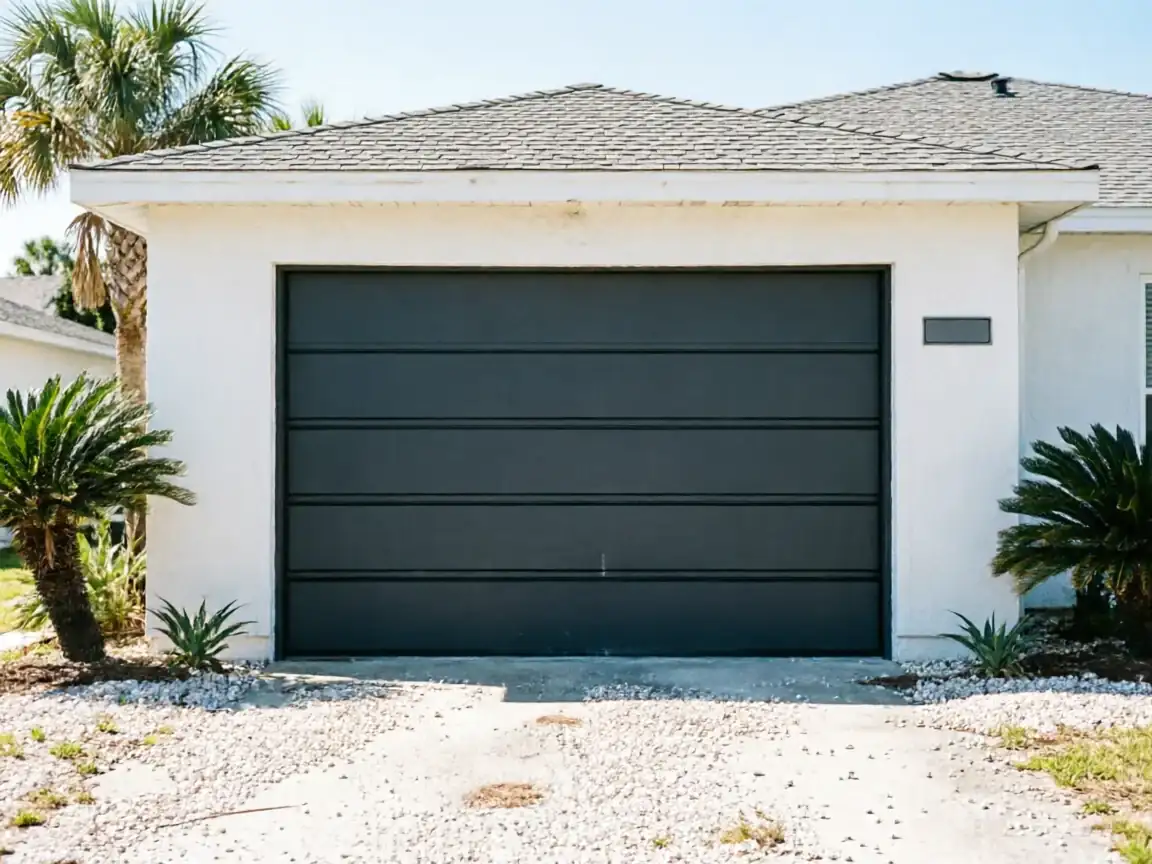
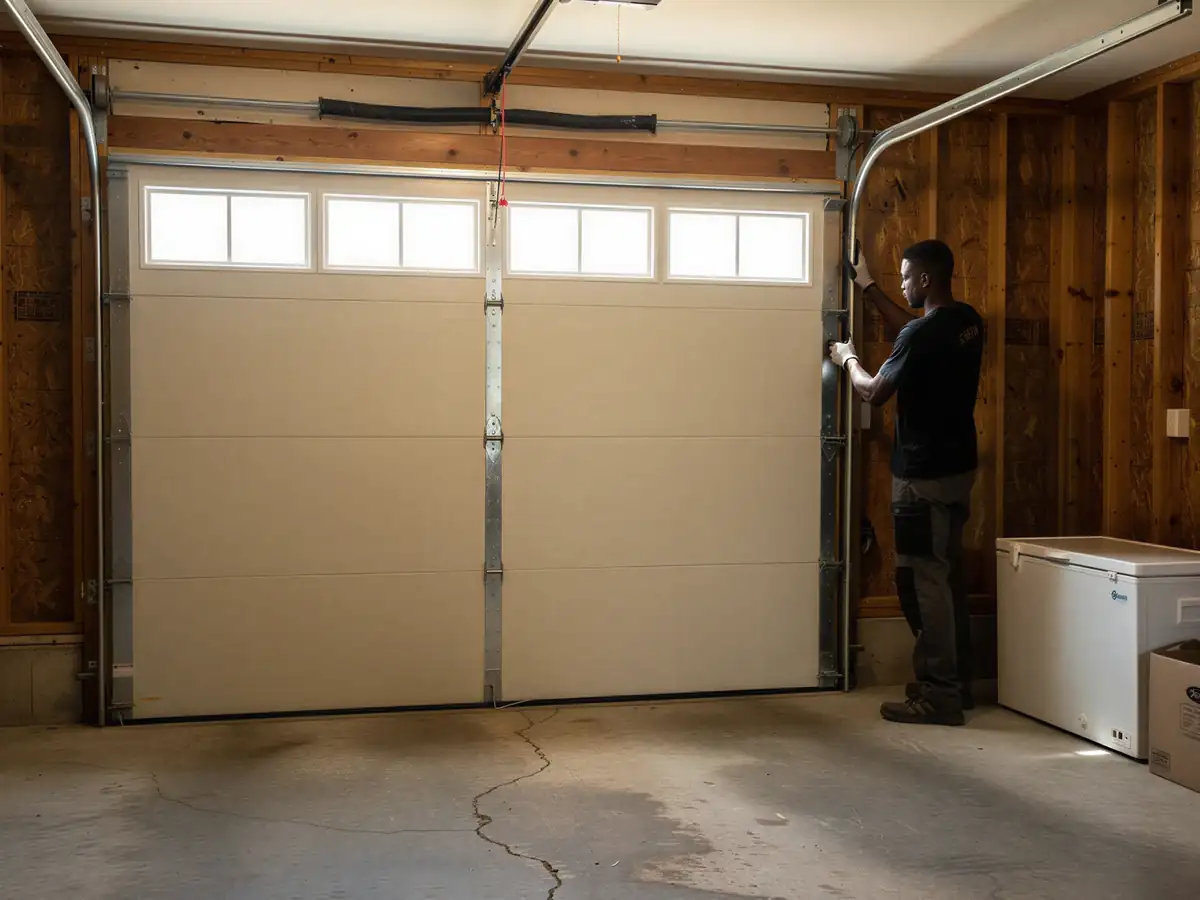
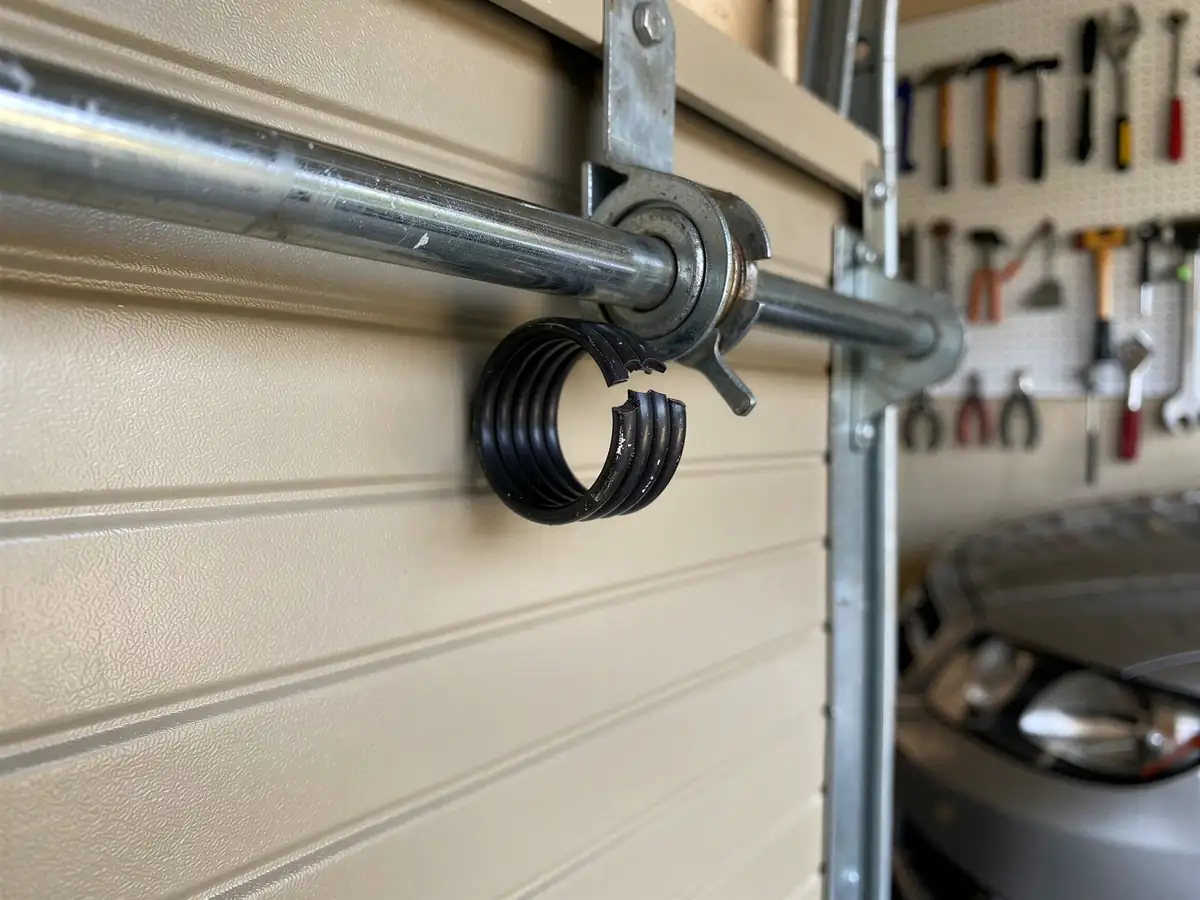
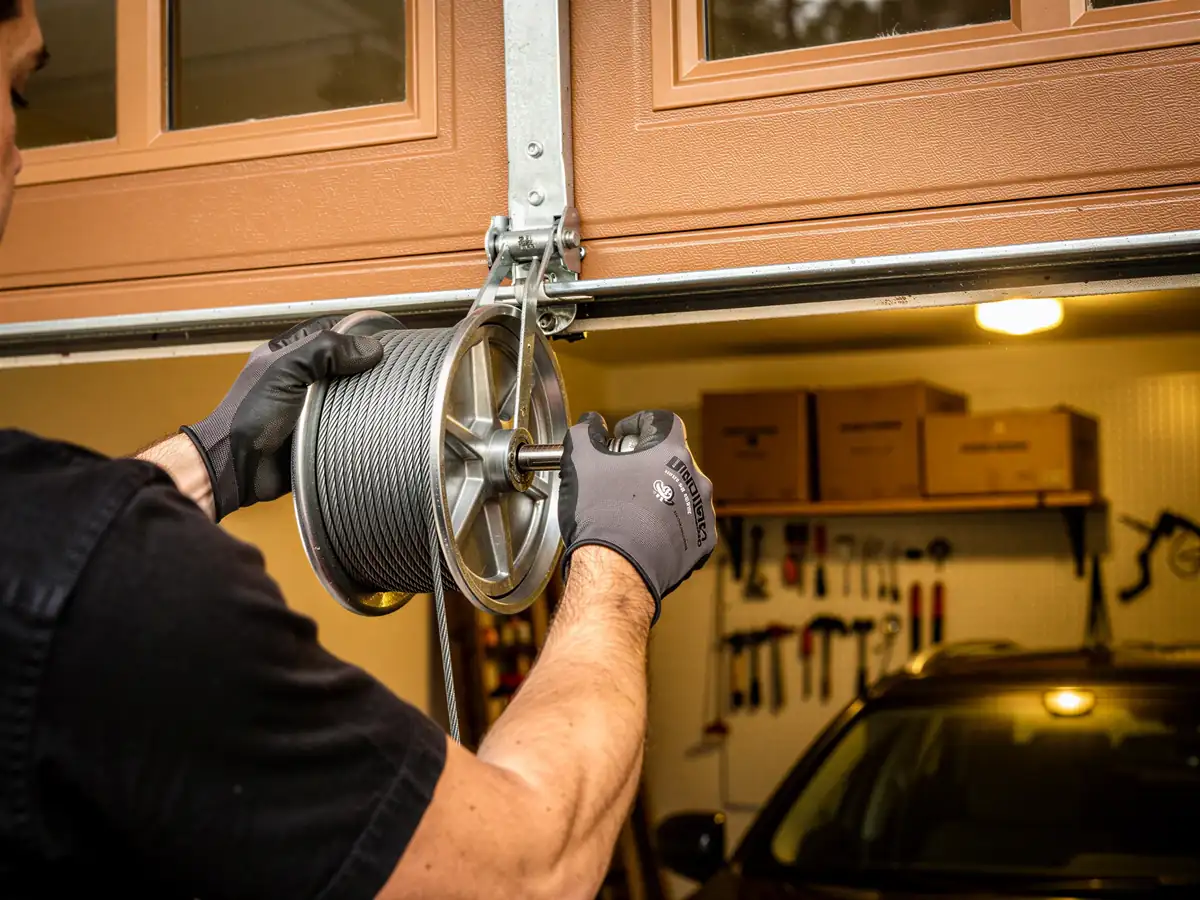
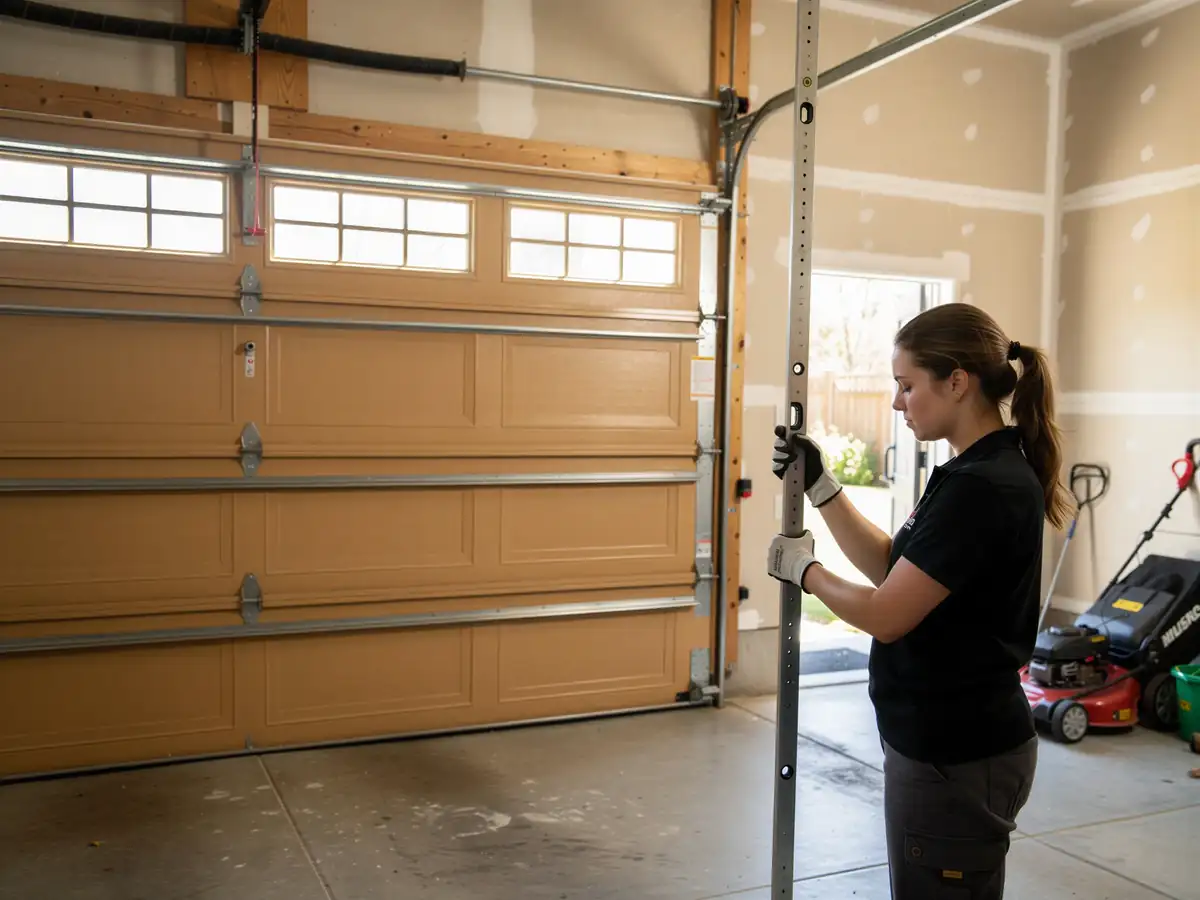
Most garage doors in Alva are steel sectional units put up around 1986, when the area was being built out along with the rest of this corner of the county. That means a 16x7 double door or a 9x7 single, non-insulated or lightly insulated steel panels, hung on a torsion spring system mounted above the opening rather than the older side-mounted coil springs you'd find on anything built before the 1970s. The hardware is standard enough that parts aren't a problem, but 35-plus years on the same spring and the same rollers means fatigue is the rule, not the exception. A repair visit on a door this age usually means checking the spring wind, the cable drums, and the track alignment together, because one worn part tends to have already stressed the next one down the line. We don't guess at what's wrong from a phone description - we open the door, run it, and look at where the wear actually is before replacing anything.
Why It Happens Here
Alva sits in a mild temperate climate band, so the usual suspects elsewhere - deep freeze-thaw cycles, road salt on hardware - aren't what's wearing these doors out. What does it is straightforward age and cycle count: a door installed around 1986 has been through roughly four decades of daily openings on the same torsion spring, and springs are rated for a number of cycles, not a number of years. Humidity here is steady enough that unlubricated rollers and hinges corrode slowly rather than fast, which is almost worse - owners don't notice the grinding sound creeping in until a cable finally lets go. With 1,233 households in Alva, most on comparable lots and comparable-aged construction, we see the same failure pattern across the area: torsion spring fatigue, worn nylon rollers, and galvanized cable starting to fray at the drum. It's less about one bad part and more about a whole system reaching the end of its rated life at roughly the same time.
Stocked Parts
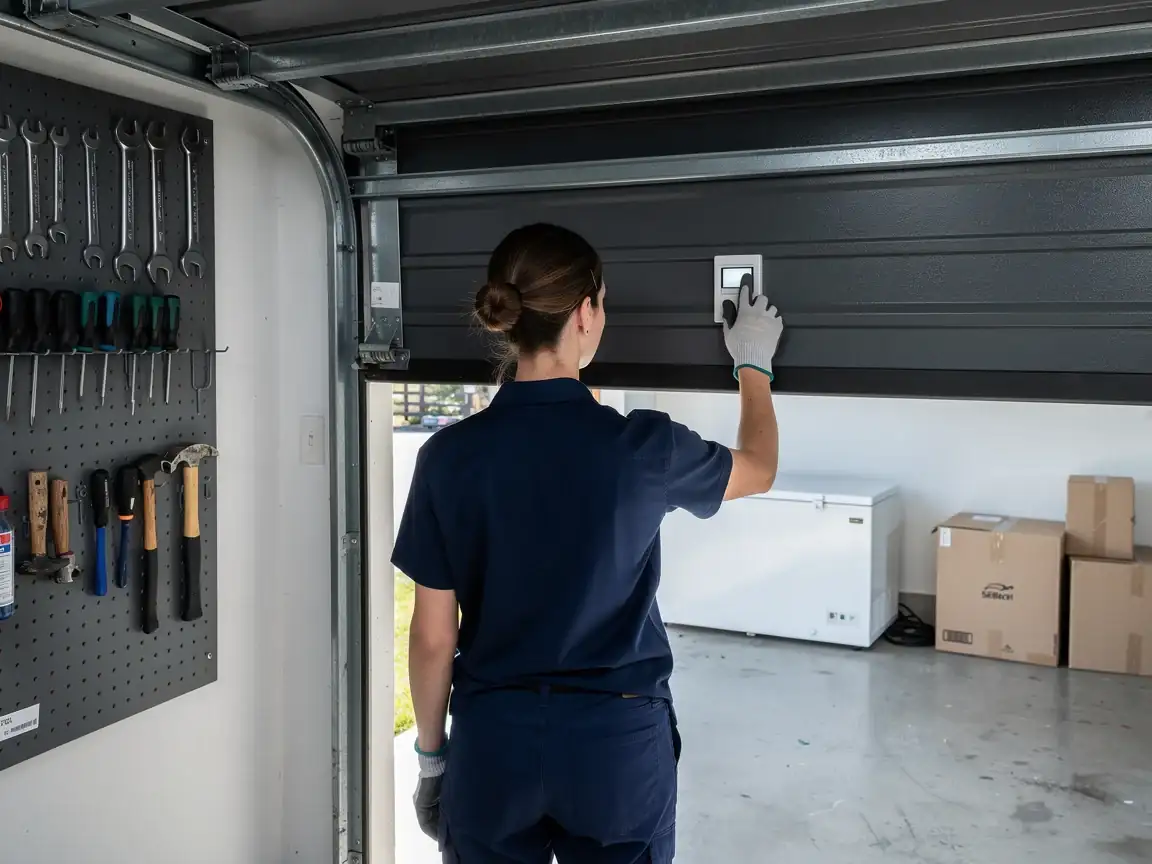
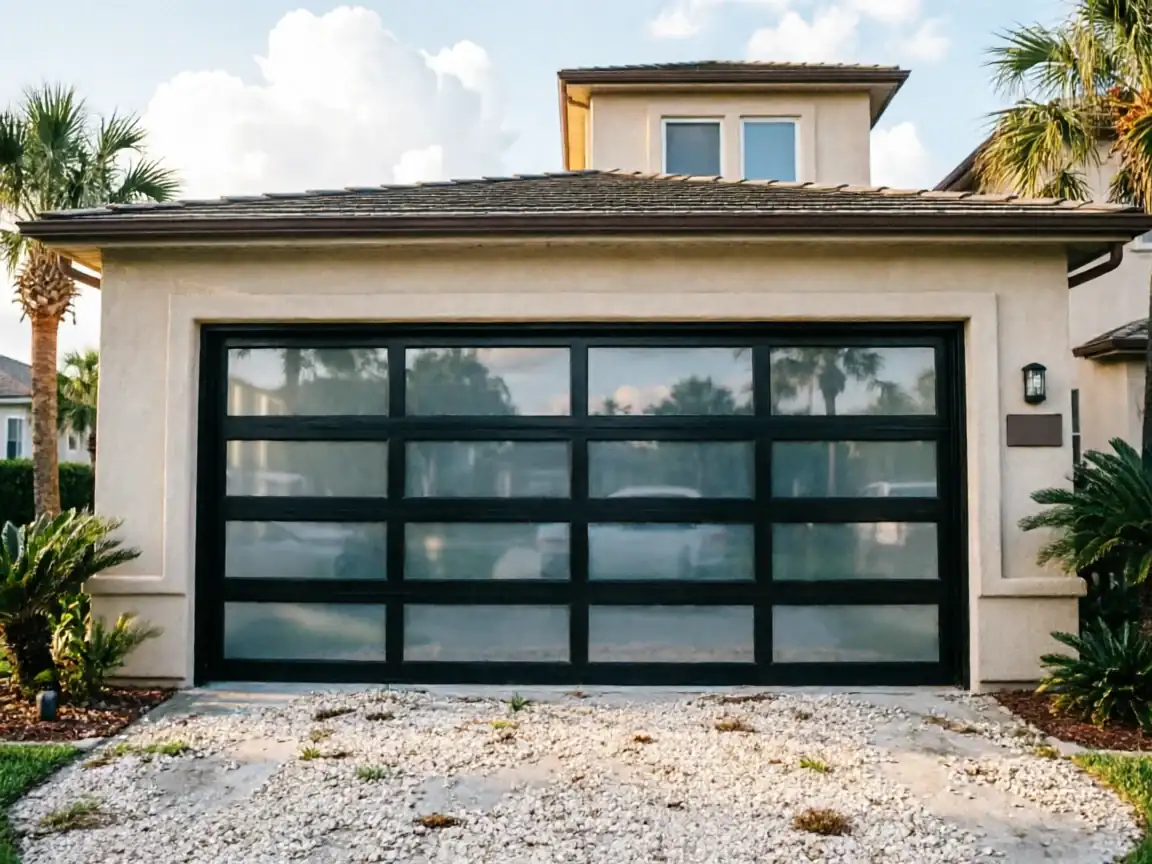
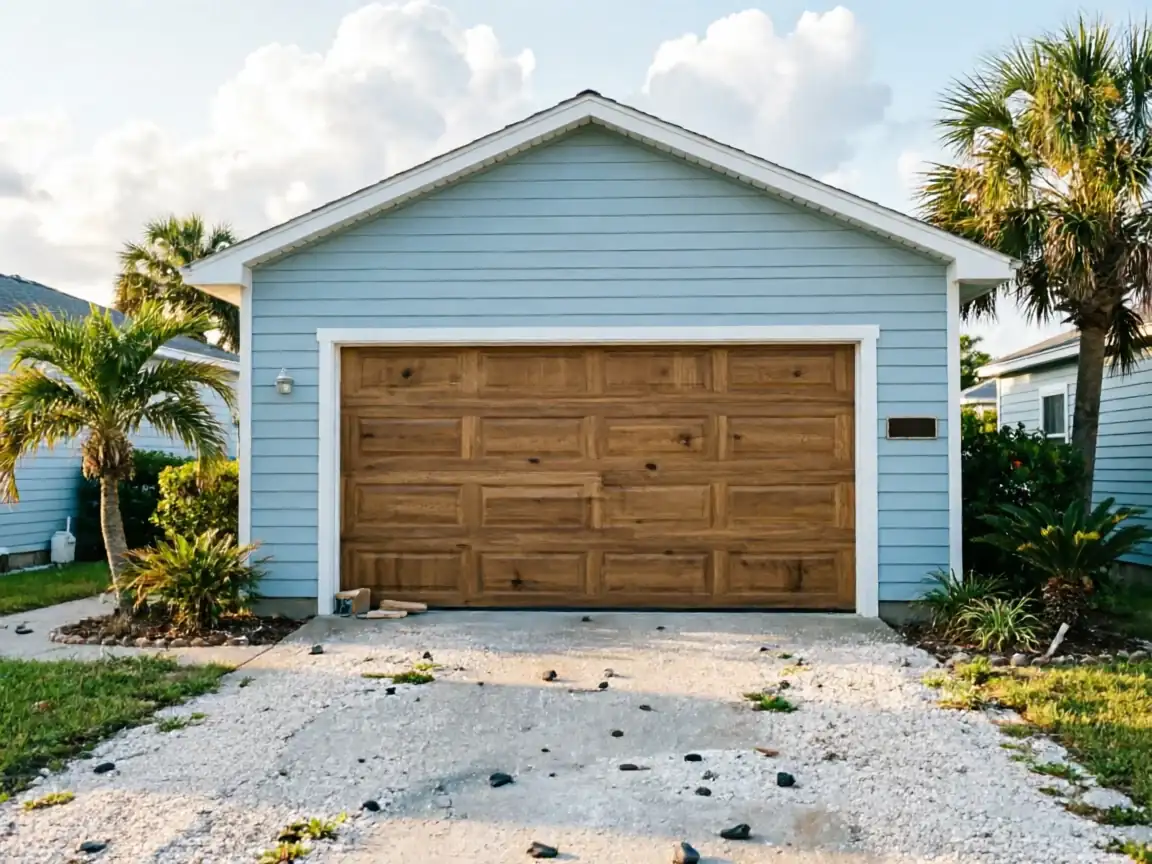
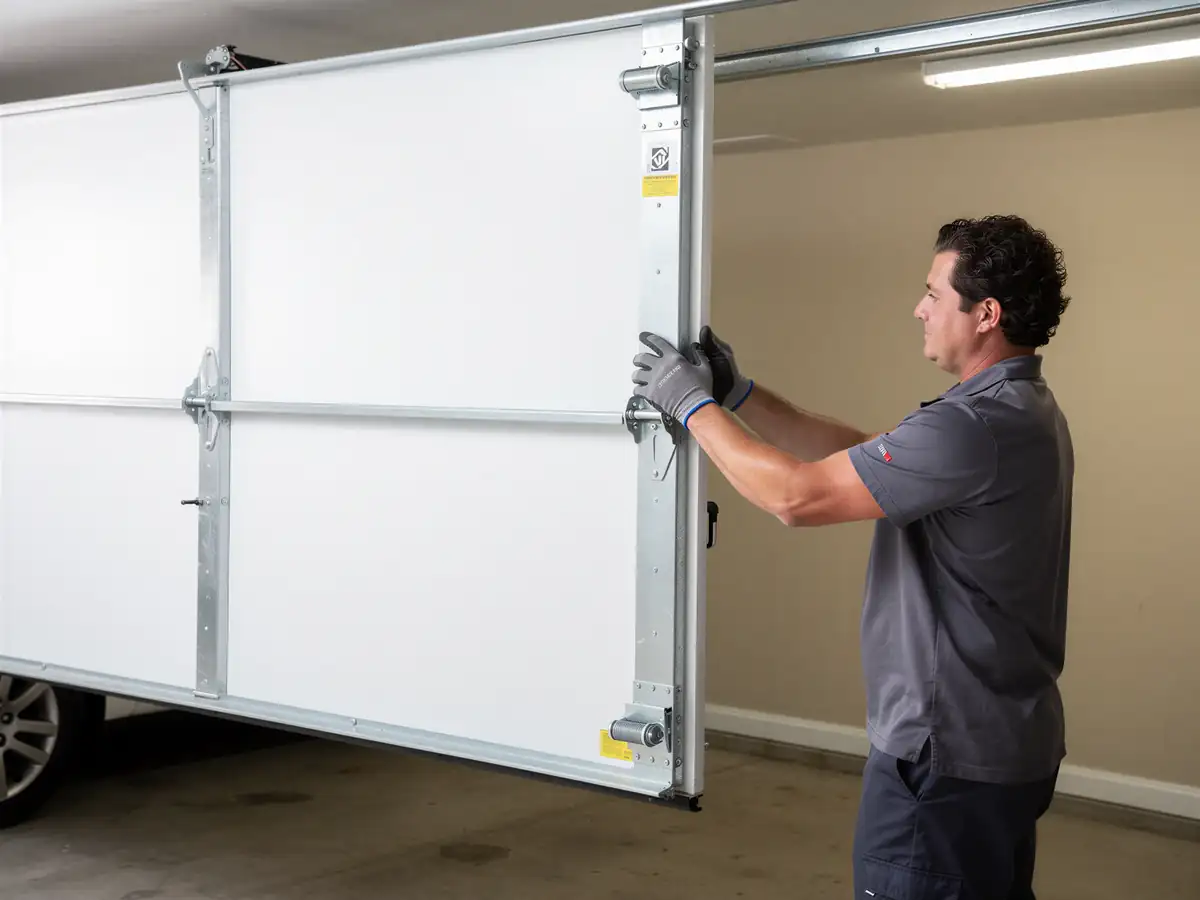
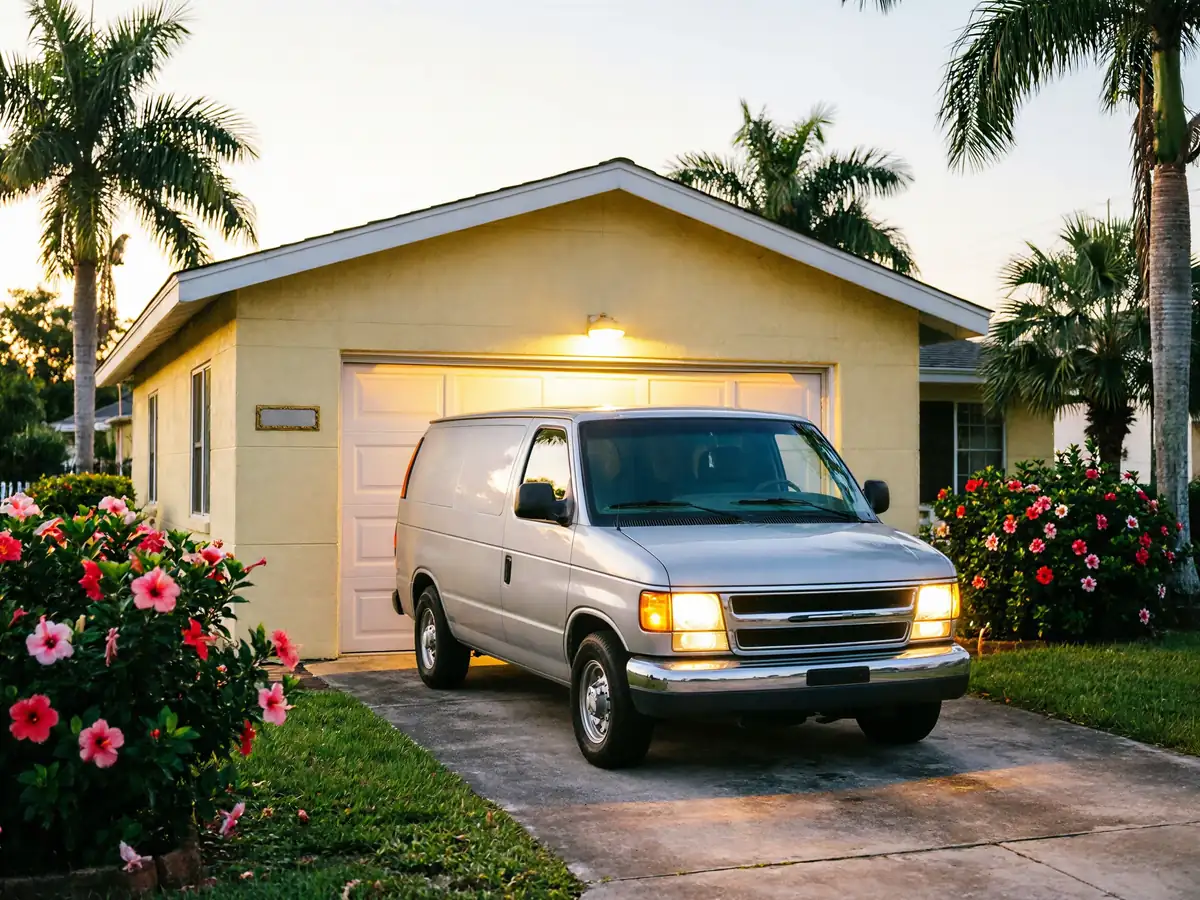
For doors from Alva's main construction era - 1970s through the mid-2000s, with most of the area's stock from the 1980s and 90s - the common fixes are torsion springs sized for a standard 7-foot residential door, galvanized lift cable, nylon and steel rollers, and standard chain or belt-drive opener parts. Those we carry on the truck. What we don't stock are obsolete low-headroom spring conversions or doors with discontinued panel profiles; if a door needs an exact factory-match panel from a builder that's long out of business, that part has to be special-ordered, and we'll tell you the lead time up front rather than let you assume it's a same-visit fix. Full door replacement is a scheduled job, not a same-day one, since panels and openers for a double-wide 16x7 aren't something we carry pre-cut on the truck.
The Symptom
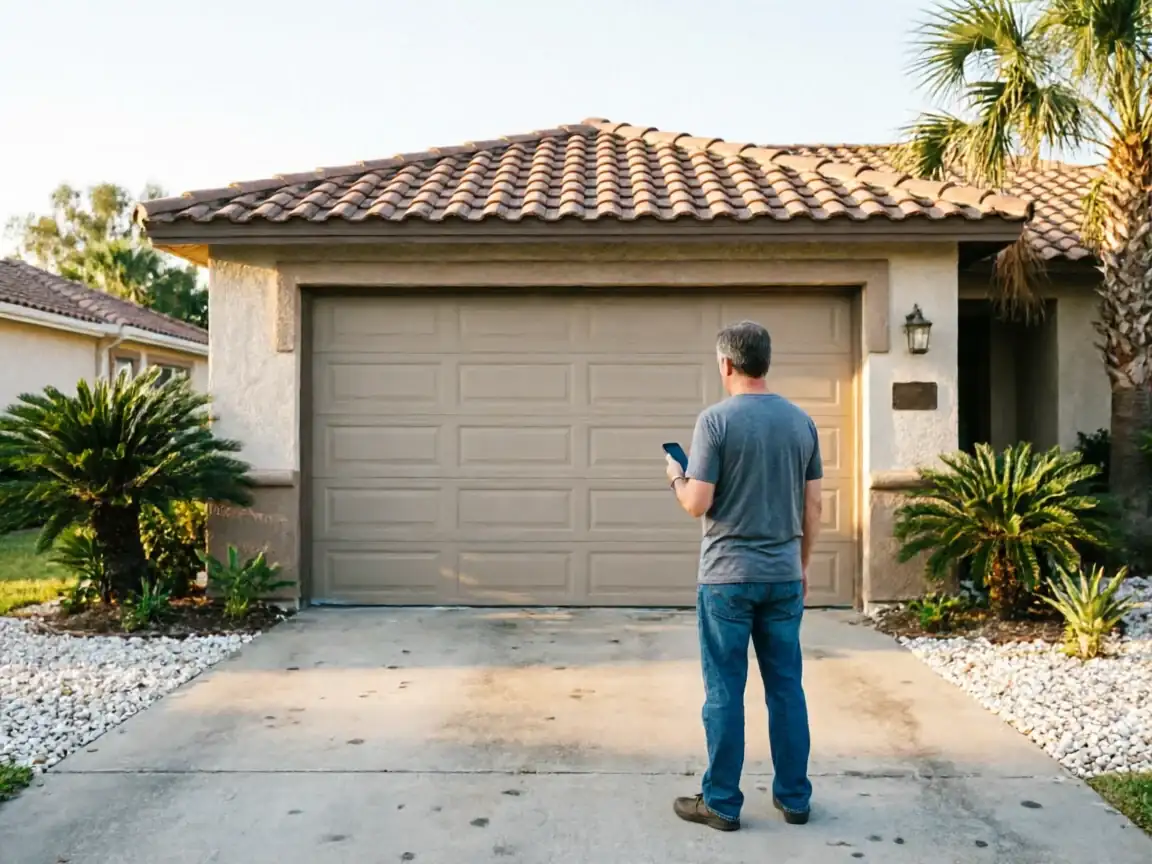
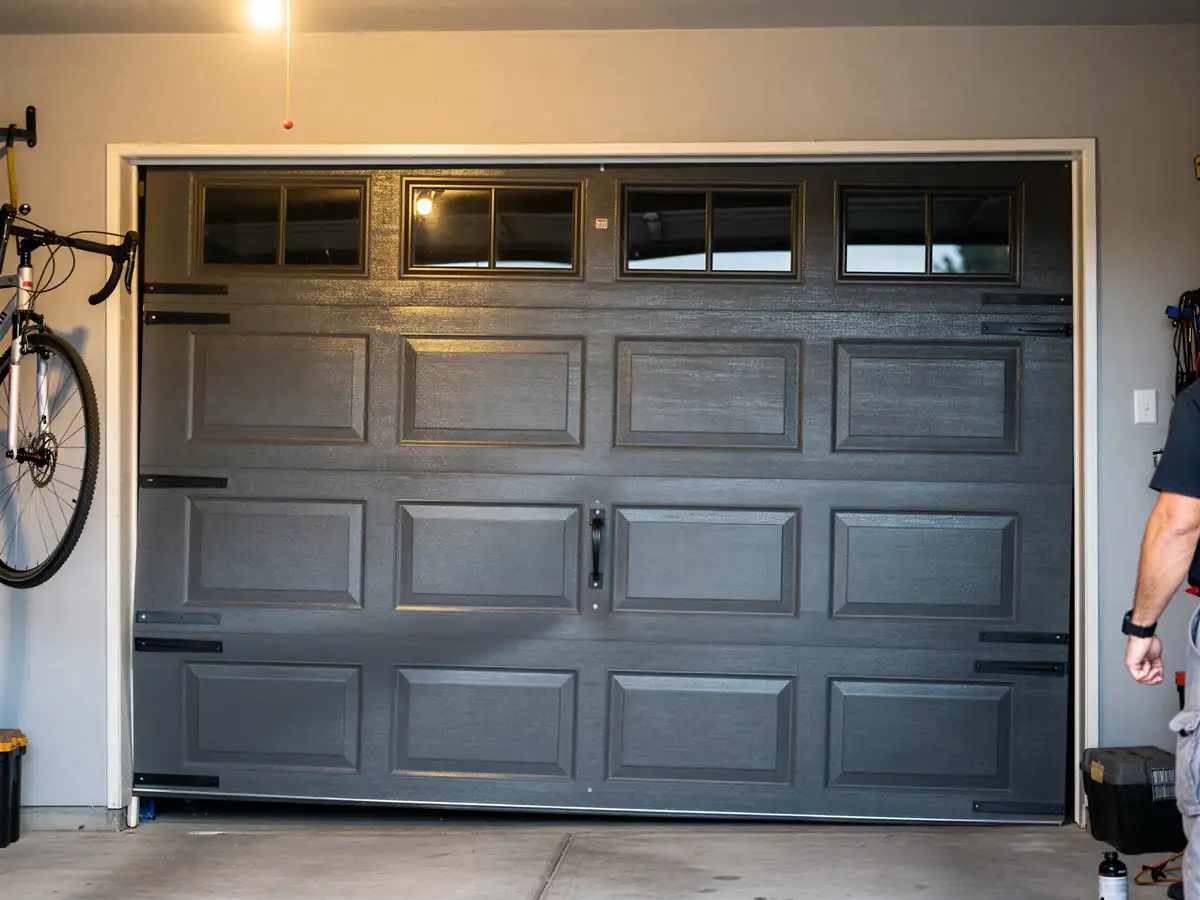
The most common call from Alva is a door that's suddenly heavy - it used to lift with one hand or glide on the opener, and now the opener strains, reverses, or won't lift it past a few inches. On a door from the 1986-era stock, that's almost always a torsion spring that's lost tension or broken outright, not a dead opener motor, even though the opener is what people blame first. The second most common is a door that shudders or bangs partway through its travel, which usually points to a roller that's worn through its nylon sleeve and is now riding on bare metal in the track. Neither is a same-day fix you should try yourself - a wound torsion spring under load is genuinely dangerous to touch without the right bars and clamps.