What the Repair Takes
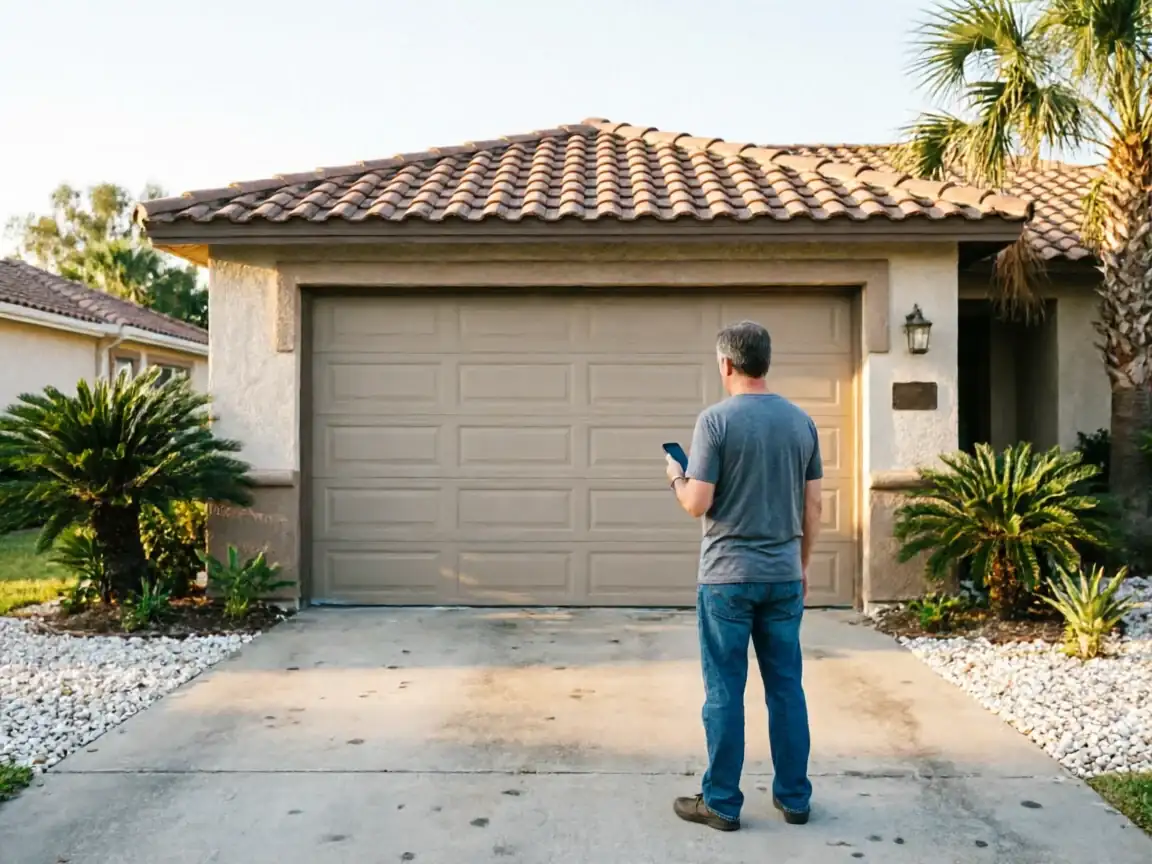
Most houses in Alva went up around 1986, and a lot of them are still running the torsion spring that came with the door. A spring built in the mid-1980s has had close to forty years of cycles on it - every time the door goes up and down, that spring winds and unwinds, and the coil just gets tired. Nobody replaces a spring on a schedule, so the first sign is usually the door itself: it won't lift, or it slams down the last foot of travel.
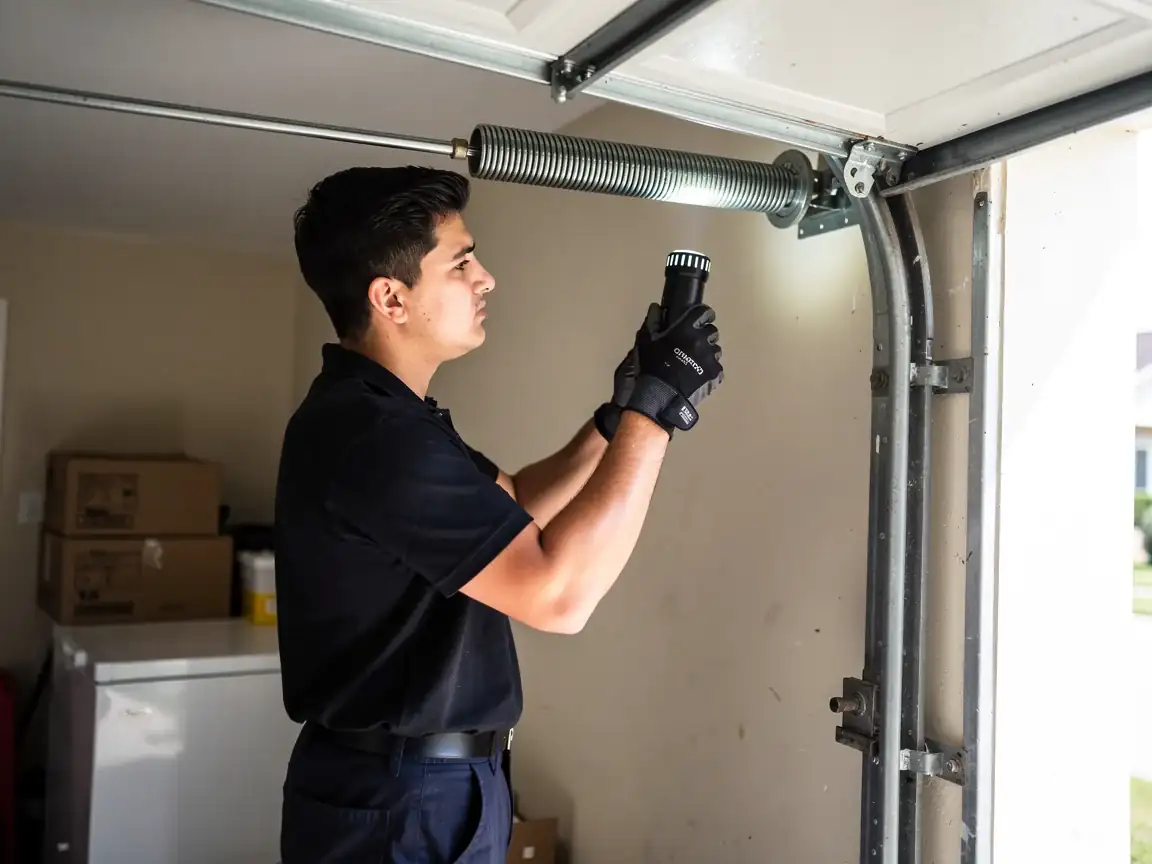
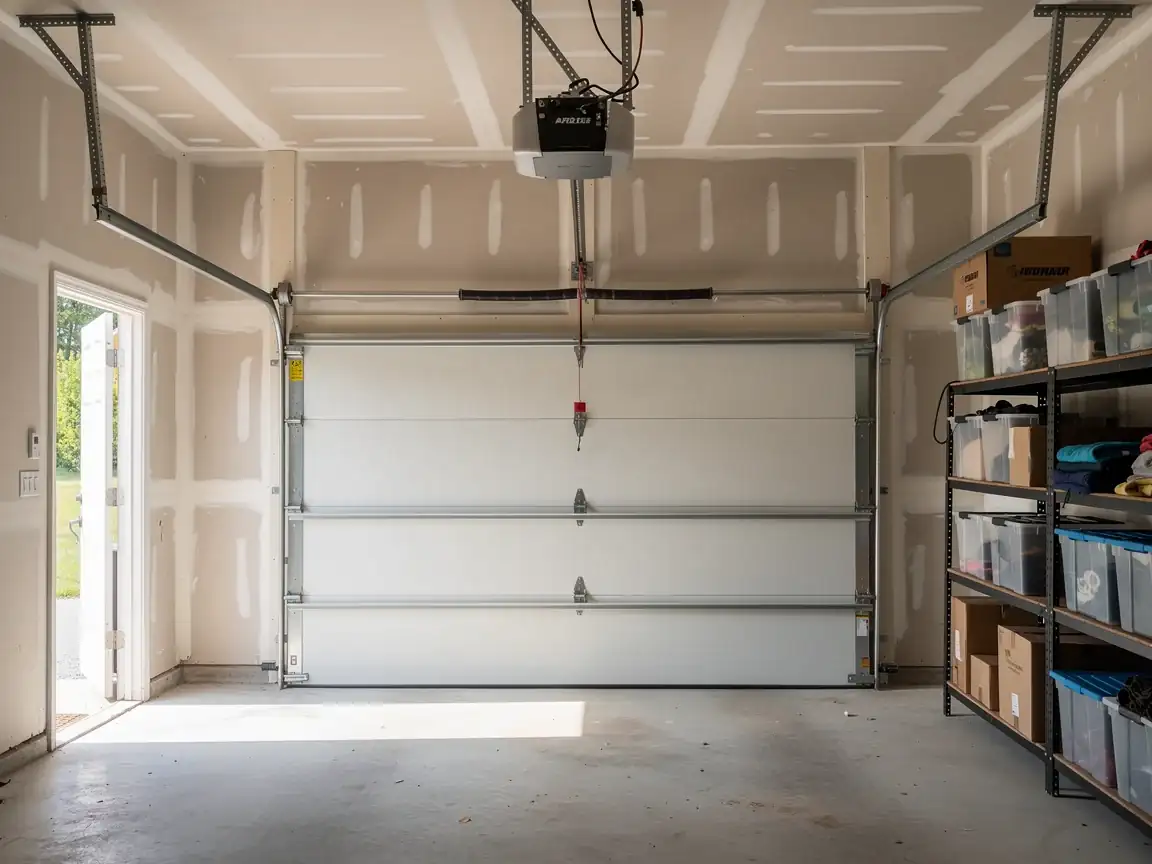
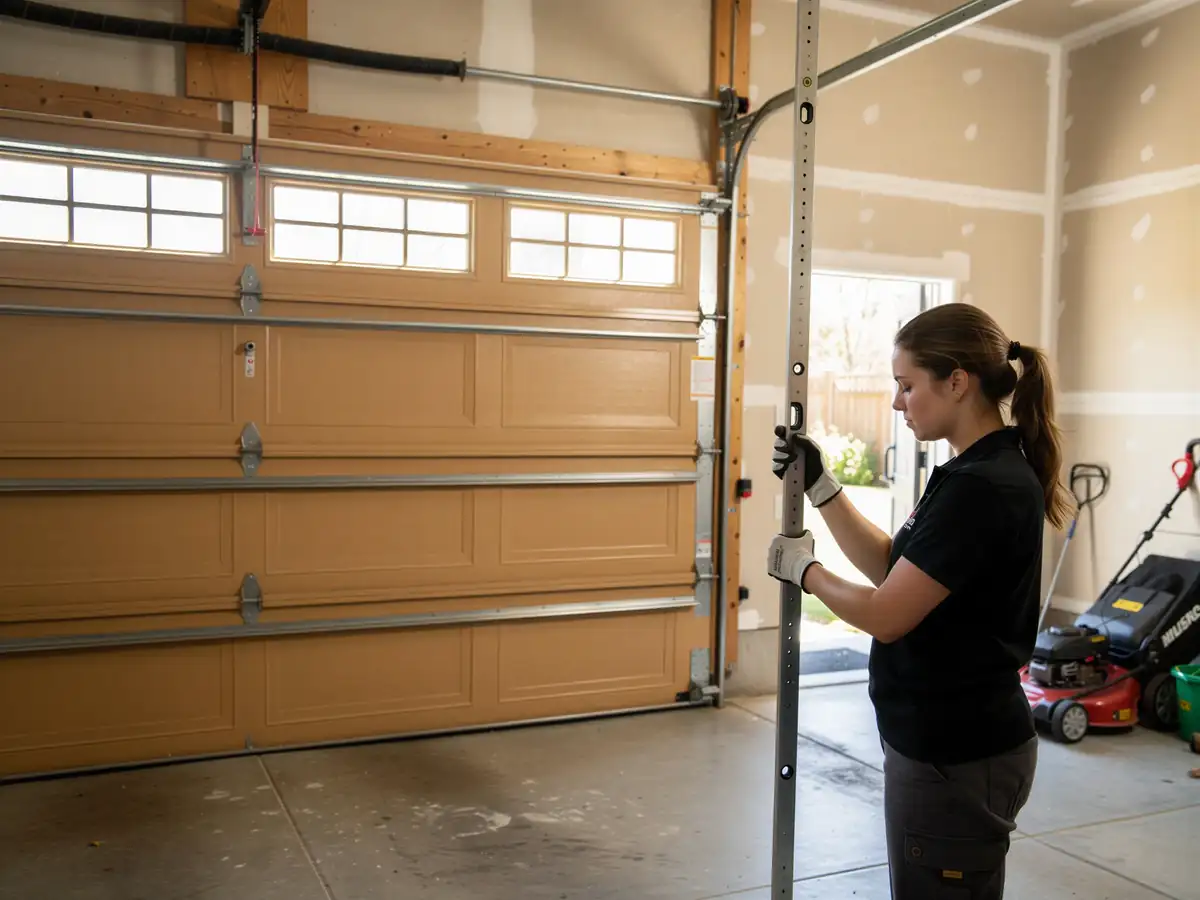
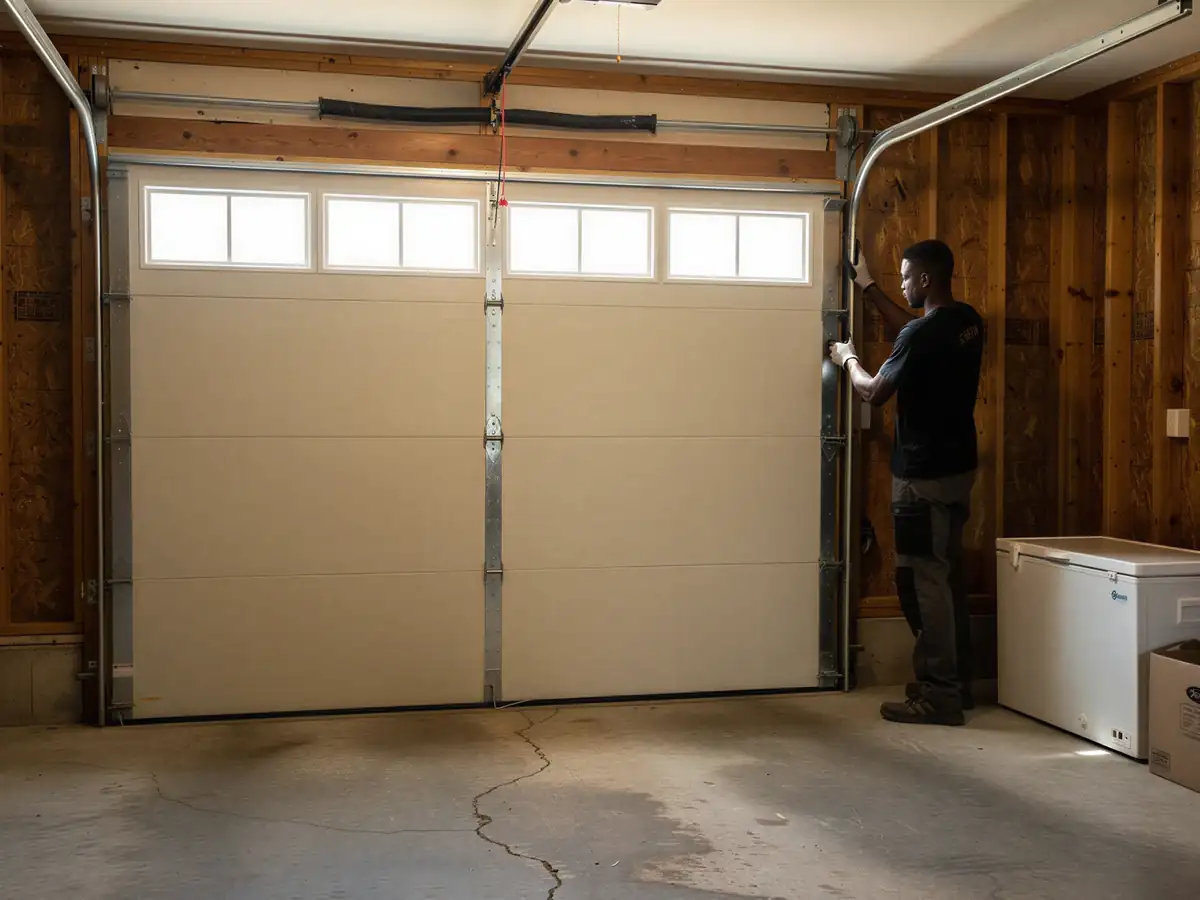
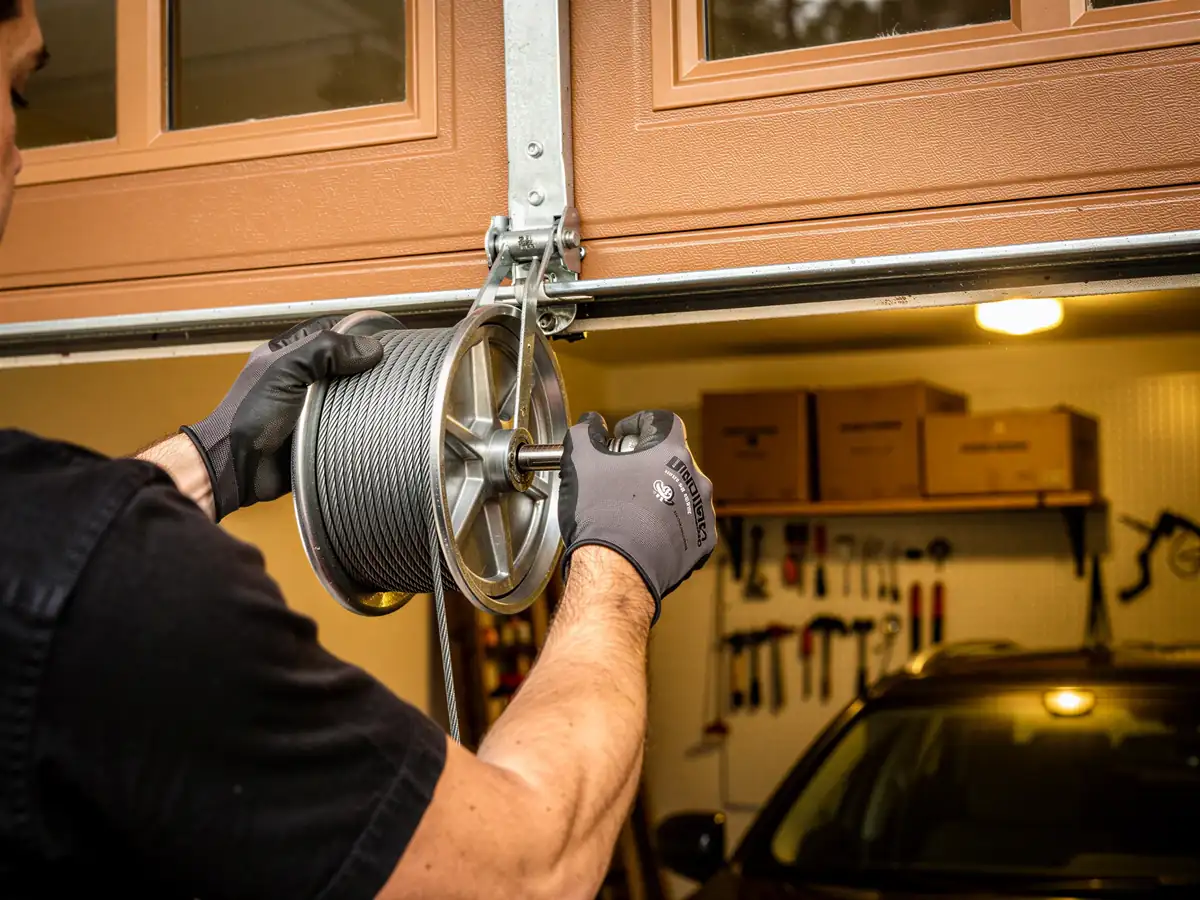
The job itself is mechanical and it's the same whether the spring is original or not. We unload the tension safely, pull the old spring and the stationary cone, measure the wire gauge and the inside diameter against the door weight, and wind in a replacement sized to match. If the bearing plate or the cable drums show the same age-wear as the spring, we'll point that out before we close the truck - a spring job that ignores a worn drum just means a second call in a year.
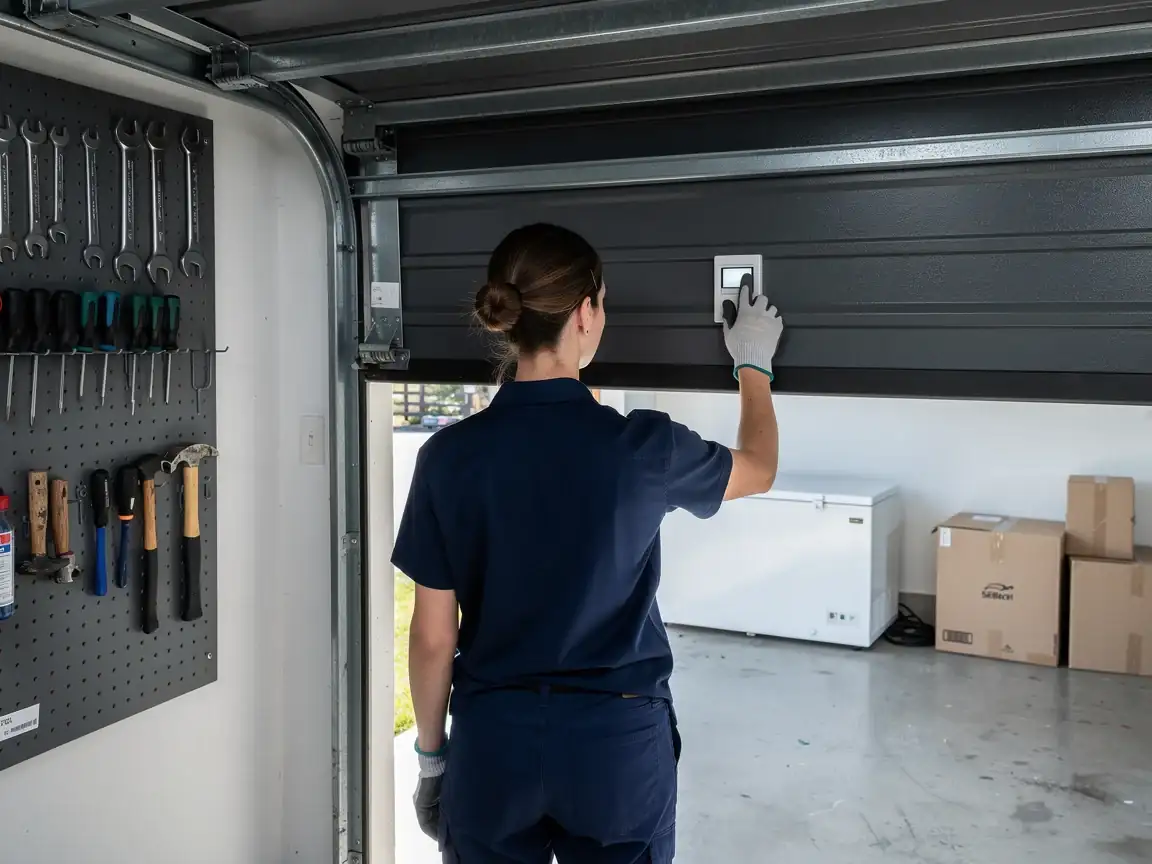
We don't stretch this into a sales pitch for a new door. If the track and opener are sound, a spring swap is a one-visit fix, usually under two hours on site once we've got the right spring on the truck.
Why It Happens Here
Alva's housing stock sits mostly in that 1970-2006 build window the whole service area shares, but the local median lands right at 1986 - older on average than some of the newer pockets closer to Lehigh Acres. That matters because torsion spring life is measured in cycles, not years, and a door installed in 1986 has simply had more years to rack them up than a door from a 2004 build.
The mild temperate climate here doesn't put the kind of thermal stress on steel that you'd see further north, so corrosion and cold-snap brittleness aren't the main culprits. It's straightforward fatigue - galvanized coil wound and unwound tens of thousands of times until it loses temper and lets go, usually without much warning.
With only 1,233 households in Alva, this isn't a town with a dedicated garage door shop - it's covered on runs out from Lehigh Acres, about 8 miles up the road. That distance is short enough that a same-day visit is realistic once the part's confirmed, but it does mean scheduling a specific arrival window rather than a walk-in counter.
Booking a Visit
Because Alva is served from Lehigh Acres rather than from a local branch
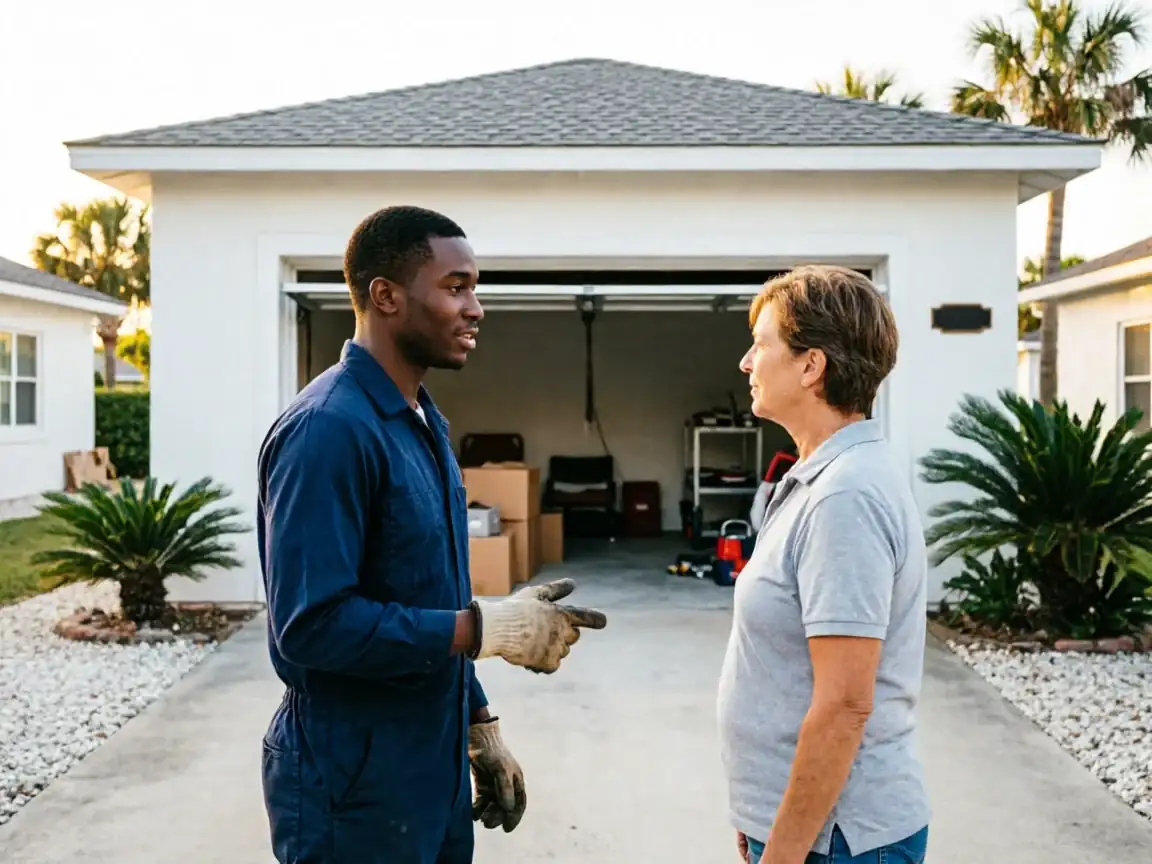
Booking means a phone call or an online request and a truck dispatched for the day, not a drop-in shop visit. Tell us the door's approximate age - if you know roughly when the house was built, 1986 is a reasonable default for this area - and whether it's a single or double door, since that changes which spring and how many we bring.
A quick description of the symptom helps us load the right stock before we leave
A door that won't budge at all points one direction, a door that lifts partway and reverses points another. We'd rather ask two questions on the phone than show up without the right coil.
One honest limit here
If the spring size turns out to be unusual - a double door with a heavier-than-standard panel, for instance - we may need to confirm the part before the truck leaves, which can push a same-day job to next-day. We're not going to guess at a spring on a loaded door and hope it holds.
Stocked Parts
We carry the common torsion spring sizes that cover standard single and double doors from the 1980s and 90s builds that make up most of Alva's stock, along with the end bearing plates and cable that tend to fail alongside an old spring. For the bulk of houses here - average-weight steel doors on standard torsion hardware - that means the part is already on the truck when it leaves Lehigh Acres.
What we don't keep on hand is anything custom: oversized high-cycle springs for heavier insulated doors, or hardware for a door that's been modified from its original configuration. Those get ordered once we've measured on site, which is the one case where this turns into a two-visit job instead of one.
Given the area's median household income of $83,551, a straightforward spring replacement is the kind of repair most Alva homeowners handle without much deliberation - it's a contained job with a known part, not an open-ended one.
The Symptom
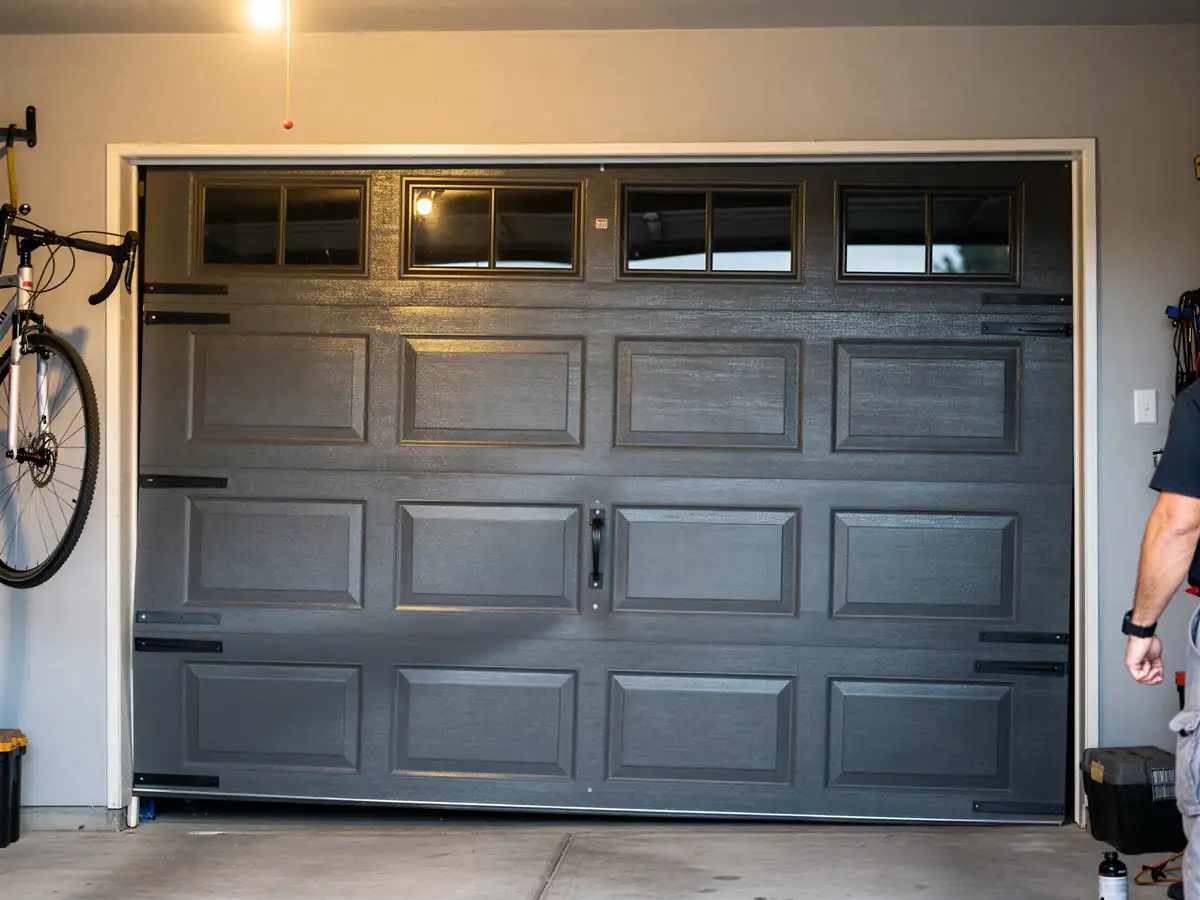
The clearest sign of a dead torsion spring is a door that suddenly feels like dead weight - the opener strains, grinds, or trips its own safety reverse because it's trying to lift the whole door with no help from the spring. If you open it by hand and it drops like it's unbalanced, or one side sags lower than the other, that's a spring (or a pair of springs, on a double door) that's lost its wind.
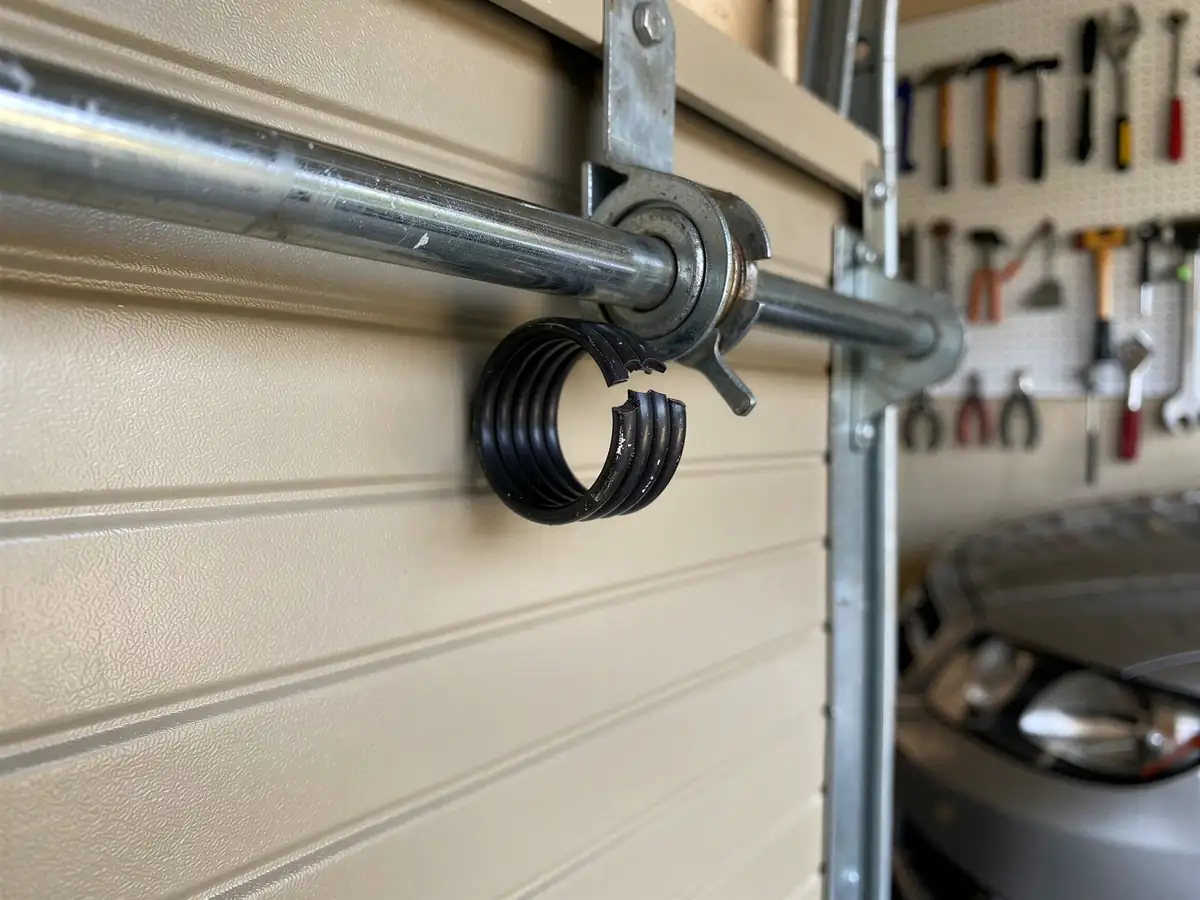
A loud bang from the garage, often heard from inside the house, is usually the spring itself letting go - the coil snaps and the two halves spin apart on the shaft. After that, the door won't lift under power or by hand until the spring's replaced; the opener isn't built to do that job alone and will burn out trying.
Don't run the opener repeatedly once you notice the strain. Cycling a door on a failing spring puts the load onto the cables and drums instead, and that's how a $200 spring job turns into a cable and drum job too.