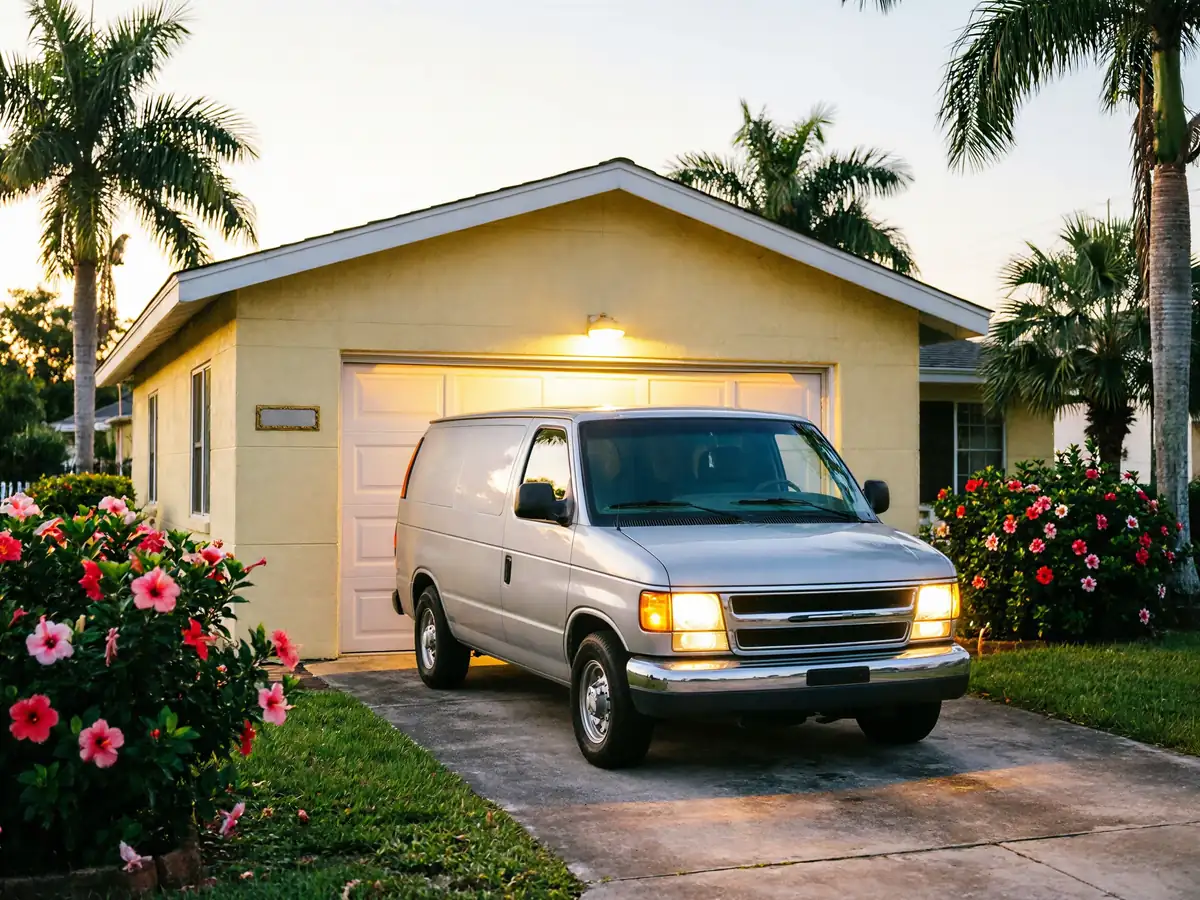
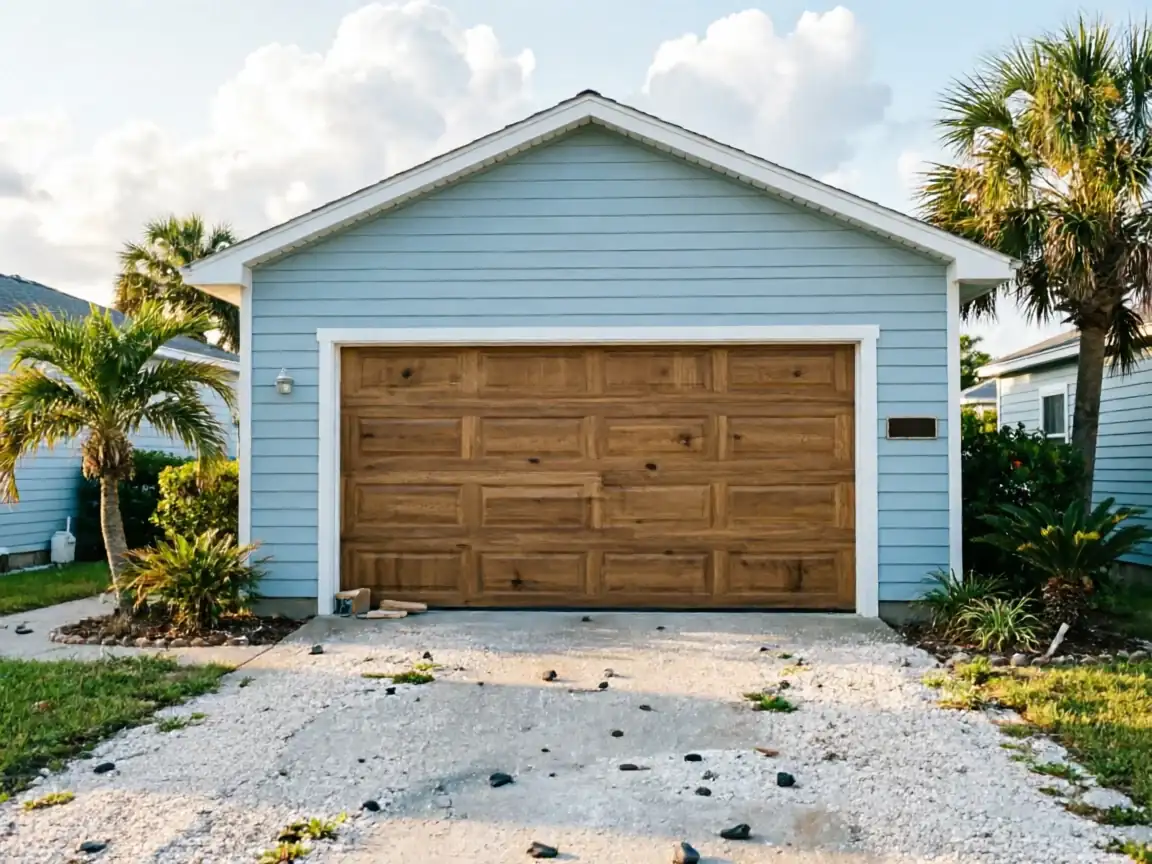
What the Repair Takes
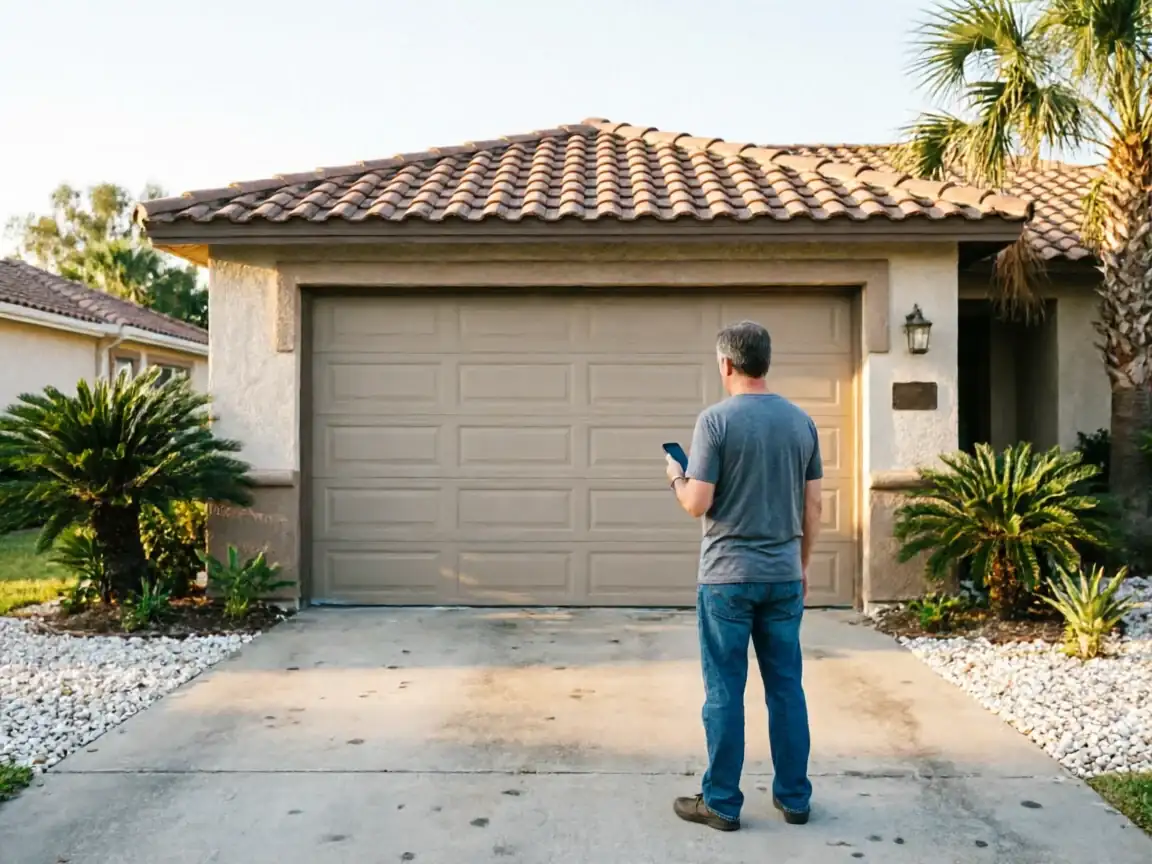
Alva's housing stock centers on 1986, and that year matters more than it sounds like it should. A door built then came with a standard torsion spring setup and an opener that, if it's still the original, is well past any reasonable service life. When we get a call from Alva, the first question isn't "what's wrong" - it's "how old is the house," because that tells us whether we're dealing with a spring that's simply worn out or a whole system of parts that were never built to the tolerances newer doors use.
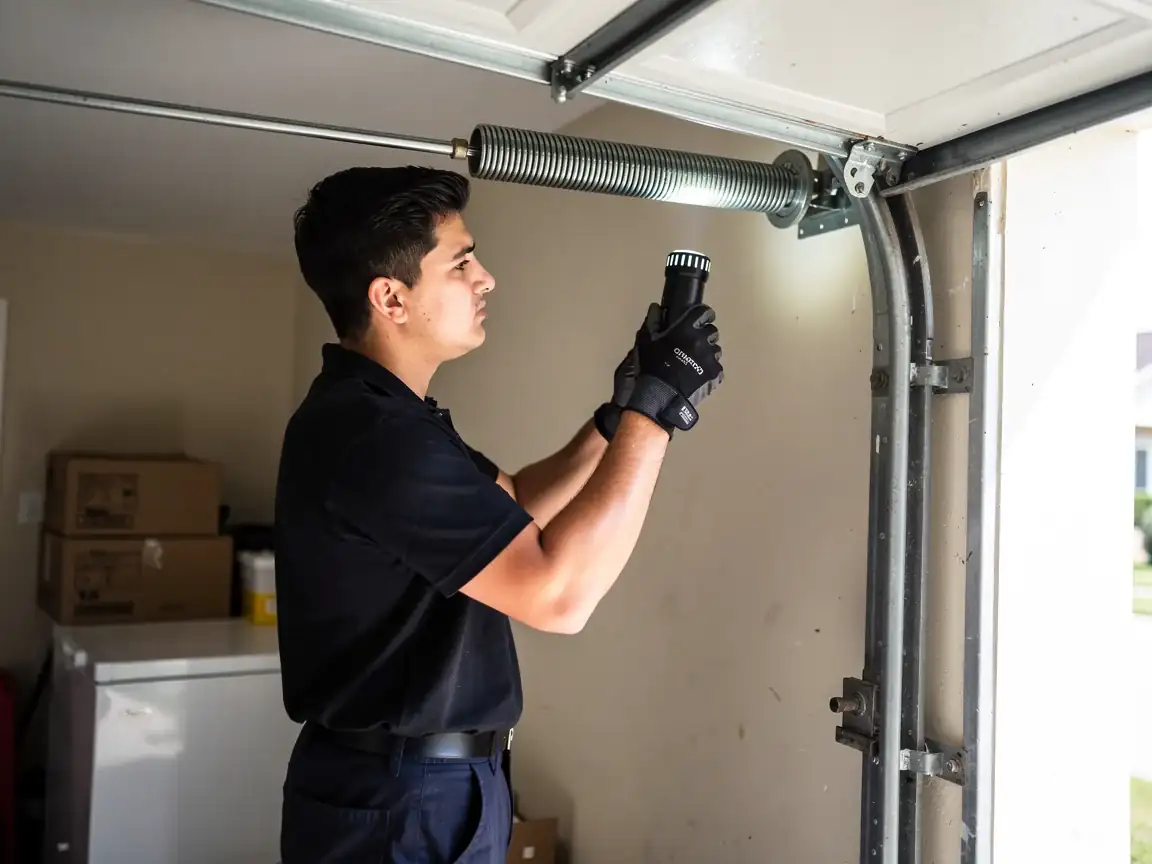
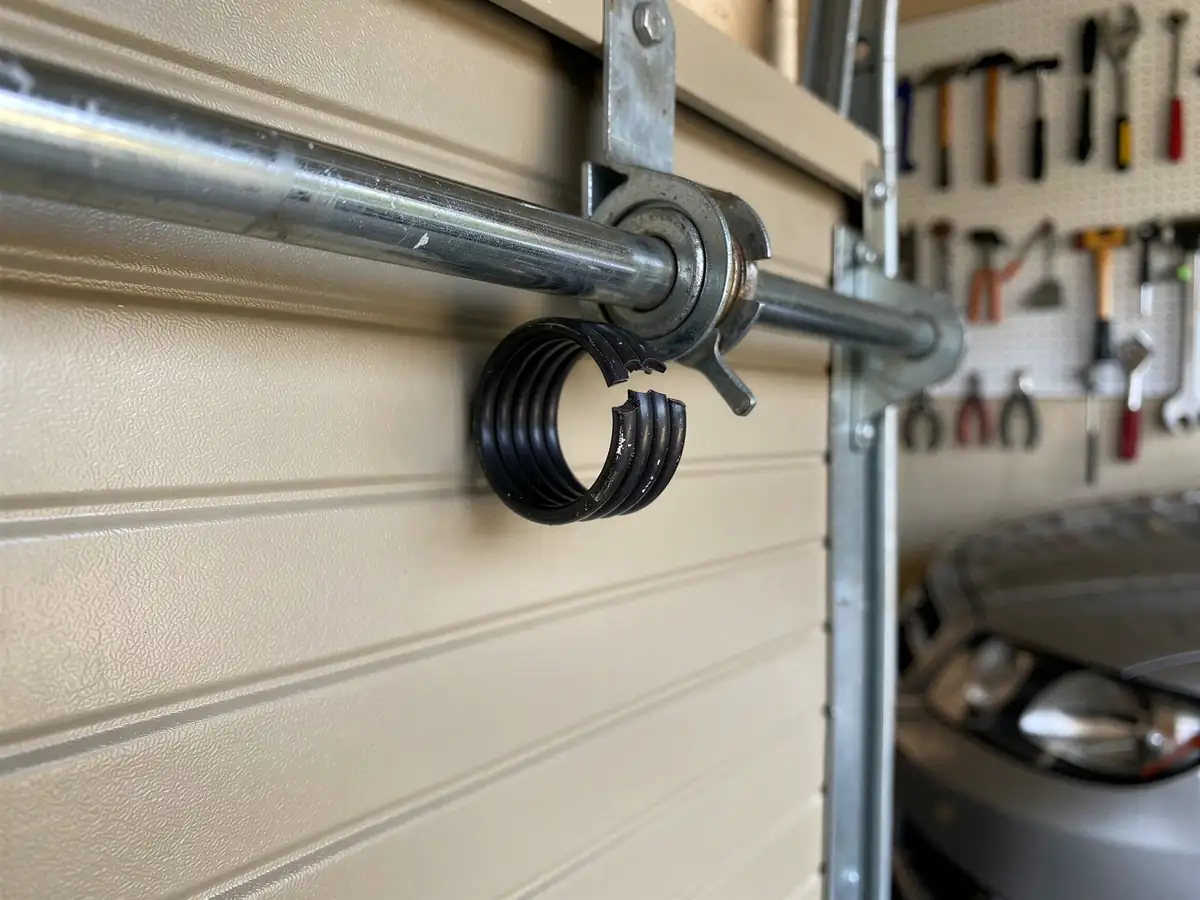
A repair on a house from this era usually means matching spring wire gauge to a door and track combination that predates a lot of the hardware sold today. That's not a problem if you know what you're carrying on the truck. It is a problem if you show up guessing. We bring spring stock sized for the torsion setups that were common through the 1980s and 90s, which covers most of what's actually installed across Alva.
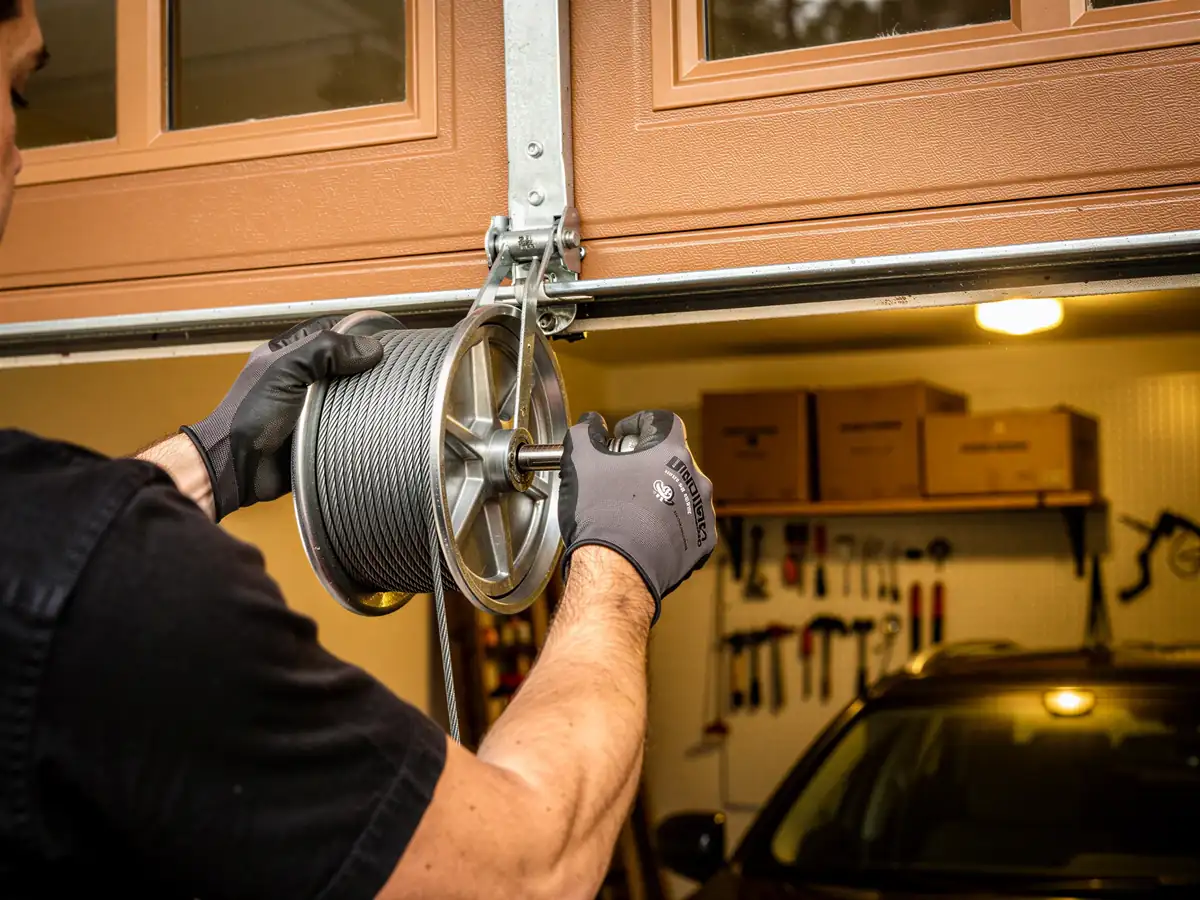
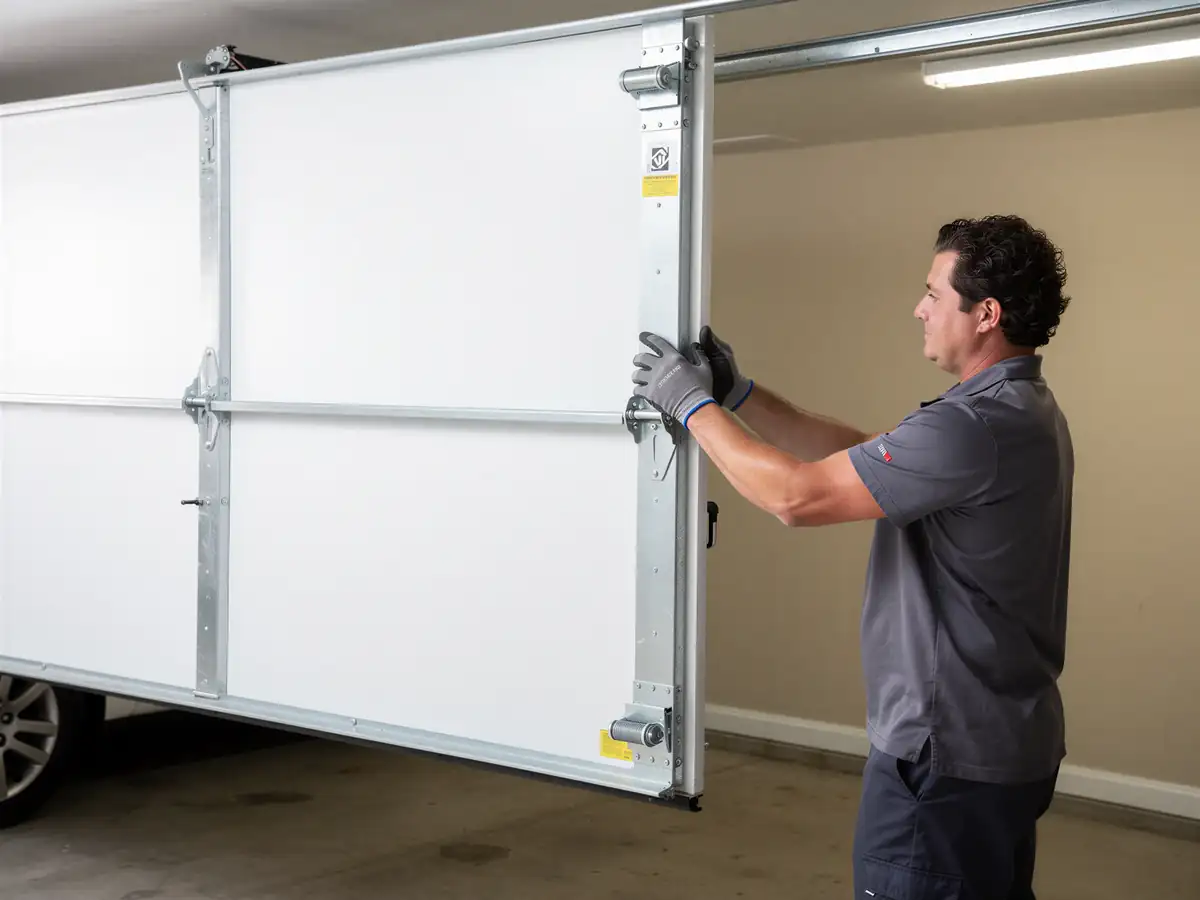
What the job doesn't take is a full teardown in most cases. If the track and rollers are original but sound, we replace the spring and cables and leave the rest alone. Replacing more than what's broken just adds cost without fixing anything.
Why It Happens Here
With roughly 1,233 households in Alva, we're not talking about a dense grid of similar builds the way you'd see in a bigger subdivision - it's a smaller area, and that means a narrower slice of door ages and styles than you'd find across the wider Lehigh Acres service territory. Most of what's out there went up around the same mid-80s window, so the failures tend to cluster too. Torsion springs rated for a certain cycle count start failing in batches once houses hit the 35-to-40-year mark, which is exactly where Alva's housing stock sits now.
The climate band here is mild temperate, so we're not chasing the kind of swing-driven metal fatigue you'd get somewhere with hard freezes, but Florida humidity still does its own slow work on unlubricated cables and corroded bottom brackets, especially on doors that haven't been serviced since they were installed. Combine original-era hardware with decades of no maintenance and a stuck or off-track door isn't surprising - it's just due.
Booking a Visit
We cover Alva from our base in Lehigh Acres, about 8 miles out
So a call here goes on the same route as calls from the other communities we handle in this part of the service area. There's no separate Alva branch and we're not going to pretend there is - we're a Lehigh Acres company that drives to you.
- 8 miles
When you call, tell us the door's approximate age if you know it
Or just the decade the house was built. That one detail usually tells us which spring and track hardware to load before we leave, which cuts down on a second trip for a part we didn't bring. If you're not sure, that's fine too - we can usually tell once we're looking at the opener and bracket style.
Stocked Parts
Given the median income across the service area sits around $73,129 and Alva runs higher than that at roughly $83,551, we see more households here choosing full opener replacement over a patched repair once a unit hits a certain age - it's a decision we can support either way, but it's worth knowing both options exist.
For the hardware itself: torsion springs sized for the common 7-foot and 8-foot residential door openings from the 1980s-90s construction wave, standard galvanized lift cables, and steel rollers in the sizes that match side-mounted track from that period are all things we carry as a matter of course, not special order. Openers are a different story - if yours is the original chain-drive unit from when the house was built, we won't have that exact logic board on the truck, and ordering a legacy control board can take longer than most homeowners want to wait. In that case replacement is usually the faster and cheaper path anyway.
The Symptom
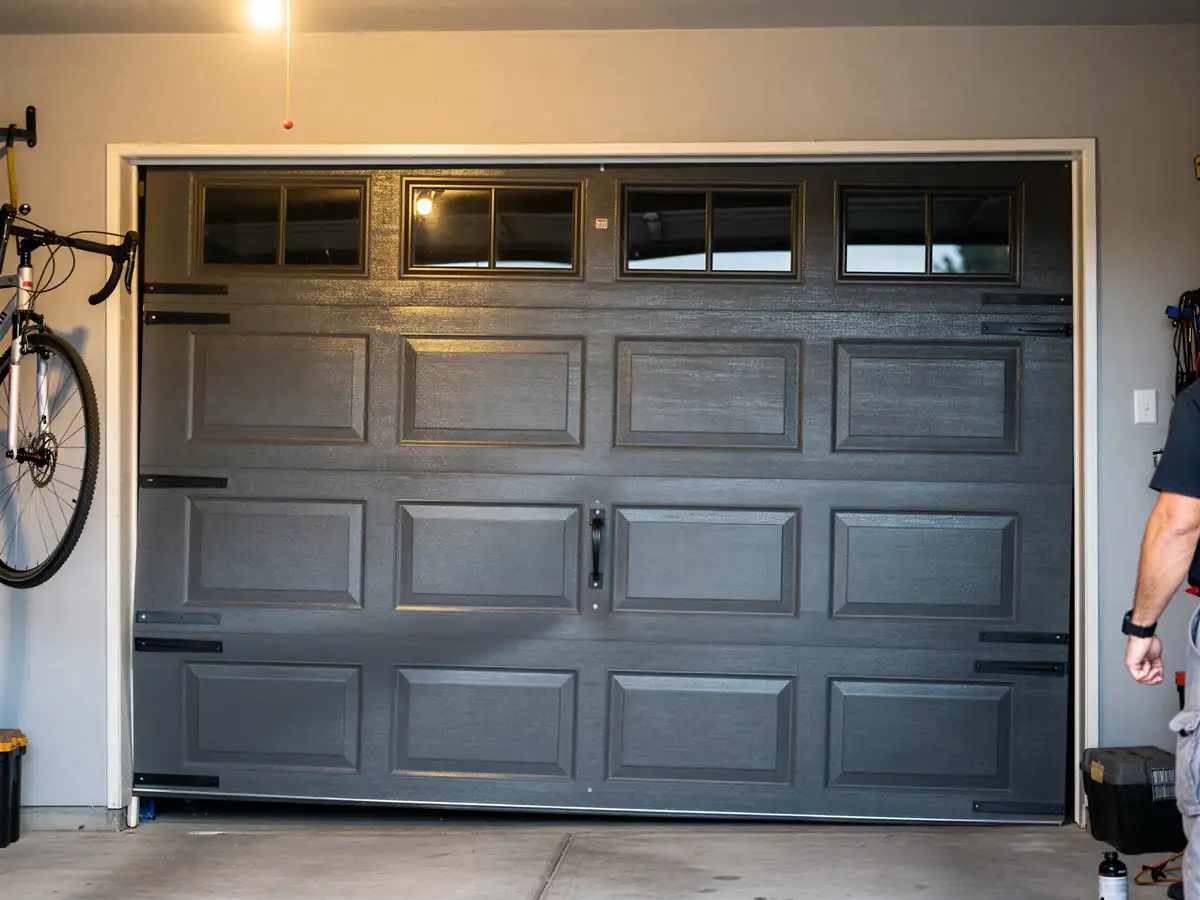
The most common call out of Alva is a door that won't fully close, reverses partway up, or drops hard at the bottom of its travel. On a house from the 1986 construction window, that's almost always a torsion spring that's lost tension unevenly - one side still holding, the other gone - which throws the whole door out of balance and trips the opener's safety sensors.
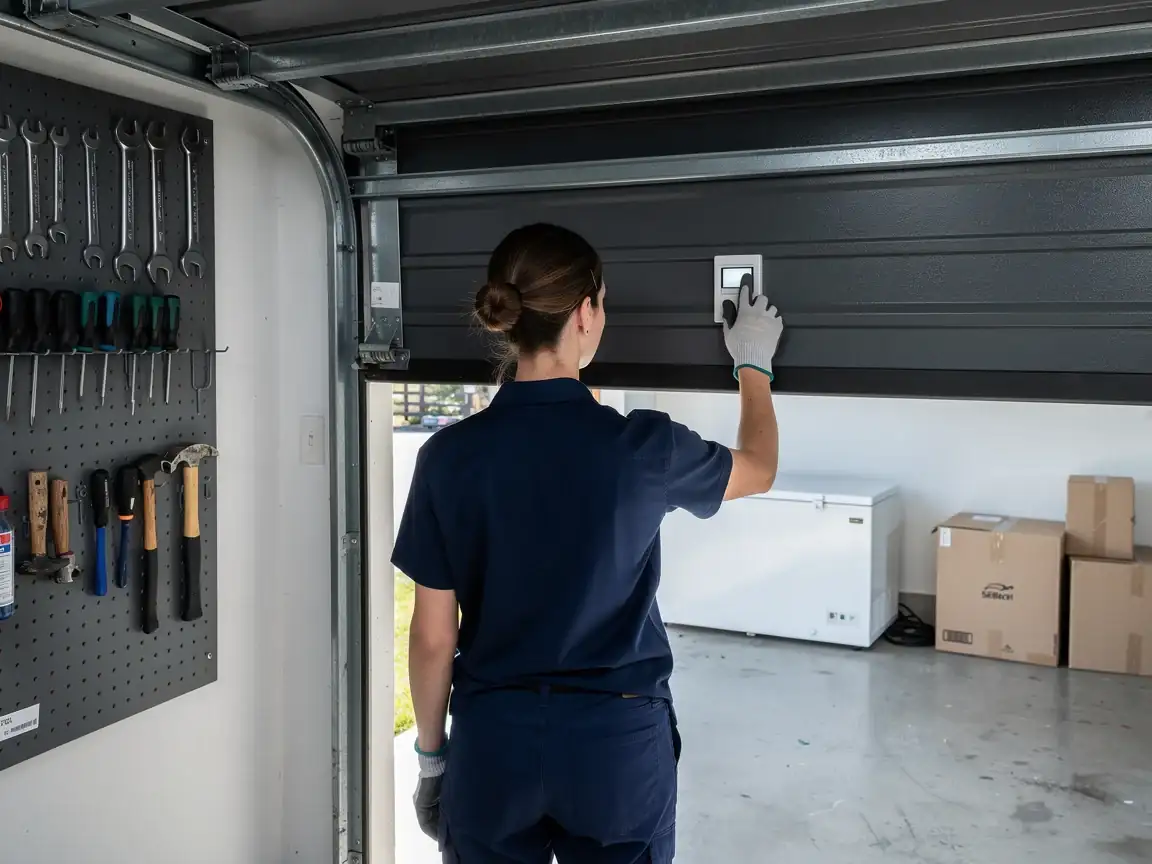
A close second is a door that opens fine but closes slower each week until it stops responding to the remote at all. That's usually a logic board or capacitor issue on an original-era opener, not the door itself. We can test that in a few minutes on site, and it's the difference between a part swap and a full opener swap - worth knowing before you assume the worst.