What the Repair Takes
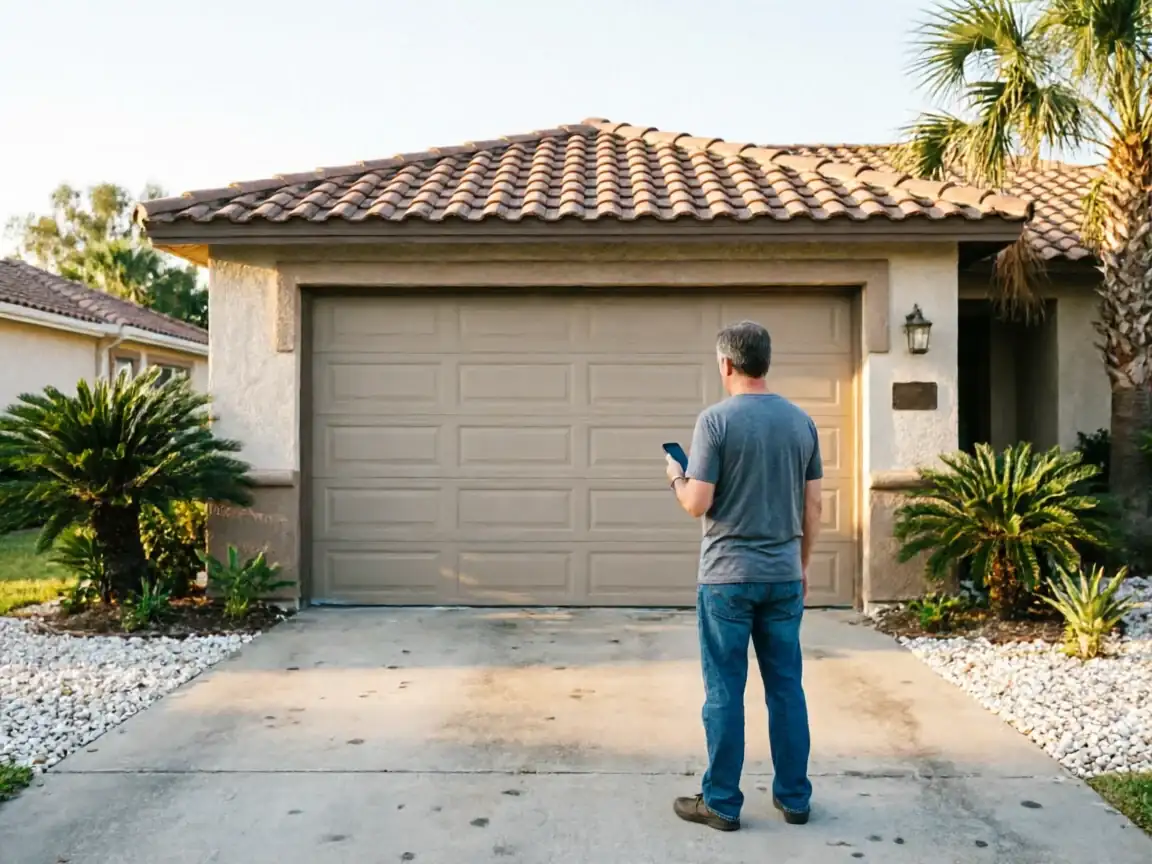
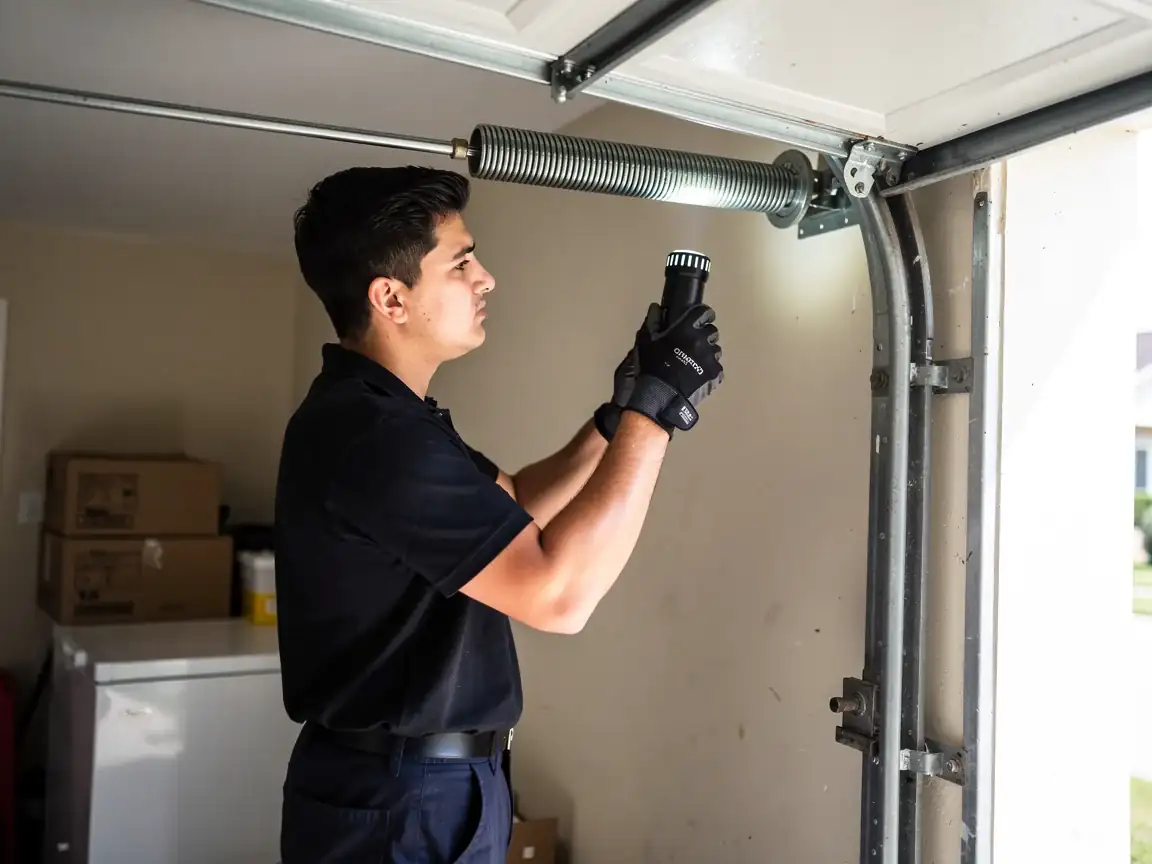
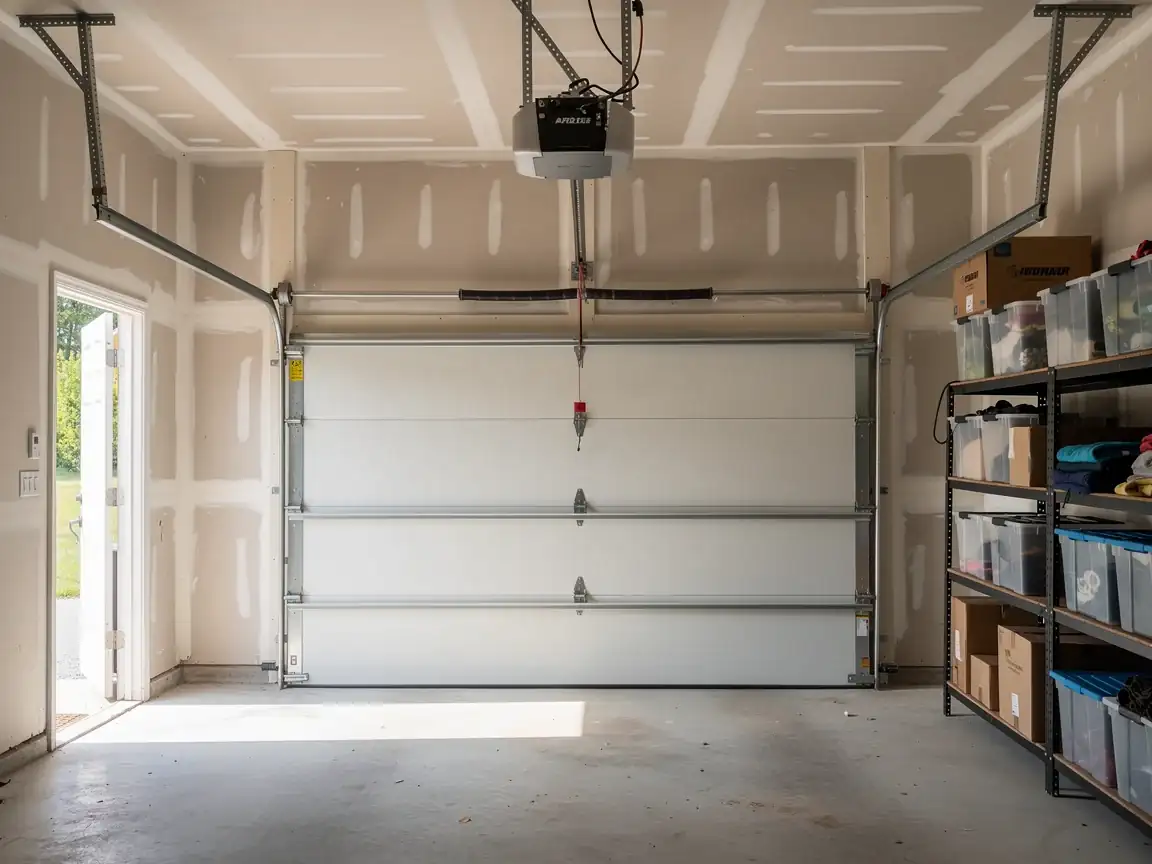
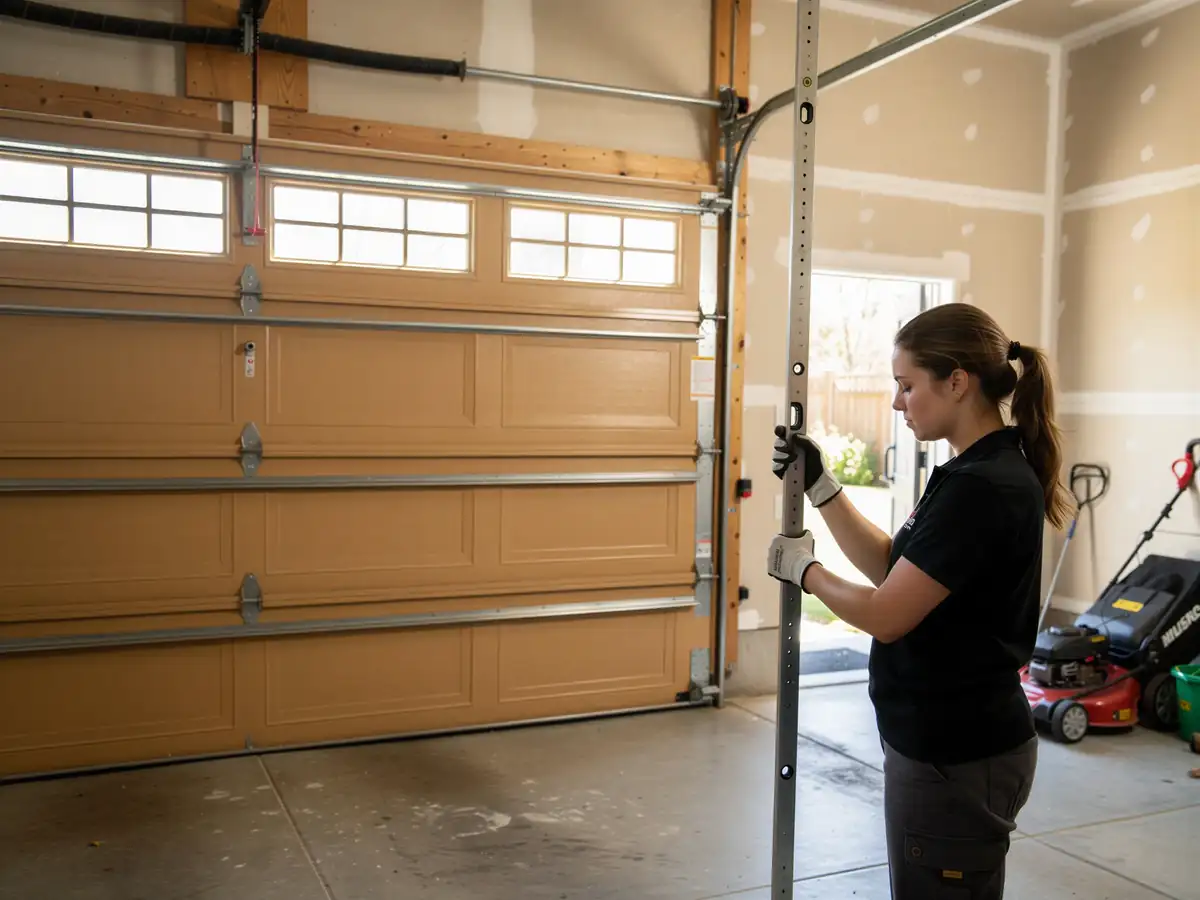
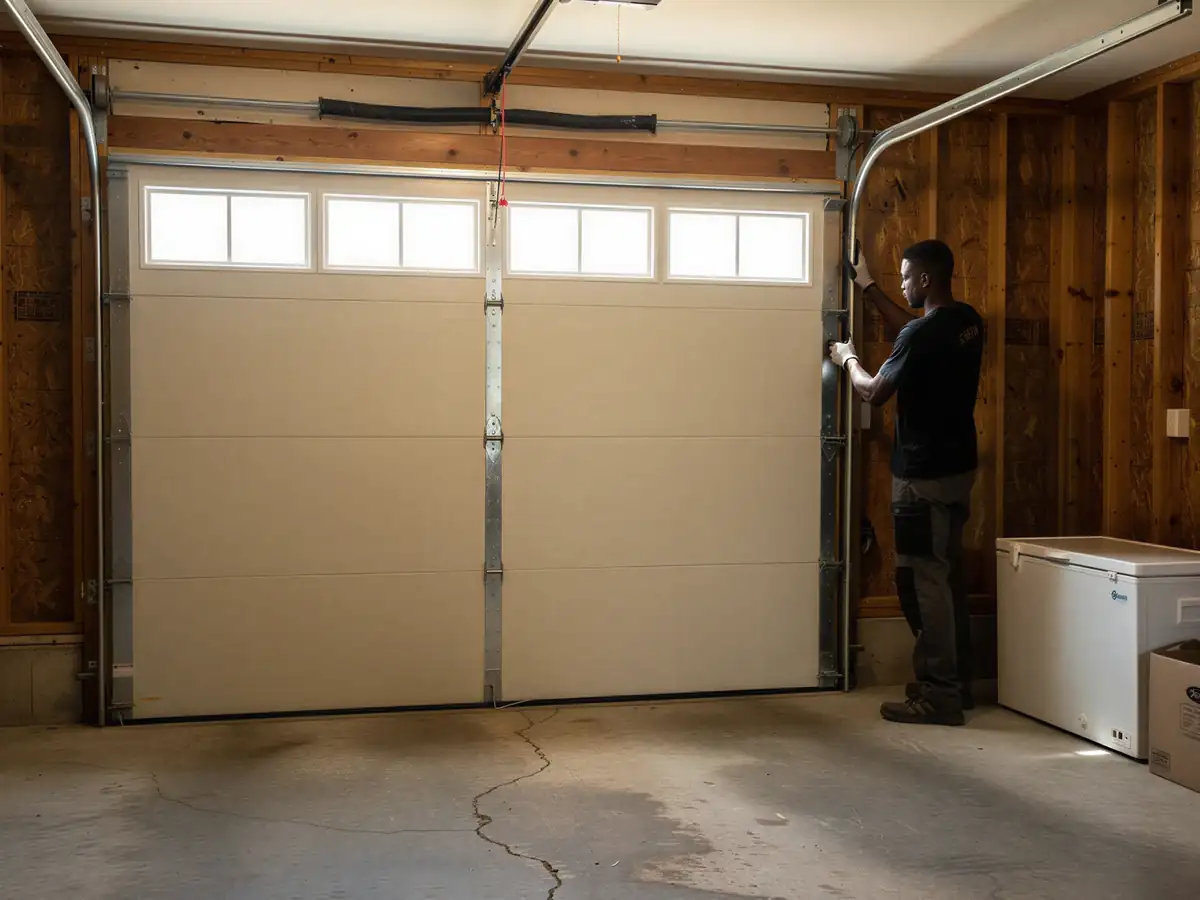
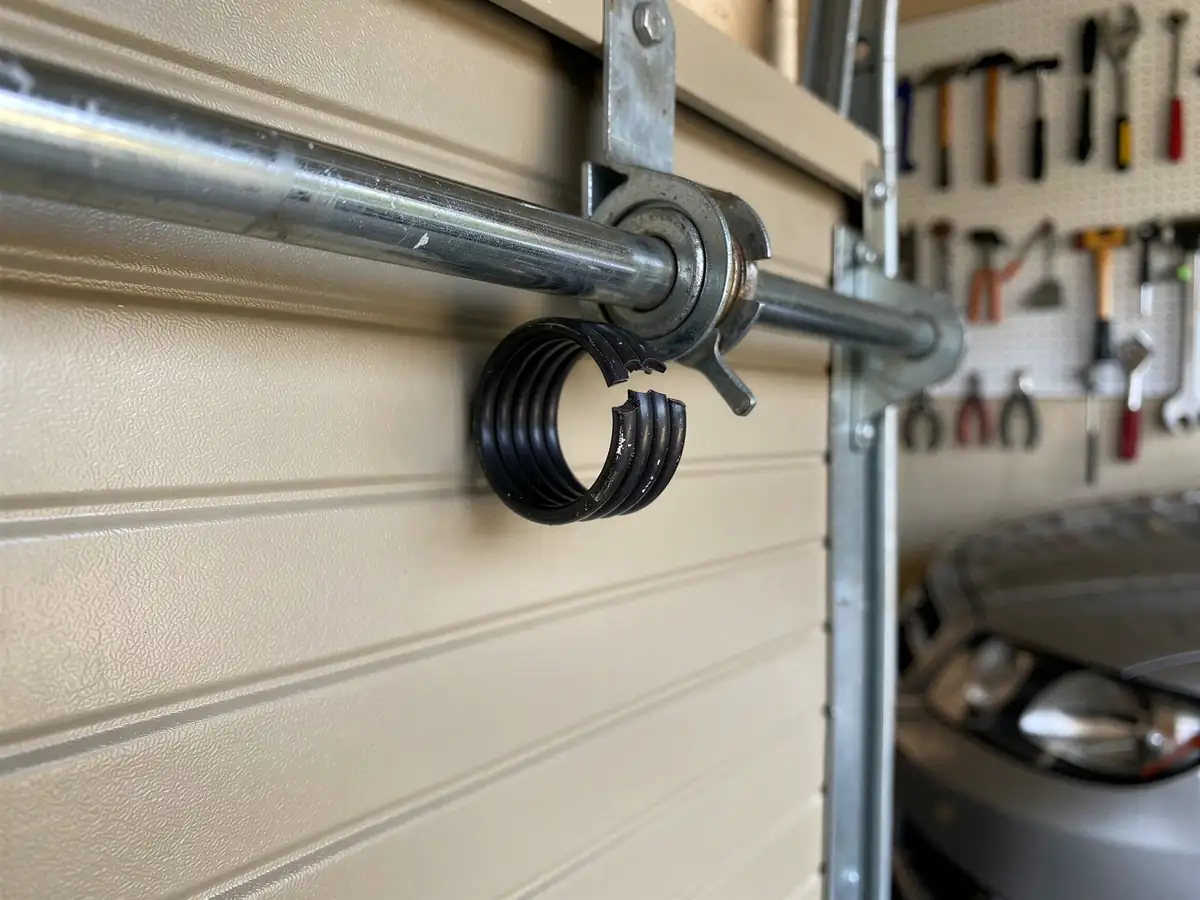
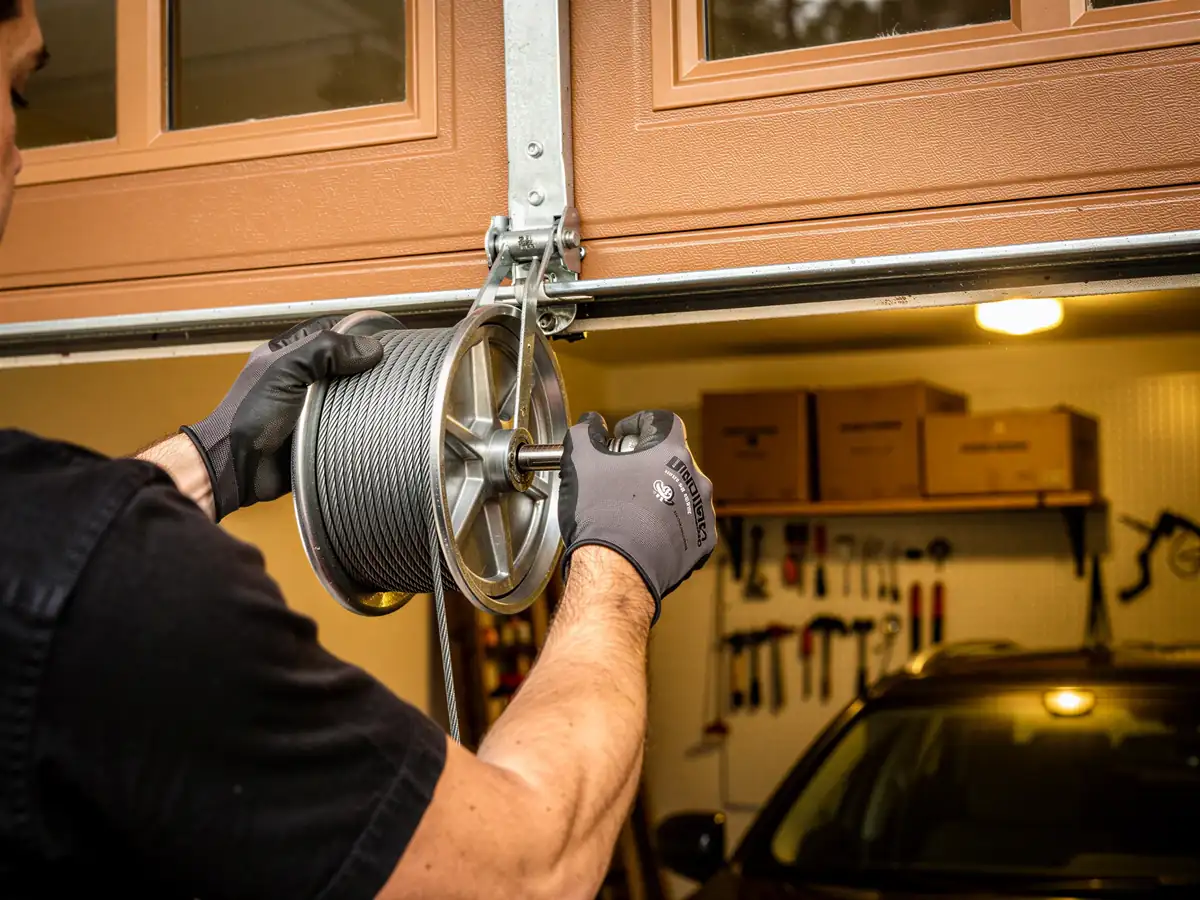
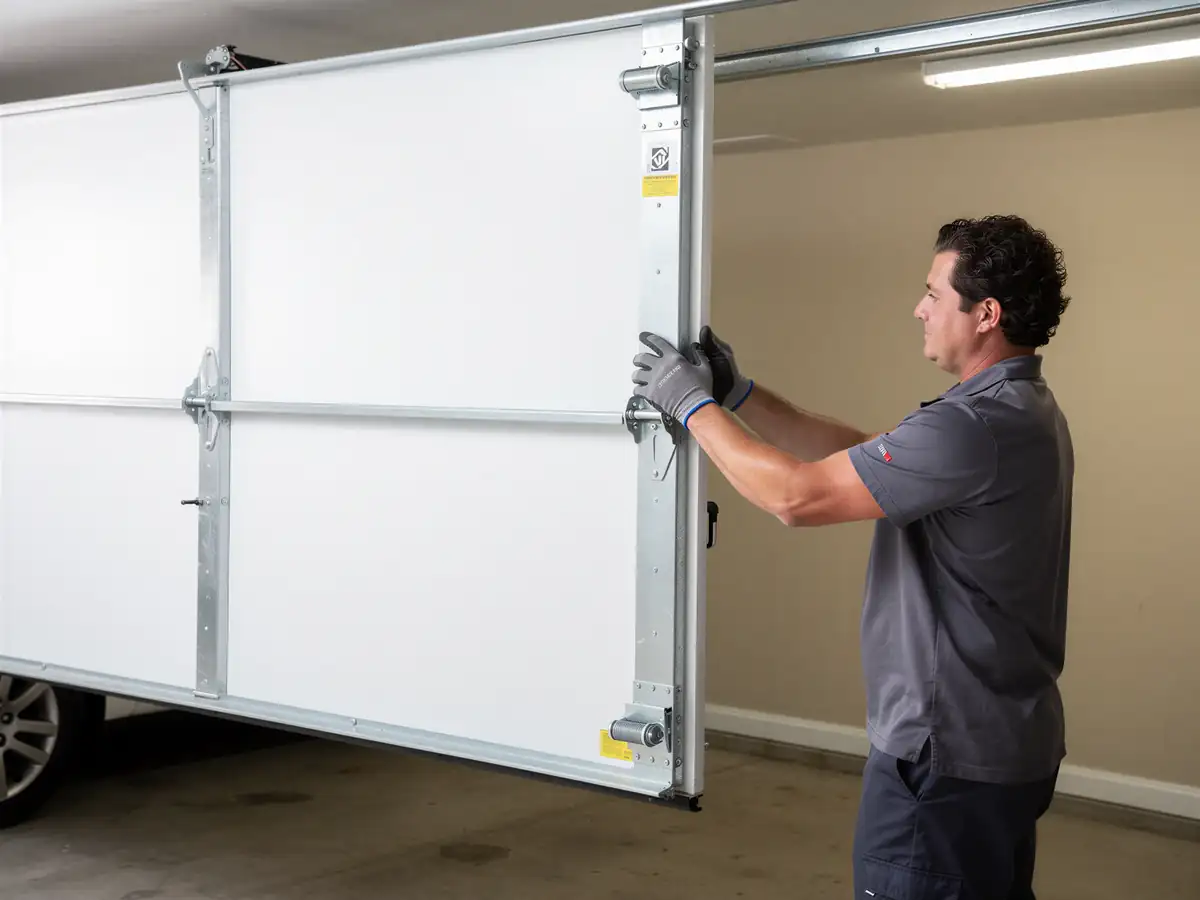
A maintenance visit out here isn't the same job as it is on a house built in 2015. Alva's housing stock centers on a median build year of 1986, which means the door, the opener, and the spring setup are often original or close to it. That changes what a tech checks first: extension springs that predate common torsion conversions, steel tracks that have had thirty-plus years to pick up rust at the mounting brackets, and rollers that were never swapped to nylon. The 1,233 households in Alva are mostly carrying hardware from that same build wave, so a maintenance call tends to turn into a parts conversation faster than it would on newer construction. We check spring tension, lubricate the track and hinges, test balance by hand, and look at the opener's drive chain or belt for wear consistent with decades of cycles rather than years. None of that is dramatic work, but skipping it on a door this age is how a slow Saturday morning turns into a snapped cable on a Tuesday.
Why It Happens Here
The mild temperate climate across the service area is easier on doors than a freeze-thaw region would be, so we're not fighting ice-cracked panels or frost-seized tracks. What we're fighting instead is time. Across the 18 named communities this company covers, the stock runs mostly 1980s and 1990s, and Alva's own median of 1986 puts it right in that window. Humidity and heat do their slow work on lubricant and hardware even without hard freezes, so springs lose tension gradually rather than snapping from cold, and openers wear out their gears and chains from steady cycling in warm air. At $83,551, the median household income here runs above the $73,129 median across the broader service area, and in practice that means more owners here choose to keep up with maintenance rather than wait for a failure, since the cost of a planned visit is easier to absorb than an emergency call.
Stocked Parts
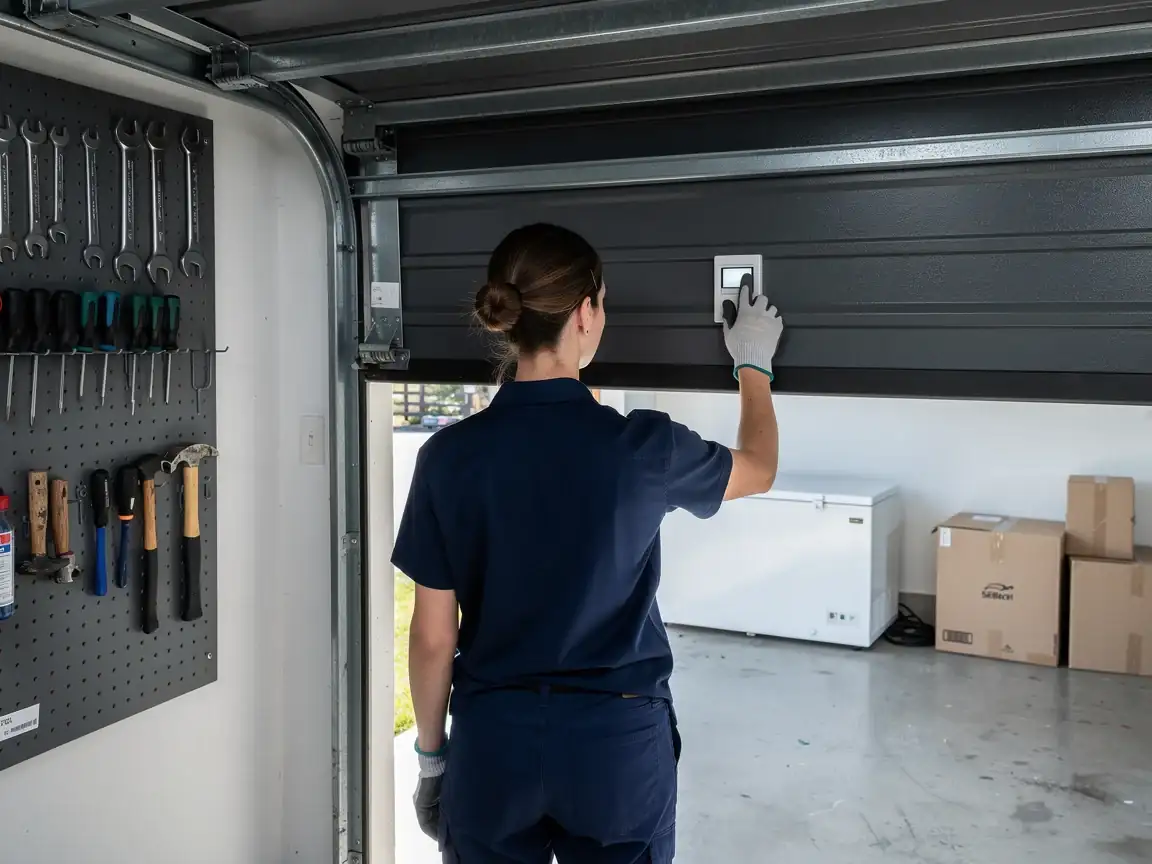
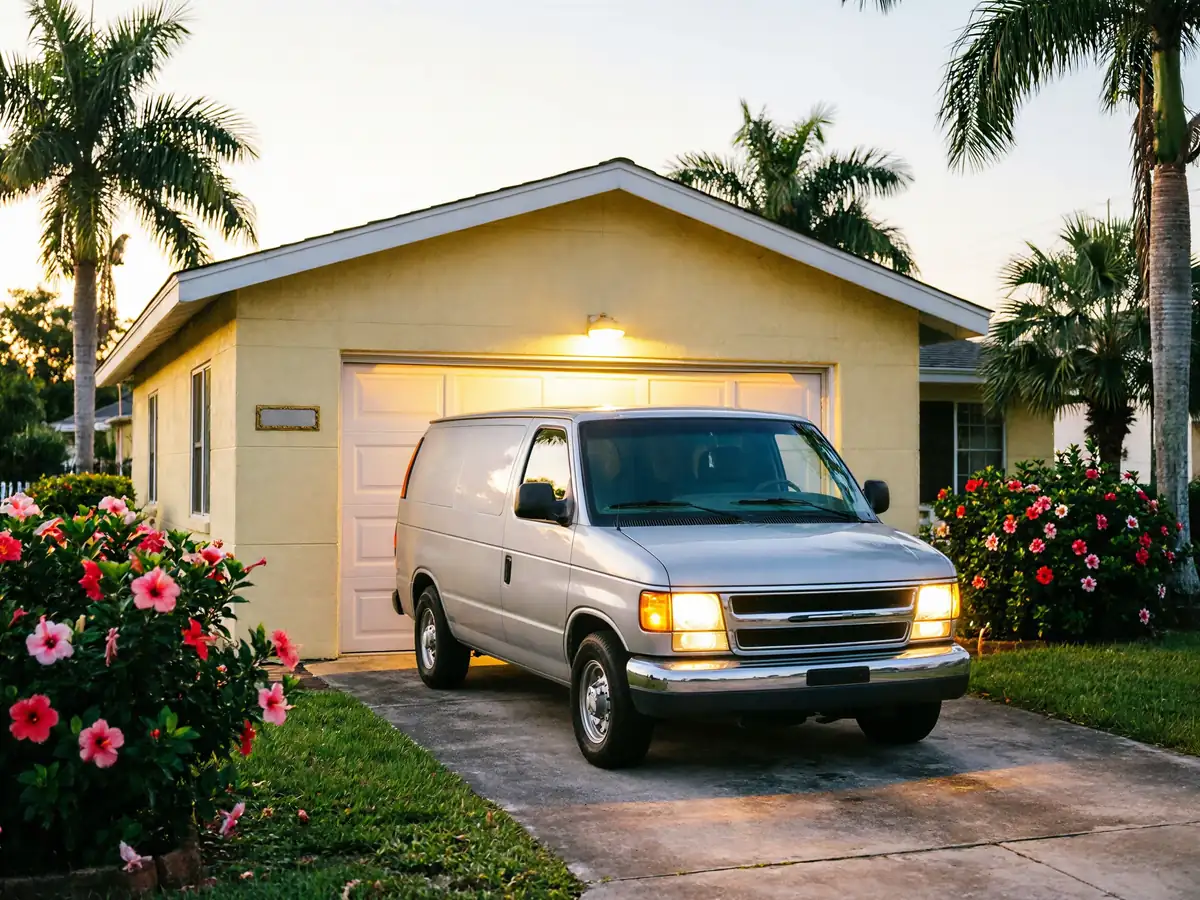
The truck carries the parts that fail most often on doors from this build era: standard torsion and extension springs, common roller sizes, cables, and the hardware for track alignment. Where we run into a lead time is on panels and odd-sized sections for doors that were installed before today's standard widths became universal, which shows up more on a 1986-median street than it would on new construction. If a panel needs to be special-ordered, we'll tell you that on the spot rather than let you assume it's a same-visit fix. For most maintenance calls - lubrication, balance adjustment, roller and hinge replacement, opener tune-up - everything needed is already on the truck.
The Symptom
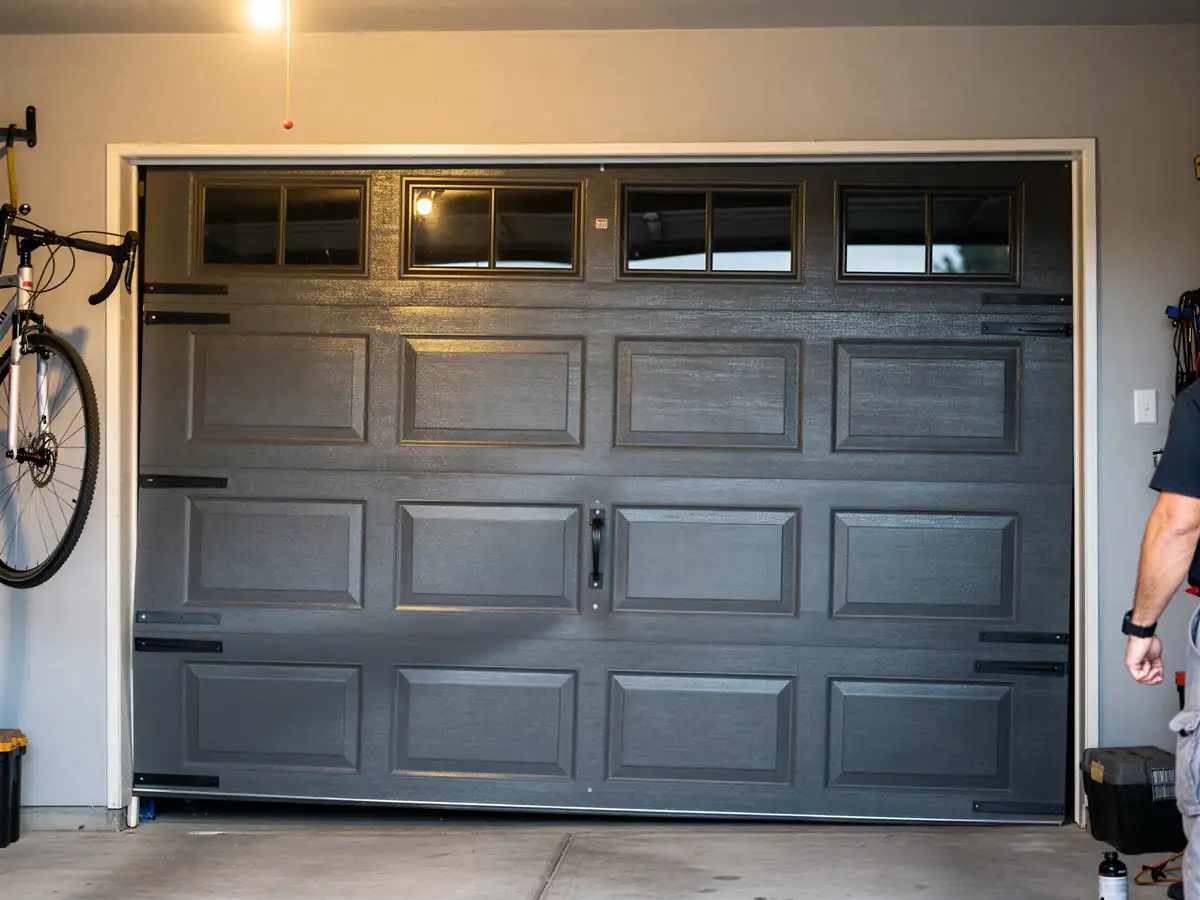
The call we get most from this stretch of the service area isn't a door that won't open at all - it's one that's gotten loud, or slow, or hesitates partway up. On a door with original 1986-era hardware, that's usually a spring that's lost tension gradually rather than one that's snapped, or an opener whose drive mechanism has worn enough that it's straining instead of failing outright. Catching it at the noisy-and-slow stage, before it becomes a stuck-shut stage, is the whole point of a maintenance visit rather than a repair call. If a door out here is still working but sounds rough, that's worth a look before it stops working.